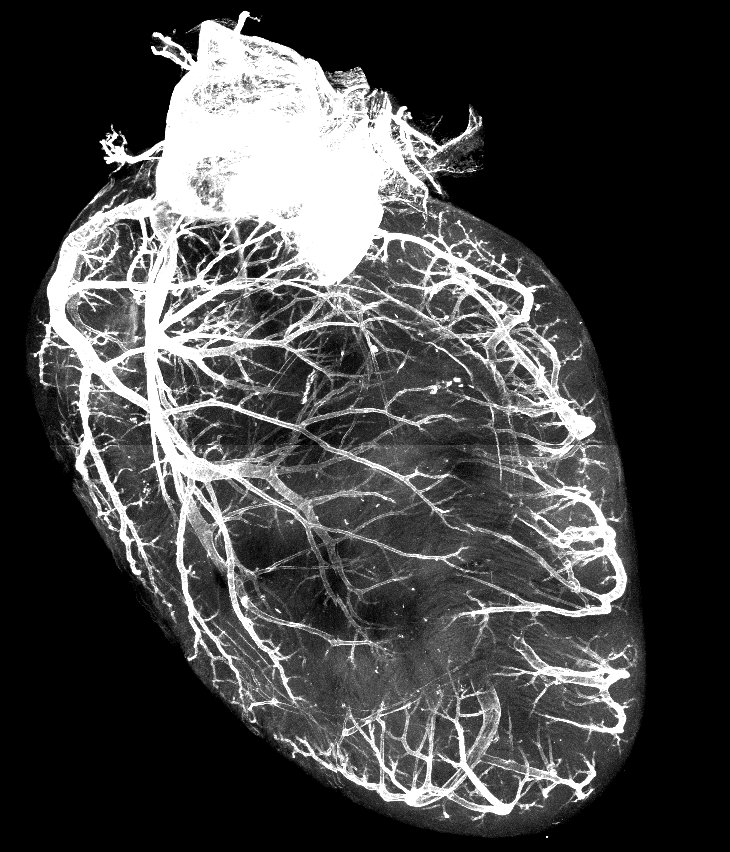
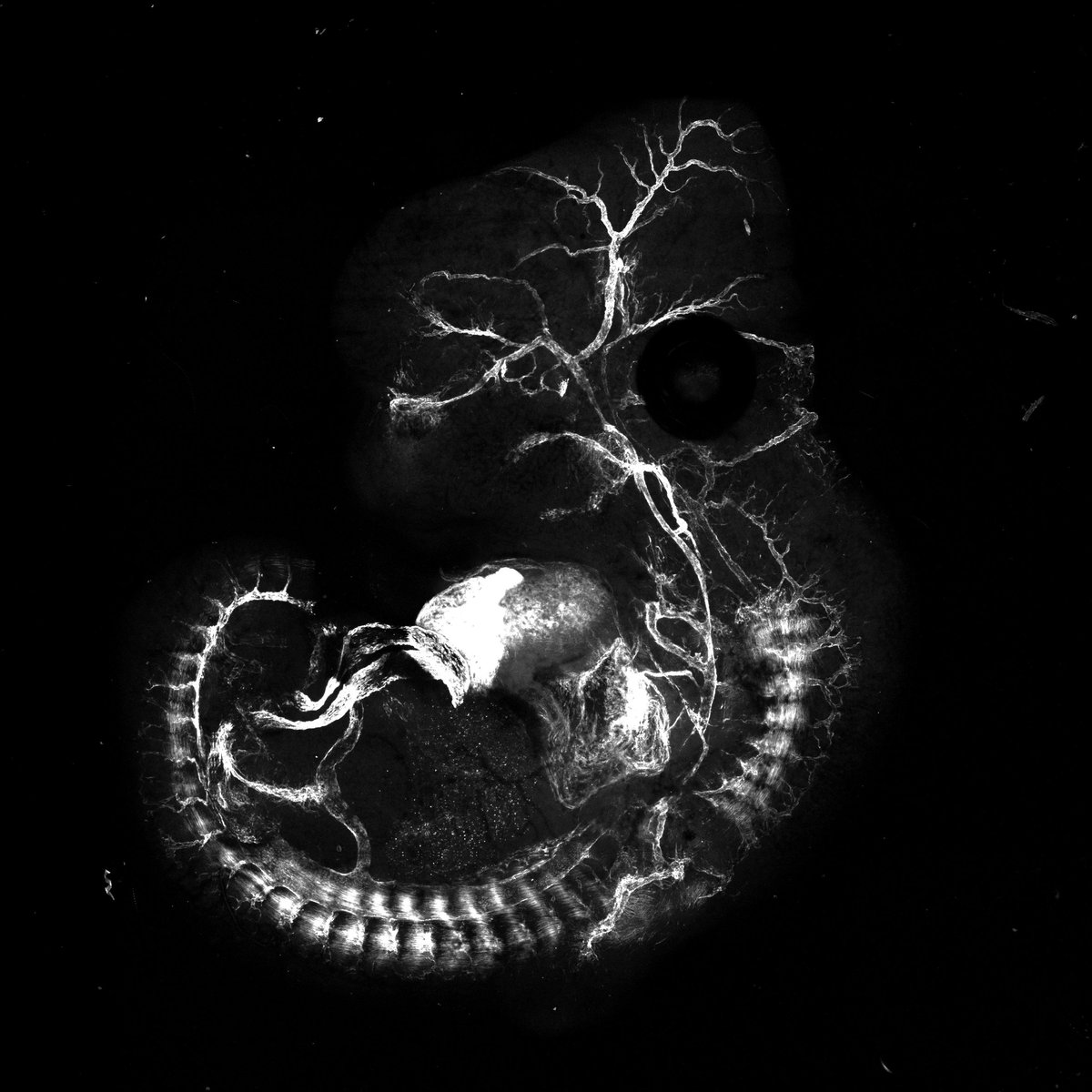
Looking to join a collaborative team studying coronary artery development? Love taking pretty microscope images? The Red-Horse lab (@hhmi_science/@Stanford) is hiring for a senior scientist to research coronary & collateral artery development apply below!:
https://t.co/sVvxNFEXPo
Why do guinea pigs have so many natural bypass arteries?
In our preprint, we use this ischemia-resistant mammal + in vivo Perturb-seq to ask how protective collateral arteries are built.
The surprise: more collaterals may come from turning down “artery repressor” pathways, including WNT, hypoxia-response, and TCA cycle.
Knocking down selected repressors increased pial collaterals in mouse brain.
@RonghaoZhou@kristyredhorse@jengreitz@BRaftrey@PamR33@ChenMaggieSY
https://t.co/mZUZXyzRH9
If this work is interesting to you, we're hiring for a Senior Scientist with post-doctoral experience and a background in RNA molecular biology or whole organ imaging and analysis to join our small, collaborative team!
Apply here: https://t.co/CqSqCuQ1gq
@EuphrosMD Thank you! It certainly plays an interesting role here - Günter Wagner's group has beautiful work that implicates Cxcl12 in the evolution of an invasive pregnancy that interests us for future work!:
https://t.co/RLuLeOLrsC
Excited to share our preprint, reviving @kristyredhorse's interest in the placenta from her PhD ~20 years ago! We find using 3D imaging that the mouse placenta is far more invasive than previously thought. Furthermore, we find a surprise from our favorite chemokine CXCL12...🧵:
3D imaging of the pregnant uterus reveals an extensively invasive mouse placenta requiring CXCL12-CXCR4 signaling https://t.co/XlIqvpUitU #biorxiv_devbio
This work was a product of intense work by the three of us, and we are very excited to share it with everyone! Of course, a huge thank you goes out to our funding sources, and especially everyone who has given us feedback, advice, and comments along the way.
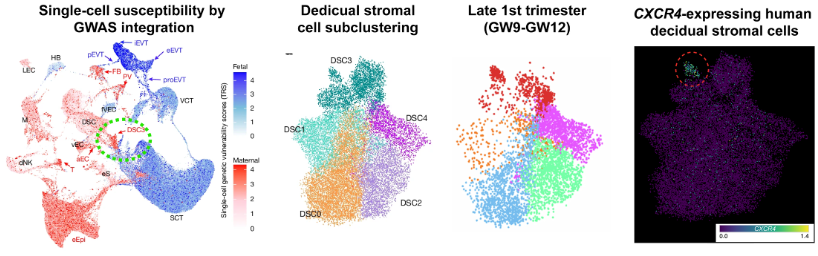
We were surprised by CXCR4-activated decidual cells in these mice, given the paucity of analysis of this receptor in these cells. However, beautiful work out this week in Nature shows a population of CXCR4+ decidual cells associated with blood vessels and pregnancy complications.