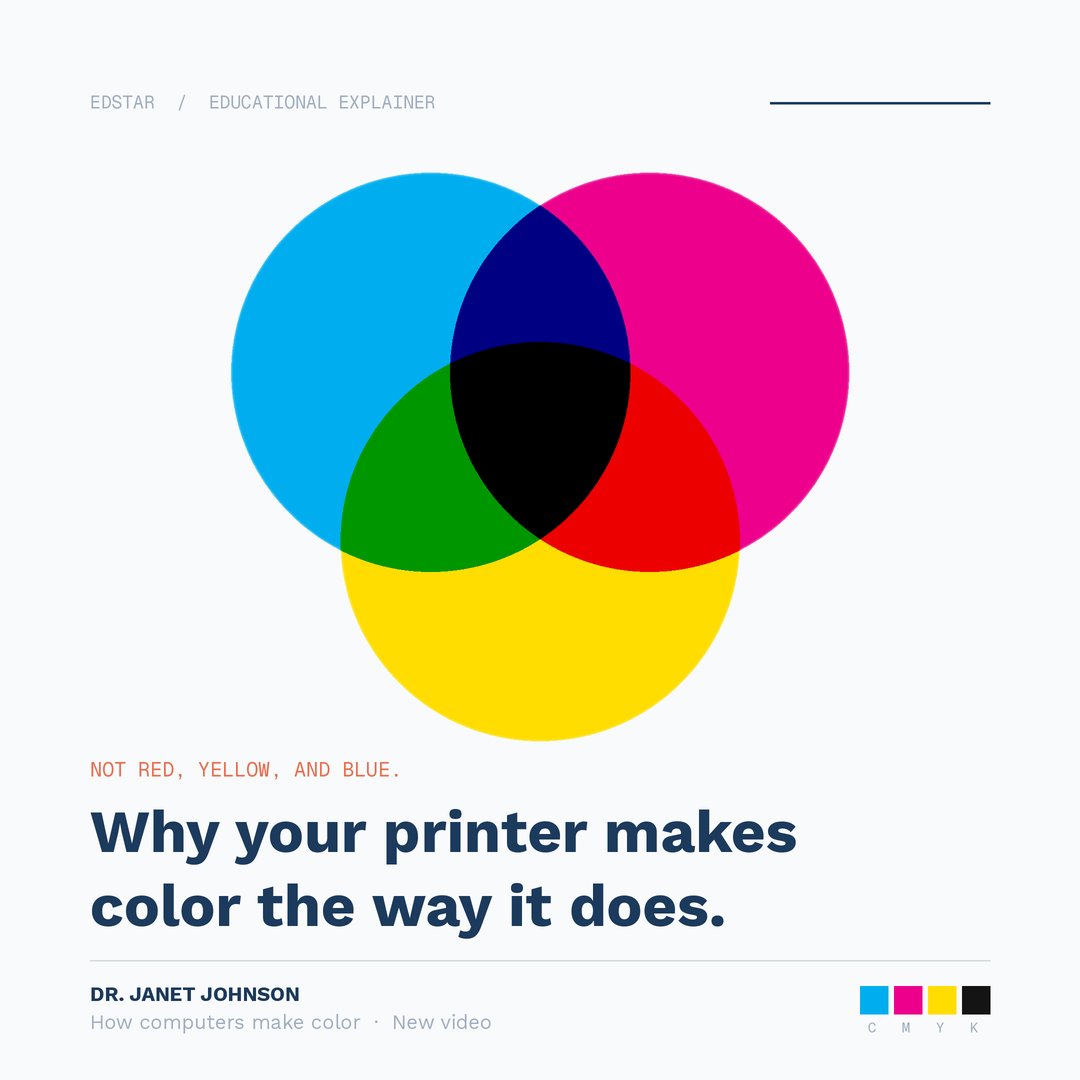
Every color on your screen is really just three tiny lights: red, green, and blue.
One color, three systems: glowing pixels, hex codes, printed ink. Simple math, no coding needed.
The STEM hiding inside a single color: https://t.co/n5qCgwCsVD
Your printer doesn't use red, yellow, and blue. Your screen doesn't either. So why did we all learn those were the "primary" colors?
Dr. Janet Johnson explains how computers (and printers) actually make color.
https://t.co/lyO0j2plVU
Three students won a regional MathCounts competition. The counselor said they "weren't the kinds of students who take advanced math."
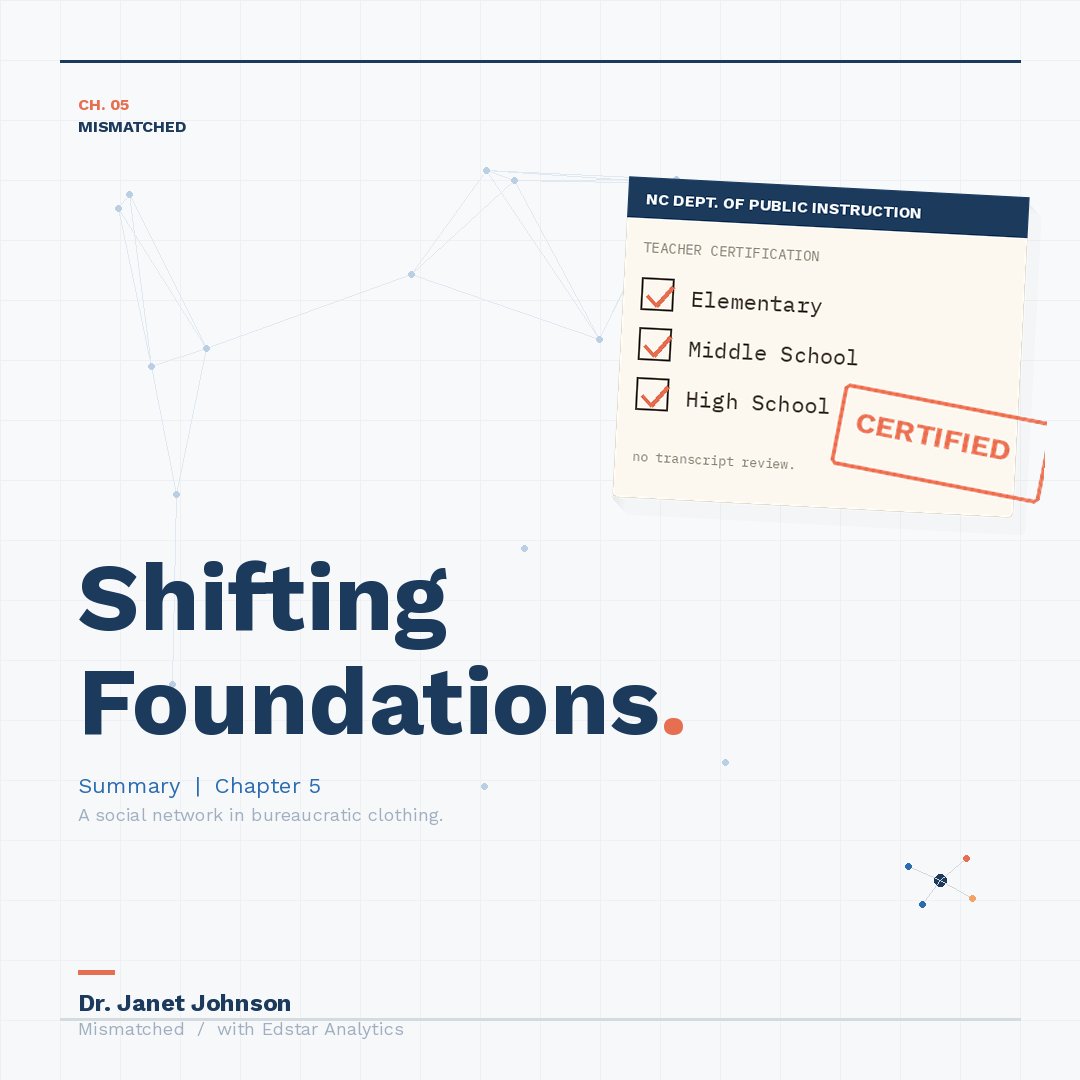
Watch chapter 5 of "Mismatched" now where Dr. Janet Johnson explains what gatekeeping really looks like.
https://t.co/kBevG9T5px
#Education
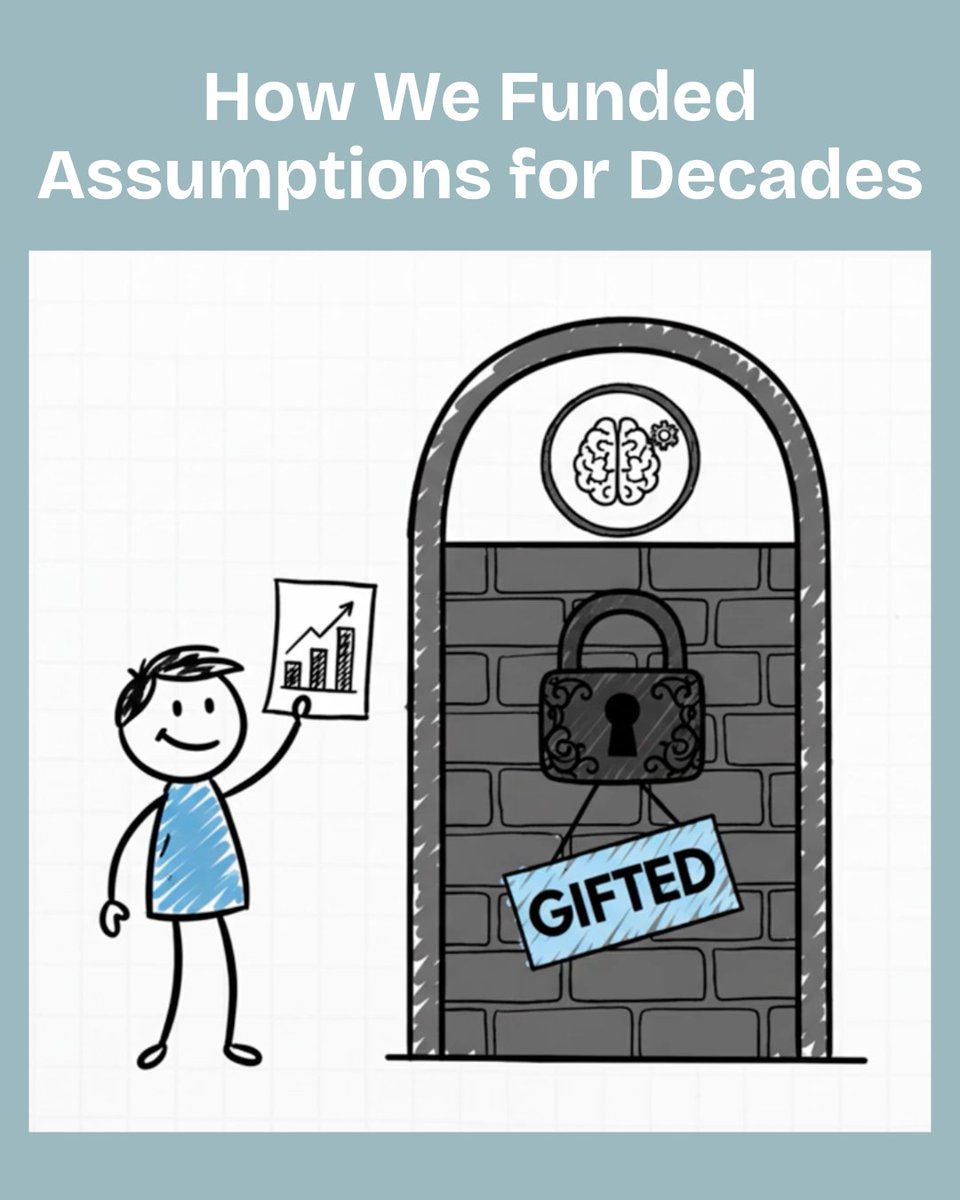
We've known for decades that schools use demographics instead of achievement data to decide which students get access to advanced mathematics. So why hasn't anything changed?
https://t.co/2ef59XxaM9
The education system's greatest trick: making those it excludes believe they failed individually.
Chapter 3 of "Mismatched" with Dr. Janet Johnson is live.
Watch here: https://t.co/Zk8E6N3BUy
#Mismatched#Education#EducationEquity#K12
Schools want to prevent dropouts—but how do they know which students actually need help?
This conversation is for parents, educators, and anyone who believes data should guide how we serve students—not assumptions.
https://t.co/gncaGdQfFD
Decades of technology. Billions in federal requirements. K-12 still lacks basic data skills.
Episode 2 of "Working in the Dark" with Dr. Janet Johnson is live.
Watch here: https://t.co/ZRS3vREsxS
#EdTech#K12#WorkingInTheDark
What happens when you fund programs for decades without ever asking if they work?
This conversation, we explore the massive paradigm shift in federal education grants.
https://t.co/42jqbfdQ5q
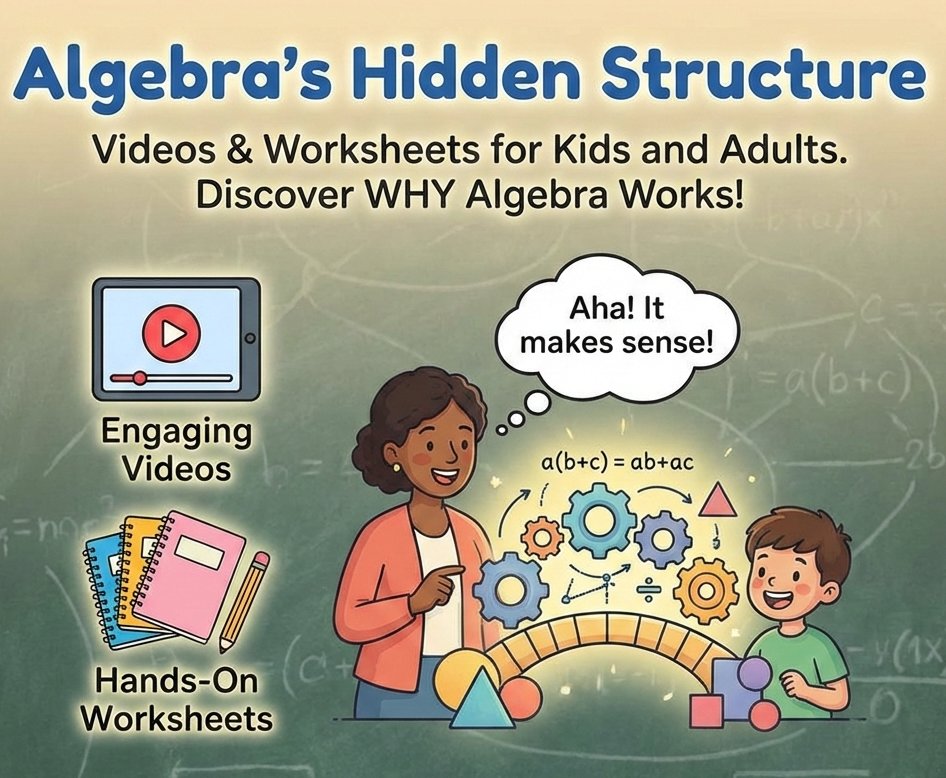
Check out this new site I've been working on 👉 https://t.co/zjnN2QgCHj
It includes lessons and activities to help students understand why algebra rules work; diving into hidden patterns utilizing colors instead of numbers!
What happens when a school district finally reviews whether its programs are serving the right students?
Check out how we dove deeper into this question in our new video: What Program Reviews Exposed | Inside a District’s Own Evaluation Reports
https://t.co/2NC8HQHFWc
When we reported that students already at grade level shouldn't need remedial services, staff asked if we were saying the students weren't poor. The equation in their minds was absolute: low-income equals at-risk.
https://t.co/rMl4dQovzw
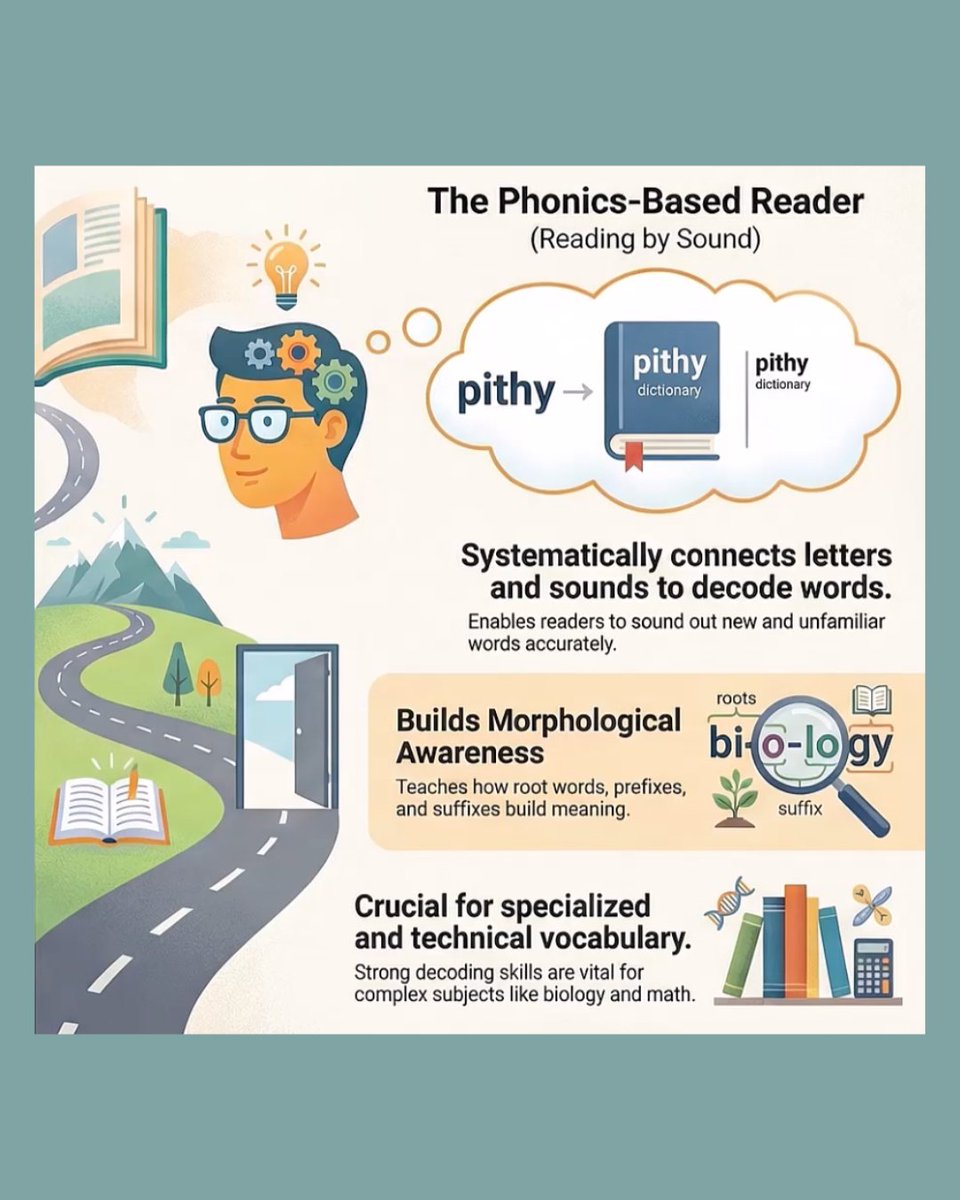
Why would a smart, capable 25-year-old read "pithy" as "panther" and not even notice? Check out the discussion of my previous post at
https://t.co/WyExJYc2Xa
Change management frameworks exist. Organizational learning research exists. Education just didn't use them. This video explains what went wrong—and what effective change management could have looked like.
https://t.co/tClV4PxL0w
This is the story of a paradigm shift that is still incomplete—and what it revealed about how we sort children by who they are instead of what they can do.
https://t.co/H7W3co99Tm
What happens when a bright 25-year-old reads "pithy" as "panther" without noticing the difference? This isn't a story about intelligence—it's a window into how early reading instruction shapes the way our brains process text for a lifetime. Watch: https://t.co/eP1DLfLwbx .
📖 North Carolina acknowledged the problem. Legislation followed. But has anything actually changed for students trying to access advanced mathematics?
Learn more by viewing The Math Opportunity Gap at https://t.co/2n3ColECHN
Progress begins with understanding.
Education data exists—but too often it doesn’t reach those who need it most. Drawing on 30 years of experience, Janet Johnson shows how transparency empowers educators and students.
Working in the Dark reveals the gap—and how to close it.