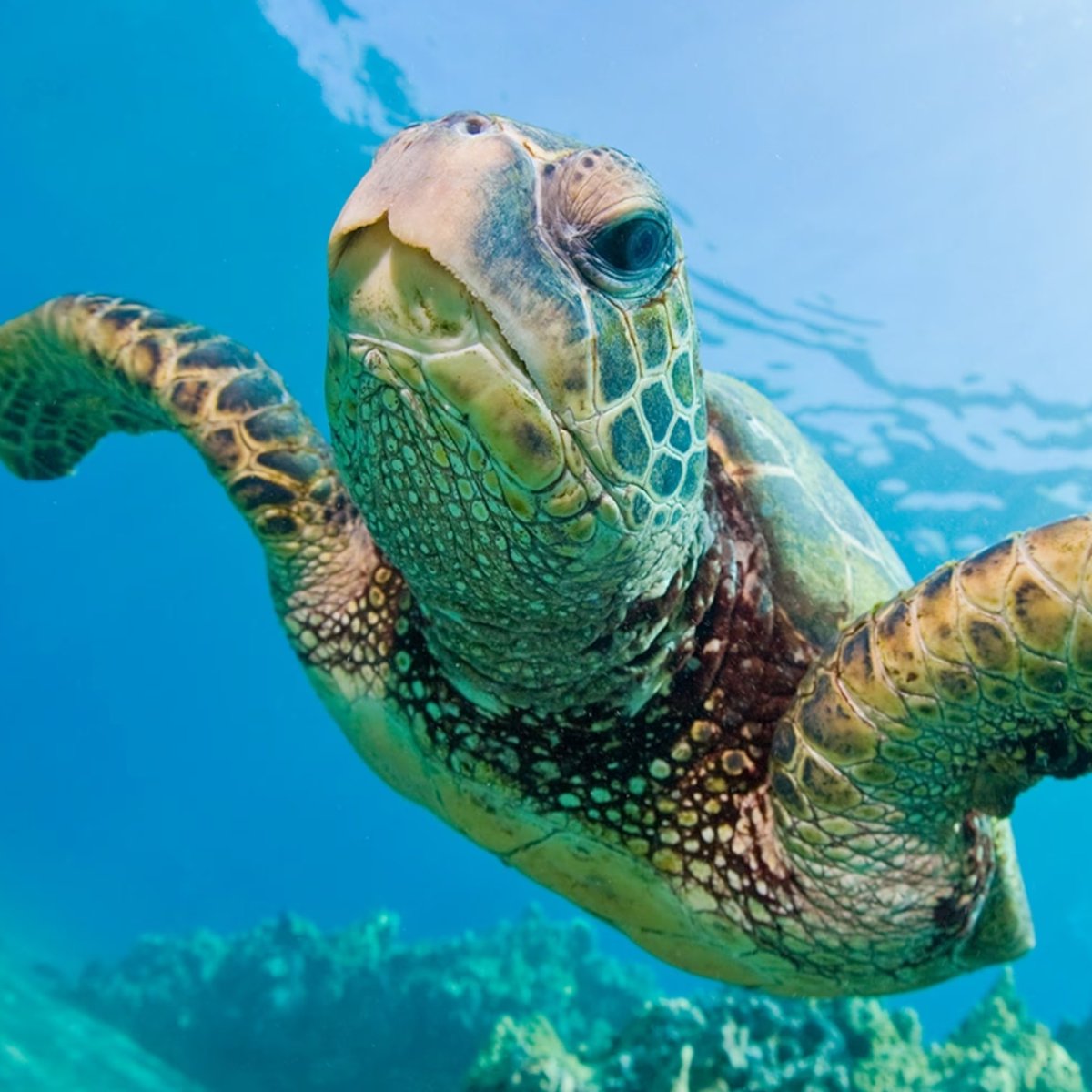
GO TIMMY! 🐢Timmy, a 270-pound turtle estimated to be between 70 and 80 years old, returned to the ocean weeks after she was found struggling to stay afloat and flailing in the ocean. https://t.co/VxwToEw05Q
Green sea turtles are no longer considered endangered worldwide
Decades of protecting nests, reducing hunting, and making fishing safer helped their population rise by around 28%
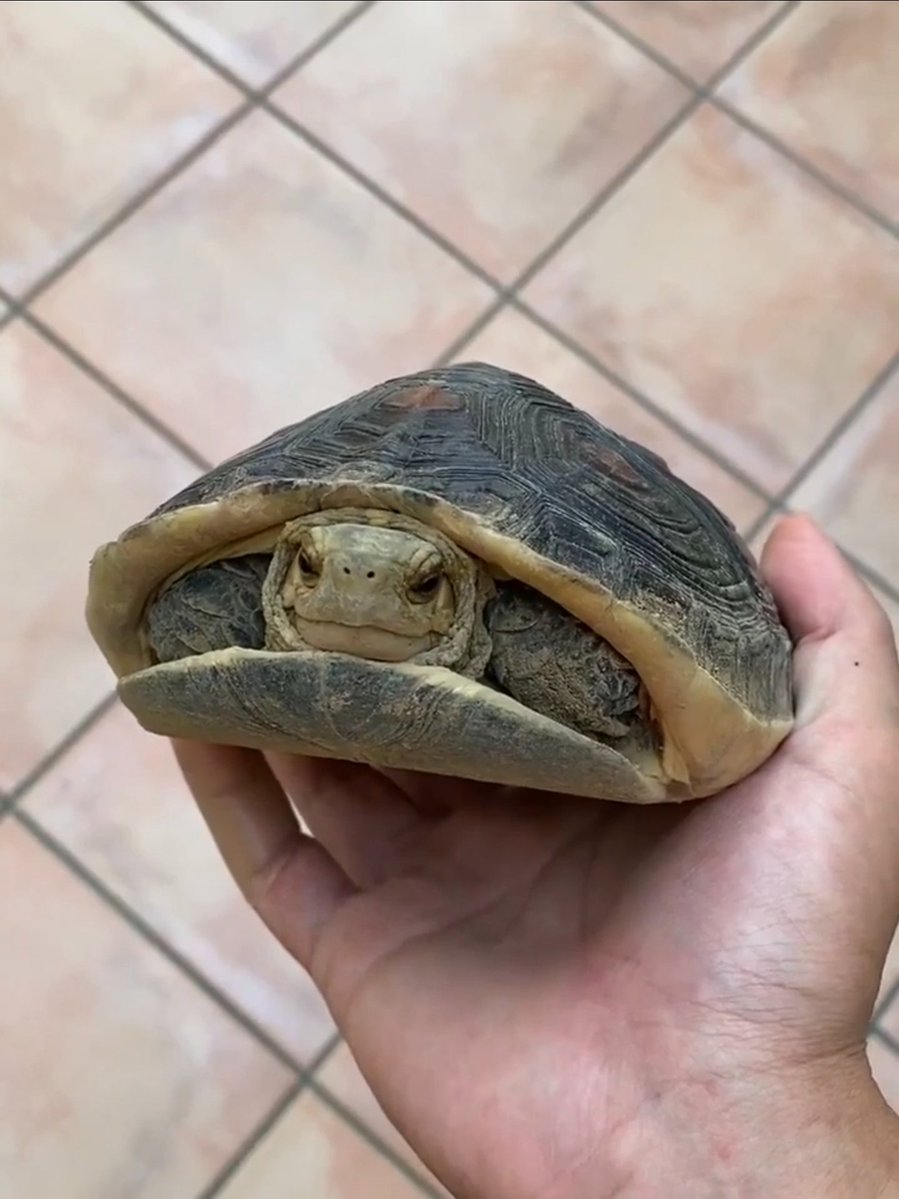
Box turtles can completely seal themselves inside their shells thanks to a built-in hinge
Found only in North America, these slow moving reptiles rely on their unique natural armor as their primary defense, often waiting patiently until danger has passed
Close-up of the fangs of a rattlesnake (left) and a Gaboon viper (right)
A Gaboon viper can deliver around 200 to 1,000 mg of venom in a single bite, while rattlesnakes typically deliver anywhere from 1 to 850 mg, depending on the species and individual snake
Fireworks can be just as frightening for wildlife as they are for pets
The loud explosions can cause birds and other animals to panic, leading to injuries, disrupted feeding, and even abandoned nests
You don't have to love snakes, but you should probably stop treating them like villains.
Most snakes are not medically dangerous to humans. And even the venomous ones aren't out there looking for a fight. A snake in your yard is usually doing one of three things: trying to hide, trying to find food, or trying to warm up. That's it.
Many snakes eat mice, rats, voles, slugs, insects, frogs, fish, eggs, and other snakes. Snakes keep ecosystems in balance.
Some are doing direct pest control. Some are controlling the mice that carry ticks. Some are prey for hawks, owls, herons, foxes, raccoons, and other predators.
They are not separate from the system, but an important species holding the system together.
There's even research suggesting timber rattlesnakes may reduce Lyme disease risk by eating mice and other small mammals that carry ticks. One estimate found a single timber rattlesnake could remove thousands of ticks from a site in a year just by eating tick-covered prey.
That does not mean you should pick up a rattlesnake. Please don't be that guy. But it does mean the snake you're scared of may be solving problems you didn't know you had.
If you see one, give it space and let it do its thing.
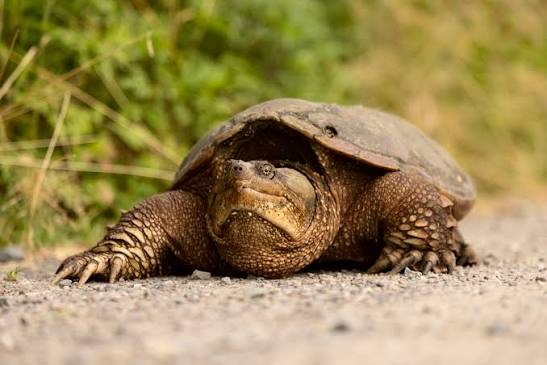
Snapping turtles have a reputation problem built on a few dramatic stories.
Here's what a snapping turtle actually does most of the time: sit quietly on the bottom of a pond, stream, or marsh and eat whatever opportunity presents itself.
Fish, frogs, crayfish, insects, aquatic plants, and carrion all end up on the menu. Wildlife agencies routinely describe them as important scavengers. They're among the many creatures doing the unglamorous work of recycling dead plants and animals back into the ecosystem.
Can a snapper take a duckling? Sure. It happens. But the turtle in your pond is not sitting there plotting against your waterfowl. Ducklings are an occasional meal, not an obsession, and healthy adult ducks are difficult prey.
The other thing people fear, that snapping turtles are aggressive toward humans, is mostly a misunderstanding. In the water, they're generally shy and prefer to avoid conflict.
The famous hissing, lunging, and biting usually happens on land, where they're out of their element and can't swim away. A turtle crossing a road or searching for a nesting site is relying on bluff and defense because retreat isn't much of an option.
Leave them alone, and they'll usually leave you alone.
Snapping turtles have been part of North American wetlands for millions of years. They aren't villains. They're simply one more piece of the machinery that keeps ponds, marshes, and slow-moving streams functioning the way they always have.
Almost every snake in America is harmless to you.
Of roughly 50 native species in the US, four are venomous. Roughly 5 Americans die from snakebite per year. Cows kill more people than that.
The snake in your garden is hunting the rodents you'd otherwise be poisoning.
A black rat snake in a barn eats mice like a vacuum eats dust.
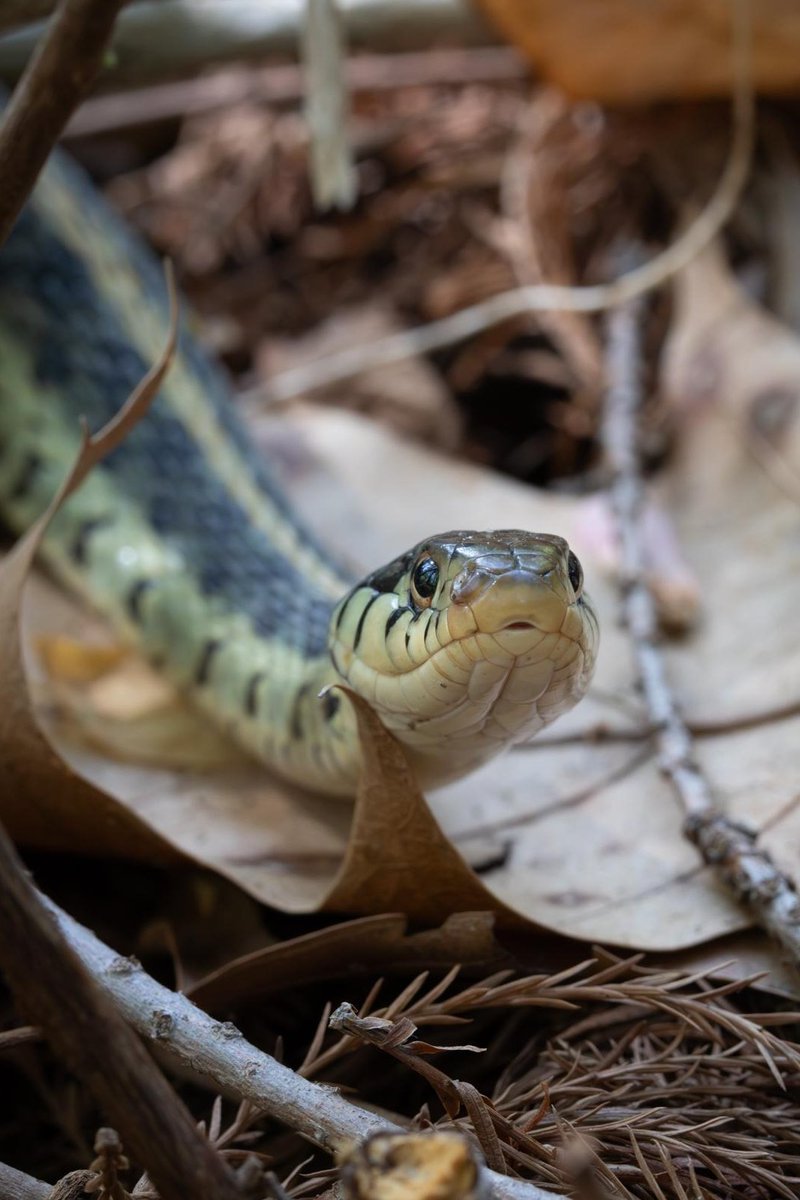
Garter snakes eat slugs and grubs by the hundreds.
Rough green snakes eat caterpillars off your tomatoes.
A yard with snakes is a yard with fewer rodents, fewer ticks (which the rodents carry), and a working food web.
There's a free pest control system you can install in 90 seconds. The catch: it has fangs.
Snakes need warm shelter to thermoregulate, and they'll move into the first one you offer. Stack a few flat rocks, bricks, or scrap lumber in a sunny corner of your yard, leaving gaps underneath.
Place it near a fence line, garden bed, or wherever you've seen rodent activity.
Within a few weeks, you've got a free, all-natural pest control crew that eats mice, rats, voles, and slugs without poison, traps, or a vet bill.
Got a quiet corner of your yard you could spare?
95% of snakes pose zero threat to humans, and your yard needs the ones it has.
Of roughly 3,900 snake species worldwide, only about 600 are venomous, and only 200-300 of those are capable of killing a human. The rest are doing free pest control.
The snake in your garden is much more interested in the rodent under your shed than in you. Most bites happen when people try to handle, kill, or move snakes.
A yard with a resident black snake or garter snake is a yard with fewer mice, fewer ticks, and a working food web.
A yard that's been "cleared" of snakes usually means a yard that's been sprayed with pesticides, and the rodents are coming back without their predator.
When did you last see one in your yard?
A wild animal minding its own business is not a problem to be solved. It was here first. If something in your yard makes you google "how do I get rid of it," the thing to check is your instinct, not the animal.