New GPS tracking confirms #ARK 40km voluntary VRZ exceed #penguin foraging ranges during breeding.
Adélies travel 20.8 km and Gentoos 28.6 km during breeding. Science validates the safety margin. More: https://t.co/UDvNfqa3h4
#SustainableFisheries#Krill#RationalUse
Science + fisheries = sustainability. Whale monitoring, #krill fishery data & surveys together give #CCAMLR the tools to balance predator needs & fishing. Supporting whale monitoring helps ensure sustainable seas. https://t.co/wABkiMfw76
#SustainableFishing#ARK
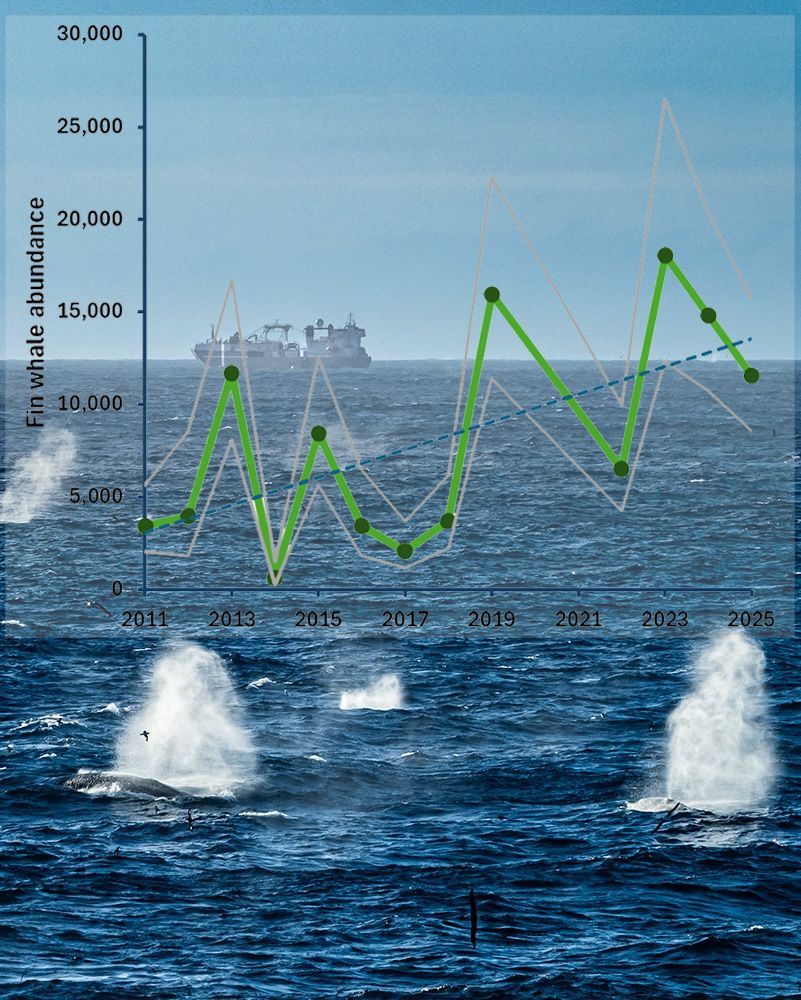
#Finwhales are steadily growing in number at South Orkney—an area that also hosts a key #krill fishery. Research shows they’re not food-limited, proving predator health & responsible fisheries can go hand-in-hand. https://t.co/wABkiMfw76
#CCAMLR#SustainableFishing#ARK
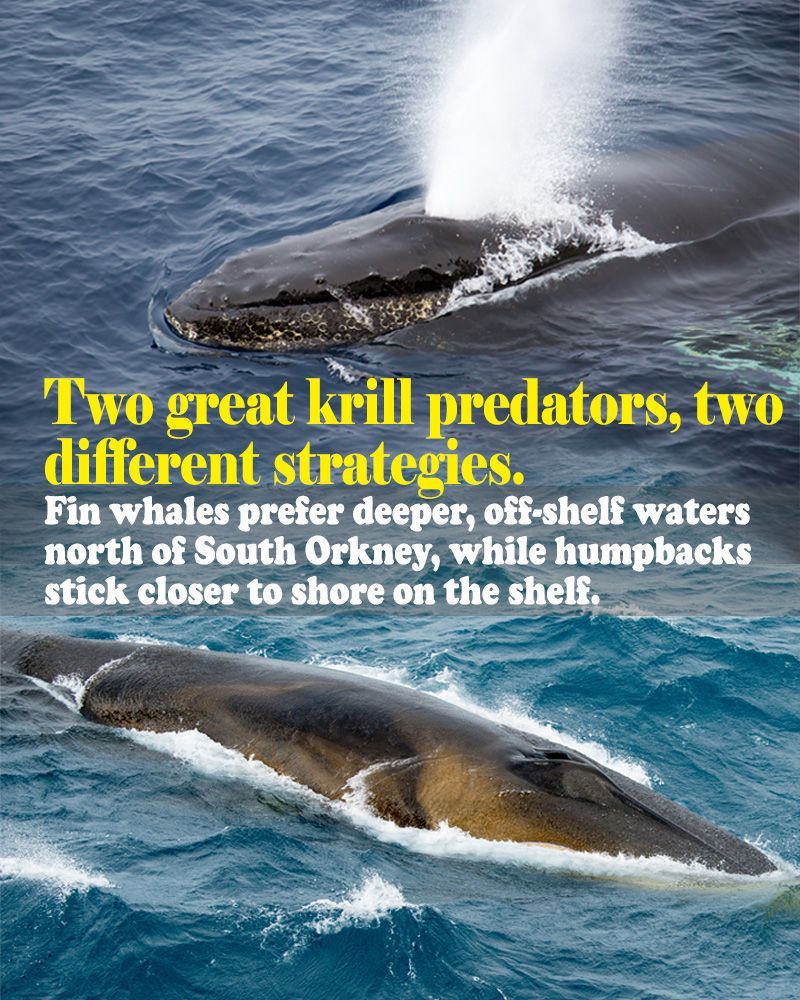
Two great krill predators, two different strategies. 🐋 #Finwhale prefer deeper, off-shelf waters north of South Orkney, while #HumpbackWhale stick closer to shore on the shelf. https://t.co/wABkiMfw76
#CCAMLR#SustainableFishing#Krill#ARK
Antarctic #Krill = life at scale.
Billions of tonnes of tiny crustaceans feed whales, penguins, seals – and even humans.
They are Earth’s most abundant wild animal, and carefully managed by #CCAMLR to keep the Southern Ocean thriving.
#WorldKrillDay#SustainableFishing#ARK
A marine scientist reviews Oceans with David Attenborough, examining the science behind MPAs, bottom trawling, and ocean sustainability. https://t.co/wOC45FCepl