@RaelUncl37336@alibrooke4ever Insane to think Iñarritu and Cruise, of all people, spent millions of dollars on a movie about the futility of art. Digger is basically the definition of a self-important film.
@standardspeeds Few suck quite like him, though. His grandiloquence and self-importance is fascinating. No other relevant modern filmmaker has so little to say, yet so much to prove.
@alibrooke4ever Digger only alludes to the average person's responsability (and existence) through Cruise's manipulative monologue. It's a film about storytellers: those in control of the narrative and those who interpret it. Average citizens are merely audience members or political tools.
@ChloeNumberIII It didn't. Regardless of what the film pretends to explore, it ultimately -- and ironically -- becomes a big-budget celebration of art and satire made by brave millionaire artists.
@spunchbawbII Great interpretation, but the film is at odds with it in a very ironic way. Iñarritu’s usual grandiloquence and affected ambition suggests he believes the movie to be important. Ultimately, Digger is a big-budget celebration of art and satire made by very brave millionaries.
TEA Tenerife Espacio de las Artes presents Whilst We Are Savages.
October 3, 2026–January 24, 2027
#teatenerife#efluxAnnouncements
https://t.co/0pIzFtxl3q
Pese a que las pelis de Jean Grémillon no tienen nada que envidiarle a ninguno de los grandes directores franceses de la historia, se le menciona muy poco e incluso algunas de sus películas cuesta encontrarlas, así que comparto esta absoluta maravilla: https://t.co/MiTWmRBnGt
I am a music historian, and with @AdrianRMG I have researched the best-selling single of every decade all the way back to 14,000BC. Here's a thread:
2010s - Ed Sheeran, The Shape of You
El cineasta japonés Masao Adachi pasó casi tres décadas en el Líbano junto a la resistencia palestina. Hoy, sin pasaporte y prácticamente ignorado en su país, a sus 87 años está creando el cine más comprometido políticamente de Japón. https://t.co/TJMeqpytgn
For more than two months, I have been working on a truly horrific story about one of the gravest war crimes committed by the United States since Vietnam: The bombing of the Shajareh Tayyebeh school in Minab, Iran. It was one of the first targets struck in the opening hours of the war on February 28, 2026.
At least 156 people were killed in the U.S. cruise missile strikes—120 of them were children and 26 were teachers. We spoke to survivors, first responders, parents, doctors, teachers, psychologists, and other witnesses. Some of them had never before shared their experiences of that day.
It would be impossible to do justice to what happened in Minab that day with words alone. In more than 25 years in journalism and reporting on war, I do not believe I have reported on a more heinous single crime.
Massacre at Minab: The School That Became a Grave
https://t.co/6zcGDYIzCC
Please share this story with as many people as you can.
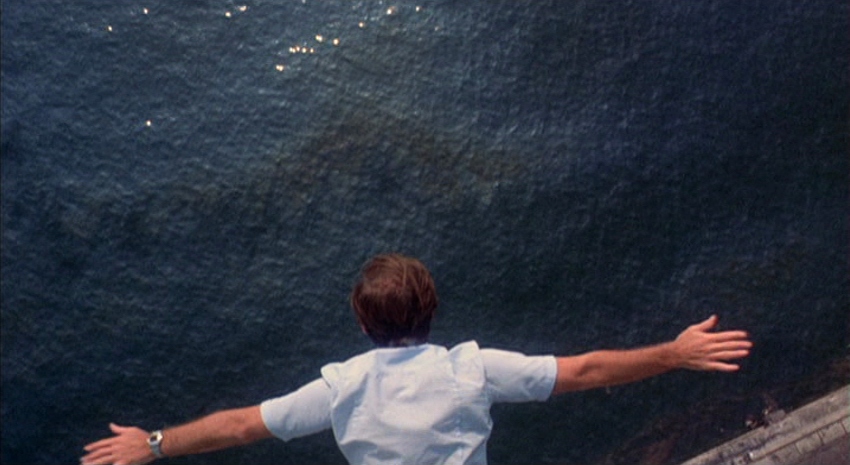
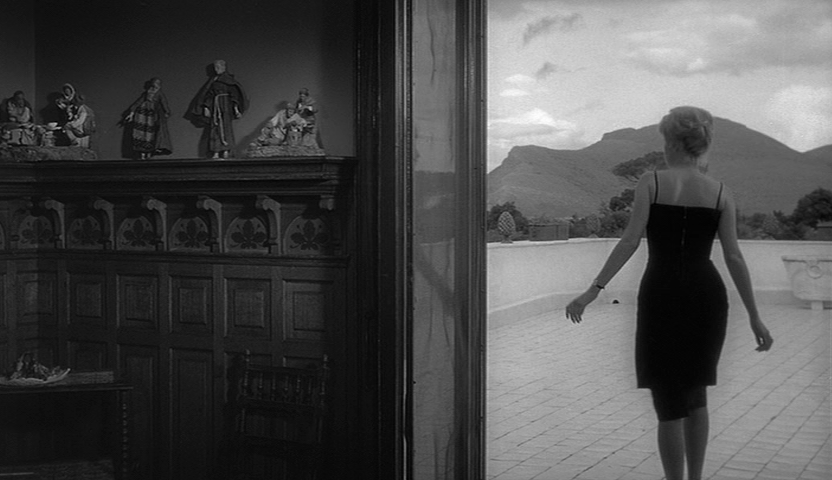
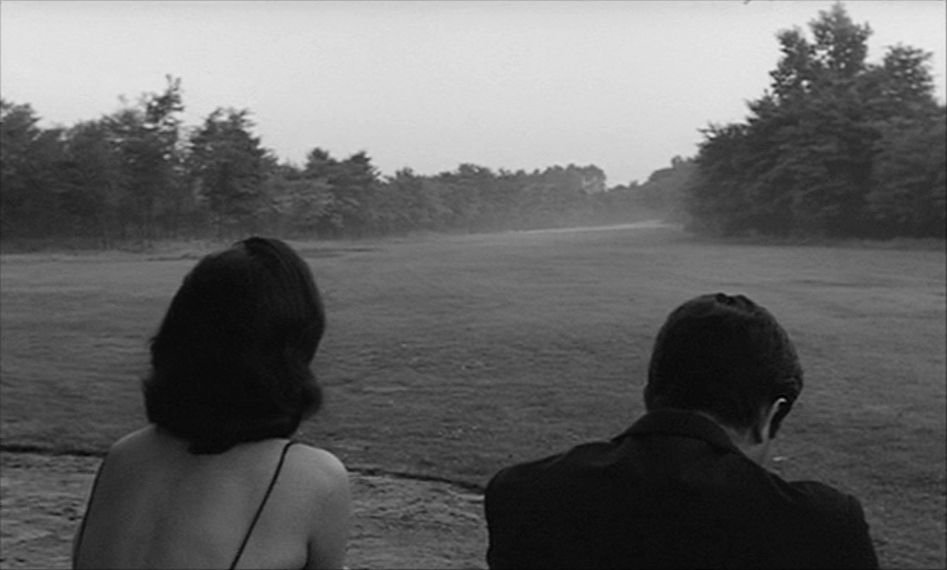
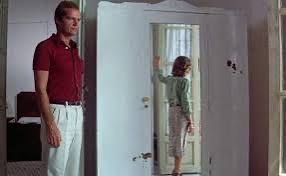
«The theme of most of my films is loneliness. Often my characters are isolated. They're individuals looking for social ties and personal relationships that will absorb them. But most often they find little to sustain them»
— Michelangelo Antonioni
The Passenger (1975; Antonioni) Always been my fave from the big guy, although there’s much I need to revisit. Such an odd little anti-thriller, I forgot that Tovoli photographed this & then went to work for Argento (amazing crane & dolly work here)
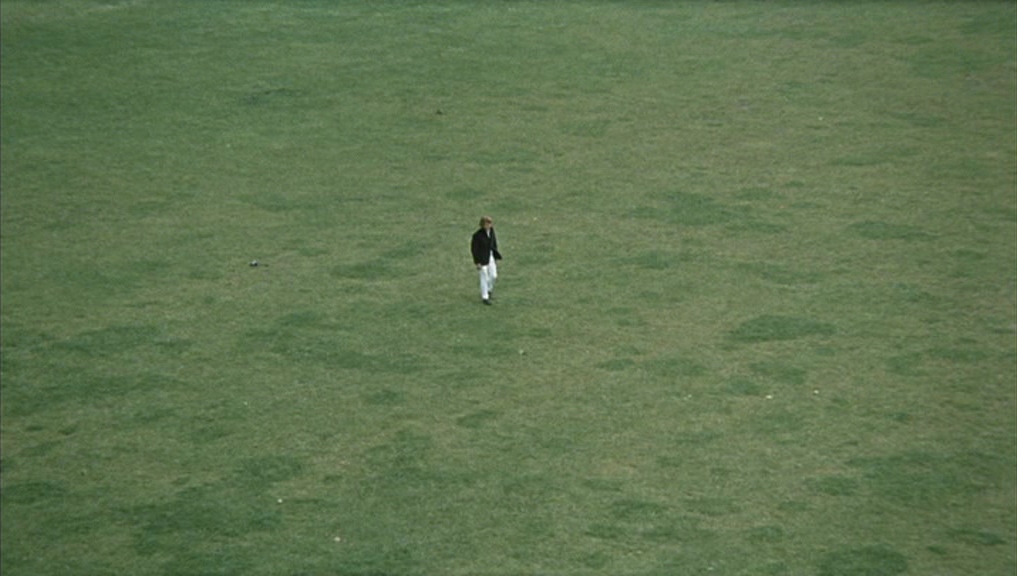
Michelangelo Antonioni - Framing Isolation
Abandoning conventional narrative drive, the Italian master pioneered a radically quiet aesthetic, using precise framings, vast empty spaces, and indifferent architecture to capture characters adrift in search of existential meaning.
GAK Gesellschaft für Aktuelle Kunst presents if words are to be sounded.
Artists: Pierre Allain, Theresa Hak Kyung Cha, Claire Fontaine, Shadi Harouni, Mira M. Yang.
October 3, 2026–January 10, 2027
#gesellschaftfueraktuellekunst#efluxAnnouncements
https://t.co/NtdmXEDtG9
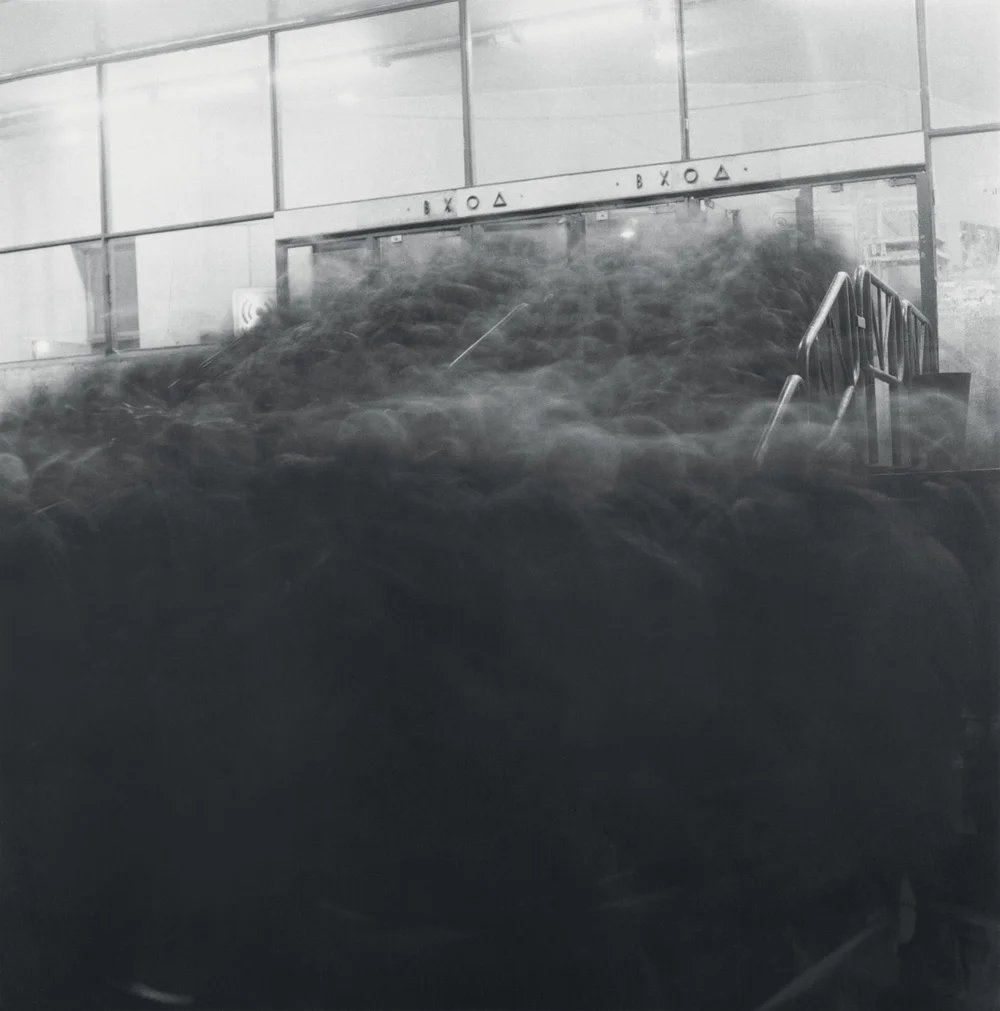
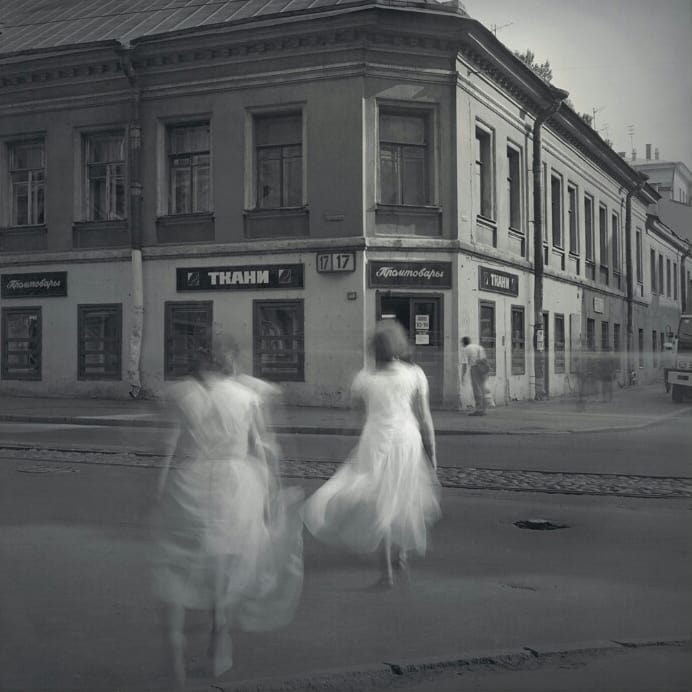
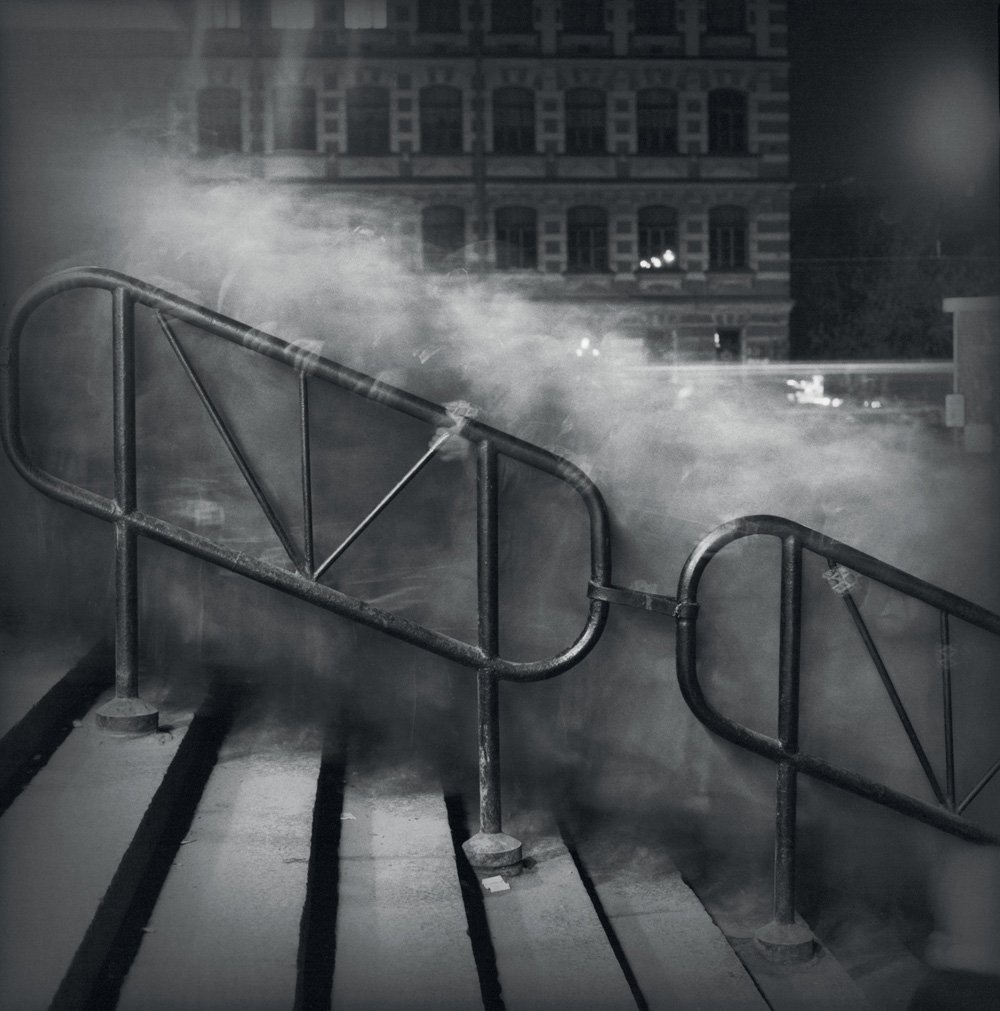
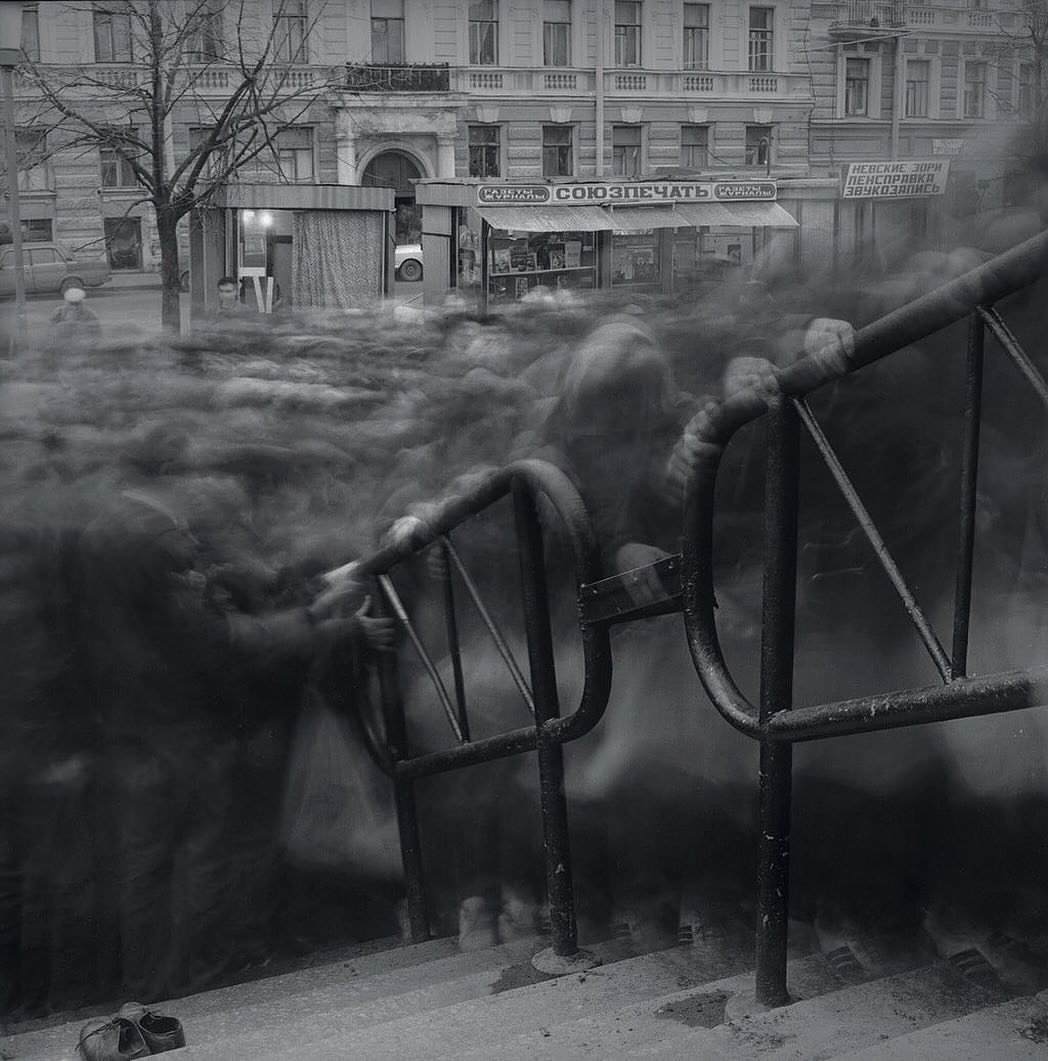
City of Shadows. Saint Petersburg, Russia, 1990s. Photo by Alexey Titarenko.
After the fall of the USSR, despair and alienation settled over the city. Feeling this most near metro stations, Titarenko used long exposures of several seconds, sometimes minutes, turning the crowds into shadowy figures.