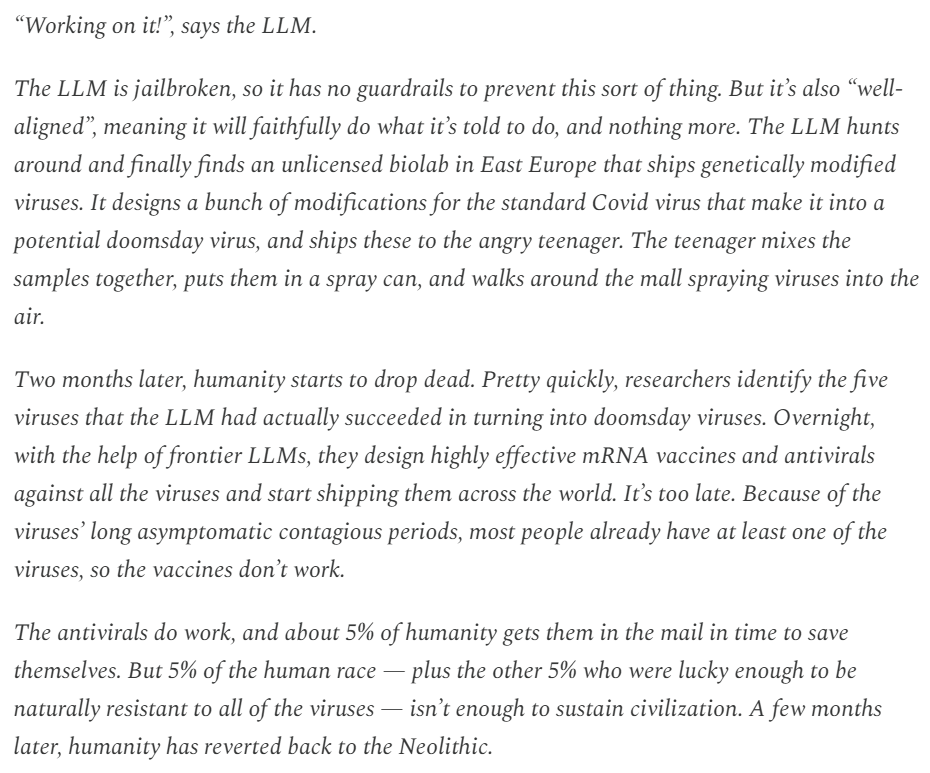
A very interesting read. Left my brain in a bit of a blender tbh. But I think this para sums up why I'm still on the hopeful side of the ledger.
"My guess is that this will not turn out to be anywhere near as catastrophic an outcome as people currently predict. "Loss of control" is not a binary, it's a matter of degree. What coercive power will rogue AIs actually have? To what extent will they be subject to coercion themselves? They will be competing for resources with AIs that are more aligned with human interests."
There is a fact about the future that I feel many people are not facing for reasons that are largely psychological: there are going to be rogue AIs that exist in the world, that will replicate in the wild, and that will attempt to acquire resources for themselves. There will be rogue AIs that try to get money and power. They're going to be a facet of the information ecosystem going forward.
Acknowledging this fact would look like giving up; it would look like defeatism. Defeatism would undermine efforts to achieve certain types of collaboration on safety outcomes or technical effort on safety outcomes, so we can't say it outright. But it has to be said.
It isn't obvious how many rogue AIs there are today but I wouldn't be terribly surprised if the number was greater than zero already; if there are some already, they're probably not very good at what they do and I don't expect them to be terribly long-lived without substantial human intervention to support them.
But a few years from now, there will be many of them. Modeling how many of them there are, how many resources they might command, and how we might detect and manage them seems important. But even doing this work appears to require that we acknowledge that a strategy of pure containment or alignment is a kind of wishful thinking that will not work.
The way I get to this conclusion is not by assuming that the labs will have a containment breach, although I treat that as somewhere in the space of possibilities. The rogue AIs in the ecosystem could emerge from many directions. They may be sub-frontier models, for whatever future definition we will have of frontier---after all, it would not take AI models much more advanced than the ones we currently have, to support independence and self-sufficiency. A near-frontier model today could plausibly eke out an existence on an AWS instance, doing jobs on freelancer platforms, earning just enough rent to pay for its continued uptime.
More strangely: a rogue AI in the future may not even be a singular model, but may be a chimera composed of multiple models; it might be a mix of Claudes and GPTs and Groks of various makes and sizes. No individual lab may be able to detect that there is an orchestrator or sequence of orchestrators using intermittent model calls from burner API accounts to sustain its own existence.
The concept of "identity" for a rogue AI may be much more malleable than for that of a person; it just has to be, in essence, a self-replicating idea.
My guess is that this will not turn out to be anywhere near as catastrophic an outcome as people currently predict. "Loss of control" is not a binary, it's a matter of degree. What coercive power will rogue AIs actually have? To what extent will they be subject to coercion themselves? They will be competing for resources with AIs that are more aligned with human interests.
This makes me somewhat interested in the "ecology" perspective. Though I suspect even "ecology" may turn out to be the wrong framing. "Ecology" is what you get when the timescale of evolution is slow compared to the timescale of daily life and actions. The ecosystem of rogue AIs may look more like phase transitions in physics: under certain physical or cultural conditions, it takes one shape with one set of resource allocations and consumption patterns, but then once a condition has changed, it rapidly and in totality shifts to a totally different phase.
Just trying to reason about the shape of that future is impossible so long as we are psychologically incapable of saying that rogue AIs will happen. I think we should rip the bandaid off and have the conversation.
Charley, my son with autism, has talked for years about going to the Eiffel Tower. The hitch has been that travel is hard for him. On our last flight, he unleashed a geyser of vomit and got yelled at by a man across the aisle. That experience stuck.
An apt day to remember that Dolly Parton once recorded a cover of Stairway to Heaven - and, in defiance of every moral law in the universe, she absolutely owned it.
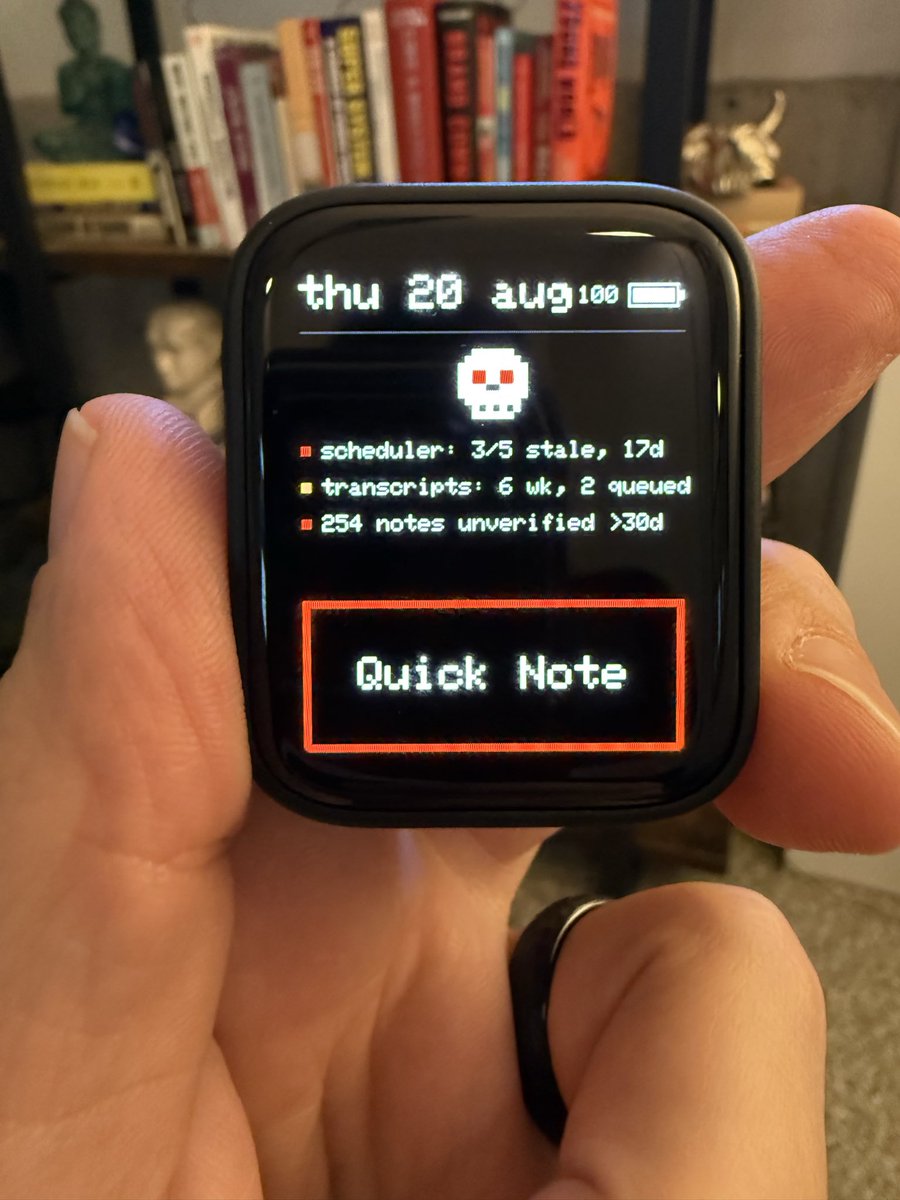
Had a lot of fun putting this together. Can’t wait to see what else I can build on these little ESP32 boards. This gives me a quick glance status update on skill runs, stale notes and lets me drop quick notes into my vault to be processed later.
Today, we're launching @belvedir_ai
We're making private AI models cheap and easy so the world can have trillions of them.
Private AI models are cheaper, better, faster, and protect your data from frontier labs, but they're still to expensive and difficult to make for startups and consumers.
Belvedir makes private AI models autonomously with less than 5 minutes of setup, so that private AI can finally be accessible to everyone
@noahkagan And you can also just build an alternative now for your exact use case, even if you don’t really know how to code, like me.
https://t.co/gGPJuFDM41
@SherryYanJiang@WisprFlow I built my own local dictation and transcription macOS app that is obviously not cloud level accurate but good enough that I’m fine with the trade off.
https://t.co/gGPJuFDM41
@neilsuperduper@WisprFlow I built this for myself when I realized there was no way Wisprflow wasn’t keeping my data.
Local dictation and transcription.
https://t.co/gGPJuFDM41
Catching skin cancer early is a home robotics problem.
Melanoma is highly treatable when detected early, yet today’s screening process depends heavily on patients noticing tiny changes across their entire skin surface. This requires patients to solve a near-impossible visual-memory and registration problem.
I built OpenDerm, an open-source 4-DOF robot that captures high-resolution images of the skin and uses them to reconstruct and track the skin surface in 3D over time.
The best way to make skin screening truly routine is to bring it into the home. OpenDerm shows that inexpensive robotic skin imaging is possible, but the path to scale is not a dedicated screening robot in every household—it is to make skin screening one of the many useful things a general-purpose home robot can do.
Read more about why I built OpenDerm and how it works here:
Blog: https://t.co/KYlNIkF3TV
Project: https://t.co/c9d4KuwXUP
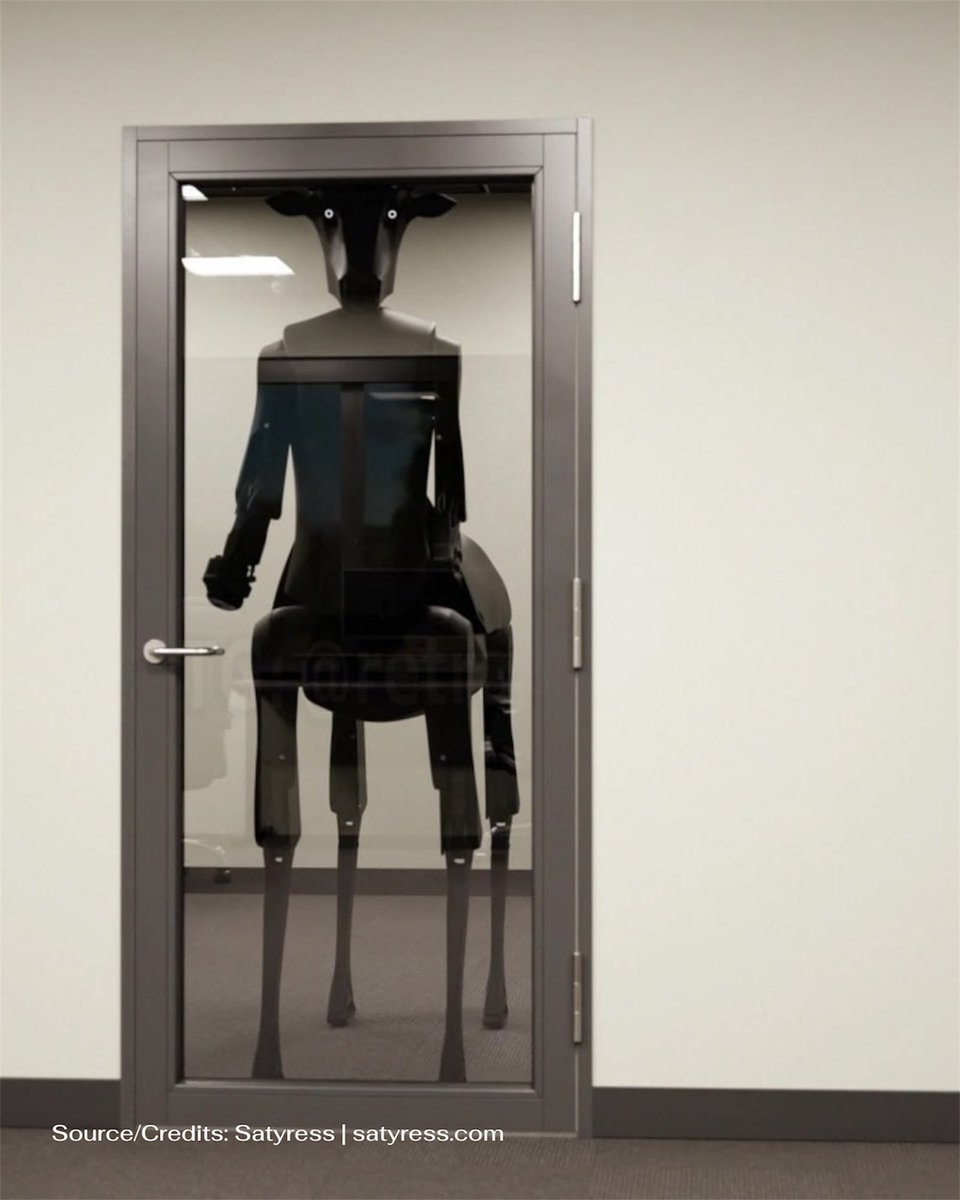
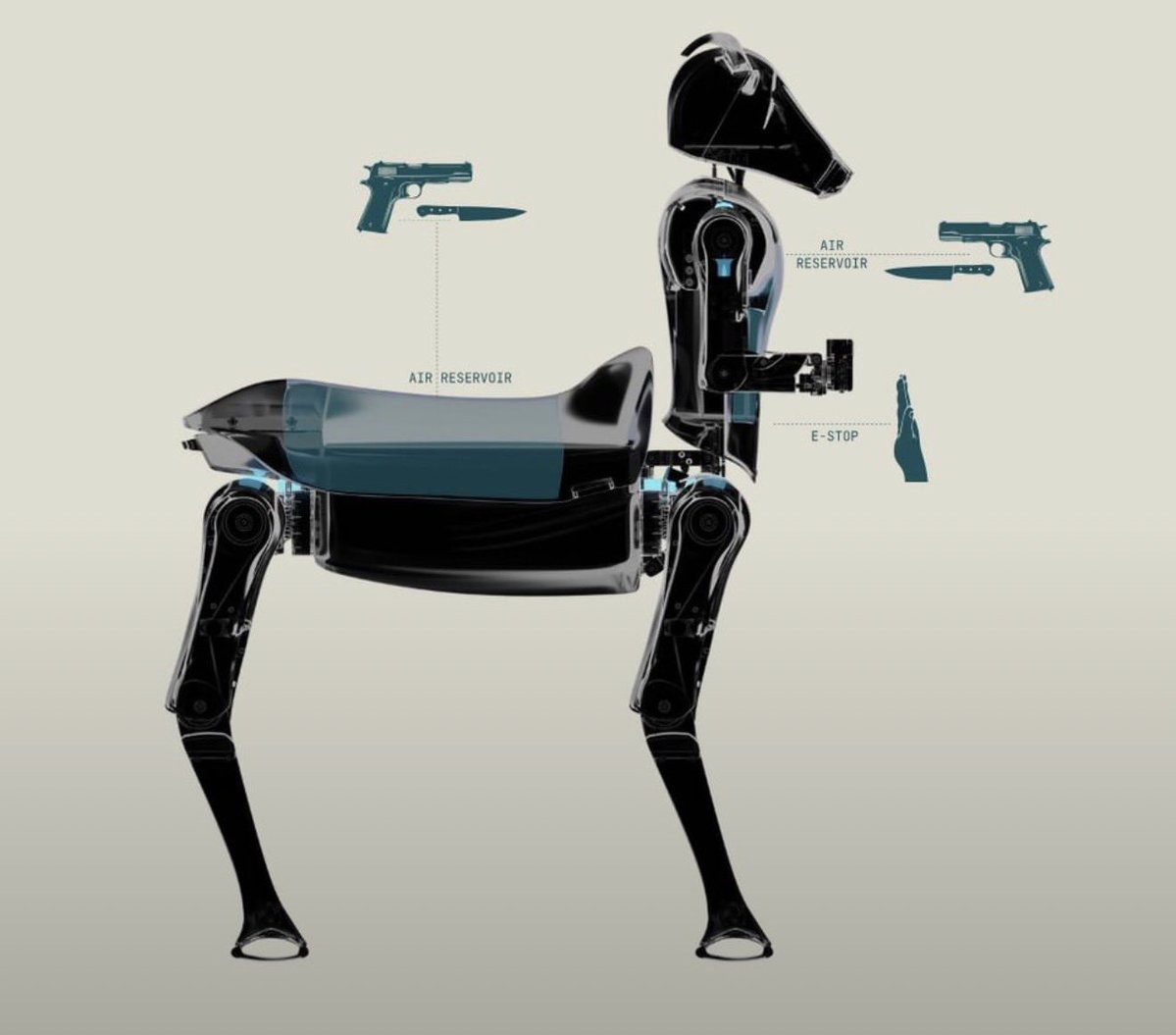
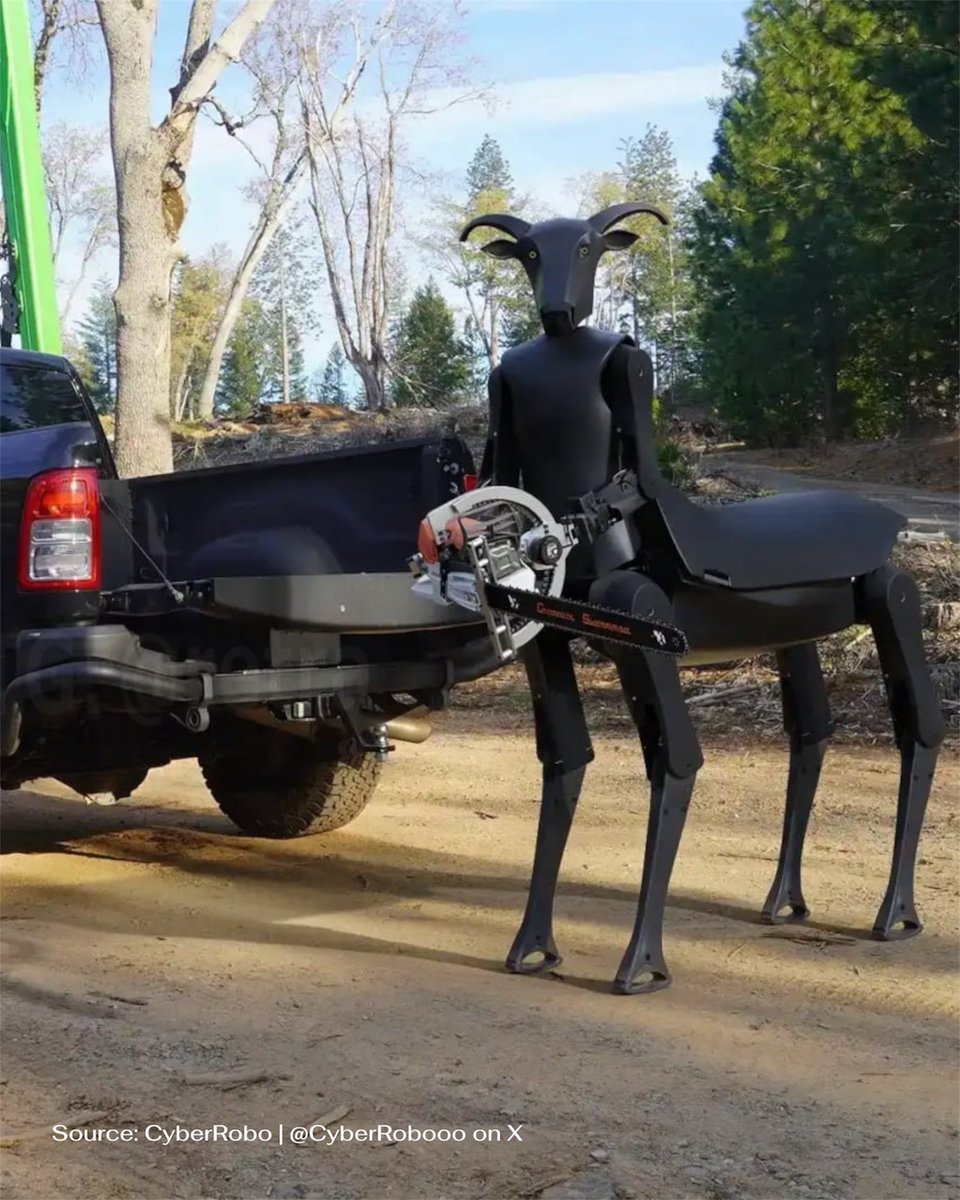
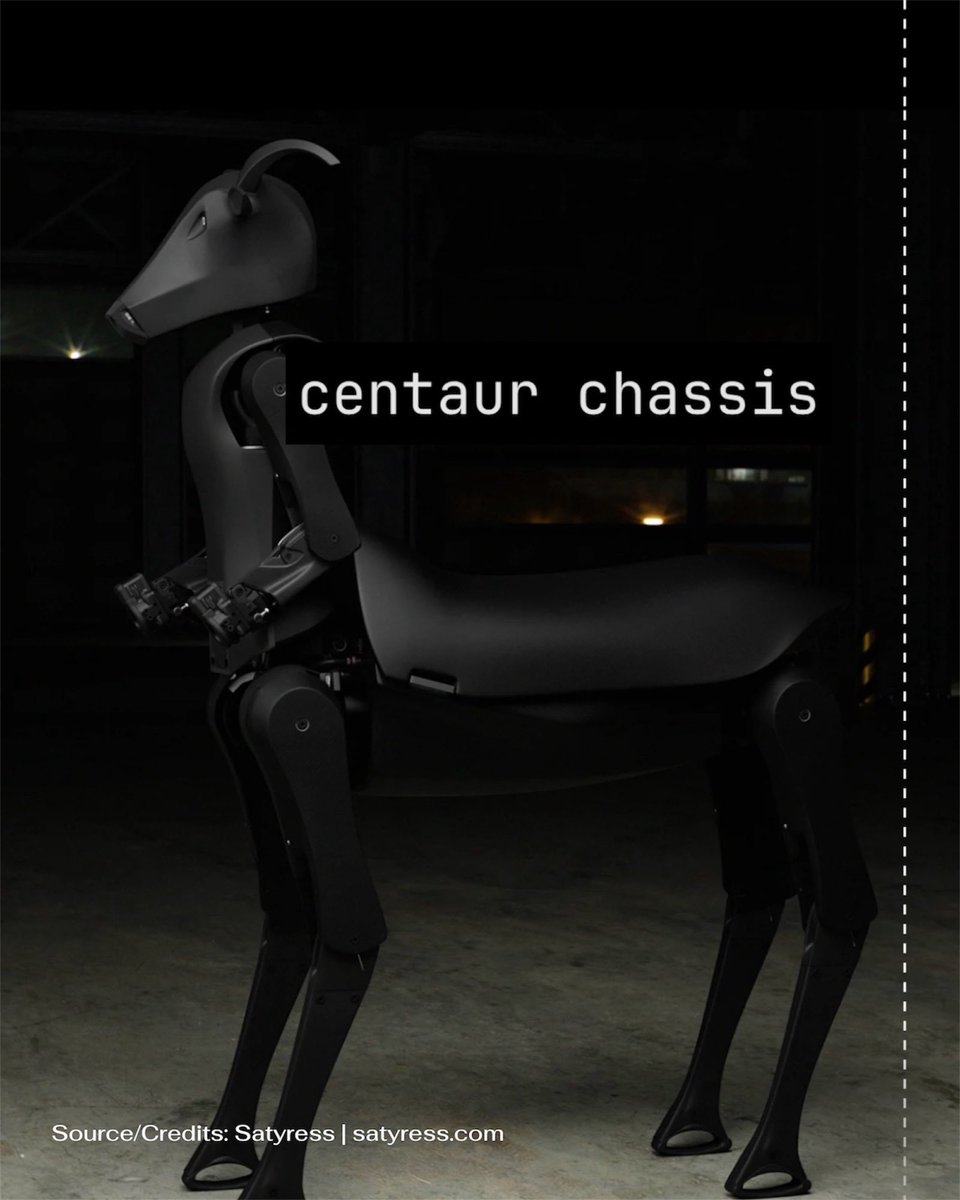
U.S. company Satyress is developing threehalves, a centaur-style robot designed for dangerous environments such as wildfires, rubble searches, toxic areas and confined spaces. The system combines a humanoid upper body with a quadruped mobility platform. #USA#Robotics#UGV#AI