It can be a kind of high-energy static containing confused fragments of truth. . . . The result is a sophisticated form of seeking justification by works" - @FredFredSanders p. 139 of https://t.co/IlbxFobzzM
"Without the trinitarian background operating at least subliminally for the teacher, pastoral speech can turn into a shambles, with bits and pieces of gospel truth jostling around but never hanging together. The resulting word salad may be quite spiritual, but it is formless.
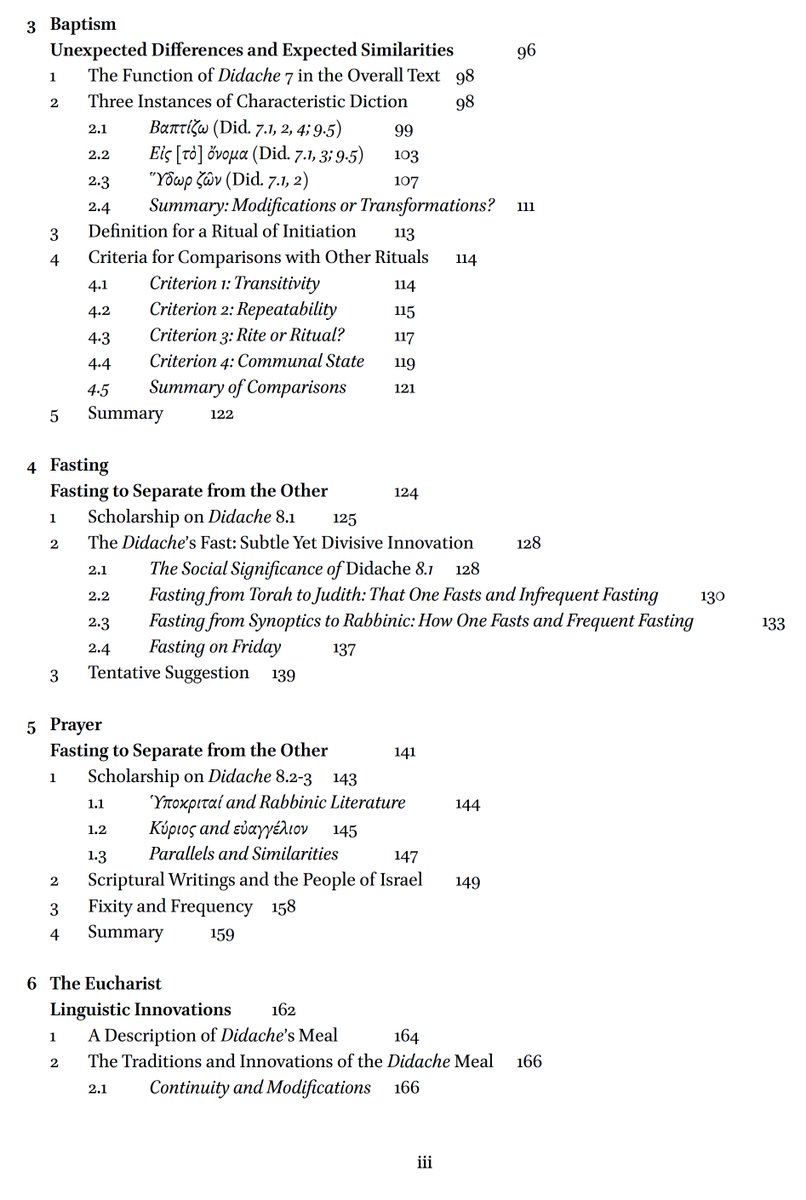
The rough estimate for the monograph is November this year! It's a significant piece of work for many areas, such as rituals, the Didache, early Christianity/Judaism, the essence of tradition/innovation, social identity, and beyond so I am glad that it will be available soon.
As mentioned earlier, my dissertation will be published as a monograph so it will be very technical. I was wondering if you think people would be interested in a simplified version that focuses more on how we understand liturgical/ritual practices.
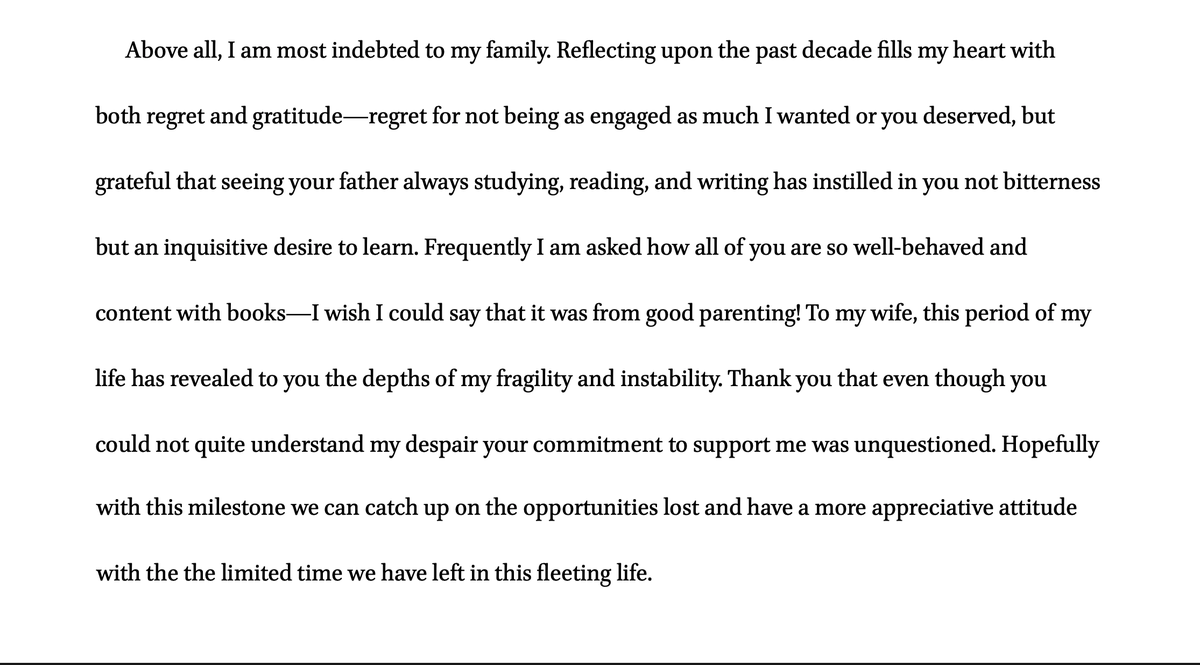
We moved to Canada partly for my doctoral studies over a decade ago!
Recently, de Gruyter Brill has accepted my dissertation to be published as a monograph in its Critical Approaches to Early Christianity series.
Resound has featured my book in their latest issue. You can find the link to the full interview here:
https://t.co/gKaE2OTudp
And here is the link to the book: https://t.co/70oFCRBjPd
So I wonder if these conversations would benefit from a simplified/popular version of this study. If you think so, then let me know and I'd love to hear any specific thoughts/questions that you'd hope this version would address.