There's a physicist at Stanford named Safi Bahcall who modeled this exact principle and the math is wild.
He calls it "phase transitions in human networks." When you're stationary, your probability of a lucky event is limited to your existing surface area: the people you already know, the places you already go, the ideas you've already been exposed to. Your opportunity window is fixed.
When you move, your collision rate with new nodes in a network increases nonlinearly. Double your movement (new conversations, new cities, new projects) and your probability of a serendipitous encounter doesn't double. It roughly quadruples. Because each new node connects you to their entire network, not just to them.
Richard Wiseman ran a 10-year study at the University of Hertfordshire tracking self-described "lucky" and "unlucky" people. The single biggest differentiator wasn't IQ, education, or family money. Lucky people scored significantly higher on one trait: openness to experience. They talked to strangers more, varied their routines more, and said yes to invitations at nearly twice the rate.
The "unlucky" group followed the same routes, ate at the same restaurants, and talked to the same 5 people. Their networks were closed loops. No new inputs, no new collisions.
Luck isn't random. Luck is surface area. And surface area is a function of movement.
The lobster emoji is doing more work than most people realize. Lobsters grow by shedding their shell when it gets too tight. The growth requires a period of total vulnerability. No protection, no armor, soft body exposed to the ocean.
That's the cost of movement nobody posts about. You have to be uncomfortable first. The new shell only hardens after you've already moved.
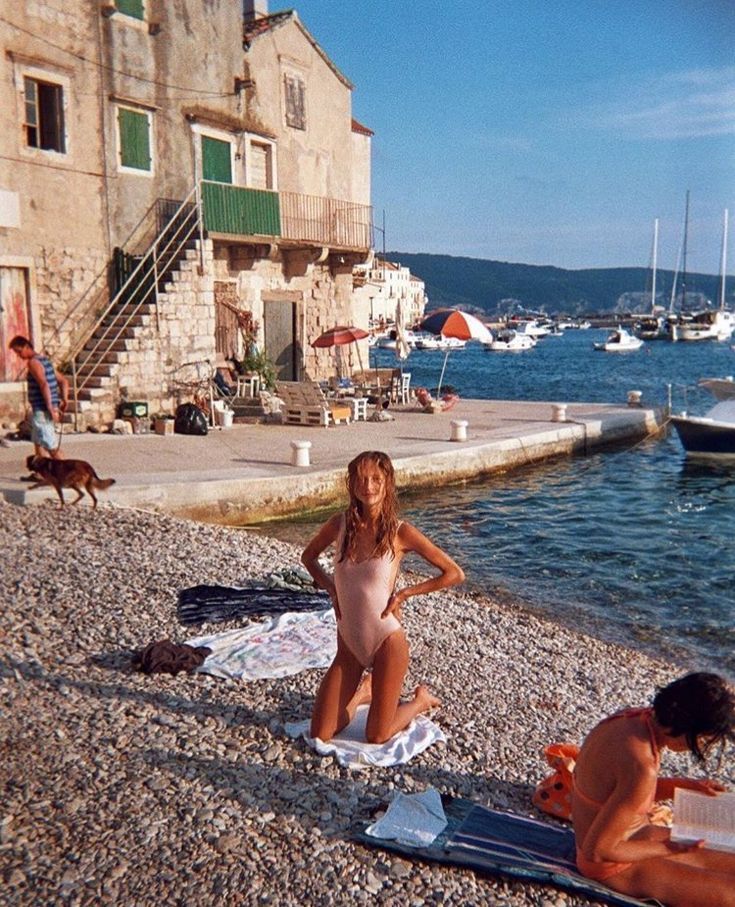
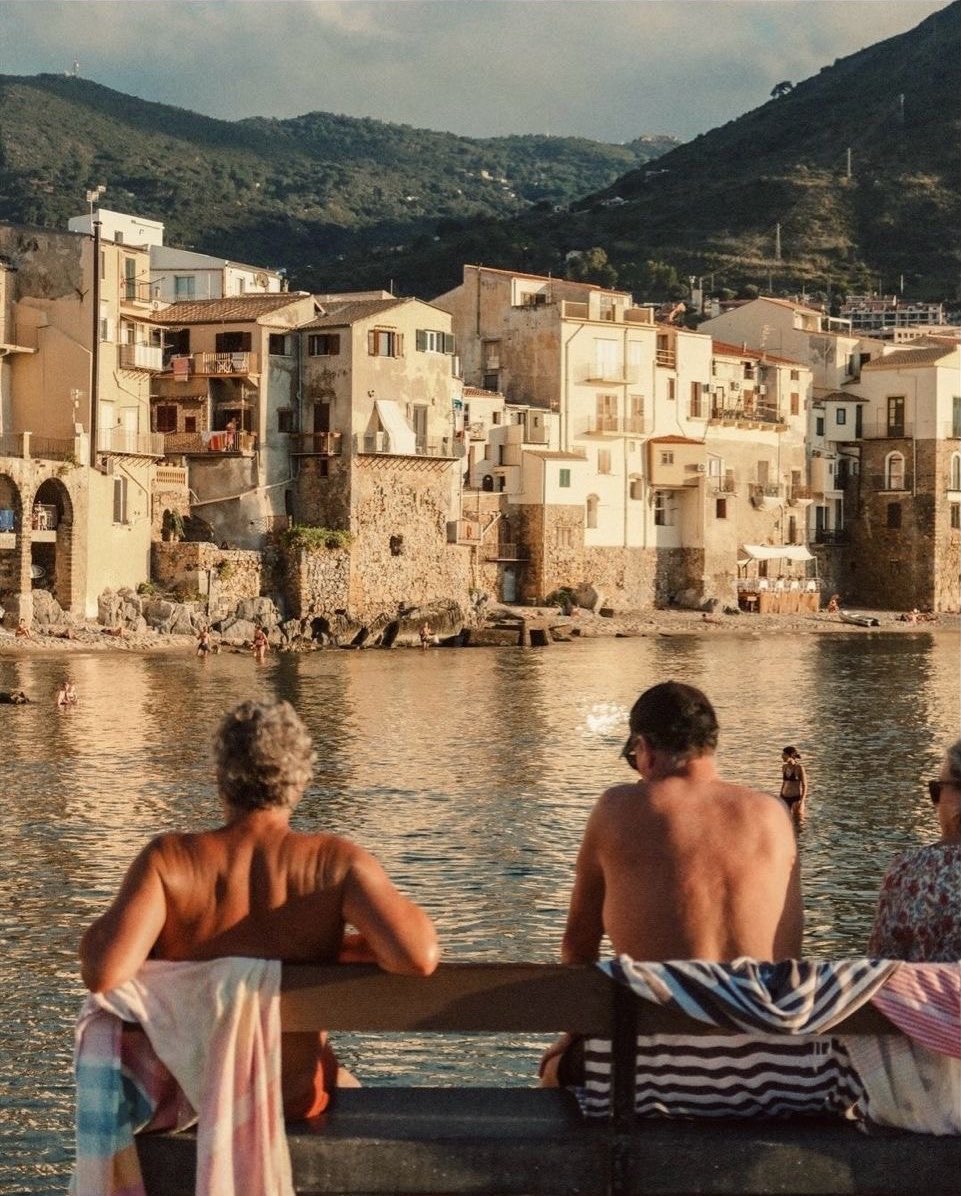
Eurosummer is fast approaching
> linen shirts
> cold watermelon
> midnight vespa rides
> church bells at golden hour
> wine from the grandmas vines
> fresh fish pulled straight from the sea
> sitting at the wooden table by the harbour for hours
La teoría de las ventanas rotas dice que si no arreglas lo pequeño (una ventana rota, un grafiti), el desorden crece y llega el crimen.
Ordena el entorno y ordenarás la conducta. Bukele lo ha entendido.
Un error es cuando conduzco y no cedo el paso en un paso de peatones, llego tarde a una cita, o me dejo la cartera en casa.
Crear ministerios de transición energética, planes de transición energética, fondos de transición energética, políticas de transición energética, publicidad institucional de transición energética, ZBE, y etcétera, no es un error; es corrupción.
El equipo de fútbol de mi hijo.
A principios de temporada, el entrenador seleccionó a los jugadores que más se esforzaban en los entrenamientos y mejor rendían en los partidos. El criterio era simple y claro: quien trabaja más y lo hace mejor, juega más. El equipo respondió: todos entrenaban con ganas porque sabían que el esfuerzo tenía recompensa. A mitad de temporada iban primeros de la tabla, con el ascenso al alcance de la mano.
Entonces llegaron las quejas. Varios padres, cuyos hijos jugaban poco, fueron al entrenador a reclamar. No argumentaron que sus hijos entrenaran más o lo hicieran mejor. Argumentaron que no era justo que unos jugaran más que otros. El entrenador, agotado por la presión, cedió: a partir de ese momento, todos jugarían los mismos minutos, independientemente del esfuerzo y del rendimiento.
El efecto fue inmediato. Los que más entrenaban se preguntaron para qué hacerlo. Los que menos, no sintieron ninguna razón para mejorar. Los mejores jugadores, desmotivados, empezaron a pensar en cambiar de club.
Terminamos la temporada en la mitad baja de la tabla. El ascenso, imposible y con altas probabilidades de descender.
Nadie ganó. Todos perdimos.
El problema no fue la desigualdad de minutos. Fue confundir igualdad de oportunidades, que ya existía, todos podían entrenar más, con igualdad de resultados, que destruyó los incentivos de todos.
Mi hijo no va a ganar esa liga y me ha pedido que le saque del equipo, pero ha entendido que es el socialismo y porqué España está en puestos de descenso.
Hay un apagón general, pero el Gobierno no tiene nada que ver.
Descarrilan trenes, pero el Gobierno no tiene nada que ver.
No hay viviendas, pero el Gobierno no tiene nada que ver.
El trabajo es precario, pero el Gobierno no tiene nada que ver.
Pagamos la mitad de lo que ganamos en impuestos que no ven compensado ese gasto en infraestructuras y servicios, pero el Gobierno no tiene nada que ver.
Convirtiéndonos a una velocidad de vértigo en tercer mundo.
Qué ganas de que existan gestores competentes. Que lleven la camiseta del color que quieran, pero que hagan de este potencial paraíso un lugar donde uno no viva temblando por qué va a ser lo siguiente.
LA CONTRADICCIÓN DE LOS ZURDOS
Lo que está pasando en las redes sociales es un ejemplo perfecto de la hipocresía progresista.
Veo en todos lados a venezolanos festejando la caída del dictador narcoterrorista Maduro pero también veo a todos los comunistas que viven en democracias occidentales (que son cada vez menos) llorando por el innegable fracaso de su ideología, que derivó en una dictadura asesina.
Los progresistas dicen amar la democracia, pero lloran cuando cae un dictador. Eso los pinta de cuerpo entero. Dicen defender al pueblo, pero odian verlo festejar su libertad (o lo que a ellos no les gusta).
Además, el ex-dictador Maduro, que ahora pasará el resto de sus días en una cárcel norteamericana por haber sido el jefe de una organización narcoterrorista que dejó al 90% de los venezolanos en la pobreza, obligando a 8 millones de personas a escapar de su país para no morir de hambre y que para mantenerse en el poder se robó las elecciones, secuestró a Nahuel Gallo, un ciudadano argentino, y lo tiene desaparecido desde entonces.
Pero claro, los cipayos somos nosotros, los que defendemos a los argentinos, los que defendemos a la libertad y a la democracia.
Pero eso se acabó. Basta. No toleramos más las psicopateadas de los que arruinaron no sólo a nuestro país, sino a toda la región, con ideas socialistas y prácticas políticas dignas del fascismo más rancio.
Venezuela celebra.
Venezuela es Libre.
La izquierda llora.
La Libertad Avanza.
VIVA LA LIBERTAD CARAJO 🇦🇷🤝🇻🇪
Hoy os voy a hablar de la paradoja de la post-escasez
Cuando tenía 10 años, mi hermano y yo conseguimos una Nintendo DS. Al principio solo teníamos un par de juegos: Metroid Prime Hunters (que venía con la consola, juegazo) y un remake de Mario 64. Como eran los únicos dos juegos que teníamos, los aprovechamos al máximo.
Por Navidad o por mi cumpleaños, podía pedir solo un (1) juego. Investigaba durante semanas: leía reseñas, comparaba opiniones en foros y veía gameplays. Si iba a tener únicamente un juego durante meses, más valía que fuera bueno. Todo ese proceso generaba anticipación y, incluso antes de tenerlo, ya estaba disfrutándolo. Cuando por fin lo conseguía, como era lo único a lo que podía jugar, lo exprimía hasta la última gota. Me lo pasaba pipa.
Un par de años después descubrí algo: la flashcard R4. Básicamente, era una tarjeta que permitía cargar juegos pirata en la consola. Como friki de 12 años, sin dinero y sin preocupaciones éticas, ahorré durante unos meses y me la compré. De repente tenía acceso inmediato a todos los juegos que quisiera, gratis.
Sin embargo, no fue tan satisfactorio como había imaginado. Ahora que podía conseguir cualquier juego al instante, descargaba uno, jugaba un rato y luego pasaba a otro. La escasez había desaparecido, pero con ella también la anticipación, el compromiso y, en gran medida, el disfrute. Era raro: objetivamente tenía más, pero subjetivamente sentía menos. Al final: dejé de jugar.
No creo que esta experiencia sea universal, pero sospecho que muchos reconoceréis la sensación (quizá los zoomers no). Los humanos tendemos a valorar más lo limitado, sobre todo si implica espera, esfuerzo o renuncia.
Desde un punto de vista evolutivo, esto tiene sentido. Y es que no podemos olvidar que somos monos. Nuestra especie ha evolucionado durante millones de años en entornos donde los recursos eran escasos e impredecibles. Como resultado, nuestro cerebro presta más atención, genera mayor anticipación y extrae más valor de aquello que no está siempre disponible.
De forma similar, la capacidad de retrasar la gratificación y de generar anticipación por recompensas futuras es parte del propósito de nuestro sistema dopaminérgico. Esto influye directamente en nuestra satisfacción y felicidad. La anticipación es un mecanismo donde el cerebro aumenta la señal de valor asociada a estímulos futuros. Es un mecanismo evolutivo: nos empuja a invertir energía, atención y esfuerzo en objetivos distantes en el tiempo que no están garantizados. Por eso, cuando hay anticipación, las cosas saben mejor.
Estos mecanismos siguen activos hoy y, de hecho, son explotados de forma consciente por empresas que crean escasez artificial para aumentar el valor percibido de sus productos: bolsos Birkin, skins en videojuegos, relojes de Rolex o los Labubu de POP MART.
Aquí es donde entra la era actual. La inteligencia artificial y la automatización nos acercan a un mundo donde muchos bienes, contenido, imágenes, textos, entretenimiento, incluso relaciones, pueden generarse de forma casi instantánea y en cantidades virtualmente infinitas. En cierto sentido, estamos entrando en una era de post-escasez.
Y, como me ocurrió con la R4, la abundancia tiene un efecto paradójico. Cuando cualquier cosa puede crearse al momento, tendemos a invertir menos atención en cada unidad individual. No porque sea peor, sino porque es reemplazable. Por ejemplo, yo no creo que los ensayos generados por modelos de IA como Claude Opus sean malos; de hecho, probablemente son mejores que los que escribe la mayoría de personas. Sin embargo, me cuesta valorarlos. Solo necesito un click para generarlos. Esto a su vez, hace que valore también menos lo que escriben otros humanos. Y así no solo con los ensayos, sino con todo lo demás.
Esta es la paradoja de la post-escasez: al crear un mundo donde todo está disponible, corremos el riesgo de crear un mundo donde la propia abundancia genera un tipo extraño de pobreza, no de recursos ni de experiencias, sino de significado y satisfacción.
La cuestión ahora no es sobre si debemos frenar la abundancia, eso es estúpido, imposible e indeseable, sino sobre cómo vamos a aprender a vivir con ella. Si el entorno ya no nos impone límites, quizá tengamos que empezar a imponérnoslos nosotros: elegir con más intención, reducir opciones, comprometer más tiempo con menos cosas.
En un futuro infinito, lo verdaderamente escaso no van a ser los recursos, sino la atención y la capacidad de valorar algo el tiempo suficiente como para que nos importe.
Today I turn 55.
I’m the fittest, sharpest, and happiest I’ve ever been.
If I’m an outlier, it’s not because I’m built different or discovered a secret formula. The truth is far less glamorous:
It’s a million tiny choices, compounded over decades.
Here are 55 of them:
1. Walk 15+ miles a week, even if you do other exercise. Humans are uniquely made to move slowly over long distances—it’s critical to longevity.
2. Develop a writing practice. It’s the single best way to sharpen your mind. And remember, you don’t have to be a good writer to write. Start with 10 minutes a day.
3. Swap out your toothpaste, deodorant, lotions, soap, shampoo, and other personal care products for natural versions. Here’s a rule of thumb: Don’t put anything on your skin that you couldn’t safely eat.
4. If you have a positive thought about someone, don���t keep it to yourself—share it immediately. Encouragement defies the laws of physics: When you give energy, you also receive it.
5. Wear shoes with a wide forefoot (I like Topo Athletic) and wear toe spreaders around the house (search “yoga toes” on Amazon). Spine health begins with the feet.
6. Get sunlight regularly. Moderate sun exposure (without sunscreen) is hugely important for overall health.
7. Do a 3-minute deep (“ass to grass”) squat every morning. Deep squats are often called the anti-aging exercise. It’s been said that, “It’s not that you can’t do deep squats because you’re old, it’s that you’re old because you can’t do deep squats.”
8. Explore minimalism (it’s not what you think it is).
9. Set boundaries on toxic relationships. We tend to cling to relationships past their expiration date, and it takes a bigger toll on our health than we recognize.
10. Eat real food. Not too much. Don’t eat garbage. Binge occasionally. Fast occasionally. That’s the diet.
11. Learn about FIRE. It’s a great framework for financial success.
12. Don’t take antibiotics except in emergency situations. They’re massively over-prescribed and aren’t needed in most cases. Antibiotics have done untold damage to our guts, which is where health begins. Great natural alternatives are out there.
13. Get 8 hours of quality sleep each night. To optimize sleep:
—Don’t eat after 6pm
—Get blackout shades and cover LEDs with black tape
—No screens 2 hours before bed
—Try ashwagandha (an herb) to calm the nervous system
14. Stop drinking, even in moderation. People find all sorts of ways to justify drinking, but there’s no escaping the simple fact that alcohol is a toxin and it limits your potential.
15. Travel as much as possible. Nothing expands the mind like seeing the world. And travel doesn’t have to be expensive—the best experiences happen outside of fancy resorts, when you live like a local.
16. Let go of resentment. When you forgive someone, you release the prisoner, and the prisoner isn’t them��� it’s you.
17. Show up on time, every time. Poor time management limits success more than most people realize. If you struggle with punctuality, stop everything else and fix that first.
18. Spend lots of time in nature and touch the earth. Humans evolved over 300k years to live in harmony with nature, and only recently have we retreated indoors. If you don’t spend time outside, you’re fighting biology (hint: You won’t win.)
19. Stop doing dumb things. As Leo Tolstoy said, “People try to do all sorts of clever and difficult things to improve life instead of doing the simplest, easiest thing—refusing to participate in activities that make life bad.”
20. Find your happy place and (eventually) move there. Most people live where they live because... that's where they live. We are products of our environment—choose yours carefully.
21. Find a hobby and pursue mastery. You can’t have a happy life without a passionate pursuit that isn’t your vocation. Your work—even if you enjoy it—isn’t enough.
22. Avoid mainstream medicine except as a last resort. The results are in—our healthcare (or more appropriately, sick care) system is badly broken and only makes people sicker.
23. Have a mindset of abundance. There is no advantage to being a pessimist—even if you’re right, it’s a miserable way to live. In a very real way… whatever you believe, you’re right!
24. Do hard things. Choose courage over comfort. Everything you want is on the other side of fear and hard work. As Jerzy Gregorik said, “Hard choices, easy life. Easy choices, hard life.”
25. Ignore haters. Hurt people hurt people. Negative/toxic people live in a prison of their own design. Don’t join them!
26. Say no. Protect your time and energy like it’s your most precious asset… because it is.
27. Become a water snob. As an alien said on Star Trek, humans are “ugly bags of mostly water.” You are what you drink—literally! We have Mountain Valley Spring water delivered in glass 5-gallon jugs and also have whole-house water filter (Aquasana Rhino).
28. Stop drinking sodas and sugary energy drinks. After a few weeks you won’t miss them, and a few months later they’ll seem disgusting. Refined sugar causes inflammation, which is the root of most disease.
29. If you’re over 35, find a good functional/longevity medicine doctor and start tracking your hormones. Modern life is hell on the endocrine system and restoring healthy hormone levels can change your life. As we get older, we either accept a slow decline in performance or we do something about it—choose the latter!
30. Develop a morning routine and follow it faithfully. Win the morning, win the day!
31. Invest in experiences, not things. People frequently regret buying things, but rarely regret investing in great experiences (especially when shared with loved ones). Remember, there’s nothing you can buy in a mall that you’ll remember in ten years.
32. Explore spirituality. It’s arrogant and small-minded to believe there’s nothing going on in our universe that is beyond our comprehension. We know less about our universe than an ant meandering on a sidewalk understands about this planet.
33. Have a strong bias toward action—doing rather than talking. If you ask a bunch of old people about their regrets, they’ll talk about the things they *didn't* do—the shots they didn’t take—more than the things they did do (even if it went wrong). As Wayne Gretzky famously said, “You miss 100% of the shots you don’t take.” Most people don’t take enough shots.
34. Stay lean. Men in particular are obsessed with muscle mass these days, but bulk doesn’t age well. The goal is to be strong but lean. The fittest guys in their 50s and beyond aren’t meatheads, they’re lean guys who are serious about a sport.
35. Curate your inner circle carefully. Surround yourself with people you admire and who challenge you to grow. Remember, we’re the average of our 5 closest relationships.
36. Be the fittest version of yourself. Your body is your only vessel for experiencing life—so treat it as such. Fitness isn’t working out a few times a week, it’s a lifestyle. The older you get, the more time you need to devote to your health.
37. Take the time to appreciate art and beauty in all its forms.
38. Think globally, but act locally. Too many people put their energy into far-away problems they don’t understand and can’t impact, while ignoring problems right under their nose. Want to change the world? Start at home.
39. Try psychedelics. It’s one of those things everyone should do at least once, and it might be the breakthrough you’ve been looking for.
40. Limit bad habits, including unhealthy thought patterns. We all have them—practice avoidance and find substitutes. Get professional help if needed.
41. Be a lifelong learner. Your brain is just like a muscle—if you don’t feed and flex it regularly, it will atrophy.
42. Find your purpose. People with a strong sense of purpose are happier and live longer. Lack of purpose sucks energy and magnifies depression.
43. Only take advice from people who embody the traits you want to have. Talk is cheap—emulate those who have DONE it.
44. The goal is not to retire and do nothing, it’s to build a great day-to-day life that you don’t need to escape. A life of leisure is a slow death. Happiness isn’t possible without a little struggle, uncertainty, and skin in the game.
45. Have fun! Do frivolous and silly things that make you smile. As George Bernard Shaw famously said, “We don't stop playing because we grow old; we grow old because we stop playing.”
46. Whatever you want to do or achieve in life, start NOW. Don’t fall victim to “someday thinking” because someday never comes.
47. Accumulate assets—things that grow in value over time. It’s the #1 habit of rich people, and it can be done in tiny chunks. Instead of spending $100 on an impulse purchase that has no lasting value, put that money into an index fund or Bitcoin. It becomes addictive (in a good way).
48. Don’t ignore the big 3 canaries in the coal mine for health:
—Low libido (and ED)
—Frequent sinus & respiratory issues
—Depression
These usually aren’t medical conditions in themselves, they’re symptoms of an underlying problem. Find a good doc (outside of the mainstream) and figure out the root cause.
49. Have a clear vision for your future. How can you decide which direction to go if you haven’t clearly defined the destination? It sounds obvious, but 95% of people haven’t defined their “Ideal End State” in detail and in writing. (Check out my thread on this topic.)
50. Make your own decisions. We live in an era where most of what society tells us is wrong. Don’t be afraid to break from societal norms—if people say you’re crazy, it’s a sign that you’re doing something right.
51. Get hardcore about mobility exercise. As you age, it’s usually the knees, hips, and lower back that limit physical performance. 30 min a couple times a week can spare you a lifetime of pain. YouTube is a great resource.
52. Go all in on family. Get married, stay married, have kids. Burn the boats. In the end, family is all that matters.
53. Be ruthless with your time. Money comes and goes. Time only goes. Audit your calendar ruthlessly—cut the trivial, double down on the meaningful, and spend your hours like your life depends on it. (Because it does.)
54. Have a strong bias toward action. Be curious, try things, meet people—it’s how you increase your surface area for serendipity, the most powerful unseen force in our lives.
55. Reinvent yourself every decade. Over time, we slowly drift off course from our priorities, values, and true identity. Take stock and don’t be afraid to hit the reset button. Bold, calculated moves made for the right reasons almost always pay off—usually even more than you can imagine.
���� P.S. If you enjoyed this post, would you give me a birthday gift? Repost or comment with the item number(s) you liked best?
🔴 URGENTE | Don Marcos Llorente critica el problema de la inseguridad en España causado por la inmigración ilegal masiva:
"Antes gastaba en relojes, pero como ahora no te los puedes poner por la calle, pues con el vino no pueden cascarme una colleja y quitármelo".