This activity is where students will respond to a book using loose parts. Play is very important for young children so this would be great for kindergarten or Grade 1. Glue and markers can be put out as well and it can be an art lesson, making loose parts art. @PJLanguageArts
After reading “We’re Going on a Bear Hunt” and doing a lesson on it. As a follow up activity, adding this invitation to play in a literacy centre would be great for students to recall events from the book and act out the story independently or in small groups. @PJLanguageArts
This is a fun game called Stack the Cups With a Plan! It can be used with synonyms or just matching vocabulary to pictures! Students are given cups with pictures and a card with an example of how the cups should be stacked using the words, instead of the pictures.@PJLanguageArts
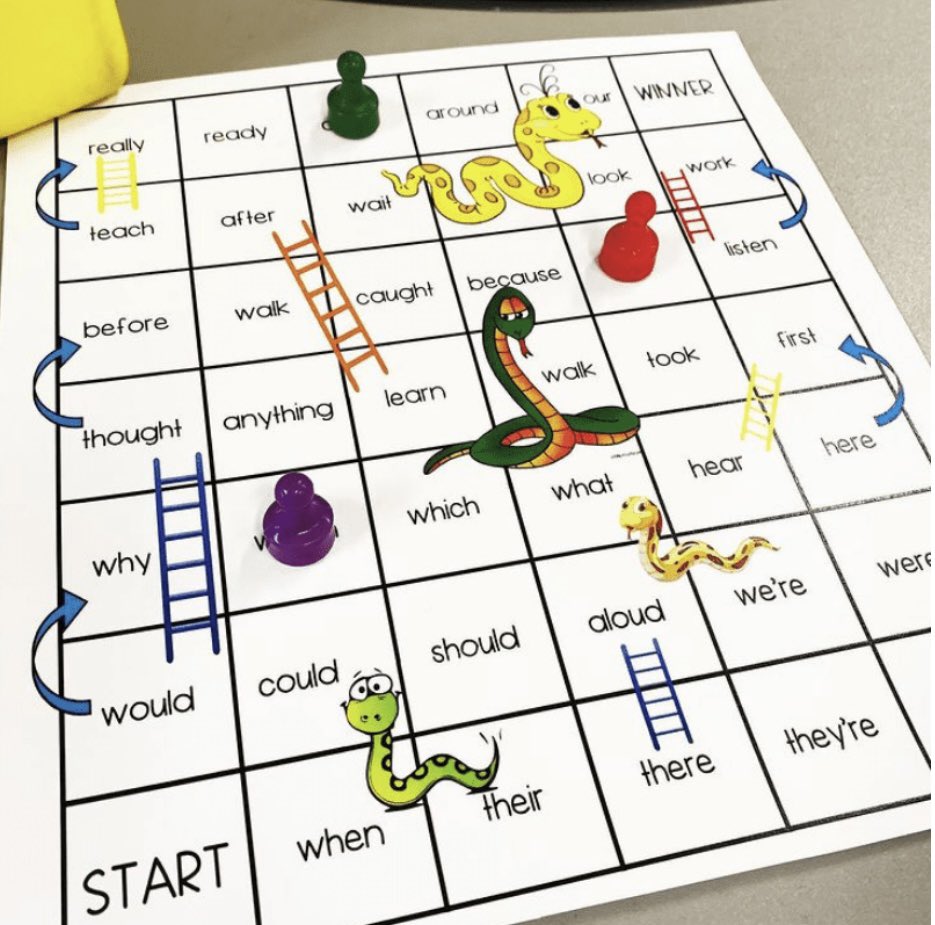
This is a fun literacy way to play a classic game of snakes and ladders. Students will play and whatever words they land on they will read and say the word out loud. @PJLanguageArts
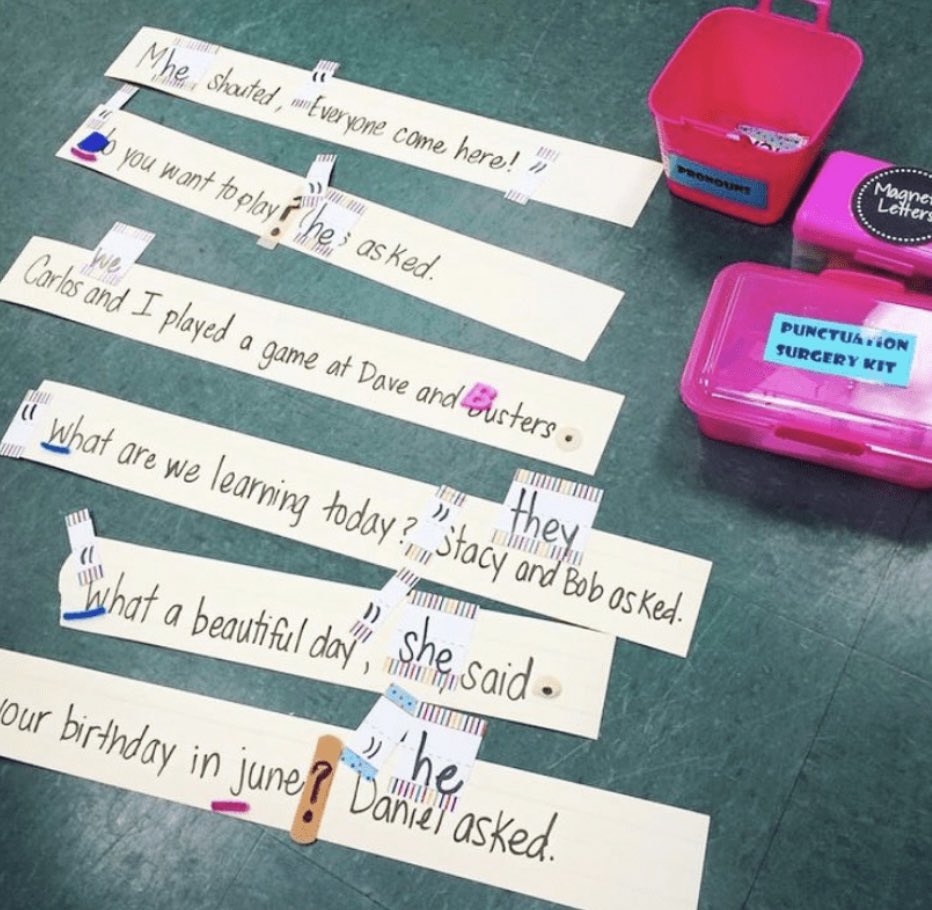
Punctuation surgery kit! This activity is for students to fix punctuation in sentences. Students are given sentences, a basket of pronouns, a basket of letters, and the kit that includes periods, question marks and other punctuation. They will fix the sentences. @PJLanguageArts
This resource is helpful for students. It has literacy activities for kindergarten to Grade 12. There are tons of activities for students to do from grammar, editing, phonics, writing and many other literacy related topics! @PJLanguageArts https://t.co/3cL9iEuScw
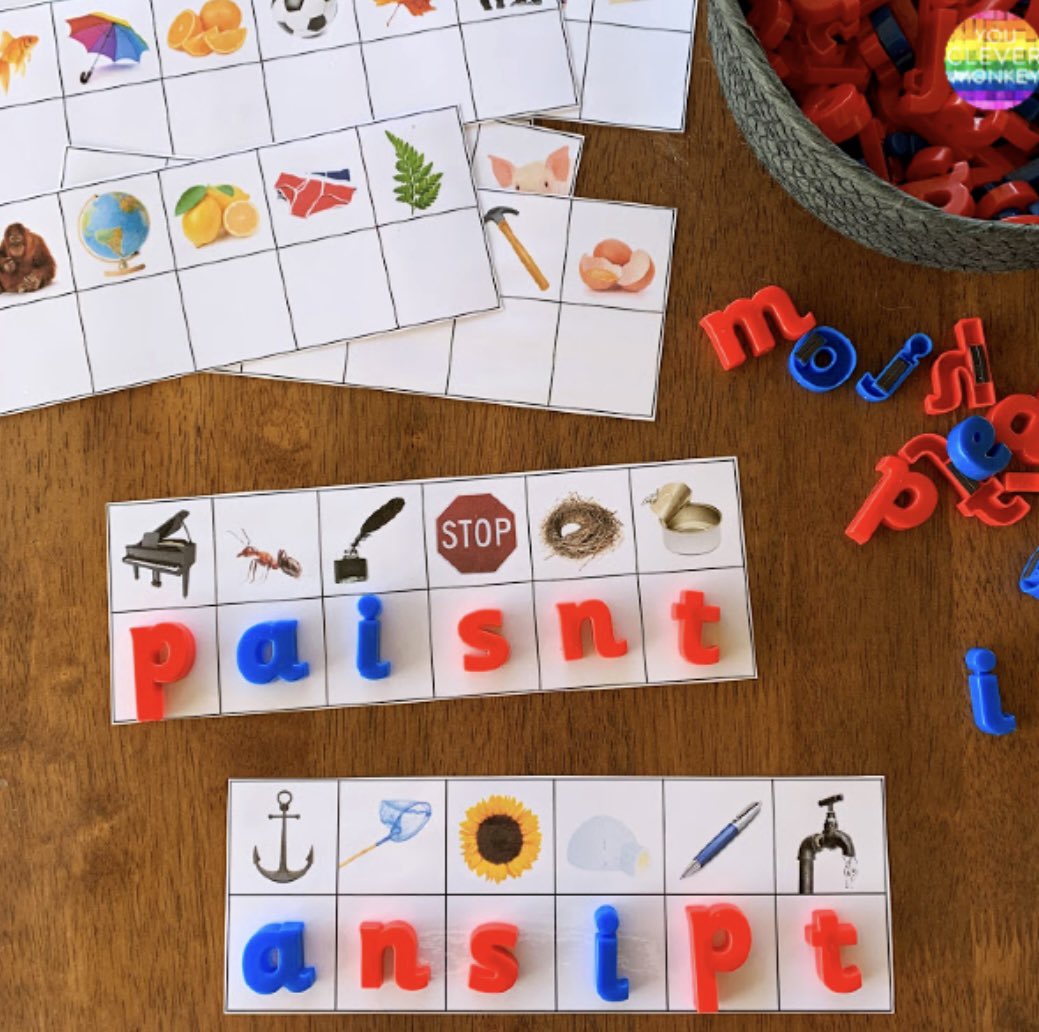
This activity is for young students, it would be great for literacy centres! It is to help children practice phonemes or letter sounds. Students will put the first letter and sound in the box of the picture above. @PJLanguageArts
This is a free resource for students, parents, teachers and administrators. It includes articles on teaching reading, classroom strategies, tips for parents and other ways to help children. This resource is to help create confident readers.@PJLanguageArts https://t.co/VA8w3zWlpv
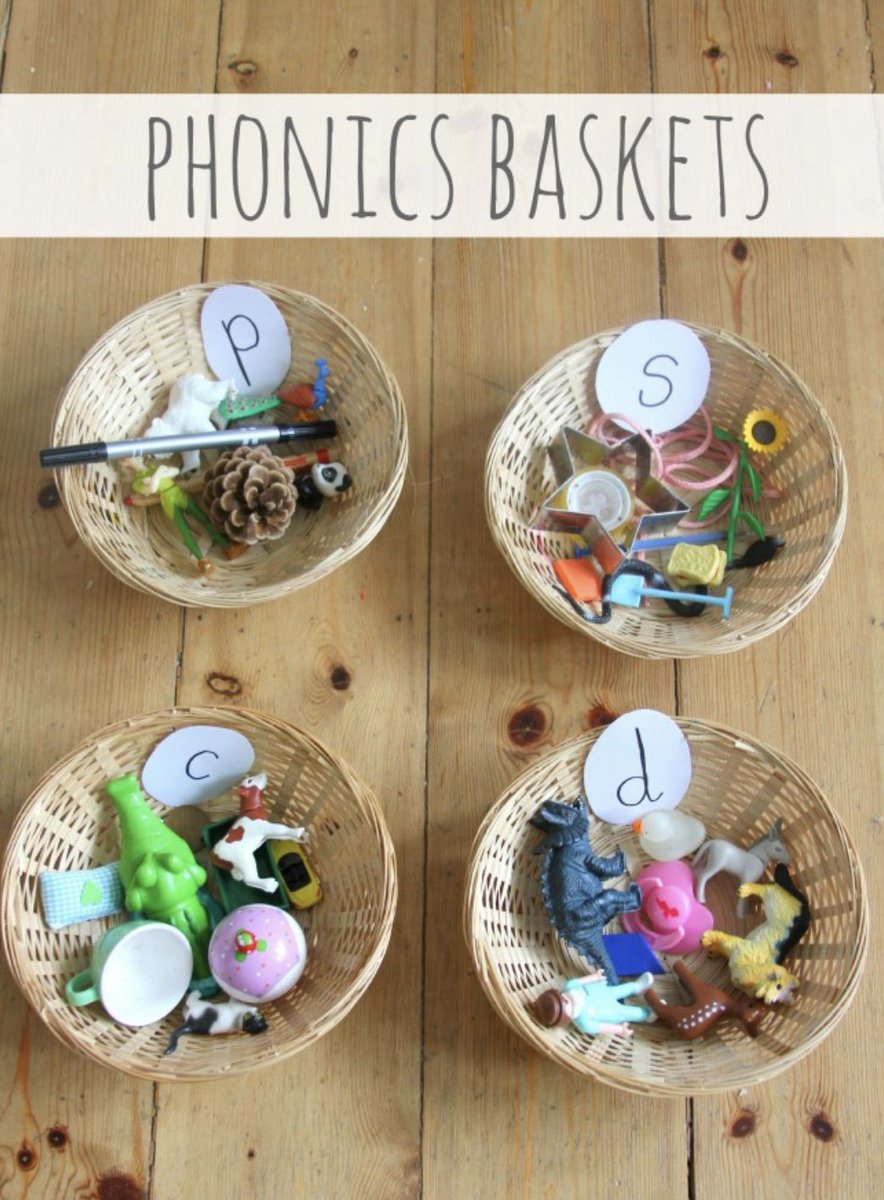
This activity is for students to learn their phonemes and their corresponding graphemes. Students will get baskets with different letters then a bunch of objects. They will put the objects in the corresponding letter basket. @PJLanguageArts
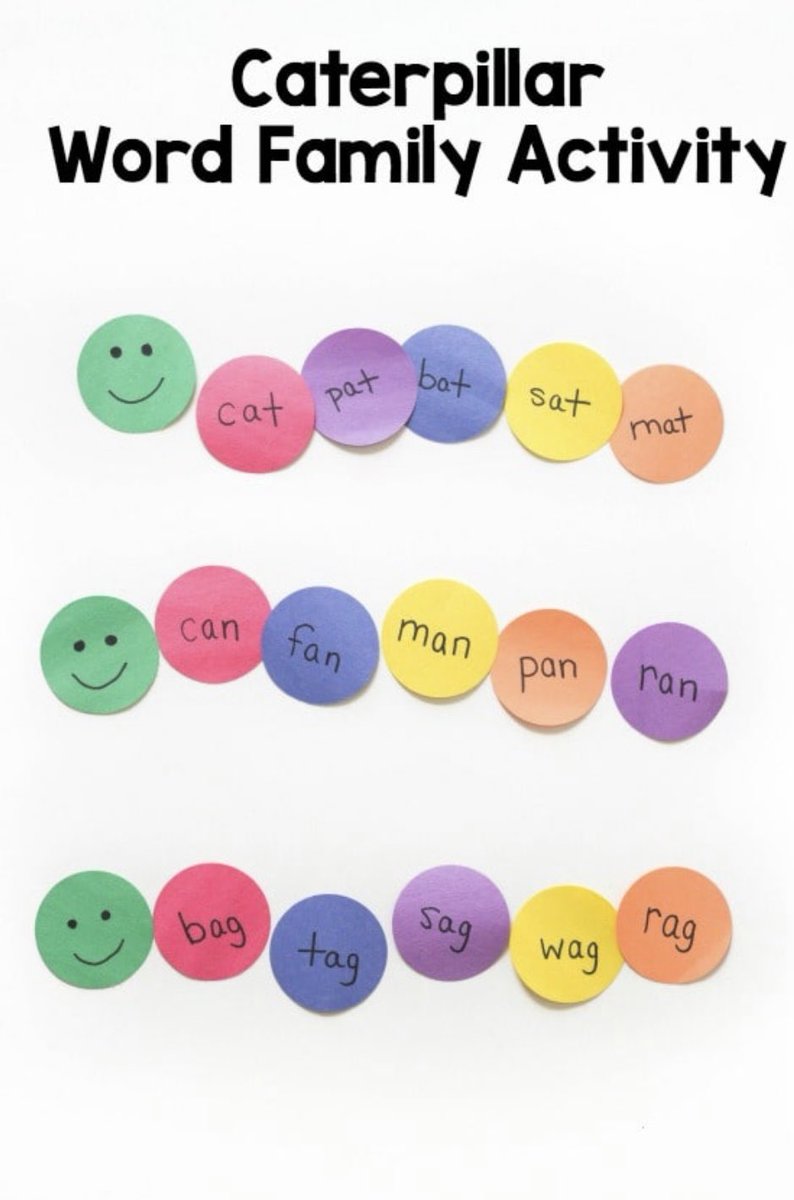
This activity is fun for students to sort words. It is great for children who are interested in bugs! Children will sort the words that rhyme into a word caterpillar. @PJLanguageArts
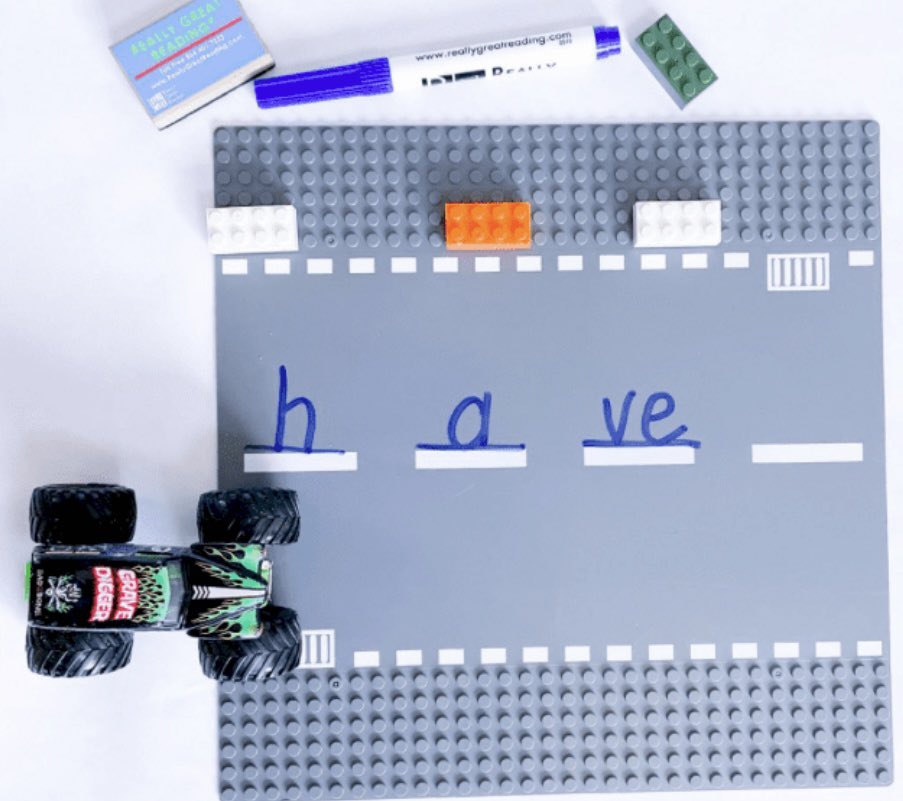
This is a fun way to introduce words! Students will say the word, represent each sound with a LEGO brick, write the letters for each sound and “drive” to read it. @PJLanguageArts
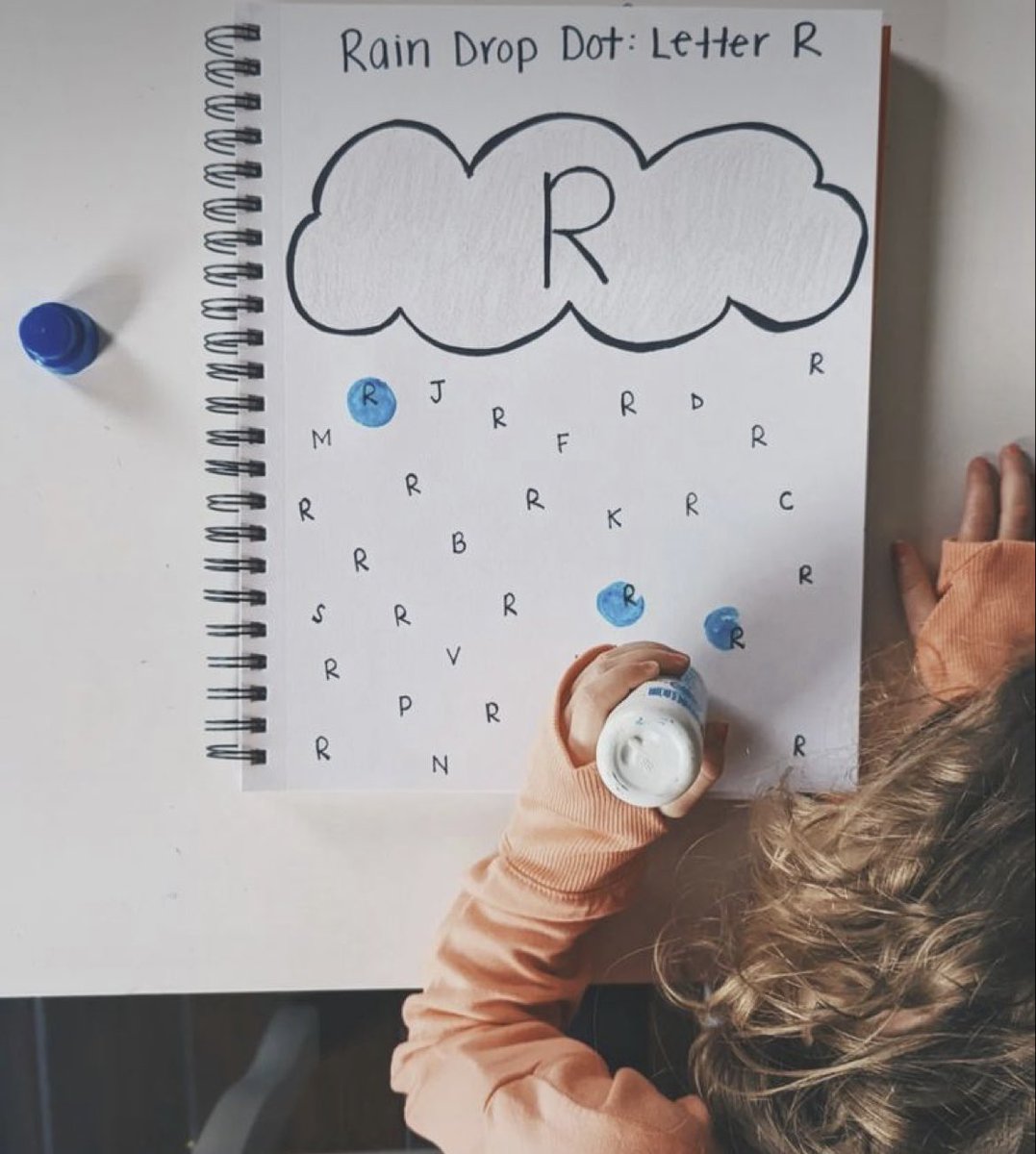
This activity helps young students with letter recognition. They are given a paper with a large letter at the top and a mix of letters below written smaller. With a marker or bingo dabber the students will find the same letter that is at the top of their page. @PJLanguageArts
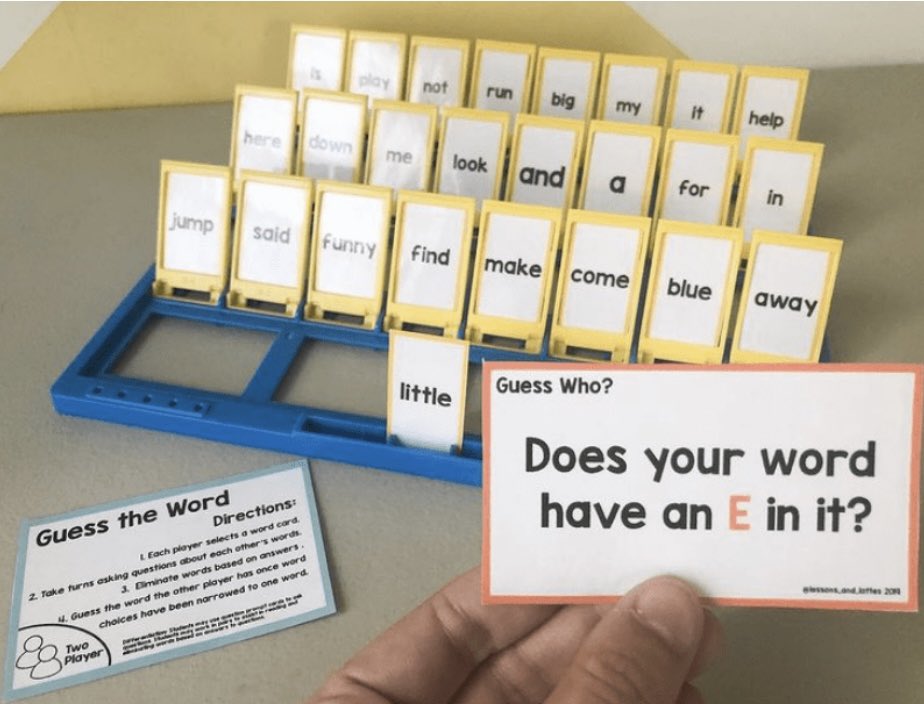
Guess the Word! This is a fun activity students can do to in partners. Students pick a word card and ask questions about the each other’s word. They will eliminate words after each question and make a guess. This makes students think about the letters in words. @PJLanguageArts
This resource is for educators to use to improve boys’ literacy skills. It discusses the importance, strategies, things to try and reflection questions for educators. It is helpful in ensuring all students succeed. @PJLanguageArts https://t.co/o8YM1TD2ob
Sight word swat is a fun activity students can do to help them with sight words. Students will pick a card from the pile and spell the word out by swatting the letters. This will help them in recognizing letters and finding the matching letters @PJLanguageArts
During my practicum, roll and read was used when students finished an activity. Students would find a partner, a die, counters and the paper. They will roll the die and say one of the words and put the counter over the word. Then the other person will go. @PJLanguageArts
This activity would be helpful for primary students to learn if words are real or not. Students will spin the wheel, write out the word, say it out loud and decide if it’s a real word. This can be done individually or with a teacher. @PJLanguageArts
This is a resource for students. Students from pre-k to grade 6 can play games and do activities to work on sight words, punctuation, rhyming and tons of other things! @PJLanguageArts https://t.co/Du9c5QYliE
This is a resource educators can use to help build their library. It includes many books on different topics, like holidays, races and cultures and includes a summary of every book. It has books for preschool children to adults. @PJLanguageArts https://t.co/BMhdvMnvUK
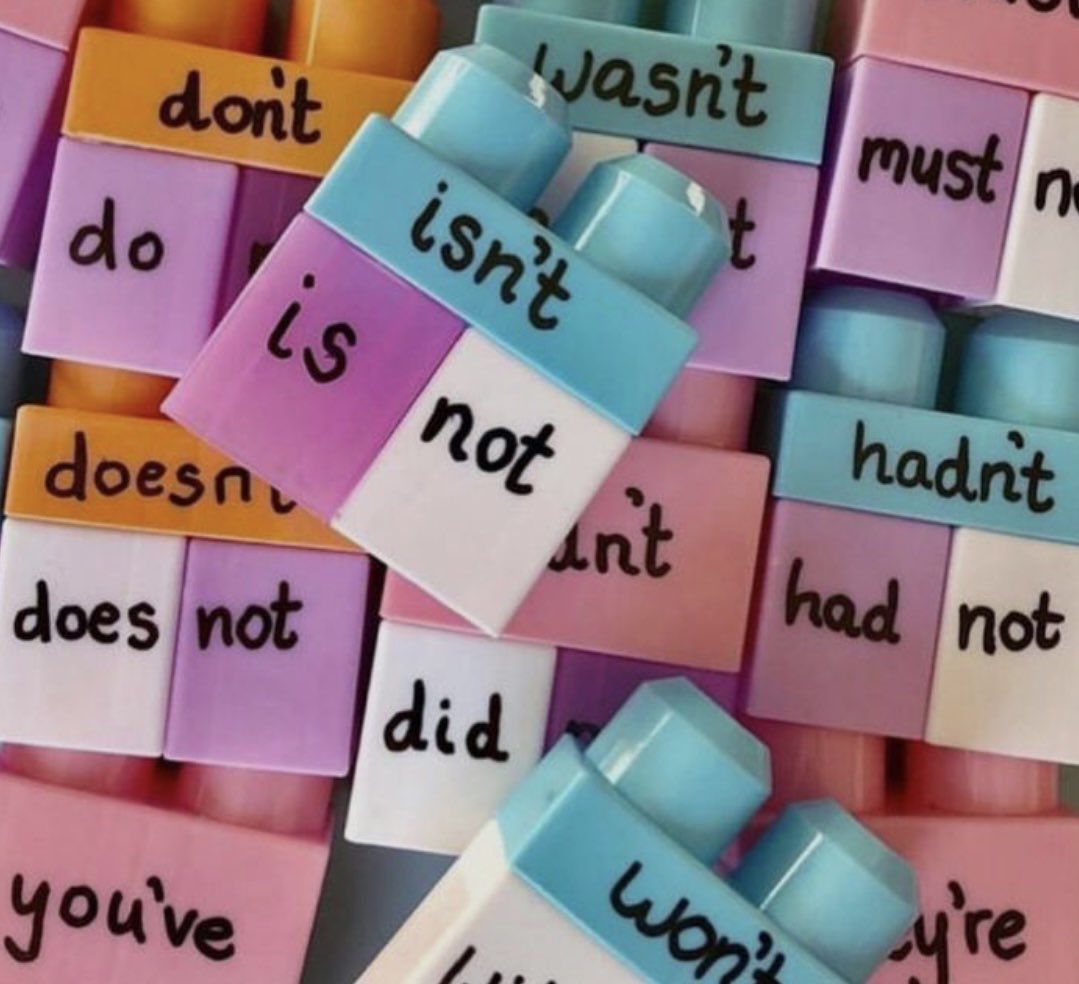
This activity would be helpful for primary students. The students will be able to work contractions words, compound words, and syllables. @PJLanguageArts