@PeterZeihan Regarding the internal status of China, could you comment on how it will affect the thousands of wealthy Chinese nationals who have obtained dual citizenship in Canada (or others)? As a born Vancouverite, I’ve seen the influence there and wonder how it manifests.
@DICKS (2)everything in that washroom was stained brown or black and frankly someone should be ashamed. I have no reason to complain except I like your stores/selection when I’m on tour but send someone there because it’s absolutely health code bad in a fitness place.
@DICKS I went into your Noblesville, IN store to buy some fitness must haves (for me) went to the men’s restroom and it was the most disgusting unclean washroom I’ve ever encountered. I tour with bands for a living and it was disgusting. Toilet, door handles, sink, tp dispenser…
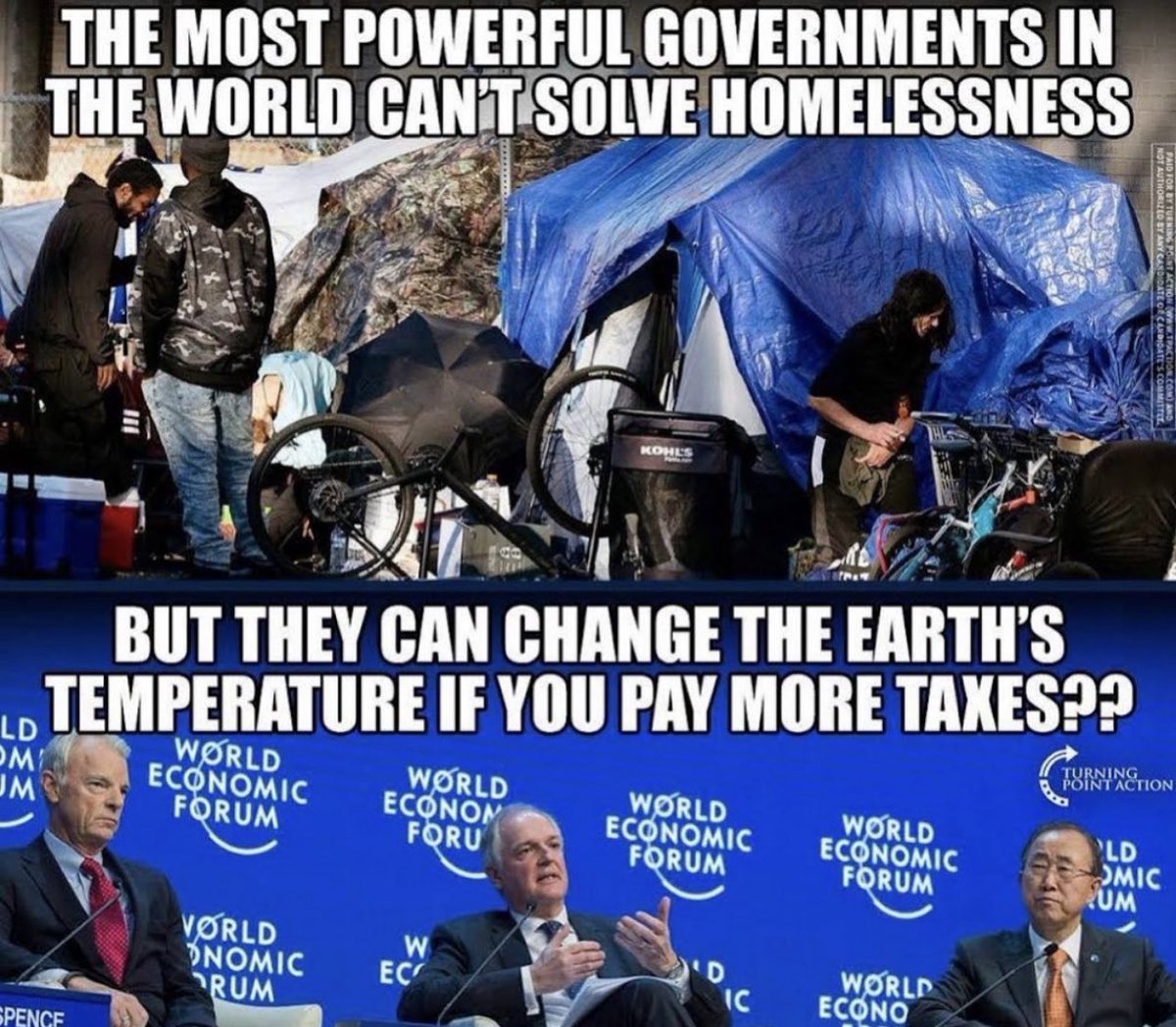
@DanKnightMMA Carbon taxes are far more sinister and egregious than buying a designer water bottle in the desert; they're more skin to paying "protection" to the Mafia. We're being forced to pay through the nose to fight an enemy that doesn't exist.
https://t.co/ENRkYHa1zi
Do we remember this happened in Canada not too long ago! Where is the accountability for these funds?
Now we’re contending with the fact that liberal gov gave half a Billion to Asian Infrastructure Investment Bank controlled by the Chinese!
NO returns to investments spent! 😱🙀
@TommyIgoe@Jared_Falk@SethDillon I actually enjoy kind discussions about hard topics. It brings true empathy in my opinion. I don’t have a “horse in this race” but like everyone here I’m incredibly thankful that we can have a respectable discussion. We are very lucky.
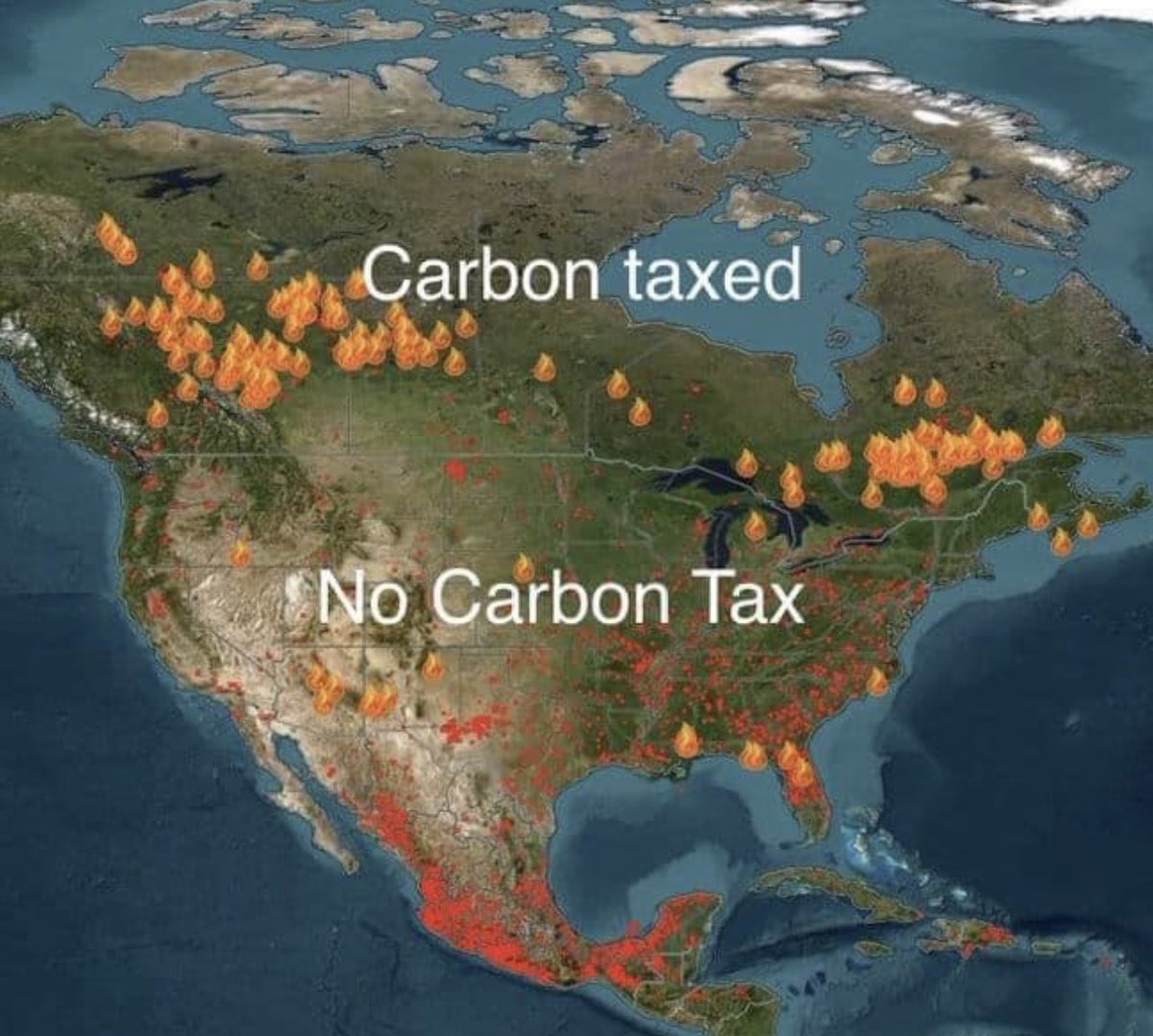
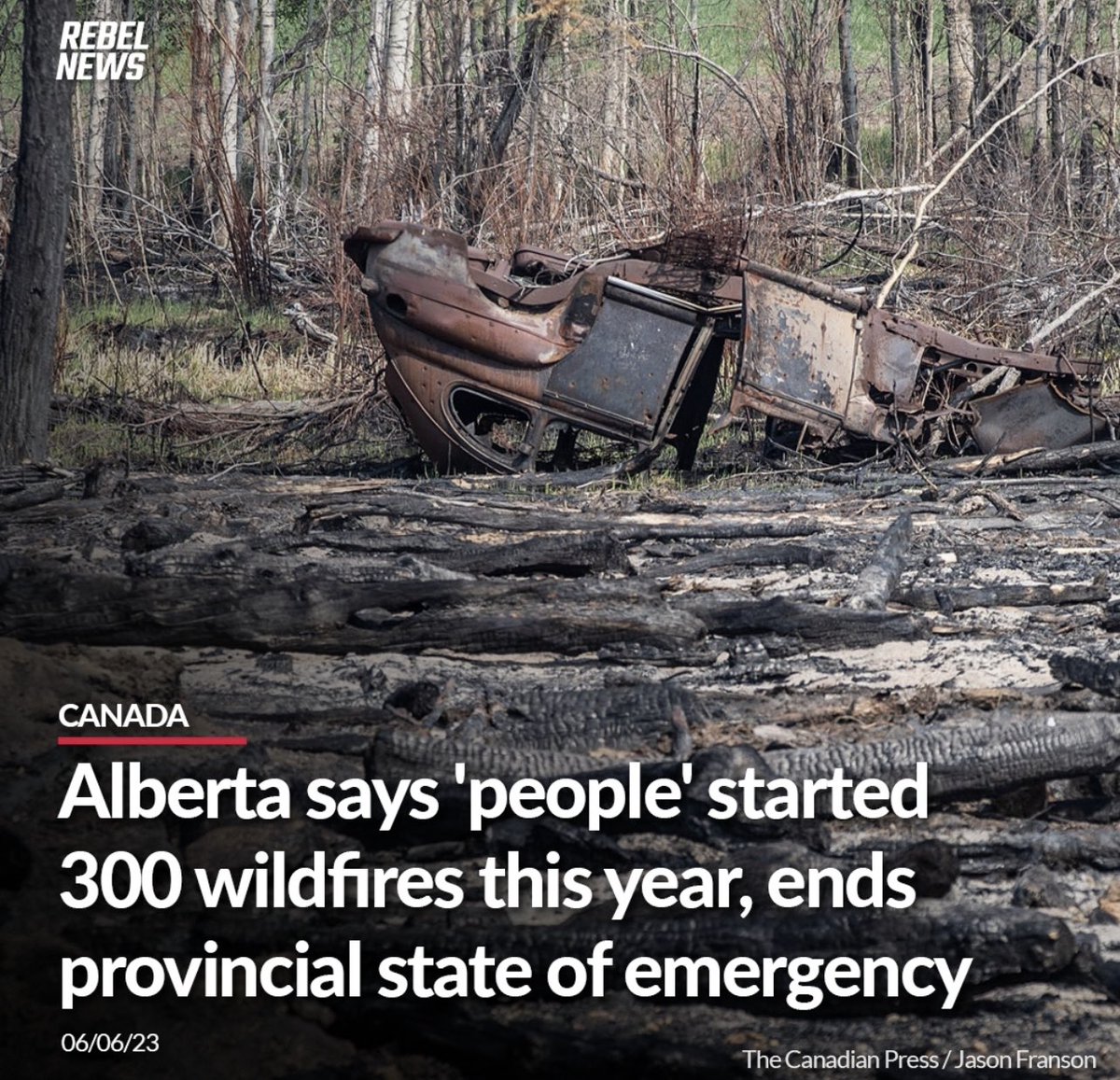
But @JustinTrudeau wants to claim - as a leading eco-alarmist - that all fires are from his misguided understanding of so called climate change. Goofball.
#BREAKING Good afternoon my fellow Canadians, it's time we look at the financial crisis currently affecting Canadians. On June 7, 2023, in a startling move that contradicts previous predictions, the Bank of Canada raised interest rates by a quarter point. This move, a direct contradiction to their earlier claims of steady rates, has sent ripples through the Canadian economy.
Notably, the first carbon tax, a policy brought into effect by the Trudeau administration, has been cited by the Bank of Canada as a contributing factor to the rising inflation. This tax, introduced under the guise of fighting climate change, has proven to be a burden for many Canadian households. The tax, which is essentially a government fee levied for policy reasons, has been particularly hard on lower-income households, who spend a larger proportion of their income on transportation and other energy-intensive goods and services.
But it doesn't end there. A second carbon tax, the Clean Fuel Regulations, is set to further intensify the financial strain on Canadians. Lower-income households will be hit much harder by this second tax, and by 2030, they will be paying an extra $230 per year, or 0.62% of their disposable income, due to the new tax. On top of that, the tax will add 17 cents per litre for gasoline and 16 cents for diesel. This tax has no rebates for the increased costs it imposes, leading to a significant increase in the costs of home heating and groceries.
In a world where the Trudeau administration sings praises of its record low unemployment rates and boasts about the prosperity of Canadians under their guidance, the reality for many Canadians paints a starkly different picture. Despite their claims, a report shows a 134% growth of food program dependency in 2022 and an anticipated 60% increase in demand for food banks in 2023. It's clear that the administration is out of touch with the struggles Canadians are facing.
In the face of rising grocery prices, which are expected to increase up to 7% more in 2023, and the high cost of housing and gas contributing to the inflation storm, the average Canadian family is expected to spend more than $16,000 annually on food alone. The fact that food bank usage is climbing across the country stands in sharp contrast to the Trudeau administration's narrative of prosperity.
The current financial climate in Canada is challenging, to say the least. Canadians are grappling with increased costs and financial burdens brought on by policies that seem more focused on political agendas than the well-being of the people. It's clear that the Trudeau administration's attempts to reduce greenhouse gas emissions by putting people into poverty is not a noble endeavor. It's a strategy that is pushing Canadians to their financial limits and putting them in a position where they're struggling to afford basic necessities.
In the end, it's the everyday Canadians who are paying the price for these policies - not the politicians who enact them.
#cdnpoli