For Canada, the most important AI infrastructure isn’t compute. It’s trust. AI for All, the country’s digital strategy document identifies that.
But we may be overlooking the real solution to that problem and the people who can solve it.
My thoughts: https://t.co/nK4DcL2vLw
This is a good question. The answer, however, is hiding in plain sight.
We must necessarily curate education such that it helps children be more deeply human. Being human is something that intelligent machines won’t achieve. Just be better at that. Improve executive function.
How do we teach our children to work with these intelligent machines without surrendering their own intelligence?
I worry that this is already happening at unprecedented scale.
This problem didn’t start today but how are we still trying to solve the problem with the same level of thinking that created it in the first place?
How on earth did we come to the conclusion that reducing the cutoff score for JAMB/UTME will solve the problem?
@DrTunjiAlausa
Building a talent pipeline means making sure people arrive ready to build, not just ready to apply.
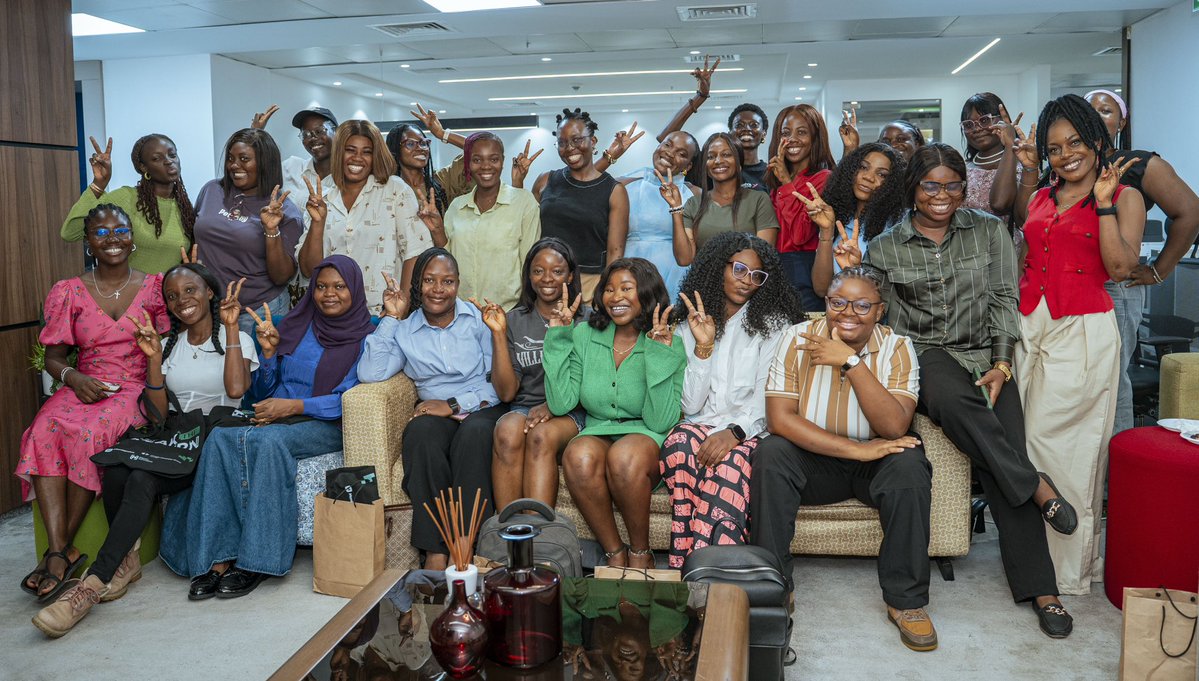
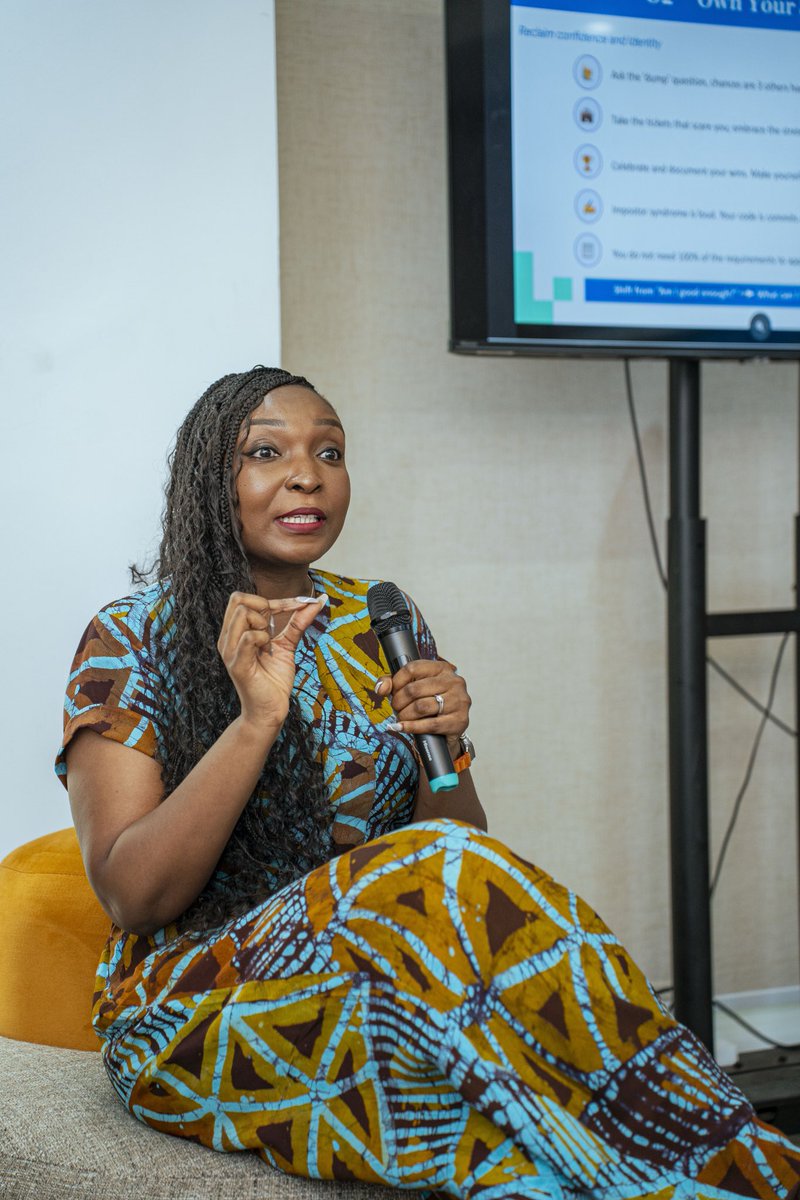
Last weekend, we partnered with @gdglagos to host Break The Pattern, an intimate gathering for women building and shaping the future of tech. Beyond the conversations (which were great), it was a space to learn by doing. The women who joined us picked up new skills, including how to build AI tools from scratch.
Swipe to see moments from the event.
#Moniepoint #WomeninTech
Really, God bless @AdewaleYusuf_, @hackSultan and the team behind @AltSchoolAfrica.
Everybody has an opinion, but I’ll building is hard. I have more respect for those who don’t just identify the problem, but are bold enough to try to solve them.