@honubroto Looks like they're the same paid goons who TMC used to harass citizens. They're now paid to sympathy-farm for him- look at how everyone tries to hurl up on him but none manages to land a single hit. Just a farce and publicity stunt.
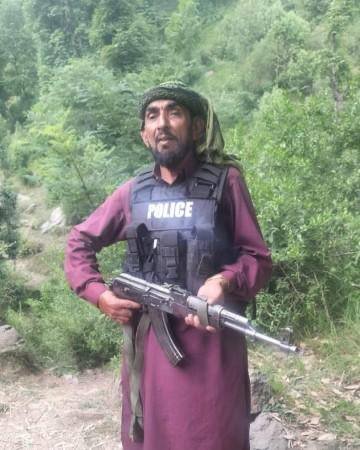
He is @JmuKmrPolice constable , Shaheed Mudasir Ahmad Sheikh aka Bindaas— a true son of the soil and recipient of the prestigious Shaurya Chakra for his exceptional bravery and supreme sacrifice during a counter-terrorist operation in which three Pakistani terrorists were neutralized.
Mudasir was deployed on a special covert operation where he successfully traced the movement of terrorists and tactically led them towards the ambush party. During the fierce encounter, he displayed extraordinary courage and killed one terrorist on the spot before attaining martyrdom in the line of duty.
His bravery, dedication and commitment towards the nation continue to inspire thousands of young Kashmiris. Shaheed Mudasir Sheikh laid down his life while fighting terrorism to protect innocent lives and safeguard peace in the Valley.
Heroes like Mudasir never die; they live forever in the hearts of the people and in the proud history of J&K Police and India.
Salute to the braveheart. 🇮🇳
@MedLearnHub Frozen Plasma (FFP) for coagulating factor deficiencies. (Reasoning: plasma contains all coagulation factors like fibrinogen, Prothrombin and K-dependent anticoagulant proteins Protein C, Protein S which aid)
Hello @dhruv_rathee, ‘Choking’ an area at sea is not achieved by physically blocking every ship. It is not a Kabbadi match !!
In naval terms, even when shipping is not “close” to Indian land, it can still be within a surveillance and interdiction envelope shaped by asset basing, sensor range, and force projection from the islands. Reducing the issue to a ‘50-km distance’ is an operationally weak argument. The Nicobar chain is valuable not because every ship passes close to Indian territory, but because it gives India persistent maritime awareness and operational reach over the approaches to Malacca Strait.
Yes alternate routes exist as you point out, but they are not cost-neutral; they are longer, shallower in some cases, and more demanding for deep draft ships. The Sunda Strait is shallow in parts while the Lombok/Makassar route is deeper but longer and costlier, adding distance and transit time.
In naval terms, India may not ‘close’ a chokepoint physically, but it can certainly impose strategic costs on its use. If a major route becomes risky, monitored, or politically uncertain, shipping can still divert, but it does so at higher cost and lower efficiency. That is exactly how maritime leverage works: not absolute closure in every case, but the ability to raise the operational
cost and insurance premiums enough to influence behavior.
Shipping industry runs on commercial considerations and risk assessment. The World Navies and Global Shipping understand India’s maritime leverage in approaches to Malacca Strait and that is what ultimately counts.
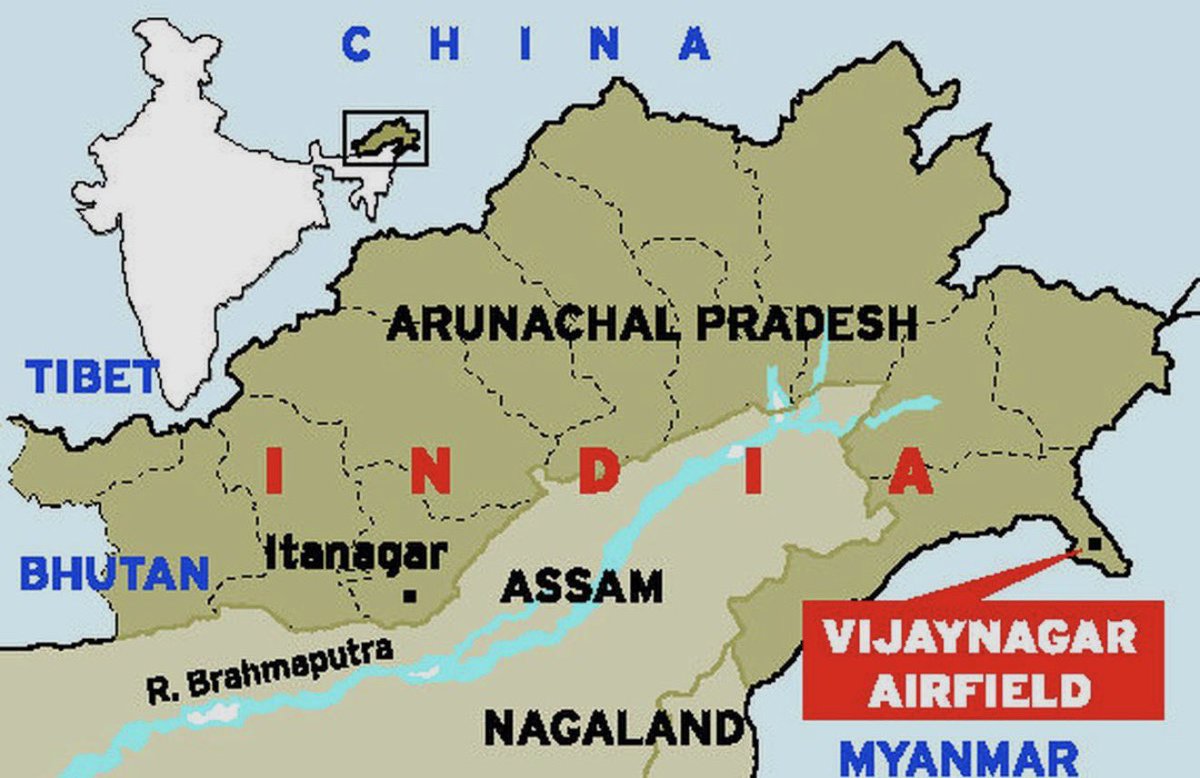
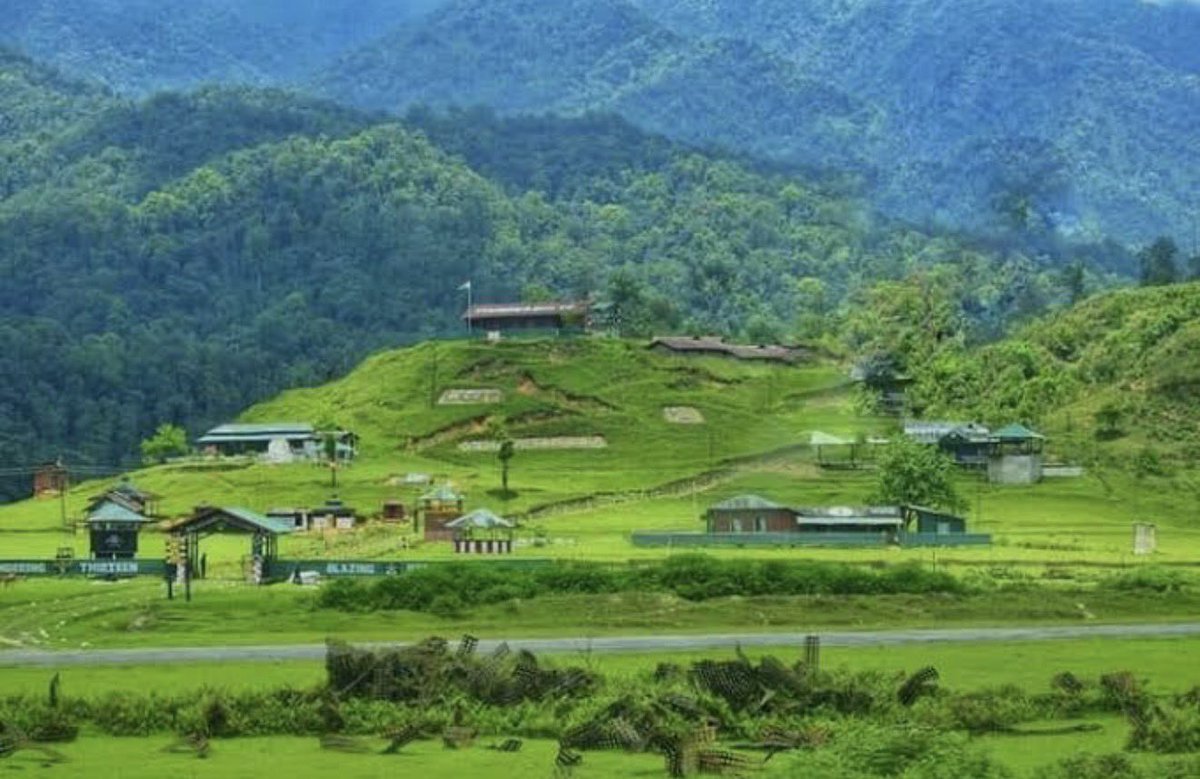
With the ongoing debate around the Nicobar project, it’s worth looking at India’s easternmost frontier settlement - Vijaynagar in Arunachal Pradesh
Surrounded by Myanmar and claimed by China lately, place rarely had any presence of humans . But later government took a decision to increase the human presence , lot of retired veterans (Gorkhas) , Chakmas were settled to counter China/ Myanmar and now it has a huge township and presence of Army.
It also met with resistance from local tribals called Gobins initially but now everyone lives in peaceful coexistence making it a strategic win for India in tense borders state. Our lands are precious so are our tribals, and they need military presence /better infrastructure in border states to safeguard nation it might come with a cost of environmental hazards.
#nicobar
@SunilCaleb@JethmalaniM That Arabic Inscription of your name and your base being Calcutta speaks a lot about who you are. As for defense strategy queries you posed (despite being a 'lecturer'): Ask a child and he shall tell you that anything far from 3 military arms at a chokehold is bound to be lost.
Great Nicobar is not just a development project. It is India's Pokhran at sea.
But someone has suddenly discovered “the environment” exactly where India’s strategic spine needs strengthening most: Great Nicobar. Not on the countless collapses his own family presided over. Not when India bled opportunity for decades. And right at the point where Bharat is trying to build maritime muscle in the Indo-Pacific, enter Rahul Gandhi.
Let us strip away the theatre. The Great Nicobar project is the government’s own plan for a major transshipment port at Galathea Bay, close to the international shipping lane, with deeper waters, phased capacity rising from 4 MTEUs to 16 MTEUs.
Great Nicobar sits near one of the world’s busiest shipping routes. It strengthens India’s maritime reach. It reduces dependence on foreign transshipment hubs. And it places Indian capacity exactly where a rising China would prefer India to remain weak, absent and apologetic. It's called 'protecting sovereignty'.
This time the 'attack' timing is too convenient and the target is too strategic. The 'Chinese Agents' in India want it slowed, weakened or stopped. The moment India tries to build something that changes its strategic position, resistance appears from the Gandhi dynansty.
And once you understand that, the panic from "Chinese Agents" makes sense. Any project that moves India from dependence to leverage will create losers - foreign commercial interests, strategic rivals, and domestic political actors who instinctively oppose any major national-capacity project if it does not carry their family name on it.
So when Rahul Gandhi suddenly discovers moral passion in Great Nicobar, people are entitled to ask what exactly is being opposed here. Is it really only a question of trees? Or is it, once again, resistance to India building hard power, strategic depth and state capacity in a place where geography itself has handed us an advantage?
That is the larger truth. Great Nicobar is being fought so fiercely because it is not a routine infrastructure scheme. It is a statement that India intends to think like a serious maritime power. And just as there were efforts once to stop India from becoming a nuclear power, there are efforts now to keep India from fully becoming a sovereign power at sea.
https://t.co/7FzcdiumYR
@Simply_Shula Good point: But the issue can also be stemmed this way (from what I observe in Indian pop context):
1. Women marry simply for getting settled with random weirdo rich men, treating him as an ATM.
2. High body count among women, resulting in them being desensitized.
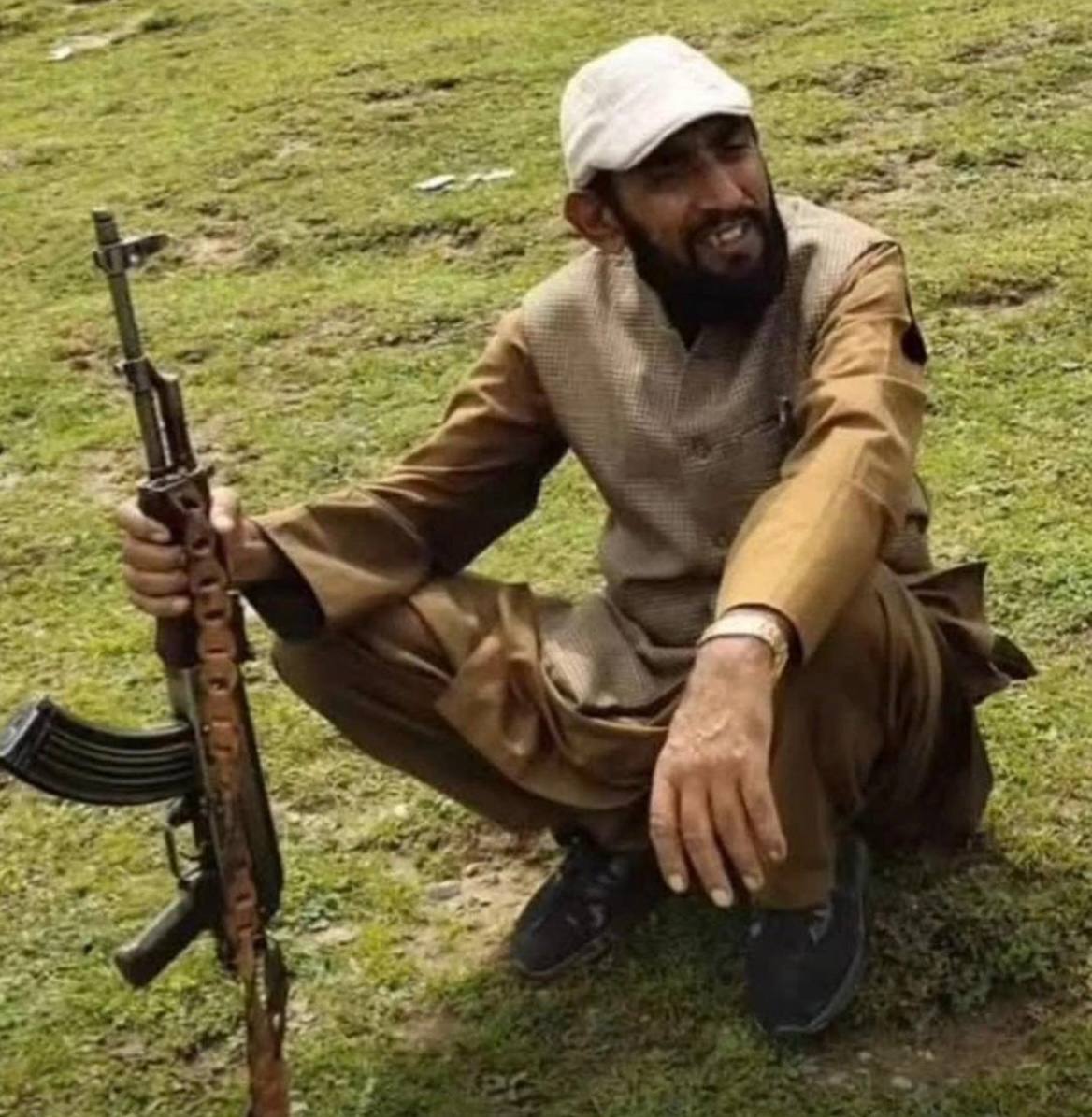
Who was the brave unsung hero Tahir Fazal Chaudhary and why he was honoured by Indian army ?
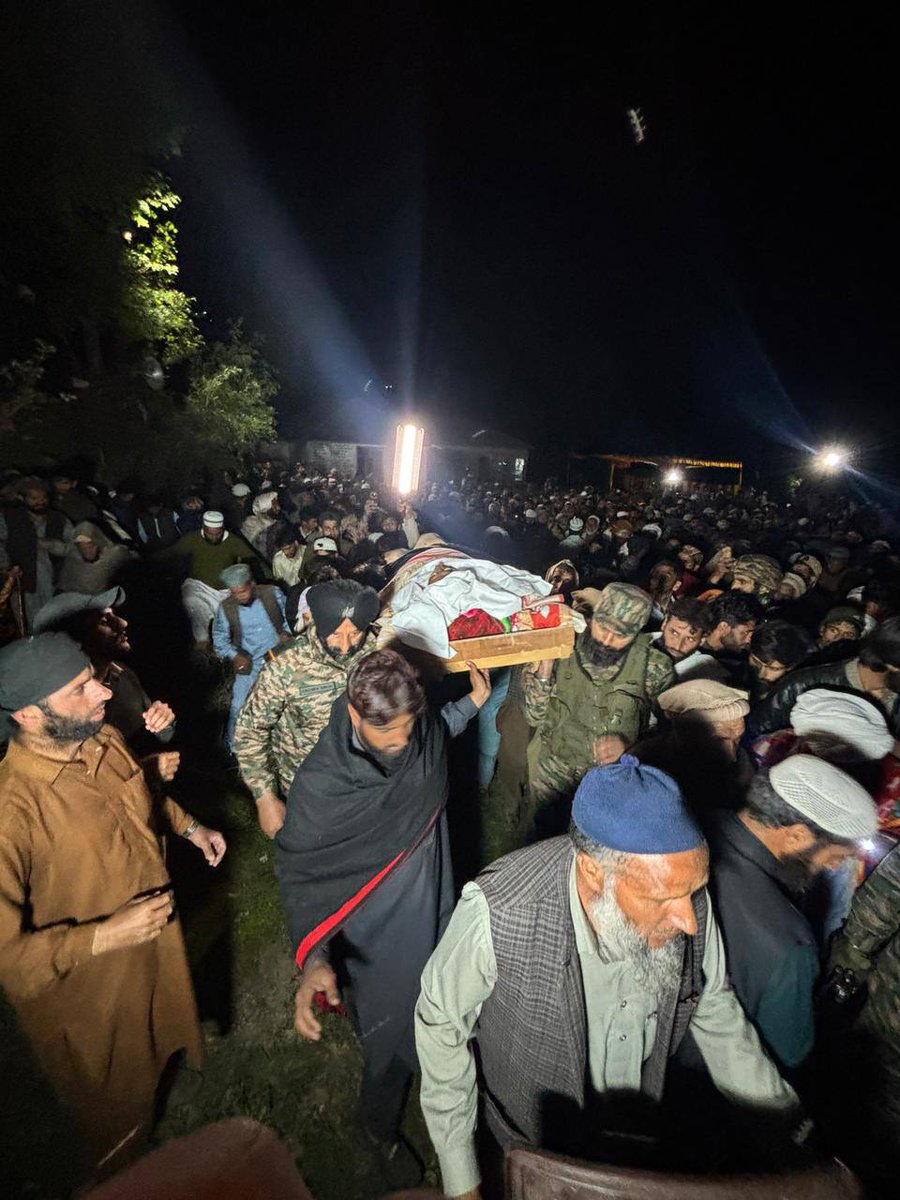
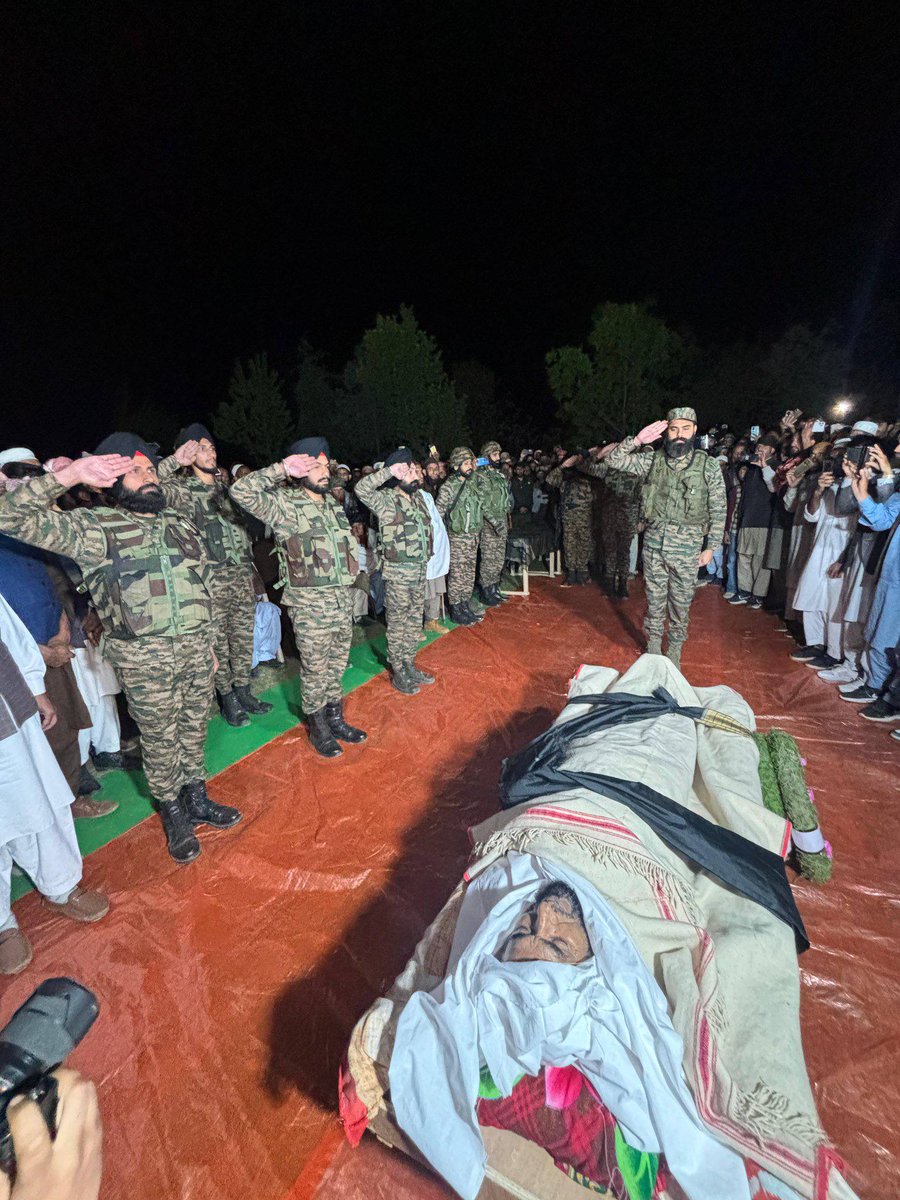
Tahir Fazal Chaudhary, also known as "Bahadur-e-Hill Kaka," an unsung hero from Op Sarp Vinash, passed away very recently, on April 22, 2026, at the age of 62 due to a heart attack in Uttarakhand. 16RR paid tribute by performing full military honors.
In 2002, Tahir was working in Saudi Arabia when he received news that his brother, Haji Mohammad Arif, had been brutally killed by militants. He immediately quit his job and returned to Poonch, taking a solemn oath to avenge his brother and liberate his homeland.
After His Return To India
He mobilized local youth to stand against foreign terrorists and formed ‘Pir Panjal Scouts,' initially funded by himself, who jointly worked with 9 Para SF & 16 RR.
His Role in OP Sarp Vinash
As a local, he became the eye, ear, and heart of the Indian Army. Where the Army helicopter couldn’t land, he used to provide the precise location of the hideout to foot soldiers of the Indian Army, which led to the killing of 80+ terrorists and dismantled the whole terrorist network in the Pir Panjal mountains.
Aftermath Of His Role
Tahir killed terrorist commander Kassid, who killed his brother, and kept his AK-47 as a trophy of war for life.
@hiitsmemooneh True. Parliamentary Democracy in Iran at its initial stages will be crudely unfruitful. Given the persisting theocratic locals among ordinary seculars, the secular parliamentary government won't be able to pass resolutions and the federal distributed military will try coups.