EarGenie, our revolutionary new hearing test is ready to go into clinical trials on babies with and without hearing loss. Learn more: https://t.co/QXndfi1sMI
Your gift towards #hearingresearch will give babies like Charlie a better chance to hear, speak and get the best start in life! Find out more at: https://t.co/WWB7U3AE86
#hearingloss#donate#science
Congratulations to @UniMelbMDHS & @BionicsInst PhD student Elise Ajay, winner of the top prize in the #PitchItClever video competition on her research into combining light and electricity to improve quality of sound in the cochlear. See the video here: https://t.co/6aHoMfYjJQ
Pleased to share our latest work on hybrid stimulation in the cochlear.
Viral-mediated transduction of auditory neurons with opsins for optical and hybrid activation https://t.co/bq5cS32zH2
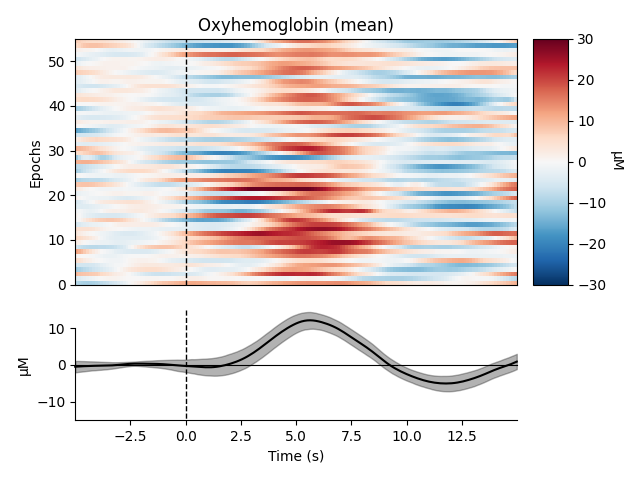
Check out the new MNE-NIRS website https://t.co/nKSPySsDPE with tutorials on GLM, waveform, group level analysis, artefact rejection etc. It makes #fNIRS#reproducibleresearch easy with @mne_news. Tutorials are auto tested with every code update to ensure your scripts never break
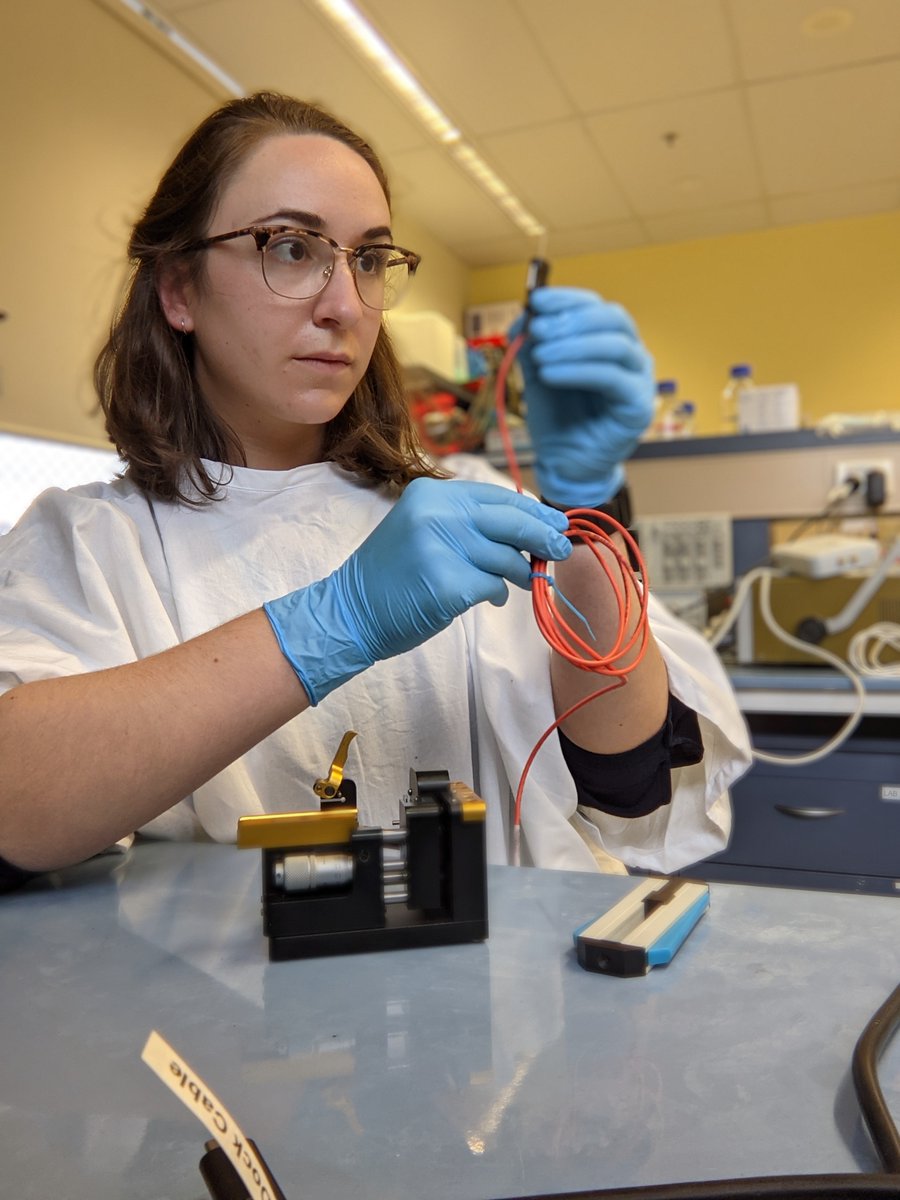
#medicaldevices invented by @BionicsInst will be manufactured for clinical testing in Australia for the first time when Neo-Bionica opens in July. Currently human-grade prototypes are built overseas and the new facility will be a game-changer. Learn more: https://t.co/WxQkR5oIvj
Today we’re launching Neo-Bionica - Australia’s first medical device manufacturing facility. A partnership between @BionicsInst and @UniMelb this highly specialised laboratory will fast-track new therapies for hard-to-treat diseases. #MedTech
Learn more: https://t.co/7prz1dBcSB
On Wednesday 31st March, the Bionics Institute’s Research Director A/Prof James Fallon caught up with Nadia Mitsopoulos on ABC Radio Perth.
If you wish to learn more, tune into the program https://t.co/WrXpDbcX3C
starting at 1:15:10.
In 2019 I called on scientists to try and hold international meetings virtually to reduced travel emissions. I now see so many meetings being cancelled because of #coronavirus. Why not try some virtual alternatives? Not ideal, but better than nothing.
Tune into @einstein_agogo tomorrow (102.7FM) from 11am - 12pm to hear our Research Director @jbfal1 and Dr Maureen Shader discuss Bionics Institute research.
GetDown is a great little app written by my PhD student, Daniel Payne. Check it out and learn more about living with the uncertainty of epilepsy. And maybe help out with some research, too! Available on iOs and Android. https://t.co/lqHzWwluin