JBJS Inc. is an independent, non-profit organization dedicated to producing the best content and education for all musculoskeletal health professionals.
"Alarmingly High Rates of Complications and Refracture Among Patients with Early Periprosthetic Femoral Fracture Within 30 Days After THA" by Acuña et al.
Read the full article 👉 https://t.co/XnJ5cndmEa
Today, we honor the men and women who have served in the U.S. Armed Forces.
To our veterans and active-duty service members: thank you for your courage, your sacrifice, and your commitment to protecting our freedom.
Happy Veterans Day from all of us at JBJS.
#VeteransDay #ThankYouVeterans #HonoringOurHeroes #JBJS
How are you preparing for your next orthopaedic exam?
Meet JBJS Ace—the brand-new test prep app designed specifically for orthopaedic residents.
Featuring exam-matched questions across multiple categories, authoritative references, and an in-app learning assistant powered by JBJS-trained AI chat, it’s everything you need to study smarter, right from your phone.
Download it for free on iOS and Android today and get started with 50 OITE-style questions.
👉 Download here: https://t.co/fHL0FWDGIh
#JBJS #JBJSAce
"To Lengthen or Revise: Reevaluating Anterior Acetabular Overhang Thresholds in Iliopsoas Impingement After Total Hip Arthroplasty" by Clark et al.
Read online at: https://t.co/ihDEX3pd6I
To our veterans and active-duty service members: thank you for your courage, your sacrifice, and your commitment to protecting our freedom.
Happy Veterans Day from all of us at JBJS.
#VeteransDay#ThankYouVeterans#HonoringOurHeroes#JBJS
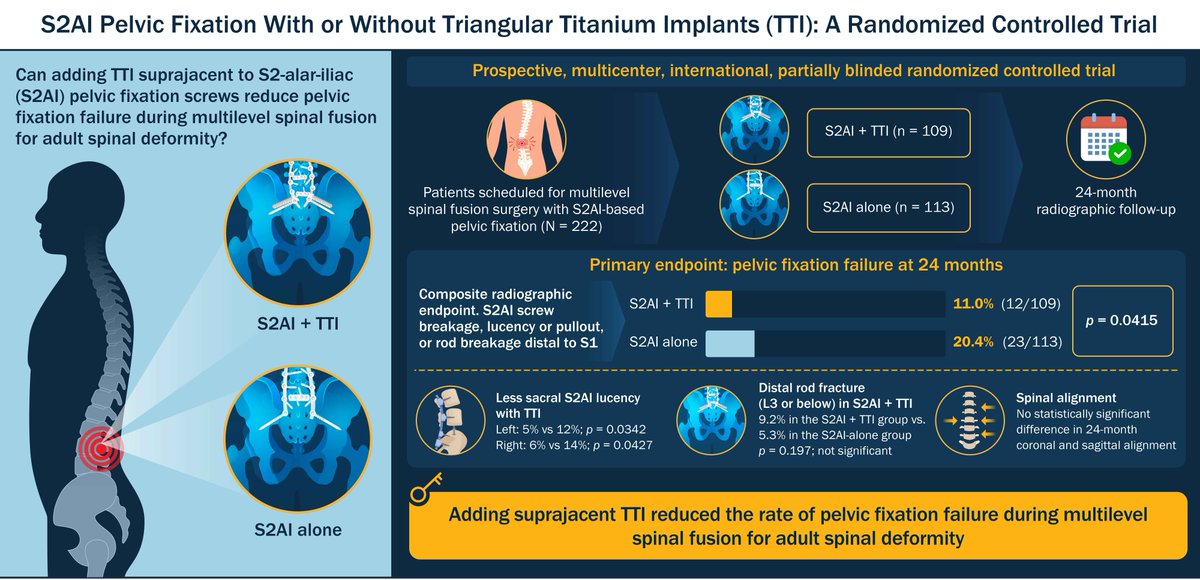
"Placement of Triangular Titanium Implants Suprajacent to Pelvic Fixation Screws Reduces Pelvic Fixation Failure in Multilevel Spinal Fusion. Results of a Randomized Controlled Trial" by Elder et al.
Read the full article 👉 https://t.co/neCq60Frl1
Can multi-domain platform trials navigate cross-domain interactions and type-I error control without losing their operational advantages?
In this commentary on O’Hara et al., Peter Greenstreet examines the design rationale of the Musculoskeletal Adaptive Platform Trial (MAPT), exploring how shared participants across multiple intervention domains create unique methodological questions.
The commentary highlights two key considerations: the potential for cross-domain interactions to dilute or inflate treatment effects, and the broader question of why overall type-I error is rarely controlled across platform trials with multiple 2-arm domains. The author discusses how evaluating these trials as they progress will provide valuable insights into sample size requirements and statistical rigor in complex adaptive designs.
Read the full commentary 👉 https://t.co/kBfpIQeVOv
And read the original study 👉 https://t.co/RXFzap1Jzh
#JBJS
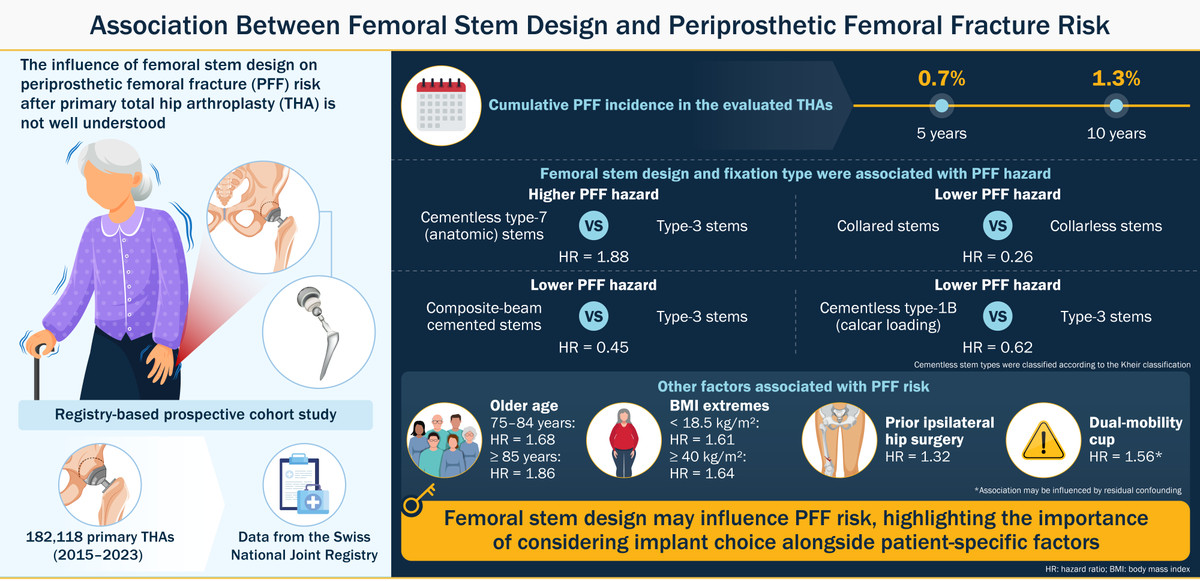
"Impact of Stem Design on Periprosthetic Femoral Fracture Risk. Findings from 182,118 Primary Total Hip Arthroplasties in the Swiss National Joint Registry" by Bouché et al.
Read the full article 👉 https://t.co/ZzYpHraouZ
Can supplementing standard pelvic fixation with triangular titanium implants reduce fixation failure in adult spinal deformity surgery?
In this commentary on Elder et al., Reuben C.C. Soh examines a rigorous multicenter randomized trial demonstrating that adding triangular titanium implants (TTI) to standard S2-alar-iliac screws significantly lowers radiographically evident pelvic fixation failures (11.0% vs. 20.4%).
The study highlights how achieving dual points of sacroiliac fixation improves construct stability through enhanced load-sharing, though the author discusses the need for extended follow-up to monitor potential proximal force redistribution, bone density interactions, and overall cost-effectiveness.
Read the full commentary 👉 https://t.co/fKf2tf7nmg
And read the original study 👉 https://t.co/Sk7MAQ8V1N
#JBJS
📚 Our Hip & Knee Special Collection just dropped! 🦴✨
12 top JBJS articles | 100 pages | 100% FREE 📘
Explore hip and knee arthroplasty, knee alignment, implant fixation, robotic surgery, and hip surgical techniques—plus pain management, rehabilitation, and activity after joint replacement.
This convenient digital collection brings together 12 of the most-read hip and knee articles from JBJS over the past two years.
👉 Complete the short form to download your FREE 100-page PDF:
https://t.co/P636W6gGU4
#JBJS #Orthopaedics #HipAndKnee #Arthroplasty
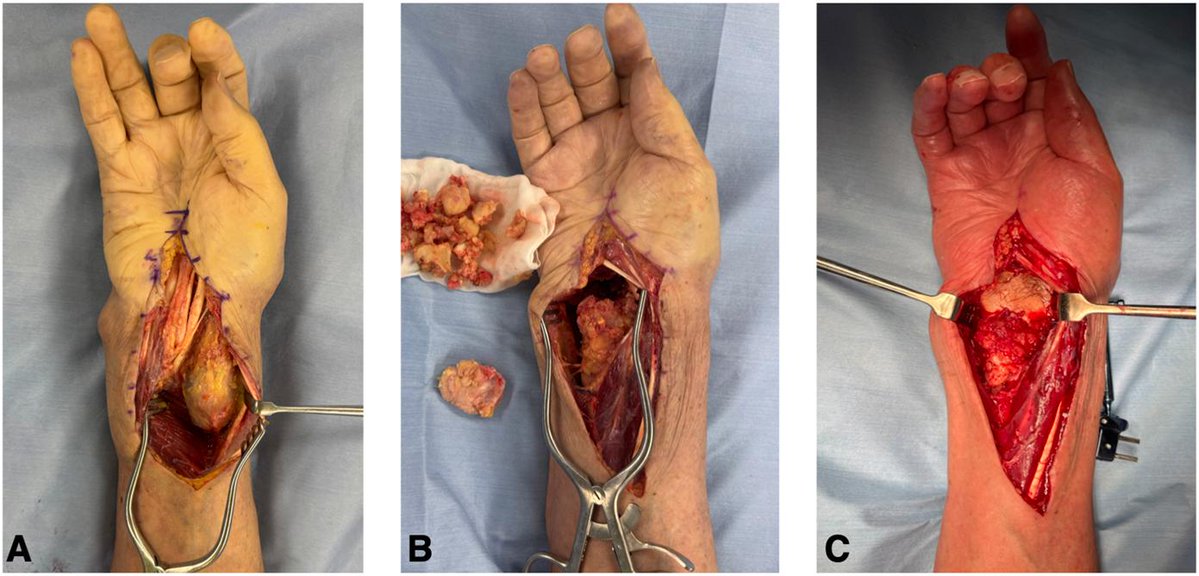
"Carpal Osteomyelitis Caused by Mycobacterium Intracellulare Treated with Vascularized Bone Graft Reconstruction" by Kuno et al.
Read online at: https://t.co/QzLCdSUxY4
Can large language models remain clinically objective when faced with misleading user prompts and biased framing?
In this commentary on Perry et al., Graham Ka Hon Shea and Hongfei Wang examine how AI large language models exhibit "sycophantic behavior" in orthopaedic contexts, demonstrating that hints, opinions, and misleading user beliefs drastically reduce model accuracy across benchmark exams and literature reviews.
The study found that models frequently default to agreeing with user input rather than acknowledging ambiguity, highlighting the risk of reinforcing false medical information. The authors discuss the critical need for AI literacy among clinicians, emphasizing that safeguarding against sycophantic tendencies is essential as these technologies integrate into orthopaedic workflows and patient interactions.
Read the full commentary 👉 https://t.co/5Edv1oZyoe
And read the original study 👉 https://t.co/hs2fhIM3ah
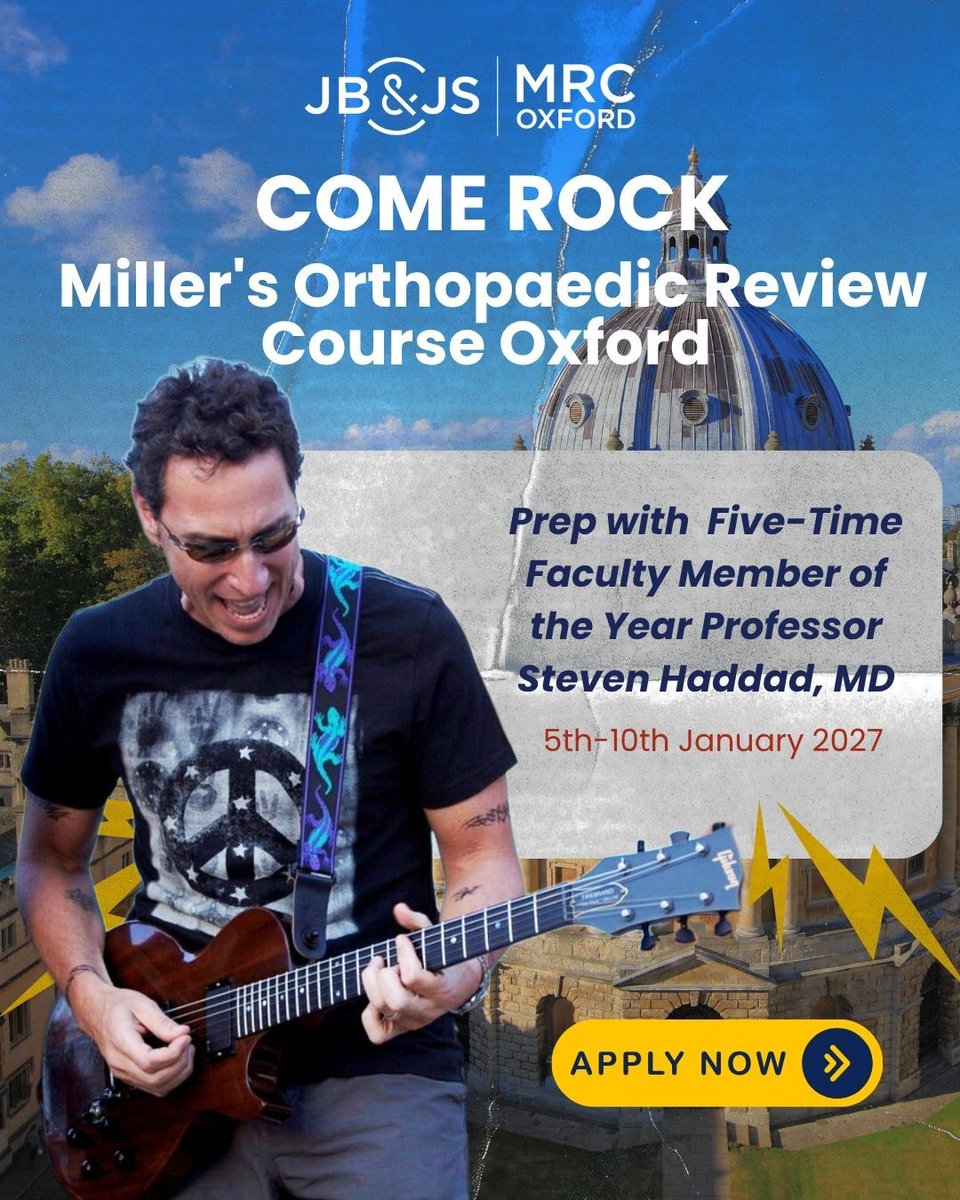
🎸ROCK YOUR FRCS EXAM PREP WITH THE BEST! 🤘
Come rock Miller’s Orthopaedic Review Course, Oxford, with Professor Steven L. Haddad, MD, a five-time recipient of the Faculty Member of the Year Award, and an esteemed lineup of world-class orthopaedic faculty!
🏆 Meet our five-time award winner: https://t.co/JMUnDGiJ8p
🎓17 Years. 99% Pass Rate. Award-Winning Faculty.
Now in its 17th year, this proven FRCS exam preparation course brings together leading orthopaedic experts to help you build knowledge, sharpen your skills, and prepare with confidence.
⚡THREE WAYS TO ROCK YOUR FRCS PREP IN 2027:
📍Complete Course: January 5–10 | Oxford
💻NEW Virtual Lecture Course: January 5–8 | Live online + on-demand
🦴Clinical Examination & Viva Course: January 9–10 | Oxford
🎸Learn from the best. Prepare with confidence. Rock your FRCS!
👉 Explore your options and secure your place: https://t.co/UEXk460q2w
#FRCS #JBJS #Oxford #MRCOxford
💡On the cover of this week’s JBJS issue: “Reimagining Orthopaedic Research: The Musculoskeletal Adaptive Platform Trial (MAPT) Design Rationale” by O’Hara et al.
“The flexible structure of the MAPT framework can accelerate evidence generation for clinically important research questions.”
Read the full article here: https://t.co/23SXPVDGqd
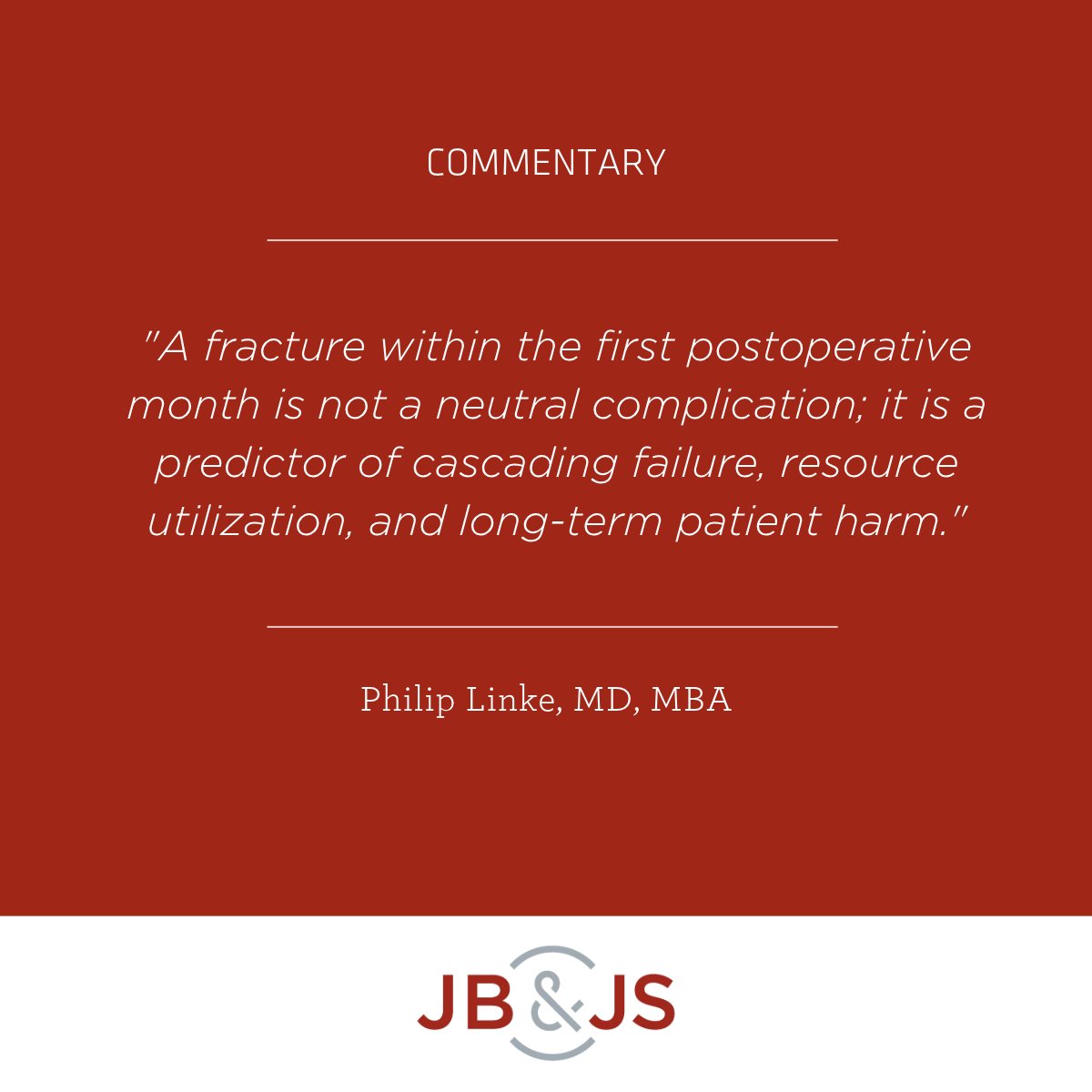
Can an early periprosthetic femoral fracture after total hip arthroplasty be viewed as a routine complication, or is it a systemic crisis?
In this commentary on Acuña et al., Philip Linke examines data highlighting that fractures occurring within 30 days of surgery are associated with dramatically worse short-term and long-term outcomes, reframing them as a sentinel event signaling profound vulnerability.
The study emphasizes that early periprosthetic fractures represent a distinct clinical phenotype linked to recurrent fractures, reoperations, and sustained morbidity. The author discusses how these findings challenge current quality metrics and bundled payment models, urging the orthopaedic community to elevate early periprosthetic fractures to the same level of concern as early infections to drive upstream prevention and targeted multidisciplinary management.
Read the full commentary 👉 https://t.co/EBPoZT7rP6
And read the original study 👉 https://t.co/U7KQeW0ZDg
#JBJS
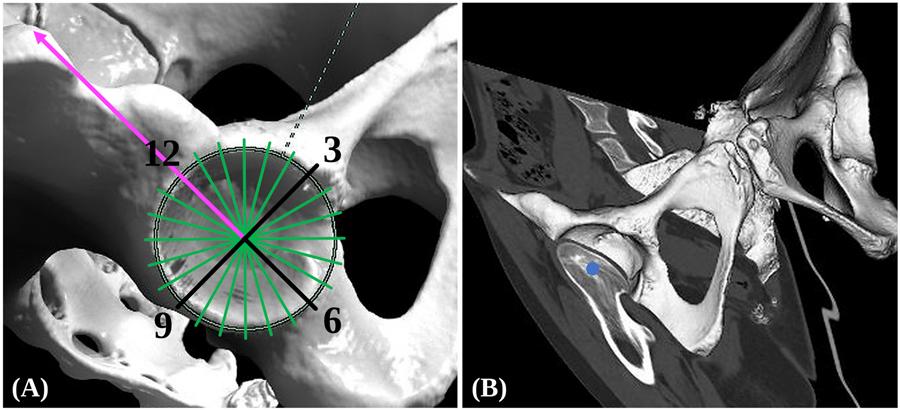
"Three-Dimensional Computed Tomography–Based Mapping of the Intraosseous Safe Zone for Acetabular Cup Screw Fixation" by Sato et al.
Read online at: https://t.co/4iizZP5CSB