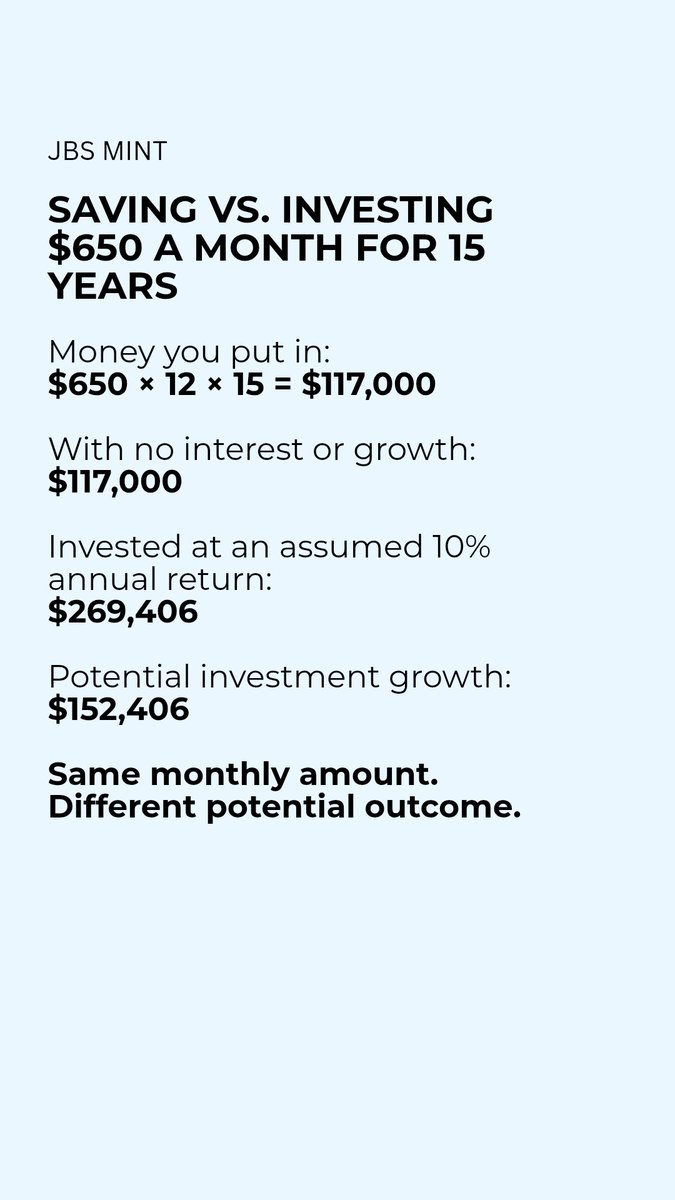
Putting away $650 a month adds up to $117,000 over 15 years before any interest or investment growth.
At a 10% annual return, investing that same amount could grow to about $269,406.
Savings helps cover emergencies and near-term expenses. Investing opens up other doors.
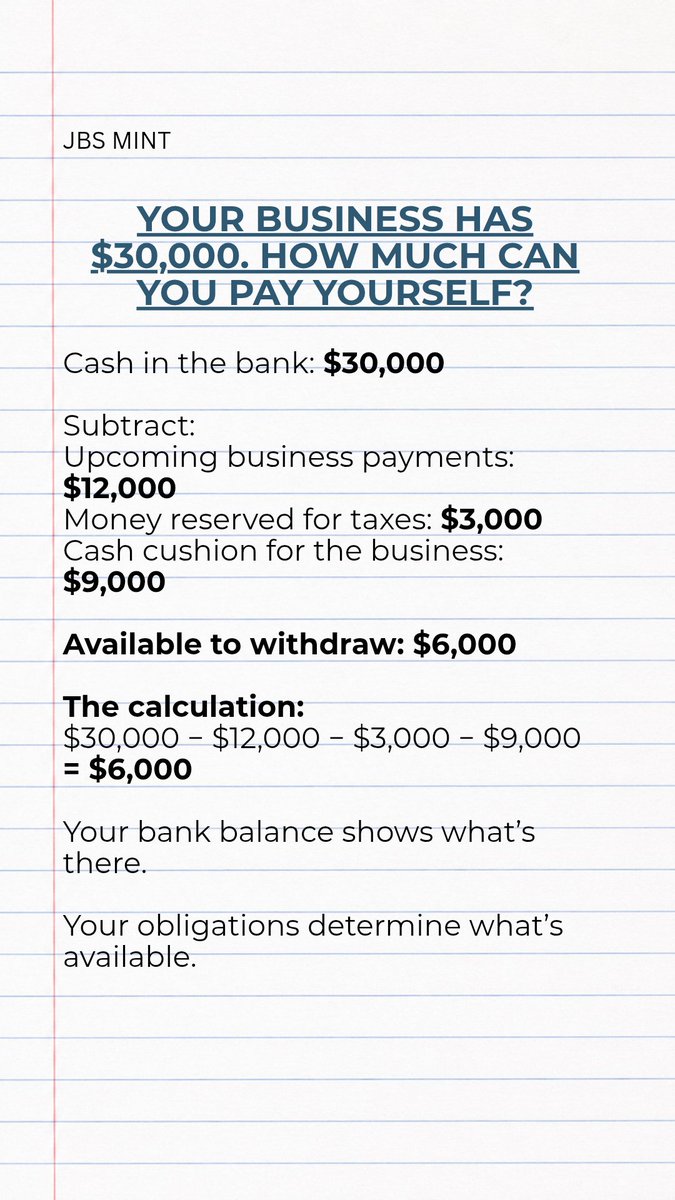
Checking the business bank balance before paying yourself feels responsible.
Until payroll, the loan payment, and taxes all come out afterward.
Before taking an owner withdrawal, account for upcoming payments, tax savings, and the cash the business needs to keep.
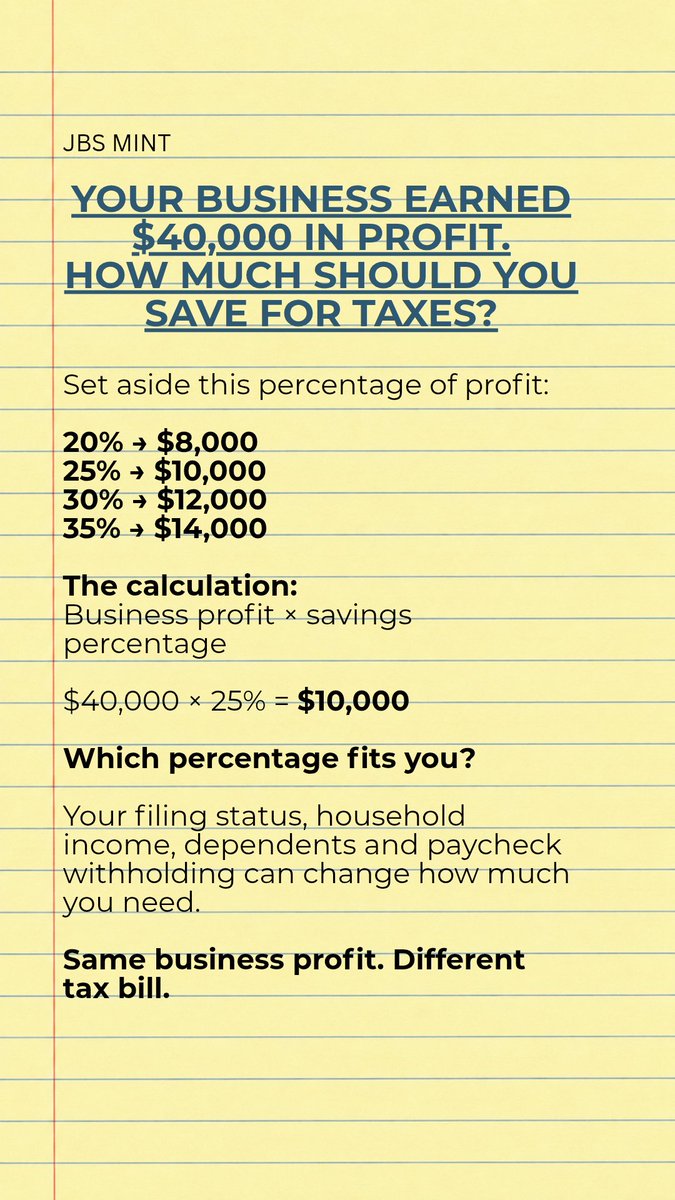
“Save 25% for taxes” gives you a starting point. It doesn’t tell you whether that amount fits your situation.
These are savings examples—not calculated tax bills. Our free Quarterly Estimated Tax Calculator helps you estimate your federal payments and what percentage.
Workday, a major HR and payroll platform used by companies including Walmart, Target, Chipotle and thousands of others, was experiencing a widespread outage, leaving employees unable to access workplace accounts, check pay information, clock in and out, or request time off.
The outage comes amid several other major service disruptions this week, including Microsoft 365 and the FAA’s nationwide air traffic control outage. It remains unclear whether the incidents are connected
Generally, paying 100% of last year’s total tax through timely withholding and estimated payments meets the prior-year federal safe harbor. Use 110% if last year’s adjusted gross income exceeded $150,000, or $75,000 if married filing separately.
You’re spending less on what you want and still putting less away.
On $4,000 a month, going from 50/30/20 to 70/20/10 means the basics eat up $800 more of the same paycheck. Even after cutting back $400 on wants, you have $400 less for savings or getting out of debt.
Both are business expenses. The difference is what they pay for.
Cost of goods sold—or cost of services—covers costs directly tied to the products you sell or services you deliver. Operating expenses cover running the business overall.
Add up the expenses that show up a few times a year and divide by 12. If the bill is due sooner, divide by the number of months you have left. Separate savings buckets can keep that money from disappearing into everyday spending.
Your raise paid for a nicer car and more takeout. Your savings never noticed.
Put part of every raise toward savings or debt before spending becomes a habit.
You got a $10,000 raise. A year later, you're still broke.
The problem? Your spending got a raise, too.
Making more money means nothing if your lifestyle eats every extra dollar. https://t.co/hdsVlQW9pu