The sale should be subject to enhanced regulatory controls, including licensing of vendors, age verification, secure storage, restrictions on points of sale, clear health warnings, and robust monitoring and enforcement. Such measures would help reduce alcohol poisoning, abuse.
@JosephRyarasa Recommendation on the Sale of High-Proof Alcohol
High-proof alcoholic beverages should not be treated as ordinary over-the-counter products. Due to their high alcohol concentration and the significant risks they pose to public health and safety, they should be regulated.
Regulations on Traditional Brews: Commercial production and public serving of traditional alcoholic beverages (such as urwagwa, ikigage, and ubushera) now require strict government authorization.
When the warning signs are in plain sight!
There is an ongoing national conversation about youth delinquency. Government leaders have been meeting citizens across the country to discuss the issue and explore possible solutions. That is encouraging. But i sometimes wonder whether we are paying enough attention to what is happening right in front of us.
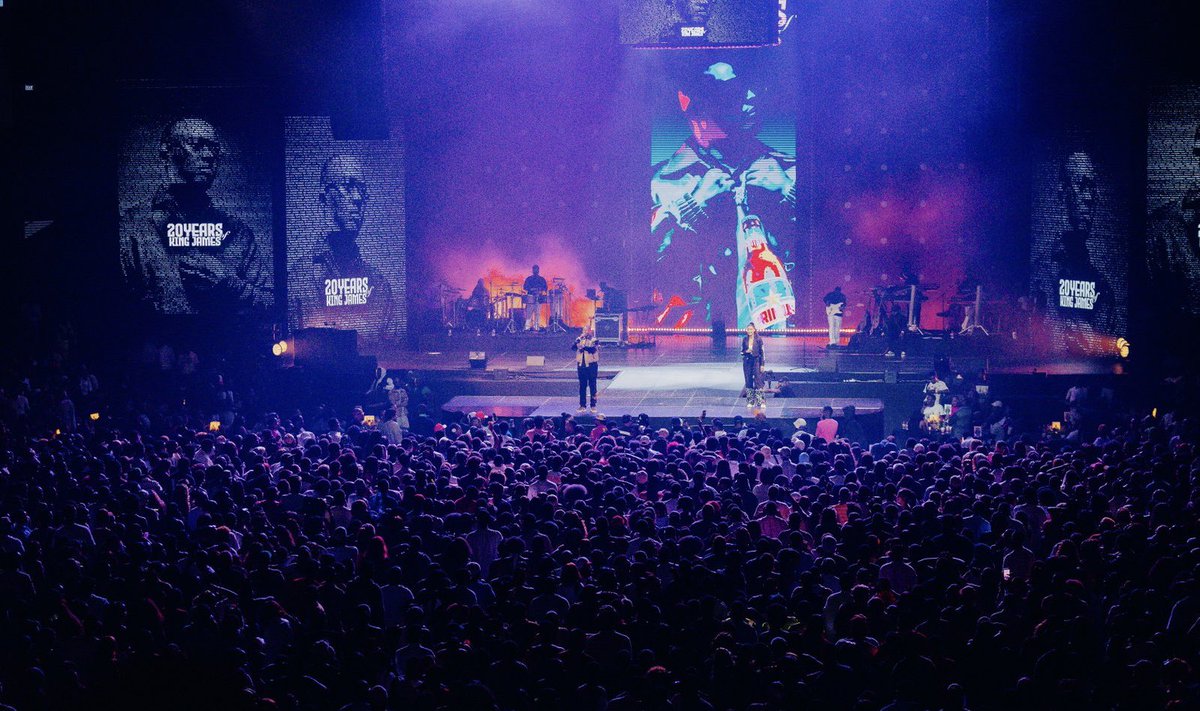
Yesterday, one of Rwanda’s biggest artists performed at Kigali Arena. Looking around, i would estimate that nearly two-thirds of the audience were young people between the ages of 17 and 35. Many were students, while others were already working. One observation stood out to me. Those below 18 were mostly with friends and peers, not with their parents. That is understandable, as parents cannot be everywhere.
What concerned me more was what happened after the concert. Many young people walked away carrying heniken and petite mizing bottles and cans of alcohol, while others had alcoholic syrups. It raised a simple question: should alcohol be sold inside venues that attract such a large number of young people?
In many countries, alcohol is consumed in controlled environments like homes, bars, restaurants, hotels, or private events. Some even prohibit people from openly carrying alcohol in public spaces. Yet at large entertainment venues where thousands of young people gather, access can be remarkably easy.
At the same time, we cannot ignore another reality. In many rural communities and urban suburbs, the bigger problem is not commercially sold alcohol, but illicit and unregulated brews. These products continue to harm lives and, in some cases, cause permanent damage to people’s health. Addressing youth substance abuse therefore requires looking at both ends of the problem: what happens in our cities and what happens in our villages.
Youth behaviour also reflects changing social and economic realities. Many of us grew up in households where resources were scarce. Our parents, relatives, and neighbours expected us to study hard, work hard, and contribute to lifting our families out of poverty. That responsibility shaped our choices.
Today’s young people face different circumstances. Some from middle- and upper-income families grow up without the same economic pressures, so social recognition can easily become a substitute for purpose. Others, especially those from disadvantaged communities, face unemployment, limited opportunities, and inadequate guidance, making them far more vulnerable to alcohol and drug abuse. These are different backgrounds, but they present equally critical challenges.
This is why I believe we need a deeper societal conversation. During Umuganda, citizens’ assemblies, parents’ evenings at schools, youth forums, and even meetings of registered political parties, how much time do we actually spend discussing the issues quietly shaping the next generation?
Rwanda does not lack spaces for dialogue. What we sometimes lack is the willingness to use those spaces to confront the real issues affecting our communities. Preventing youth delinquency is not only the responsibility of parents or the police. It requires families, local leaders, schools, religious institutions, businesses, and communities to work together. When warning signs are visible but go unaddressed, we should all pause and ask whether we are paying enough attention to the future we are shaping.
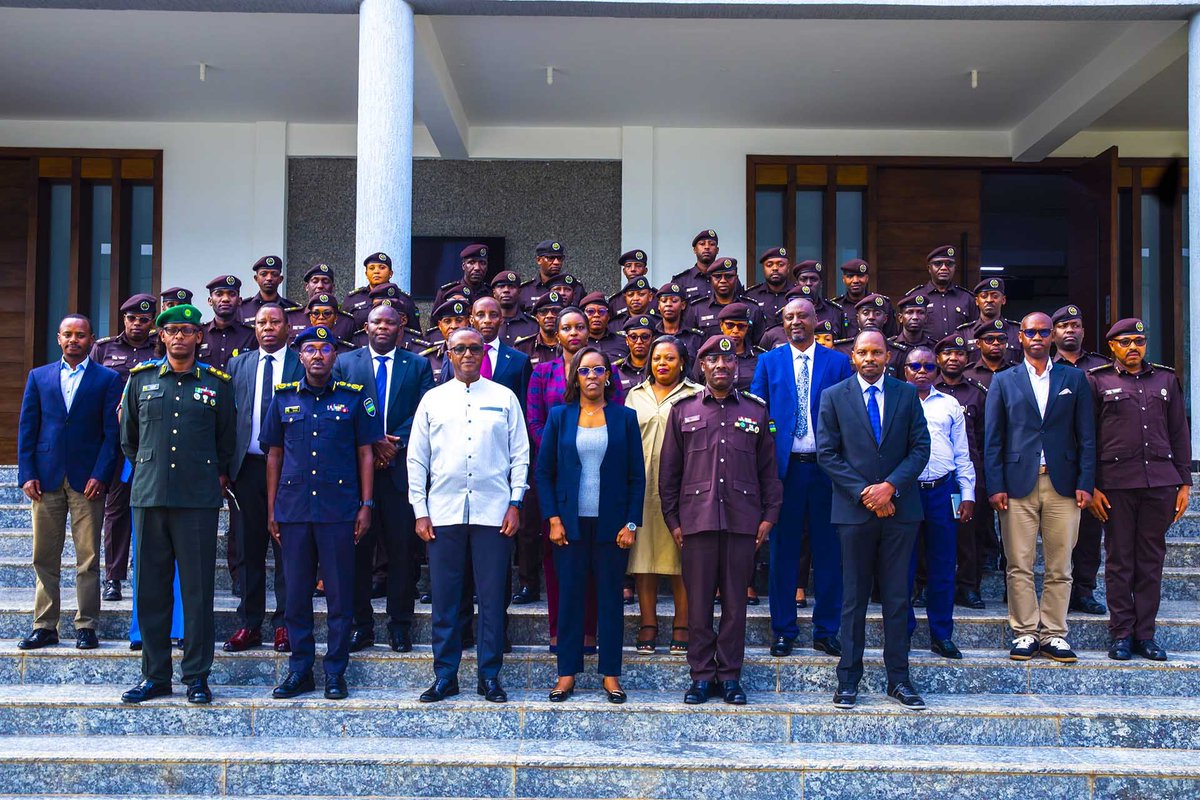
Uyu munsi kuwa 26 nyakanga 2026 @BugeseraDistr, Dr Vincent Biruta Minisitiri w'Umutekano mu gihugu @RwandaInterior yasoje umwiherero w'iminsi itatu w'Abayobozi bakuru ba RCS waberaga i Gako.
https://t.co/s3bKUgVv8S
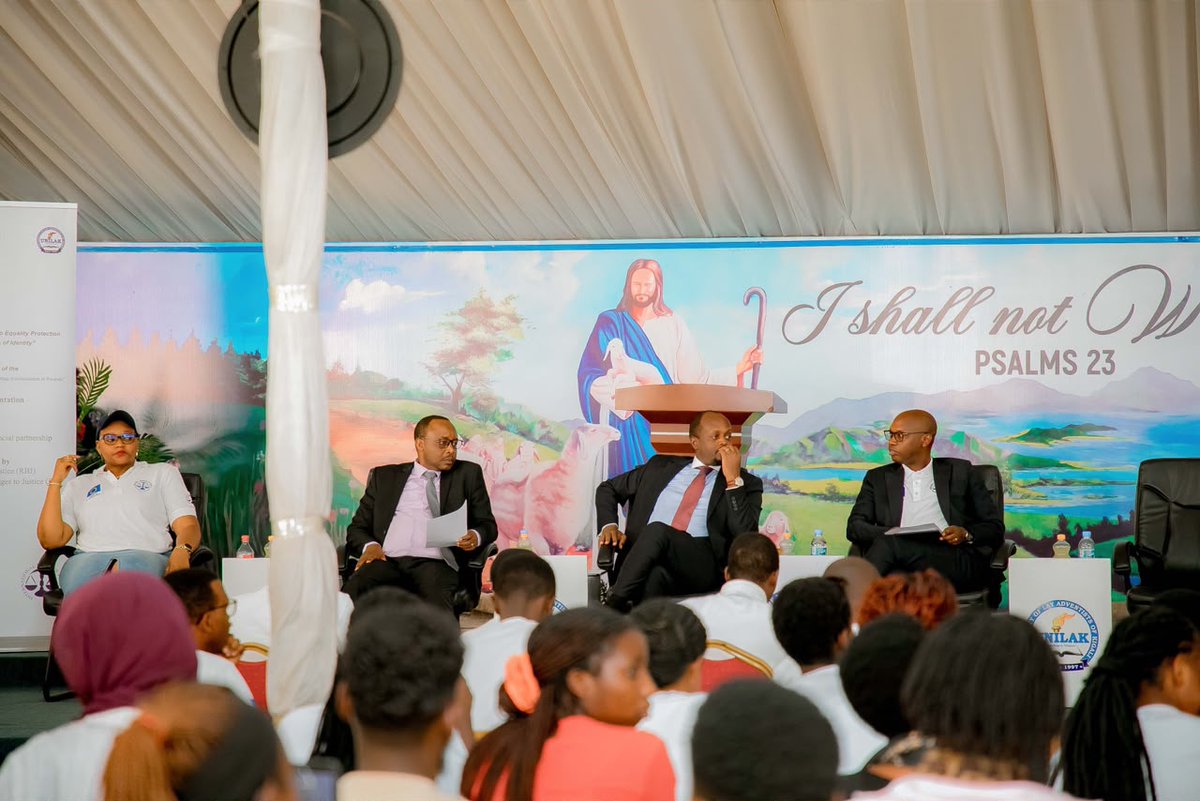
As part of RBA mentorship initiative the President of RBA delivered a public lecture at UNILAK, he encouraged law students to embrace Alternative Dispute Resolution (ADR) as a dynamic and growing avenue/opportunity for legal practice. 1/2
🇰🇪 vs 🇹🇿 the corridor war for East Africa’s cargo
1. Mombasa leads: 45.45M tonnes in 2025 (+10.9%) vs Dar’s 27.7M tonnes (+15%) about 62% share.
2. Tanzania’s edge: Rwanda, Burundi, DRC are all closer to Dar. New 2,561km SGR + tripartite deal with Burundi/DRC backs that up.
3. Risk for Kenya: up to 40% of Rwanda-Burundi traffic could shift to Tanzania by 2030 if Uganda’s bottleneck isn’t fixed.
4. DRC’s the real prize 5.9M tonnes via Dar in 2024/25, yet its Mombasa cargo still grew 16.5%.
Who wins this decade?
Tubifurije ikiruhuko cyiza.
—————————————
We wish everyone a pleasant public holiday.
—————————————
Nous vous souhaitons à tous un agréable jour férié.
Fewer than 1 in 10 African adults have accessed higher education.
For ASG President, @Francis_Gatare, that stat reframes the challenge: Africa's problem isn't a shortage of technical expertise, but a deficit of values-driven leadership.
The good news? Values like transparency, fairness and integrity can be taught.
That's the conviction behind ASG's three pillars: ethical leadership, the pursuit of excellence, and service to others. Read more 👇
A UK student's reaction is going viral after Prime Minister Keir Starmer said Britain will ban children younger than 16 from using social media.
During a BBC interview, the student revealed her screen time was nine hours over the weekend. When asked how she'd fill all that extra time without social media, she didn't hesitate: "Stare at a wall."
The deadpan response is quickly becoming one of the most shared reactions to the UK's sweeping new restrictions on children's social media use.
The world is waking up to the challenges and effects of social media platforms and adult content sites on children.
Ghana CANNOT be left behind. A responsible government works in the interest of current and future generations.
Decisive action is the test of true leadership. 🦁🇬🇭