Here's a blog post summarizing @manoelribeiro's research on post approvals in online communities! To paraphrase a key takeaway, "post approvals creates communities centered around fewer, higher-quality posts". https://t.co/WGoO92MYiM
In our latest @icwsm paper, we study how proactive moderation impacts groups on Facebook. We do so by studying a feature called "Post Approvals," popular among groups that seek to ensure a high standard of quality for all their posts
🧵https://t.co/nKyqAfxzMm
Our paper is out in @PNASNews (w/ @andyguess, C. Tarnita):
Using a model & Twitter data, we show that polarized news coverage can lead people to unwittingly sort their social networks along political lines, even w/o knowing their friends' politics! 1/🧵⬇️ https://t.co/PMcabTrWI2
Awesome new paper from some of my favorite researchers. They designed a very nice experiment and this punchline is 💯: Dealing with a biased sample is challenging for statistical models AND mental models of the world. https://t.co/EupwDMBdnz
What does it mean to make causal inferences about conversational behaviours? Why does that matter, why's it difficult, what would it take to get there? My #CSCW2020 paper w/ @m_sendhil & @Cristian_DNM takes a step towards addressing these questions https://t.co/vmnCQVSohg [1/]
If you’re interested in working on computational social science problems at FB in 2021, I’m looking for interns! Also happy to chat about any questions you have! More info: https://t.co/p6x14RImXL
@RondaLoPsych Hey, and thanks for the interest! I’m not super familiar with this, but immigration-related questions would probably be best discussed with your potential recruiter who would know more.
@kornraphop Projects usually get decided closer to the start date, usually I’ll spend some time discussing what the student would like to work on. As an example, here’s a recent paper from a past intern: https://t.co/RitxeEr4Kw
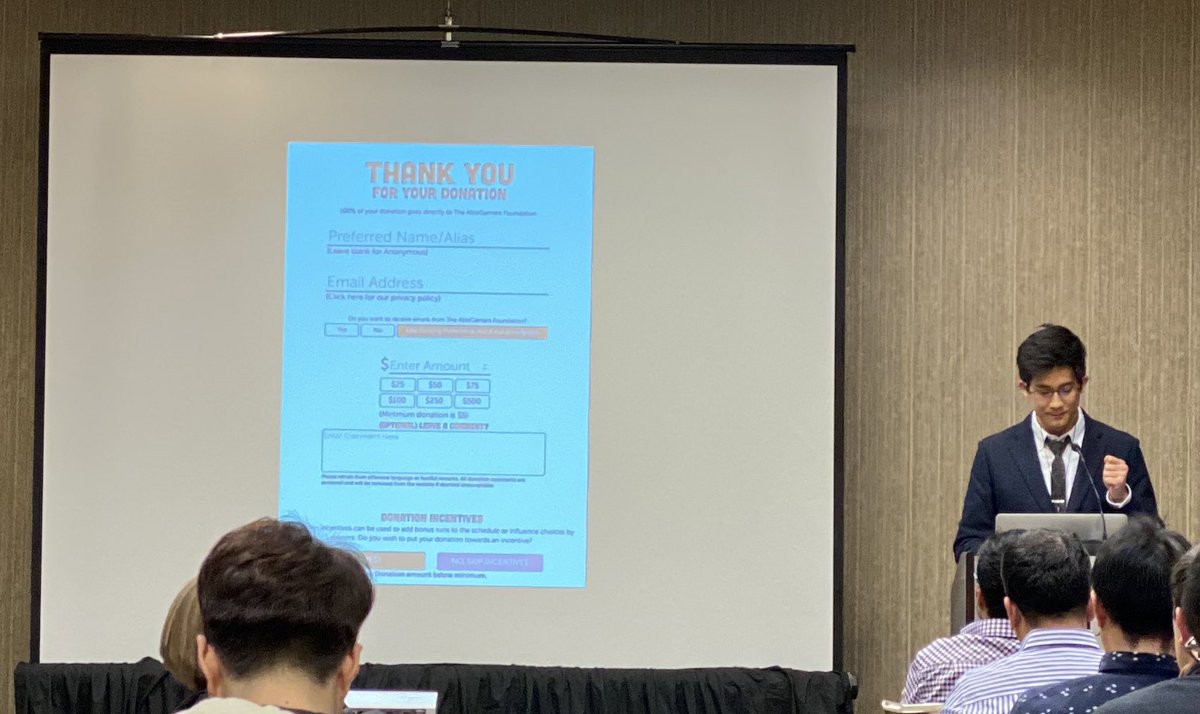
Research on @GamesDoneQuick by Stephen Tsing-Han Sher suggests that featuring “the couch” on stream helps create a virtual living room that viewers can be a part of. #CSCW2019 https://t.co/KBBM4E9qwL
A large-scale analysis of dark patterns on shopping websites found that (1) 40% of countdown timers don’t actually matter (2) 9% of uses of social proof (e.g., “N people bought X in the past hour”) are false. Work by @AruneshMathur at #CSCW2019 https://t.co/CUygBTEZ0T
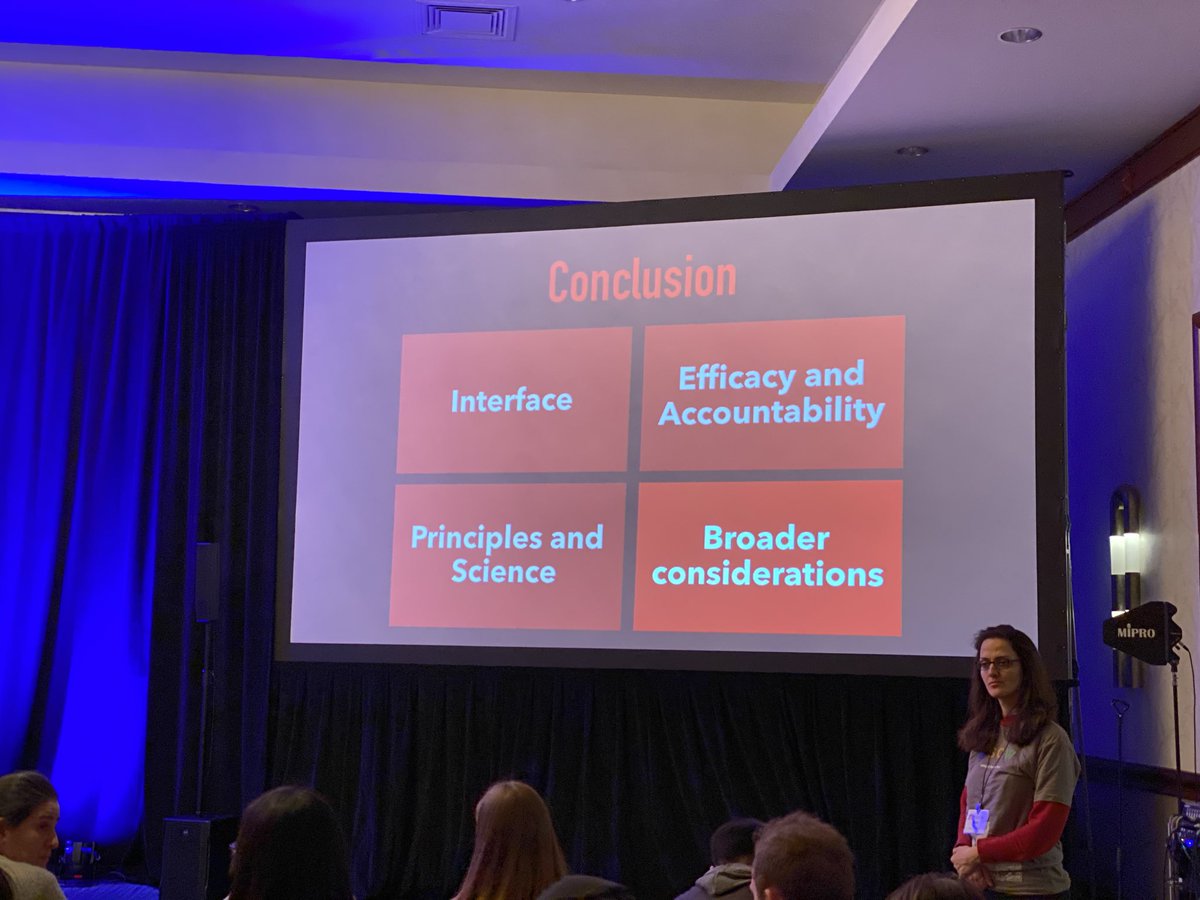
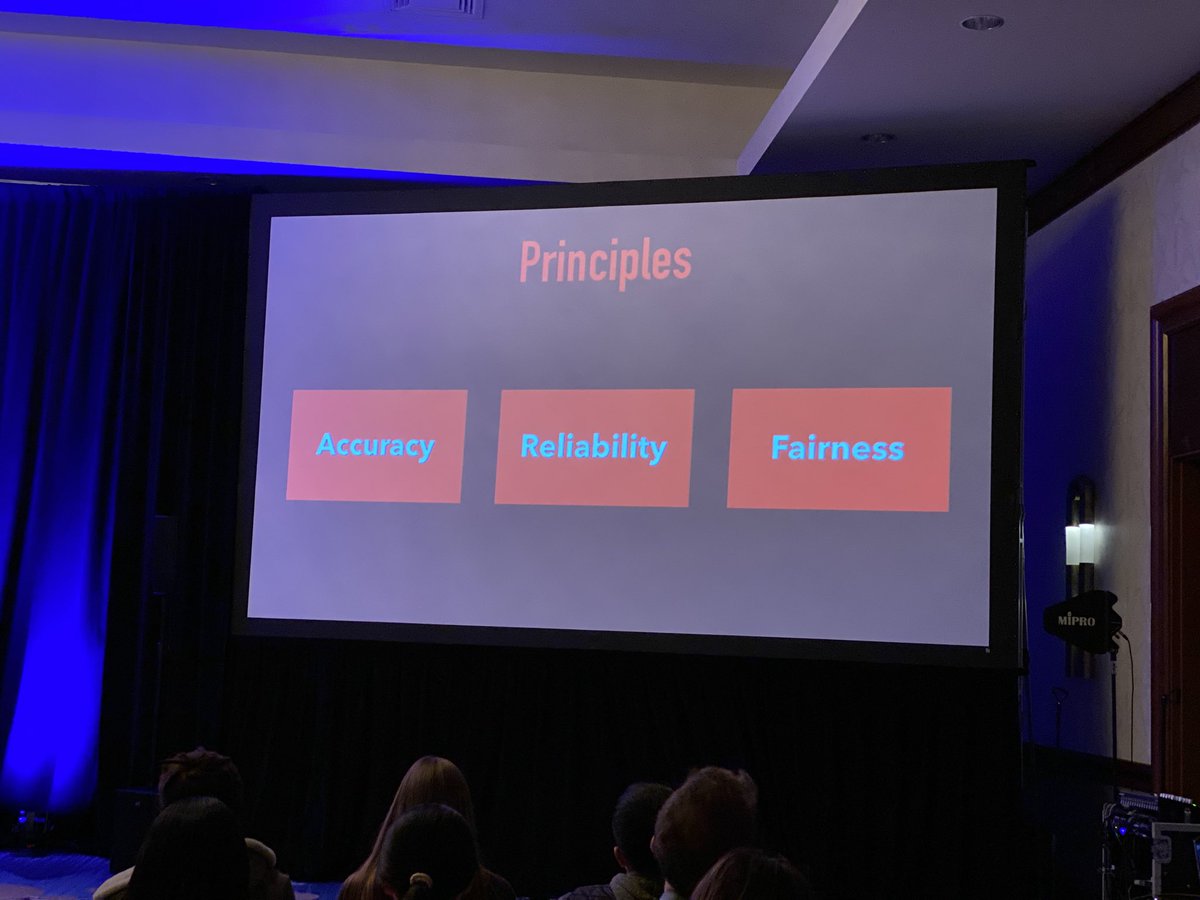
Algorithm-in-the-loop decision making should be accurate, reliable, and fair. But people don’t do the last two: they don’t rely more on an algorithm even if it’s more accurate, and rely on their own judgment more when evaluating some groups of people. @benzevgreen at #cscw2019
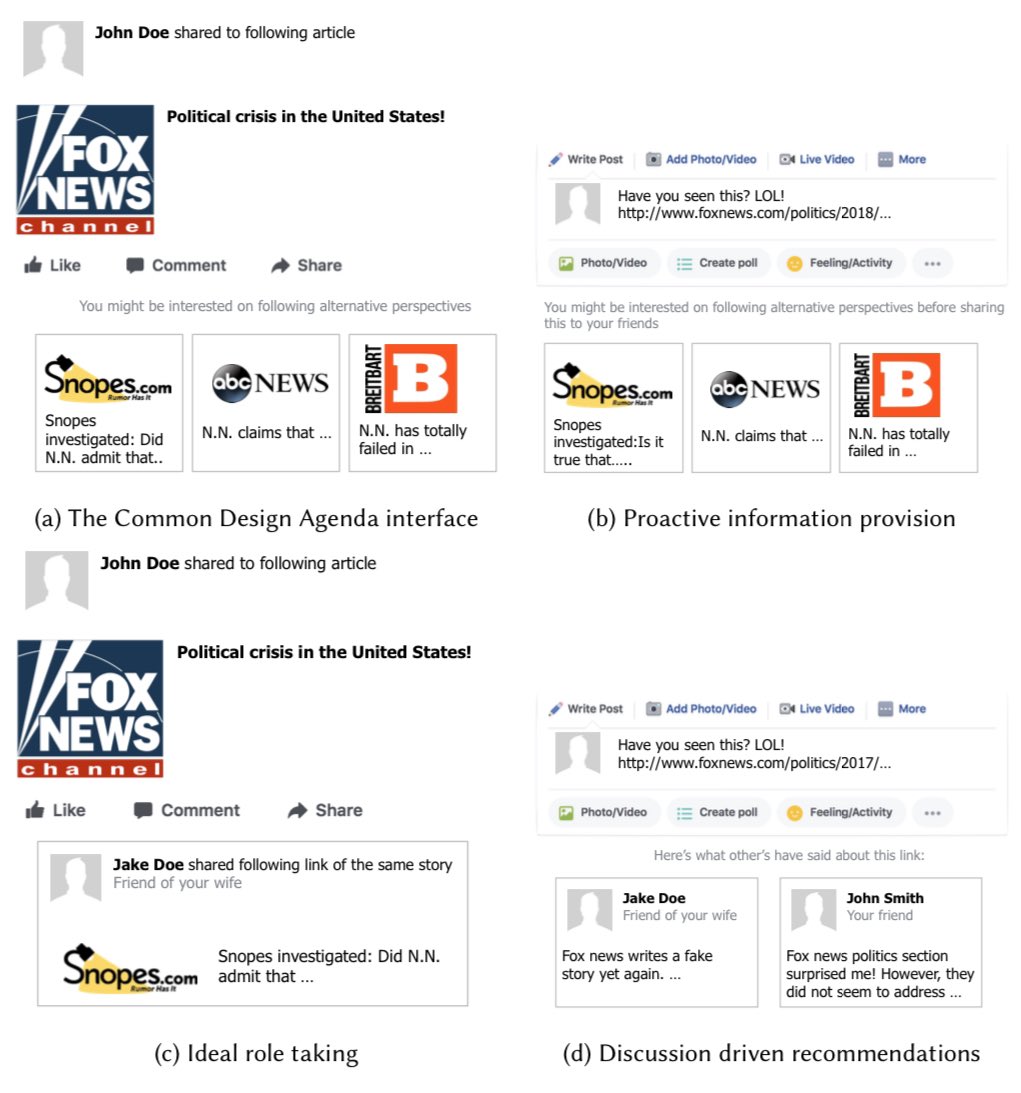
Many factors to consider when designing interventions for reducing political polarization (e.g., if an interface seems to question a person’s competency). By @matnel at #cscw2019
https://t.co/HkuVxVSb7t