GC & CCO @opennode. Founder, @charleswnnsboro. Passionate about BTC adoption in Africa, and preparing Africans across the diaspora for the future of work.
I sent $1,000 from New York to Lagos through 8 payment rails. The best delivered ₦1,400,000. The worst delivered ₦1,323,000. That ₦77,000 gap = one month of groceries for a family in Lagos.
Yesterday's rail comparison got sharp feedback. The strongest critique: "Try this on a low-liquidity corridor. I bet stablecoins don't look the same."
Fair. So I redid the experiment on the hardest corridor I could find: Nigeria.
𝗪𝗵𝘆 𝗡𝗶𝗴𝗲𝗿𝗶𝗮 𝗯𝗿𝗲𝗮𝗸𝘀 𝘁𝗵𝗲 𝘂𝘀𝘂𝗮𝗹 𝗻𝗮𝗿𝗿𝗮𝘁𝗶𝘃𝗲:
The Naira isn't one currency. It's two.
→ The official CBN rate: ₦1,345 per USD. Banks, SWIFT, Wise, Western Union must use it.
→ The parallel market rate: ₦1,400 per USD. It's where real dollar supply meets real demand.
That 4% gap isn't a fee. It's the government pricing the naira higher than anyone is willing to pay for it.
𝗪𝗵𝗮𝘁 $𝟭,𝟬𝟬𝟬 𝗮𝗰𝘁𝘂𝗮𝗹𝗹𝘆 𝗱𝗲𝗹𝗶𝘃𝗲𝗿𝗲𝗱 𝗶𝗻 𝗟𝗮𝗴𝗼𝘀:
🥇 USDT P2P: ₦1,400,000 (30 sec, $0.01)
🥈 Yellow Card: ₦1,393,000 (2 min)
🥉 Bitcoin: ₦1,393,000 (~10 min)
4️⃣ Sendwave (International Remittance): ₦1,372,000 (15 min)
5️⃣ Wise: ₦1,344,000 (CBN rate)
6️⃣ Swift: ₦1,344,000 (3-7 days, $50 fee)
7️⃣ Western Union: ₦1,330,000
8️⃣ PayPal Xoom: ₦1,323,000 (5.5% hidden spread)
𝗛𝗲𝗿𝗲'𝘀 𝘄𝗵𝗮𝘁 𝘁𝗵𝗲 𝗰𝗼𝗺𝗺𝗲𝗻𝘁𝗲𝗿𝘀 𝘄𝗲𝗿𝗲 𝗿𝗶𝗴𝗵𝘁 𝗮𝗯𝗼𝘂𝘁:
That USDT P2P rate only exists because someone, somewhere, holds naira and wants dollars. The P2P desk IS the off-ramp. It's real infrastructure, with real liquidity risk.
But here's what they couldn't see on the Paris–NY corridor:
In a dual-rate economy, stablecoins aren't just faster. They give you access to a different price. The real price.
Nigeria has the world's 2nd-largest P2P crypto volume. Not speculation. Access to the actual dollar rate, without flying to Lagos with a suitcase.
The next decade's fintech question isn't "will stablecoins replace SWIFT?"
It's "what happens when 2 billion people in dual-rate economies realize they can bypass the official channel?"
₦77,000 on $1,000 tells me the question is worth asking.
PS: I'm the founder of @subyhq and I weekly posts on payments, stablecoins, and building across borders. Follow for more.
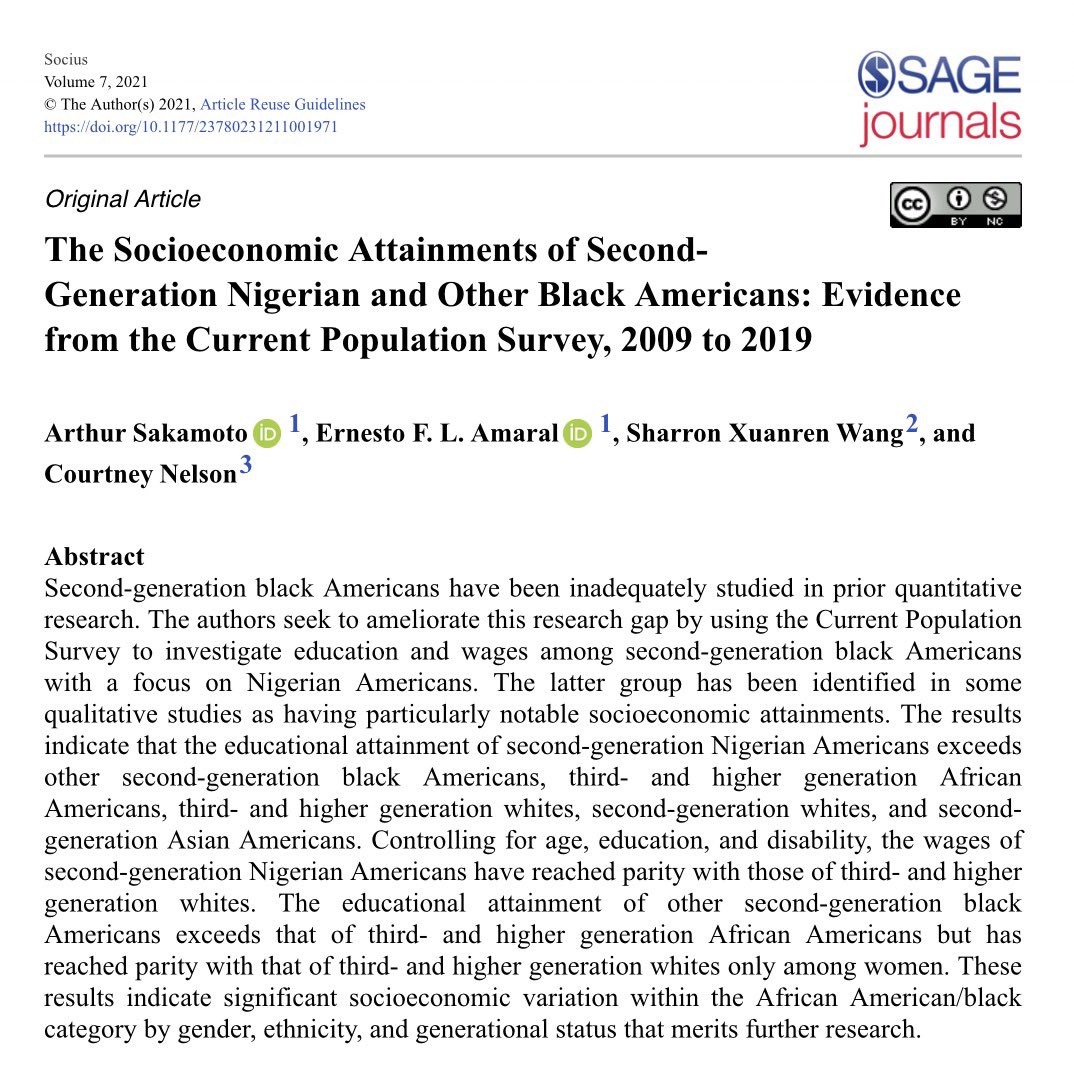
“the group that stands out the most is second-generation Nigerian Americans. Their educational attainment exceeds all other racial/ethnic groups, including Asian Americans”
One of the most shameless lies still told about colonialism is that European powers gifted Africa its roads, its schools, its hospitals. Shut up! You gifted us nothing. We built it, we paid for it, we bled for it.
Those roads were not built so African farmers could trade with each other or so African communities could grow. They were built to move our minerals and our crops from the interior to the ports and ship them to Europe.
Every kilometre of colonial railway followed the same logic: not to serve us, but to drain us. The hospitals were built to keep labourers alive enough to keep working, not because colonial administrators believed African lives had value, but because a sick worker interrupts the extraction schedule. My grandmother was denied treatment for her twins dying of smallpox because my grandfather was in prison for resisting colonial rule. She lost one of them.
And who built any of it? Our grandparents. Forced, beaten, worked into the ground under quotas, mutilated when they failed to meet them. When someone calls that a gift, what they are really asking is that we thank our oppressors for the infrastructure our own suffering produced.
We also paid for it in cash. In 1932, French colonial commissioner Robert de Guise imposed new taxes on Togolese people whose incomes had already collapsed by nearly sixty percent during the Great Depression. When women dared to protest, France shipped 174 colonial soldiers from Côte d'Ivoire to crush them. Girls as young as thirteen were raped and 12 protesters were killed. That is how the roads, the schools, the administrative buildings, the hospitals were financed: with our blood. Not European generosity.
And when independence finally came, the colonisers left with a bill. They calculated the cost of everything they had built through our coerced labour and our taxed income, called it colonial debt, and demanded repayment from the very nations they had spent a century looting. We paid for our own exploitation. Twice!
In Europe, when a government builds a road, no citizen is asked to be grateful. It is called public service. But when colonisers built infrastructure on our land, with our bodies, with our money, after killing and raping us, we are expected to call it the "benefits of colonialism". The audacity!
Nigeria is ranked #1 in global USDT and USDC ownership.
Not the US. Not the UK. Not Singapore.
Nigeria.
59% of Nigerian crypto users hold USDT. 48% hold USDC. More than any other country surveyed. India is third. Brazil close behind.
The reason is obvious once you see it: in countries where local currency loses 20–40% of value annually, stablecoins aren't a crypto product. They're a savings account. A dollar-denominated store of value that doesn't require a US bank account.
Here's what the data doesn't show: most of those stablecoin holders can't use their USDT to buy anything.
No merchant acceptance. No subscription billing. No automatic payment. No way to pay a supplier. They hold the dollars. They can't spend the dollars. They convert back to fiat every time they need to transact.
The gap between stablecoin adoption and stablecoin utility is most visible not in San Francisco or Singapore. It's in Lagos, Jakarta, São Paulo.
$308B in circulation. The people who need stablecoin commerce most have the fewest tools to access it.
That's not a distribution problem. That's an infrastructure problem. The rails exist everywhere. The billing layer doesn't exist anywhere.
That's who we're building for.
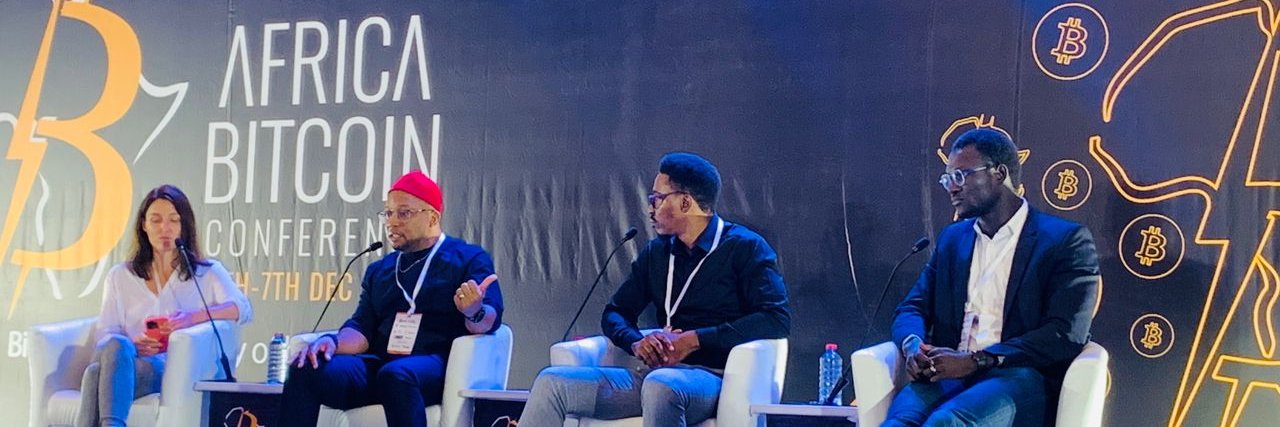
In the continuing curious case of a Bitcoiner talking about stablecoins, I'll be on stage shortly at Merkle Meets DC 2026, where industry leaders, regulators, and institutions are discussing the future of digital assets, compliance, and financial crime prevention.
8/ The countries and institutions that understand the distinction between denomination and settlement will shape the emerging financial architecture.
The ones that don't will inherit it.
Full piece: https://t.co/cCVB9EoTkU
Most stablecoin debates focus on the wrong layer.
Denomination (which token) and settlement (how it moves) are two separate things. Confusing them is an expensive mistake.
A thread. 🧵
7/ Dollar denomination and settlement neutrality are not the same thing.
You can denominate in dollars while settling on neutral, decentralized rails.
Or you can denominate in dollars while quietly embedding a new layer of dependency.
Architecture is the choice.
Updating Nigeria’s laws to cover Bitcoin was the easy part.
Implementation is where outcomes will be decided.
A risk-based approach matters far more than labeling all crypto assets or VASPs the same:
https://t.co/zoMLZYMCXg