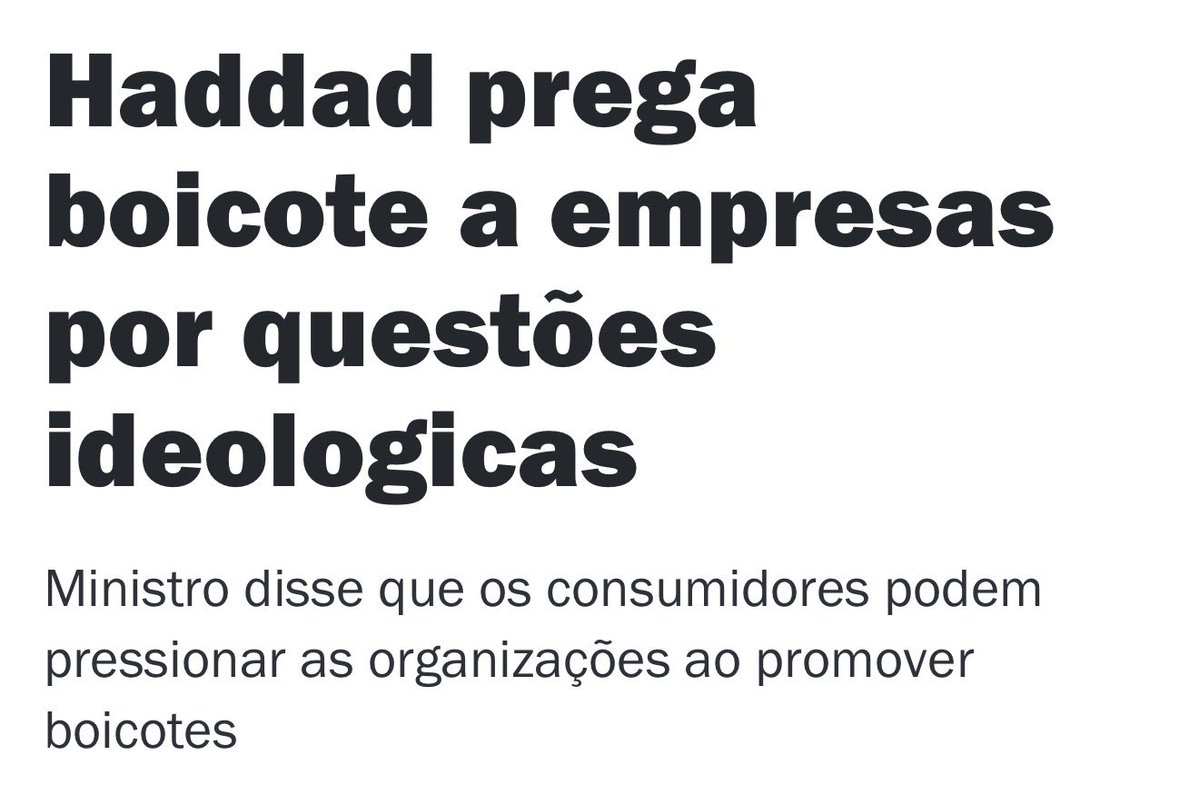
The fact the Glenn, who lives in Brasil considers the Lula regime corrupt and totalitarian, should wake up the leftist mainstream media. But again, they appear to be controlled. The question is, who is the puppet master?
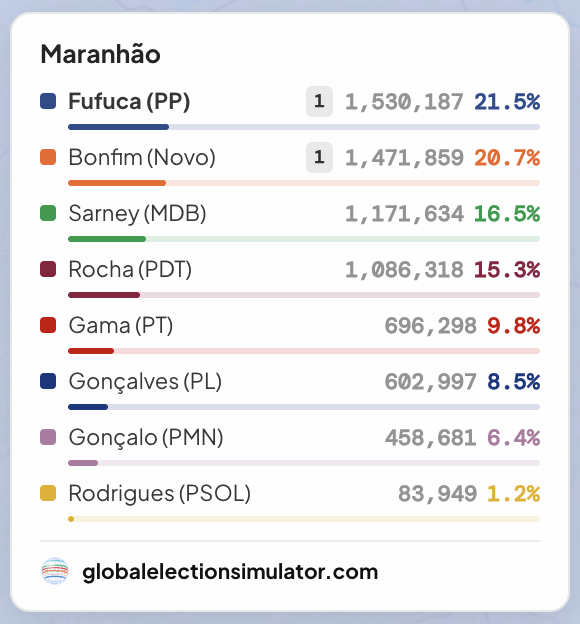
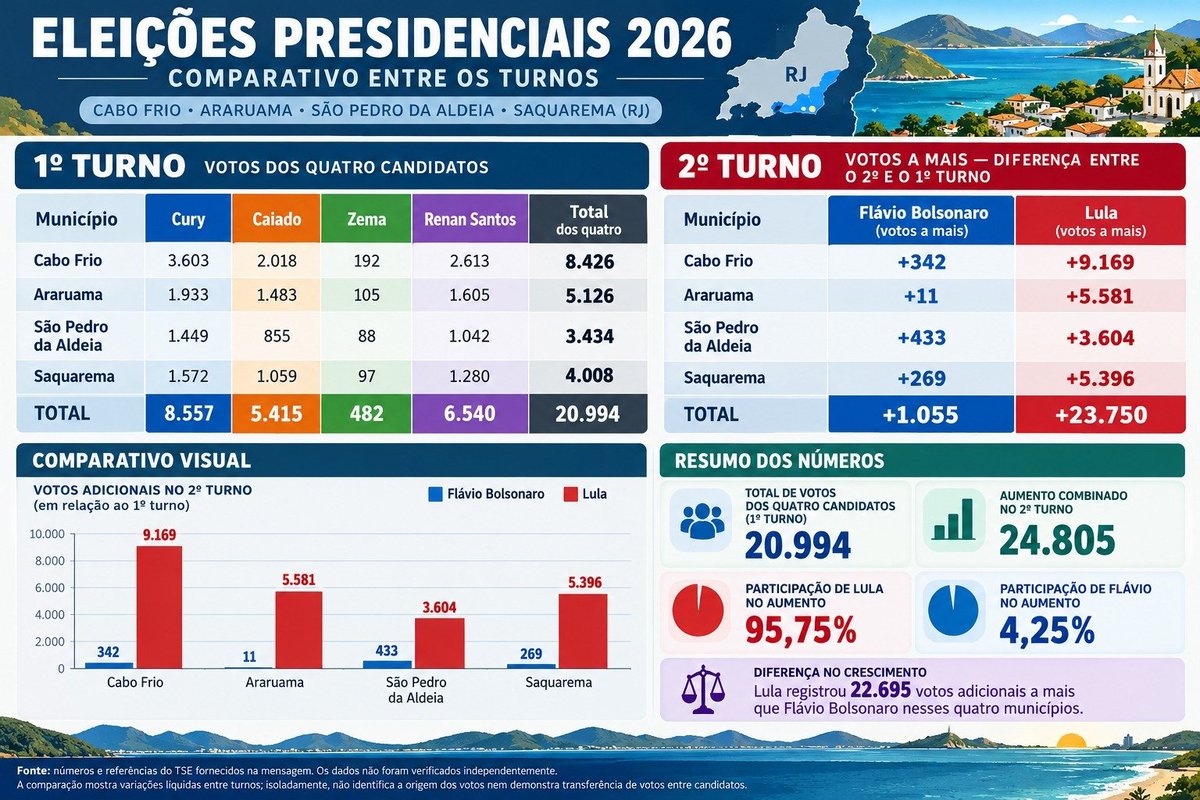
Maranhão elected two right-wing senators this year while voting for Lula by nearly 40pp. This is proof that the electorate and the ballots in the second round were not the same electorate as in the first round, and that Lula won because of new votes, not vote transfers from the third way: https://t.co/AFe8O5aDtD
Can you read this? I have this question for years.
The electronic ballot box is vulnerable to human fraud.
The result is not decided by the machine itself. It is decided by the software the machine runs and by the media it accepts. That software is prepared by a small group of TSE civil servants. The most visible name is Júlio Valente, Secretary of Information Technology since 2021. The rest of the team that writes and signs the code does not have publicly known names. No one elected them.
The sealing ceremony only guarantees that the signed software is what runs. It does not guarantee that the software is honest. If this team wants to, it can put code into the system that alters votes in a consistent way. After sealing, the digital signatures and hardware only confirm that it is the official software. They do not detect whether the official software is wrong.
In the second round, the same team generates the loading media. In roughly 21 days, with only two candidates, it is possible to produce a media that the already-sealed software is programmed to interpret maliciously. The machine accepts it because the media is “official.”
After voting, the result media leave the polling stations and are handled in electoral offices, in open rooms, by staff. The Maringá video shows exactly this: bags arriving, media sitting on desks, insertion into computers. Protection at this stage is almost entirely digital. The team that controls the system that accepts or rejects these media is the same technical team.
There is no technical barrier that absolutely prevents those who control the software and the generation of the media from deciding the result. Ultimate security depends on the integrity of a small, unelected, and little-known group. If that group is corrupt, the current system does not prevent fraud.
What could an independent audit actually uncover about the Zanin Window?
Consider a hypothetical candidate named Lolo with privileged technical access. Lolo might attempt to substitute section results, alter aggregation records or interfere with which results were accepted. Those attempts would have to overcome safeguards and survive comparison with authentic local tallies. The Zanin Window itself would not grant that access. Nor would it erase the printed Boletins de Urna already held outside central custody.
That gives investigators a concrete test. You could compare independently preserved originals with signed electronic files, every accepted or replaced version, and the published totals. Examine administrative access and changes before, during and after the interruption.
A separate hypothesis—compromised machine software before local tallies were generated—requires different testing and would not depend on the Zanin Window.
An independent audit with international experts and observers should establish whether any records changed without justification, whether safeguards held, and whether any discrepancy could affect the outcome.
The audit must be capable of exposing manipulation—and of clearing the system if the records support it.
🚨🇧🇷 I DUG DEEPER INTO THE BRAZILIAN SUPREME COURT’S RECORDS, AND I DISCOVERED WHO INITIATED THE PETITION THAT HAS LED TO THE RESTRICTIONS ON FLÁVIO BOLSONARO’S PASSPORT!
Remember how the Federal Police submitted a request to seize Flávio Bolsonaro’s passports just SEVEN MINUTES after Lula’s election victory was confirmed?
Well, I started digging into the STF’s records and found something else.
On October 19, SIX DAYS BEFORE THE ELECTION, a petition was filed under case number PET 16952.
The applicant listed in the court records is Luiz Lindbergh Farias Filho (@lindberghfarias), a politician from Lula’s socialist party (PT). The respondent is Willer Tomaz de Souza, a lawyer associated with Flávio Bolsonaro.
On October 23, two days before the election, the case was assigned to Supreme Court Justice Alexandre de Moraes, not through a random lottery, but through a procedure called distribuição por prevenção, meaning Moraes was considered responsible because of an earlier related proceeding.
And here’s where things get insane.
Lindbergh had also reportedly requested investigative measures involving Flávio Bolsonaro and Willer Tomaz. On October 23, Moraes ordered financial restrictions against Tomaz.
Then, on October 25, the very night Lula’s election victory was confirmed, the Federal Police requested restrictions on Flávio Bolsonaro’s passports in another proceeding, PET 16877.
The Federal Police reportedly used Flávio’s relationship with Willer Tomaz and concerns about Tomaz leaving Brazil as part of its justification.
But here’s another detail: according to reporting, the bank Santander had already informed Moraes that Flávio had never been registered as a user of a bank account that had raised investigators’ suspicions.
And yet the passport request proceeded that evening.
Now try to examine the underlying judicial documents.
ACCESS DENIED.
PET 16952 is classified under Segredo de Justiça. Even a Brazilian lawyer attempting to access its restricted documents without authorization receives an access-denied message.
We can see the filing dates. We can see the parties. We can see that Moraes received the case before the election.
But we cannot examine the documents needed to establish precisely how these proceedings were connected, what evidence was submitted, or why particular measures were considered necessary.
And that is precisely the problem.
The Brazilian Supreme Court is supposed to serve the Brazilian people. Judicial secrecy may be legally justified in some circumstances, but that cannot eliminate the need for accountability.
How are Brazilians supposed to scrutinize the actions of their highest court when crucial documents are inaccessible?
Who initiated these requests? Which earlier proceeding justified Moraes’s assignment? How exactly did PET 16952 relate to PET 16877? And what evidence ultimately justified the restrictions against Flávio Bolsonaro?
These are legitimate questions.
THE BRAZILIAN PEOPLE DESERVE ANSWERS, NOT JUST ANOTHER “ACESSO NEGADO.”