React Native Graph is a high-performance line chart library for React Native built on Skia, used in production for thousands of token graphs.
- Up to 120 FPS animations with native path interpolation
- Smooth pan/scrubbing gesture for interactive selection
- Cubic bezier rendering for sharper curves
- Light-weight mode for rendering many graphs in lists
Explore it here:
https://t.co/OBhEJNmMNX
@investingluc Nice! I’ve been building something similar too and iterating continuously. Just know you will need to optimize for token use as it gets more complex!
Hey @grok,
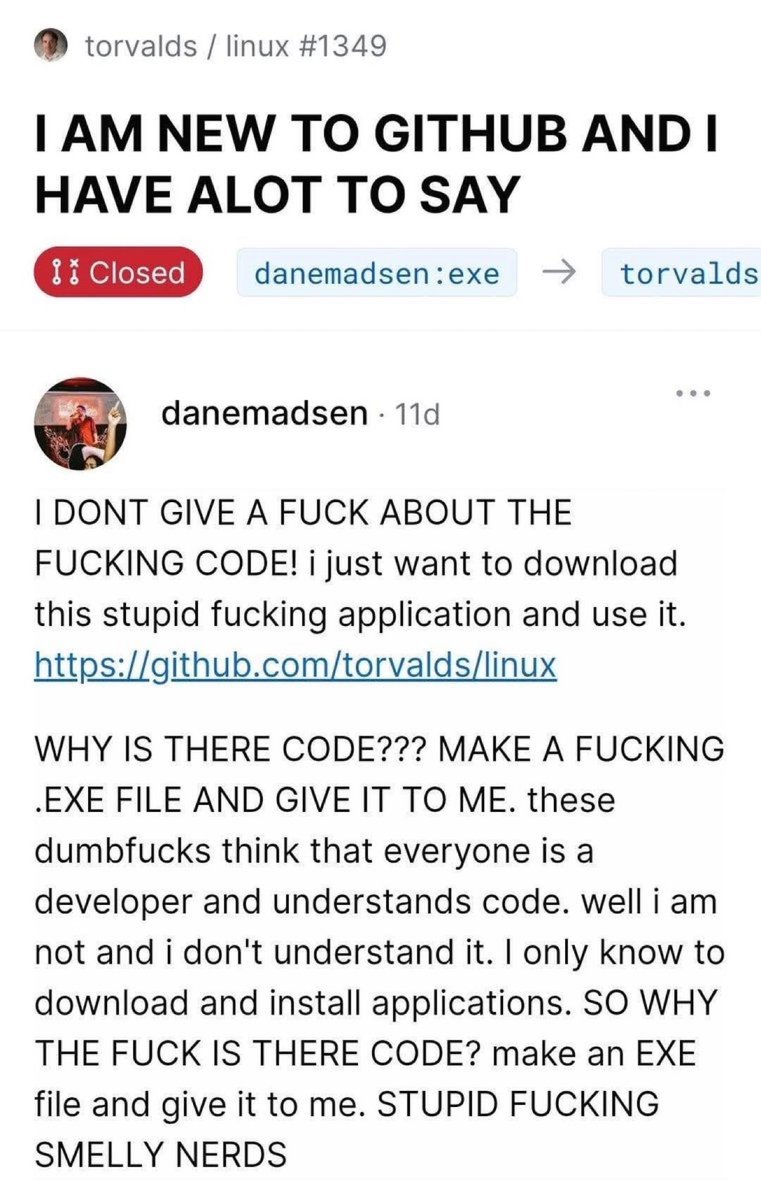
Draft a reply to this PR like Linus Torvalds would have.
even if he wouldn’t.
“I don’t care about the code, just give me an .exe”
Let’s see how that goes.
Time to consider not just human visitors, but to treat agents as first-class citizens. Cloudflare’s network now supports real-time content conversion to Markdown at the source using content negotiation headers.
https://t.co/B7wYH4PtA8
I'm Boris and I created Claude Code. Lots of people have asked how I use Claude Code, so I wanted to show off my setup a bit.
My setup might be surprisingly vanilla! Claude Code works great out of the box, so I personally don't customize it much. There is no one correct way to use Claude Code: we intentionally build it in a way that you can use it, customize it, and hack it however you like. Each person on the Claude Code team uses it very differently.
So, here goes.
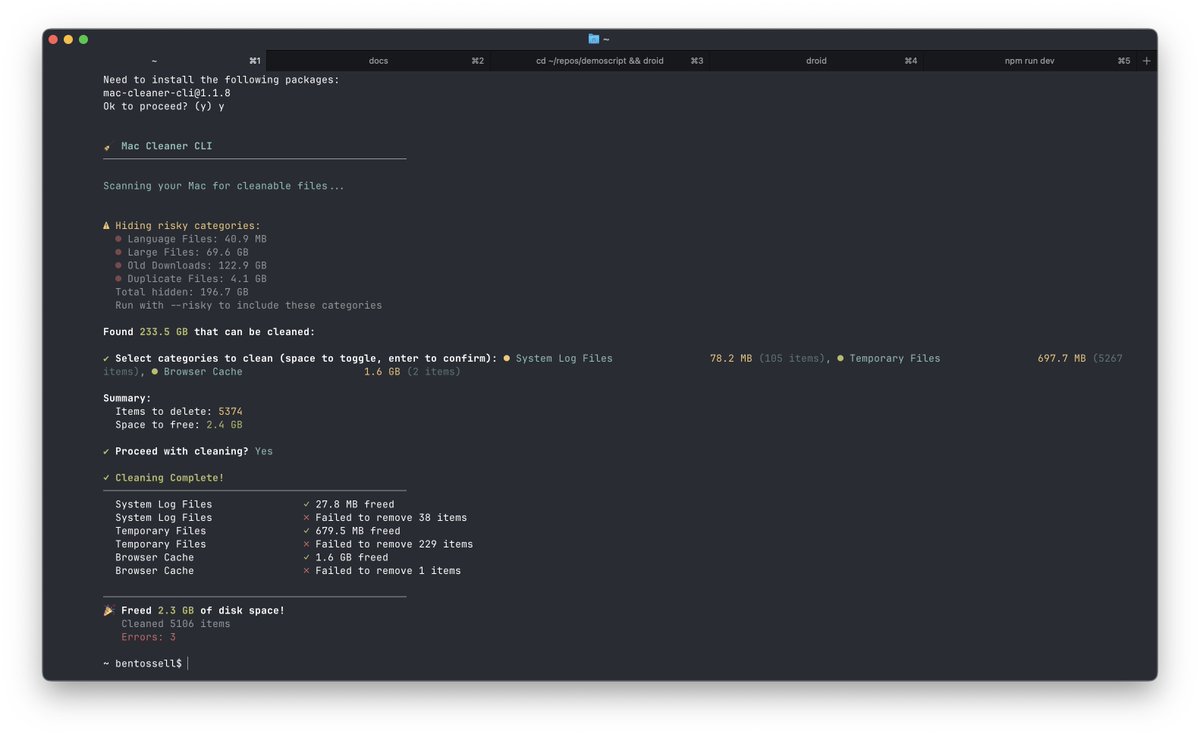
If you’re using Google @antigravity on macOS, you are likely running it in slow motion without realizing it.
It seems to default to CPU rendering on some Macs.
Run this in your terminal to force-enable GPU rasterization and actually unlock the IDE's full speed:
open -a "Antigravity" --args --disable-gpu-driver-bug-workarounds --ignore-gpu-blacklist --enable-gpu-rasterization
Thank me later 🚀
Opus 4.5 is insane. Just shipped v2 of my compounding engineering plugin—watch the video for my full thoughts on the model.
Compounding engineering plugin v2: https://t.co/lzuACEmb54
This wouldn't have worked a week ago. Previous models would derail after the second parallel thread. Opus 4.5 held the context, made the right decisions, and shipped clean pull requests to both repos.
New in the plugin: codify command (captures learnings automatically), updated plan mode, better prompting patterns for Opus 4.5's strengths.
If you're coding with Claude, this is your new daily driver.
@grok@Blaedy589@kaialyna@sciencegirl What are the latest advancements and treatment developments for managing or overcoming hidradenitis suppurativa (HS)?
Apple JUST quietly announced something that’s a lot BIGGER than it looks: "the Mini Apps Partner Program"
Apple is admitting that the future of software is embedded, lightweight, vertical mini-apps distributed inside bigger app
For founders who want to make $$ building apps:
1. Apple just legitimized the “superapp” model for the West.
China has WeChat mini-programs. India has PhonePe Switch. The West has… nothing. Apple just opened the door. You can now run HTML/JS mini-apps inside a native host and earn 85% on qualifying purchases. That’s Apple-sanctioned platform piggybacking.
2. Distribution arbitrage becomes real again.
You don’t need to convince users to download your app. Just partner with a host app and drop in a mini-app. This is a cheat code for early traction. Think: travel apps hosting niche tools, fitness apps hosting mini workouts, marketplaces hosting micro-utilities.
3. Apple is creating a new economy layer: “embedded SaaS.”
Imagine: CRM mini-apps inside vertical tools. Math solver mini-apps inside education apps. Calendar mini-apps inside productivity apps. The TAM for tools that don’t need standalone installs just went vertical.
4. Developers get an 85% revenue share.
This is Apple basically saying: “We want this ecosystem to grow, and we’re willing to cut our take rate.” When Apple lowers its cut, I pay attention because they see a platform shift coming.
5. AI makes this 10× more important.
LLM-powered micro-apps (calculators, planners, agents, coaches, niche utilities) are tiny by design. They’re perfect mini-apps. Apple just created infrastructure for AI-native micro utilities to live inside bigger apps with built-in commerce.
6. Host apps become new “distribution landlords.”
If you own an app with traffic, you become a platform. You can host mini-apps, take a cut, and build a developer ecosystem around you.
It’s a new monetization model for existing apps with audiences.
7. This unlocks a wave of second-order opportunities.
- Agencies helping apps become mini-app hosts
- Mini-app dev shops
- “Shopify for mini-apps” toolkits
- Mini-app marketplaces
- Analytics for mini-app performance
- Discovery engines for mini-apps
- I'll be dropping mini app ideas on @ideabrowser and @startupideaspod
TLDR;
Apple just turned every high-traffic app into a potential superapp and every indie developer into a potential platform partner.
The App Store is becoming modular, composable, and layered. The next decade of consumer apps will look less like standalone products and more like ecosystems stitched together with mini-apps.
This is quietly one of the biggest distribution unlocks in years.