My book What's Our Problem? is now available.
The book introduces a new framework for thinking about our chaotic political environment. With 303 drawings, it's a toolbox for understanding our societies, our group dynamics, and our own minds.
Get it here: https://t.co/BnPpcn0RYr
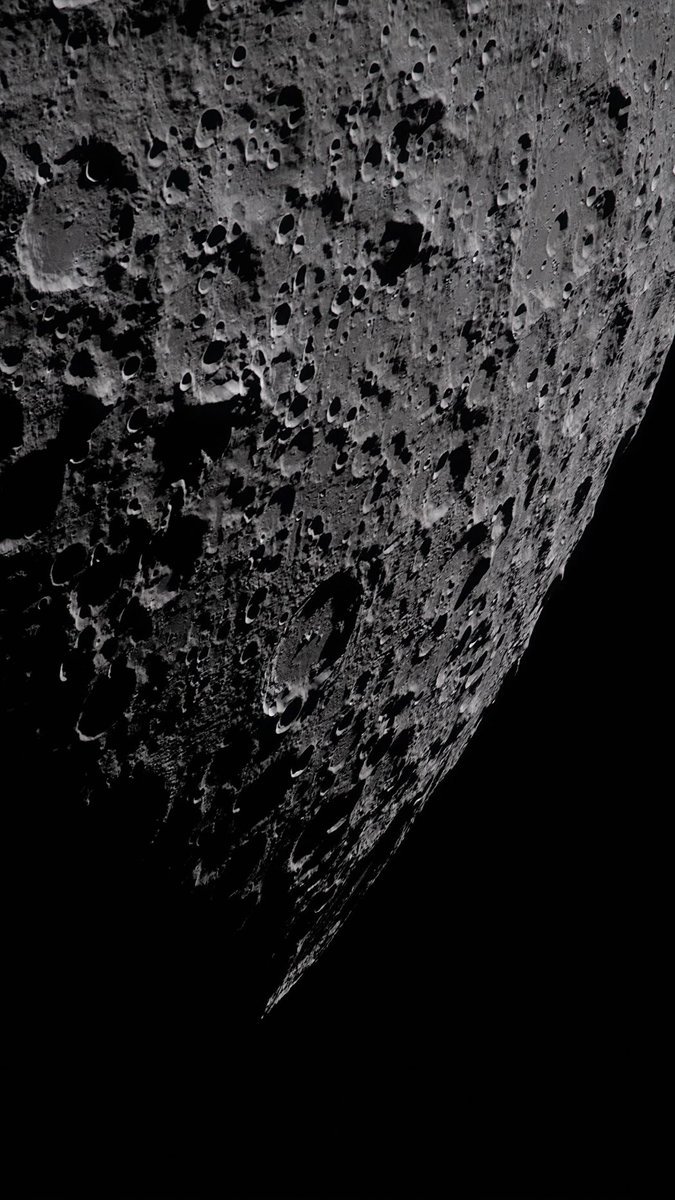
I wish this would never happen, but at least this one is an enhanced version of the actual image. I can't stand all the times when I get this huge dopamine hit from seeing an outrageous Jupiter shot only to learn it's entirely fake.
If you would like a taste of what my life is like right now, I wrote this in my book draft—
"It’s weird to think about how different aliens may be from us. Maybe they’re 100 feet tall. Or 6 inches tall. Maybe they’re not tall at all because they have 100 legs and look like long strands of spaghetti. Maybe they have giant balloon heads, 40 arms, and 70 boobs."
—and my fact-checker flagged the last sentence as a false claim, writing: "Highly unlikely on Earth-like biology. Mammary number correlates with litter size in several species, suggesting an evolutionary pattern, and is limited by the energetic cost of lactation."
Yeah, and my take overall is that you can believe that the threat is potentially real AND have concerns about onerous regulations that create a monopoly or duopoly or otherwise restrict the right to say, for example, open source AI technology, AND while knowing full well we are in a potentially existential battle with China about who can dominate AI.
Indeed, all of these things SHOULD be considered in the analysis.
@adgo and I tried to explain a sensible First Amendment approach here, which both addresses the potential of catastrophic harm, which almost exclusively comes from when AI is given delegated authority, from helping keep the state’s grubby mitts off of what counts as knowledge.
Also, it's a good reminder that if you place too much hope in the idea that code is speech and the First Amendment protects it, the law is decreasingly on your side. But there are other ways of protecting inquiry, information, knowledge, and truth.
https://t.co/kOQpTdvWWy
One prominent theory says that long before our fish ancestors left the water, they did a lot of this, briefly scooting from pond to pond. Slowly, some evolved to be so good at scooting around on land and breathing air that they became fully amphibious.
main thing preventing us from having a productive AI safety conversation is identity. too many AI people want to be seen as intelligent by AI safety giants. too many skeptics want to be seen as critical of EA. you have to actually think. that is the only way we'll get there.