In 1945 the USS Indianapolis secretly delivered the parts for the atomic bomb that would hit Hiroshima.
Days later, mission done, a Japanese submarine put two torpedoes into her. She sank in 12 minutes.
Nearly 900 men made it off the ship alive and into the open ocean. Then it got worse.
No one knew they were missing. Three separate Navy stations picked up the distress signals and every one of them ignored it. One officer thought it was a Japanese trap. Another had ordered not to be disturbed.
So the men floated. For almost five days. No food, no fresh water, burning by day and freezing at night. Some drank seawater and went insane. And the whole time, the sharks were circling and feeding. It is considered the worst shark attack in human history.
When rescue finally came by accident, only 316 of the nearly 1,200 crew were still alive.
The Navy needed someone to blame for the disaster. They chose Captain Charles McVay, one of the men who survived it. He became the only U.S. captain in the entire war to be court-martialed for losing his ship to the enemy.
At his trial the Navy did something almost unheard of. They brought in the Japanese commander who sank the ship to testify against him. Instead, the enemy captain told the court that zigzagging would have made no difference and that McVay did nothing wrong.
They convicted him anyway.
For years afterward McVay got hate mail from the families of the dead. Some sent letters every Christmas telling him he murdered their sons. In 1968 he walked onto his front lawn and shot himself, holding a toy sailor he had kept since he was a boy.
Case closed. For fifty years.
Then in 1996 an 11-year-old named Hunter Scott watched Jaws with his dad and got hooked on the 30 second speech about the Indianapolis. He made it his sixth grade history project.
He tracked down and interviewed nearly 150 survivors. He dug through more than 800 documents. And buried in there he found what the Navy had left out, including that they knew enemy subs were operating right on the ship's route and never warned McVay.
A kid's school project turned into a national story. It reached Congress. In 2000 lawmakers passed a resolution clearing McVay's name and President Clinton signed it. The Navy officially cleared his record in 2001.
The captain the Navy spent decades blaming was finally exonerated by a sixth grader.
Hunter Scott grew up and became a naval flight officer.
This is Beau. He loves his small human. A little concerned about why he's being outlined like a crime scene victim. Deciding to give them the benefit of the doubt. 13/10
One of the loveliest stories ever.
We got a call about a dog in Thailand who was suffering in the heat. He had been kicked out in the streets.
Never did we think it would end like this… (1/6) 🧵
Australian discovers Texas Roadhouse…
First, he calls it a “fancy restaurant,” and he couldn’t be more wrong. Texas Roadhouse isn’t just a fancy ole restaurant. It’s a giant slice of heaven brought down to earth.
This man loves the bread, the free refills, the service.
In response to those outside the US complaining about tipping there: “You don’t have to tip… you WANT to tip. These are the most wonderful people on earth.”
“I don’t even know why some of you Americans are so angry all the time; you guys have Texas Roadhouse in your country.”
You got that right. 🇺🇸🇺🇸🇺🇸
#worldcup #usa
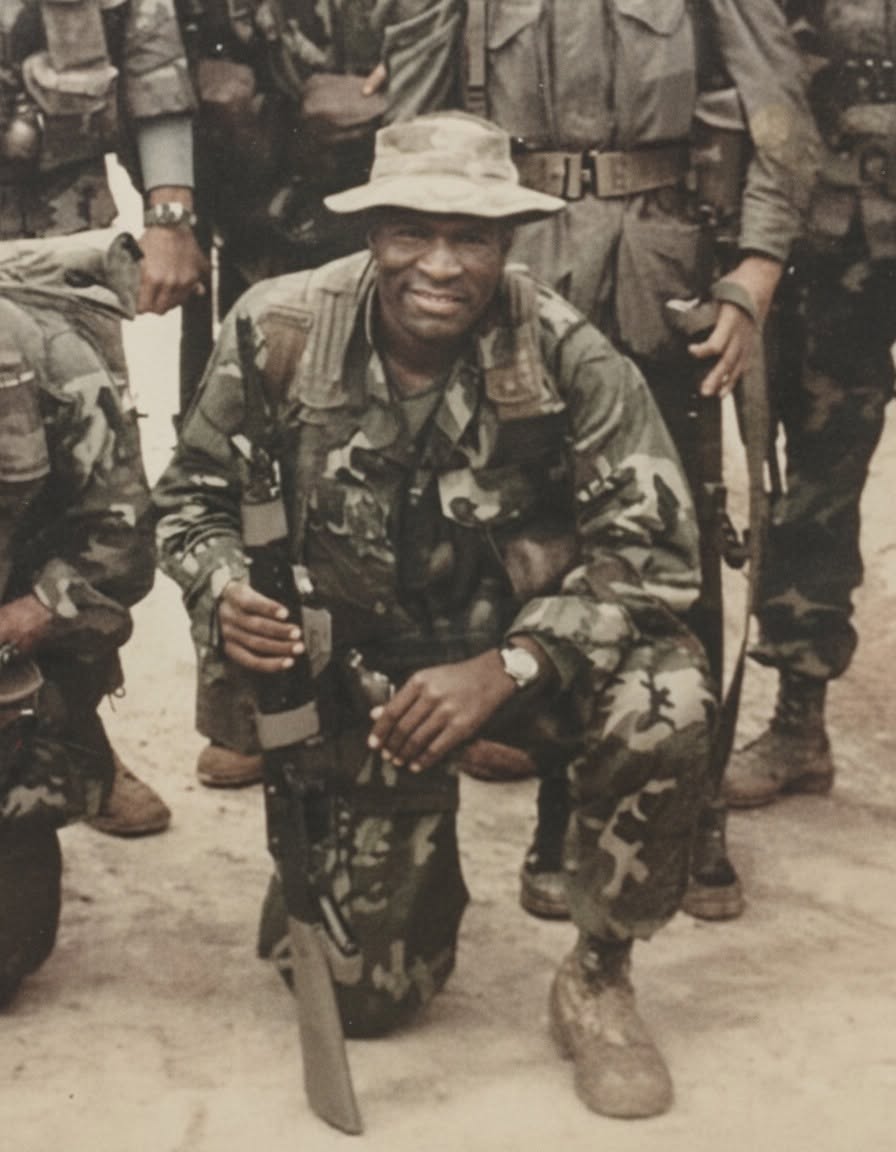
Today on June 18, President Trump will award the Medal of Honor to retired Recon Marine Major James Capers Jr. for his heroism during a 1967 ambush in Vietnam.
Major Capers was shot twice and suffered 17 shrapnel wounds and other injuries during the April 1967 ambush.
Not only did Capers lead his team to safety, but he twice tried to get out of the helicopter carrying the rest of his teammates so that it would be light enough to take off, and had to be pulled back inside by his men.
Major Capers is the first Black Marine to lead a reconnaissance company and to receive a battlefield commission.
The 1967 ambush began when hidden explosives detonated. Capers suffered shrapnel wounds to his abdomen and other parts of his body and a broken leg. Despite his wounds, he ordered a mortar strike on the team’s position to keep the enemy at bay.
Then, even after losing a significant amount of blood and being administered morphine, he led his team to a helicopter landing zone. When a helicopter landed, Capers refused to get on board unless the crew took the body of the team’s military working dog.
Capers was originally awarded the Bronze Star with “V” device for his heroism, which was upgraded to the Silver Star in 2010.
He loves watermelon, so his human gifted him one whole watermelon as a "toy." He has now achieved peak canine happiness and all stuffed toys officially obsolete… would play a melon 🍈 fetch with him
Today, the remains of a fallen U.S. Navy sailor were flown into Little Rock's Clinton National Airport, greeted with a reverent hero's welcome to the state he left more than 80 years ago as a teenager.
Fireman 3rd Class Royle Bradford Luker was just 17 years old when he was killed during the attack on Pearl Harbor on December 7, 1941. He was one of the 106 crewmen on the USS West Virginia who were killed in the attack. For decades, he was listed as killed in action, but his remains were deemed non-recoverable.
Through recent advancements in DNA technology and the work of the Defense POW/MIA Accounting Agency, F3C Luker was identified.
In the years since the "date that will live in infamy," F3C Luker was awarded numerous honors for his valor and sacrifice, including the Purple Heart.
A procession by Arkansas State Police, Little Rock Police Department, and other law enforcement agencies accompanied F3C Luker today on the final leg of his trip from Little Rock to Dardanelle.
Graveside services with full military honors will be held at 2:00 p.m. on Saturday, May 30, 2026, at New Bethel Cemetery near Plainview in Yell County.
His return home is a solemn reminder that America does not forget those who gave their lives in service to our nation.
When Mount Saint Helens erupted 46 years ago today, nothing survived that was within 230 square miles of the explosion.
Except for photographer Richard Lasher who escaped on his dirt bike after taking this shot.
🚨#BREAKING: Hundreds of people have just shown up to the funeral of 98-year old John Bernard Arnold III, a WW2 veteran with no known relatives.
The public was invited to attend to ensure the veteran was honored and not laid to rest alone.
Hundreds came. Absolutely beautiful.
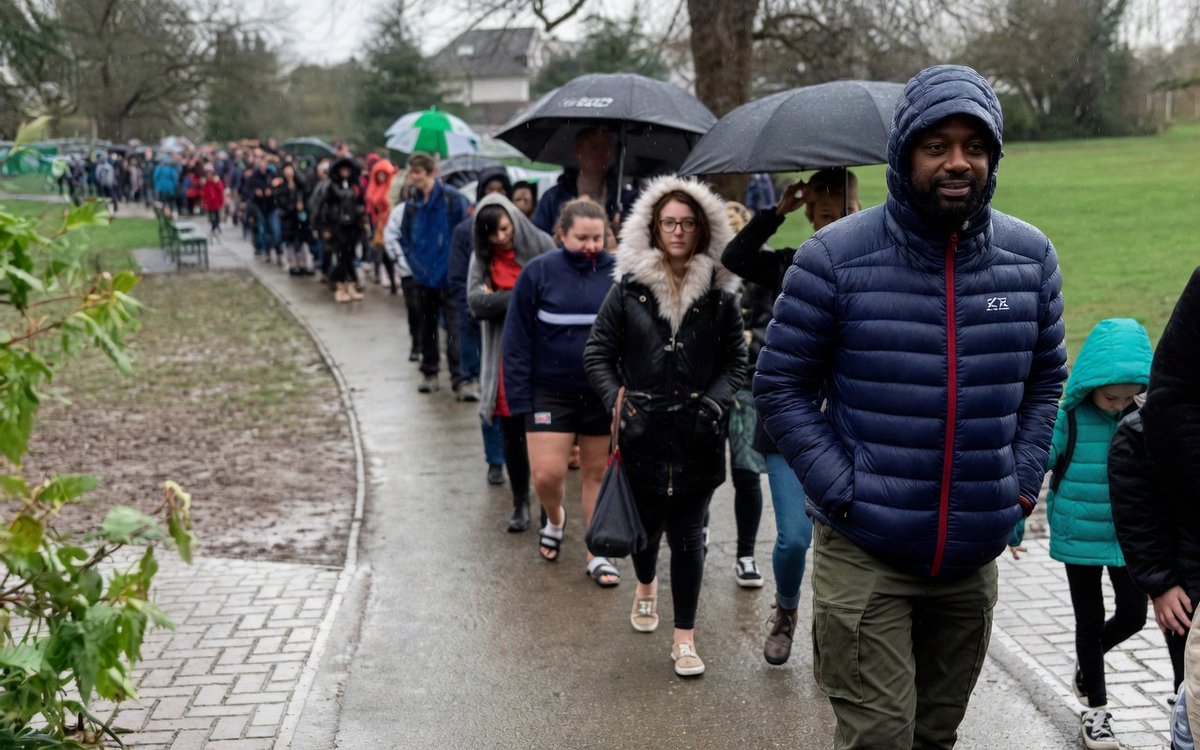
Almost 5,000 people waited for hours in the rain at a swabbing event in Worcester, to get tested to see if they were a match to help save the life of a five-year-old boy fighting a rare cancer, after his parents asked for help
🇺🇸UNKNOWN NO MORE🇺🇸
For 85 years, they were buried as UNKNOWN.
For the past 3 years, Operation 85 fought to give them their names back.
Today, DPAA officially confirmed the DNA threshold has been met to begin the identification process for 141 U.S.S. Arizona unknowns buried in commingled graves at the National Memorial Cemetery of the Pacific in Honolulu, HI.
FOLLOW US along this journey.
For more info: https://t.co/UR8YJCN7W1