The median Toronto family with children has a household income of $133K.
At a 35% debt service ratio, for all housing costs, they can afford $3800/month for a home.
Deducting reasonable expenses, they should limit mortgage payments to less than $3200/month.
Depending on interest rates, this means they can afford a mortgage between $500K and $600K, or a home ranging from $650K-$750K.
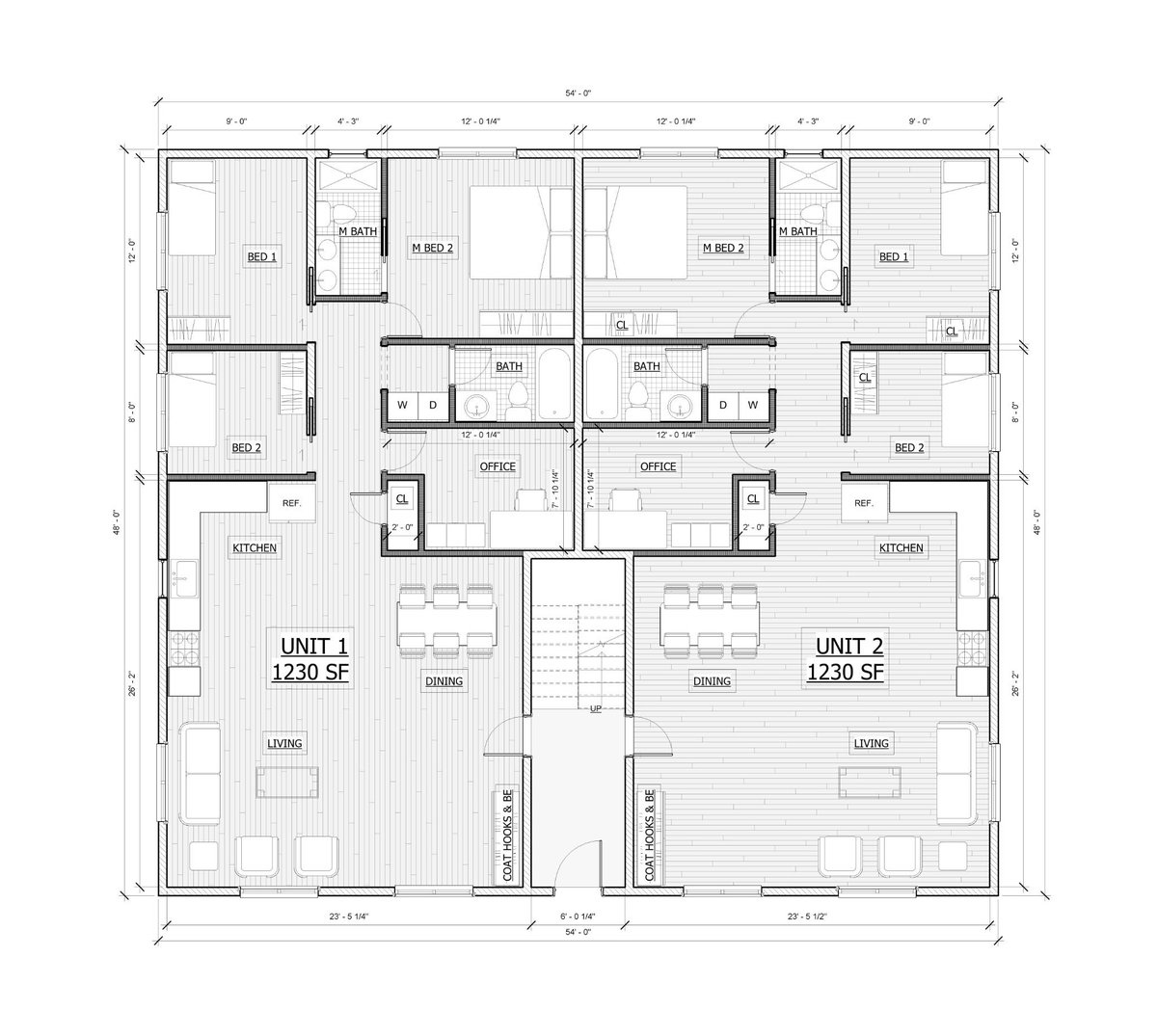
If you were to build a new family size home (eg, 1200-2000sqft flat, townhome, etc), the total tax wedge alone on this new home would exceed $250K! The home itself would likely put them back 1.2-1.5M.
What is incredible to me is that municipal and provincial government leaders, and bureaucrats in city hall, can consistently live in a fantasy world where charging ~HALF of what the typical family can afford for a mortgage in JUST TAXES and come to the conclusion that there are no impacts on affordability.
We live in an era in which most of our leaders, left and right, are simply openly hostile to the middle classes they represent, and for whom they pledge to make life better for and deliberately do otherwise.
It makes me angry nearly every day. We are governed by delusions, not reality. It is an incredible (and generational) indulgence that can’t end fast enough.
Shocker: it turns out handing control of child care to government & unions is not a great idea.
12,000 daycare workers in Quebec begin strike action
https://t.co/wrqj4fQQla
Bruce McKean is among the most inspiring, kind and caring humans that I've ever met.
He was a rock for us in the early days of Shopify and supported us when no one else did. Multiple times, he took money from his government job savings and wrote me cheques so I could meet payroll. Shopify wouldn't have made it without that.
Since then, he has been quietly giving away the money he made to causes such as mental health research. Today we get to celebrate him publicly for being the awesome person he is.
@AleksandraCo@DBrabblerouser Not at all, I’m all good! But thanks for asking 😊
I hope that you are also thriving in your endeavours. Wishing you all the best.
@DBrabblerouser@AleksandraCo Ok, you’re clearly an angry individual, or just especially brave behind a keyboard.
I’m happy to share sources, information, and share ideas. My DMs are always open and happy to have conversations with folks on all sides of the issue. 😊
@DBrabblerouser@AleksandraCo predominately female, often visible minority, small business owners, who have been providing a net-positive service for their communities for decades.
@DBrabblerouser@AleksandraCo “Are you just teaching kids to lie at your daycare”. In what world is this mean to lead to productive discussions.
Listen, say what you will about various models of childcare, but you’re directing a lot of anger to independent childcare operators who are often (cont’d)
@DBrabblerouser@AleksandraCo Why does your side resort to name calling? I’m happy to read through your comments and engage in a conversation and share sources, but it doesn’t seem like you’re interested in productive discourse.
@DBrabblerouser@AleksandraCo Nope. Pointing to the other system that exists in Quebec, which covers 67-75% of childcare cost via a tax credit (which you can receive as an advance direct deposited monthly) for your childcare of choice.
@AleksandraCo Hi @AleksandraCo - In Quebec, you can elect to received your tax credit in 12 equal payments deposited directly into your bank account every month to pay for your childcare of choice.
You can use which ever name you’d like.
🔗 https://t.co/RVQLhsPbYV
@AleksandraCo If you have a question or comment, happy to discuss. Curiously, I find no need to come on here and insult others, I participate in a discussion from a place of curiosity. Happy to continue if you feel the same.
Proponents of CWELCC point to Quebec as a model for a universal system; I equally point to Quebec for its “pay the parents” model (nearly $1,000 monthly in your bank account, even for highest tax bracket).
https://t.co/kxxEwkA6yC
the-tax-credit-for-childcare-expenses/
@AleksandraCo Alternatively, you can opt for alternative forms of childcare, whether private center, home daycare, or nanny, and recover 67-75% of the cost up to $11,360 annually.
@AleksandraCo You can then opt to receive this as a tax credit at the end of the tax year, or you can opt to receive 12 equal payments directly deposited into your account every month, to help pay for said childcare.