@LI_politico Ok these things may help..
1. Nap
2. Hydrate
3. Eat good food
4. Exercise
5. Listen to music
6. Read (not news)
7. Chat & listen
8. Create
9. Wash your hands with soap
10. Sleep deeply
#StaySassy#Wellbeing2020
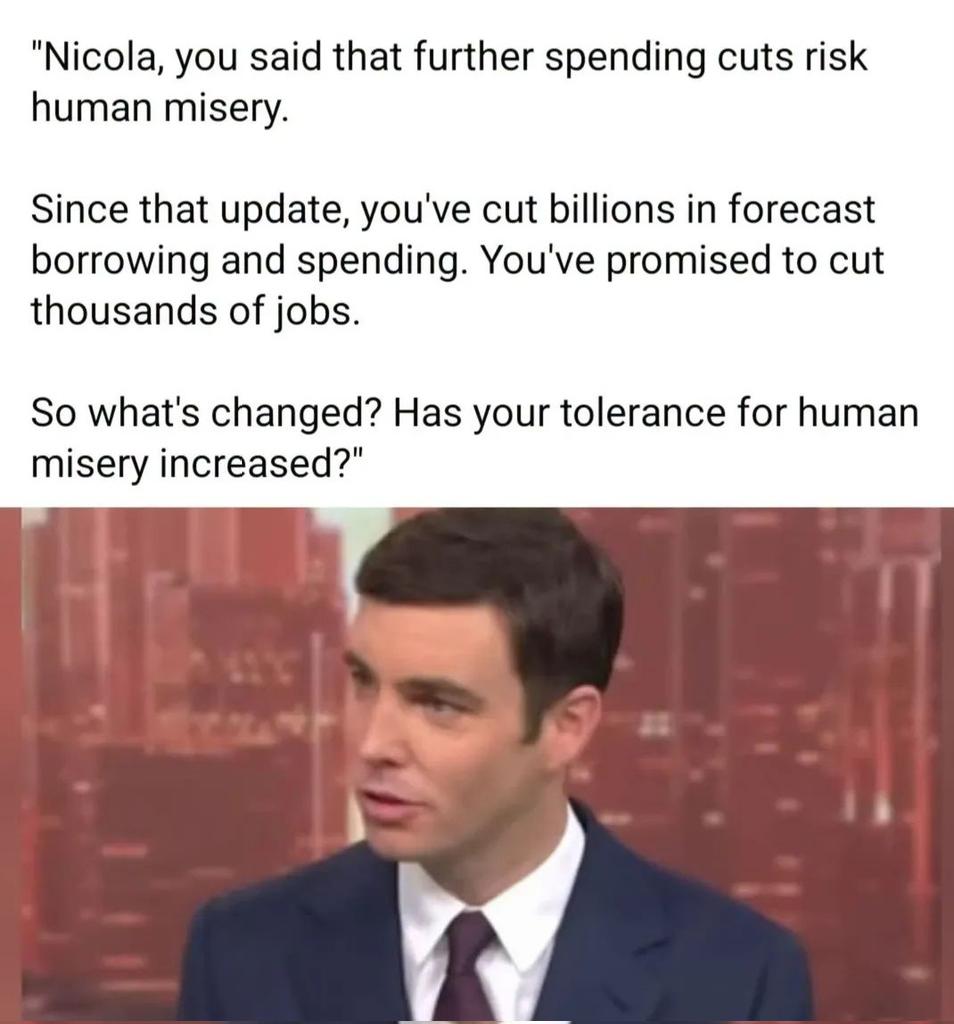
🤷♀️👀 keeping ‘em honest @CheckpointRNZ
Political reporters in stand-off with Speaker Gerry Brownlee over potential ban | RNZ News https://t.co/QFBD5swqw0
Tomorrow is peak day for the year’s strongest daytime meteor shower: the Arietids.
Radar data shows the shower can produce up to 200 meteors per hour at maximum. There’s just one catch: most of the action happens after sunrise, when the meteors are invisible to the naked eye.
Your best shot is during the final dark hour before dawn on June 10. Unlike typical meteor showers that radiate from high overhead, Arietid meteors appear to streak upward from the eastern horizon. As the sky begins to lighten, a handful may still flash across the fading stars before the rising sun washes them out.
The shower takes its name from the constellation Aries, the point from which the meteors seem to emerge. But this time of year, Aries sits low in the brightening dawn sky right next to the Sun, making the shower notoriously tricky to observe with your eyes alone. In fact, it wasn’t discovered visually — astronomers first detected it with radar in 1947.
The Arietids are believed to be debris from Comet 96P/Machholz. Every year, Earth plows through the comet’s dusty trail, creating this reliable burst of meteors.
While most meteor showers are made for night owls, the Arietids belong to the early risers.
Passengers flying 33,000 feet above southern China captured a striking cloud formation that appeared to resemble a giant human figure rising above the clouds.
Unless NZ Police know something that’s not in the public arena, this reaction seems over the top. When Don Brash & Tim Groser announced their intention to run for the National Party, which was absolutely their right to do, I don’t recall advance notice. https://t.co/NjGl31v58M
BREAKING. A magnitude 6.1 earthquake has just struck off the west coast of Cuba close to Havana. Cancun, Mexico and Southern Florida are also relatively close to the epicenter. This was a reverse thrust earthquake along a fault sloping ~45 degrees (nearly identical to the M7.8 Philippines), though NOAA has no "tsunami warning, advisory, watch, or threat" for this event. More information coming...
https://t.co/9lx8SiU0hl
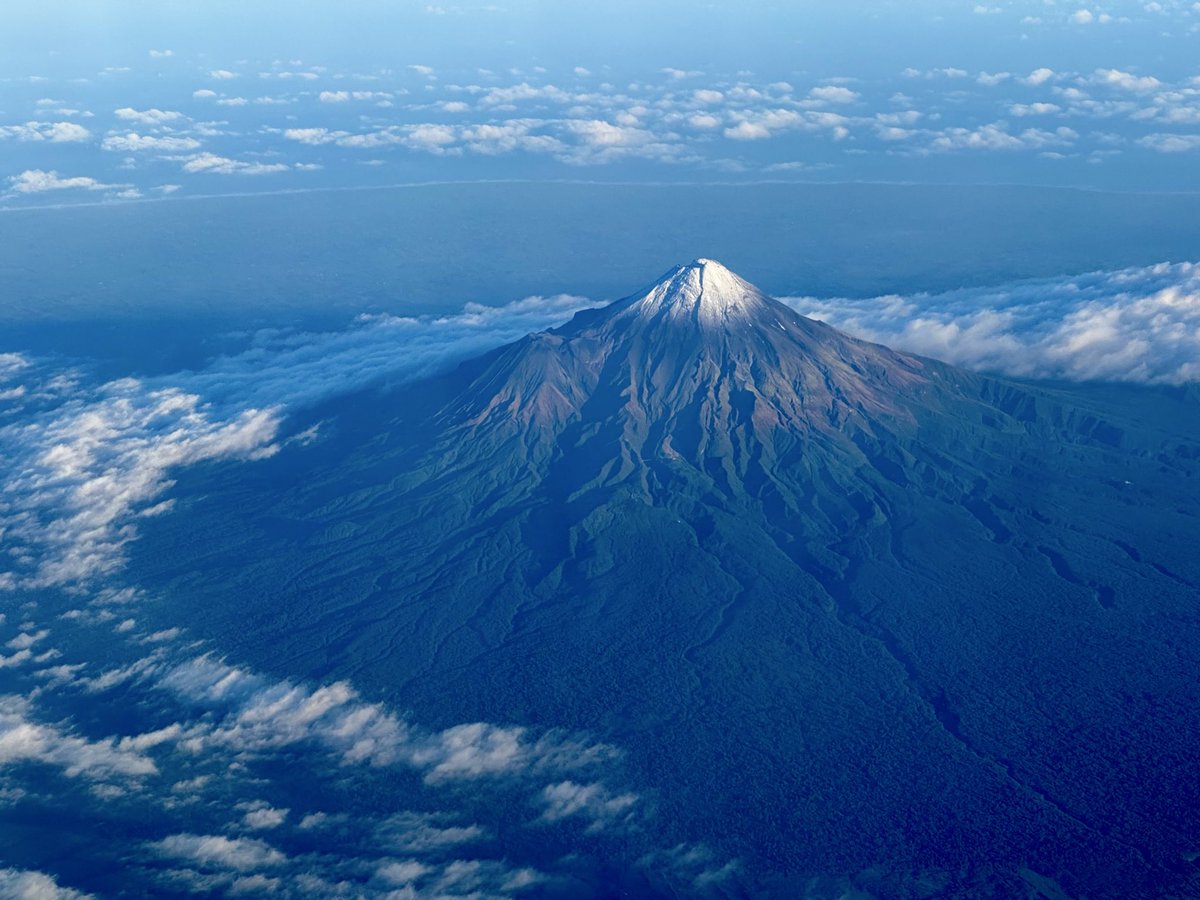
ATR 72 doing the mahi heading into an epic southerly towards Waiharakeke Blenheim & getting the treats with a gorgeous view of the Naki looking fly as @FlyAirNZ
🧚🏼♀️✈️👀🗻👀✈️🧚🏼♀️
XxJen
Here is an animation depicting the spread of seismic waves across the globe and to the antipode from the M7.8 earthquake that struck the Philippines. The entire Earth shakes for hours after powerful events as such!
It’s odd that current Australian/NZ ministerial & leader meetings continue to reference #ANZUS Treaty prominently. #NZ was suspended from ANZUS in 1986 because of its nuclear-free policy that current NZG purports to support. Canberra Pact precedes ANZUS as basis of defence ties.
@DocPriyamMD Over years, this can progress:
Fatty liver → inflammation → fibrosis → cirrhosis → liver failure → liver cancer/transplant
Most people feel completely fine until advanced disease.
A person sleeping 8 hours and living to 89 may have fewer waking hours than someone sleeping 5 hours and dying at 75.
But the 8-hour sleeper likely had:
More energy
Better cognition
Lower disease risk
Better emotional stability
Better recovery
Better quality of life
That matters.
@stats_feed This stat sounds clever… but it hides the real point.
Sleeping less doesn’t give you “more life.”
It may just give you more tired, foggy, inflamed, unhealthy waking hours.
If you sleep 5 hours per night and die at age 75, you'll still have spent just as many years awake as a person who sleeps 8 hours per night and dies at age 89.