@GarrittyOf What that coach and that athlete fail to realize...
Least bad result for your short-term performance = most bad result for your long-term health.
High intensity needs a justification.
That justification is not “I’m bored.”
That justification is:
Your aerobic system has become so strong it’s outpacing everything else.
Not there yet?
Keep building the base.
It isn't the pain that breaks you. It’s the surprise.
If you expect a mile to feel easy and it feels hard, you panic.
If you expect mile 21 to suck and it sucks, you find a way to persist.
We quit when our map of the world doesn't match the terrain.
A study on elite Kenyan runners found that 76% of their diet was carbohydrate.
20% of their diet was pure sugar.
We like to demonize and simplify diet into good/evil... Reality is much more complex and nuanced.
If you're running a ton, carbs are your best friend.
He sido entrenadora durante más de 7 años de personas que quieren un cuerpo fuerte y sostenible.
Estos son los 20 hábitos más sanos que he visto en quienes realmente lo consiguen.
Se pone mejor con cada punto, te lo prometo:
There's no doubt about it, running for extended periods at Marathon pace is metabolically stressful.
Now the good news...
You don't need to spend a lot of time training at Marathon Pace in order to run a fast marathon.
In fact, for the sake of both your performance and your health, you absolutely should not!
We misunderstand elite performance.
It isn't a puzzle of tiny tweaks. It's a game of fixing glaring holes.
Decades coaching top athletes taught me: 99% of success is mastering the fundamentals.
Stop chasing marginal gains; master the basics.
Things that are not real:
A "Strava PB"
A "treadmill PB"
PB's must exist on a certified course (or better yet, on a track) with fully automatic timing or else they lack defensibility.
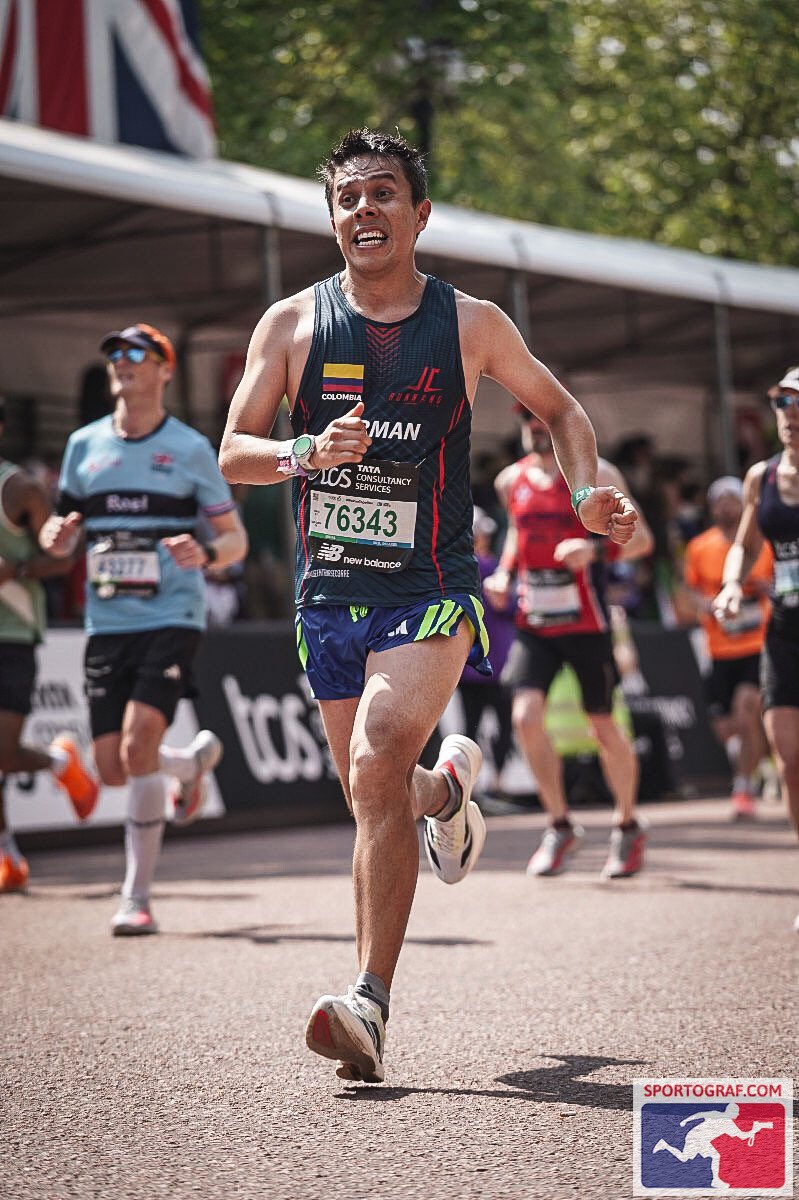
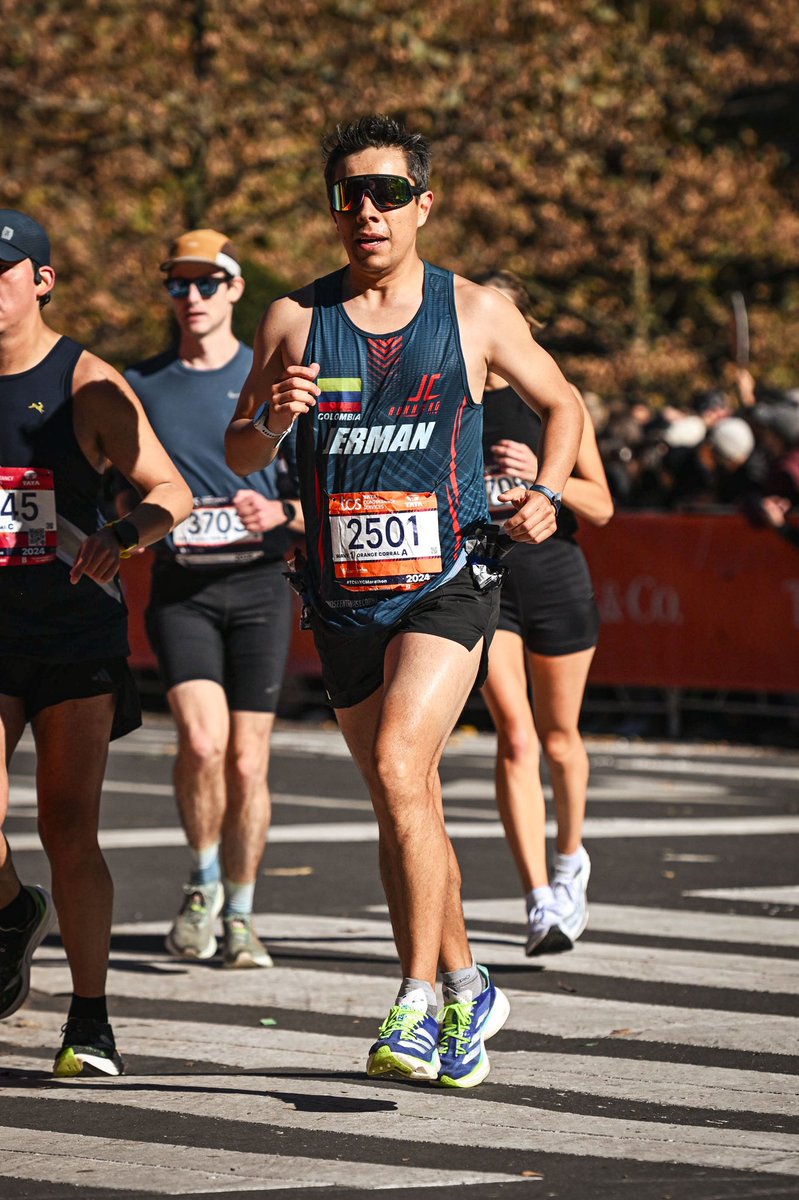
Corrimos la maratón de New York donde el objetivo era más cómo investigador participante que como corredor. Acompañe a uno de mis atletas a completar su sexta estrella.