Five years in the making, based on dozens of travel to Idlib under HTS control, multiple interviews with Ahmad al-Sharaa, his closest associates, other factions, ministers, dissidents, opponents, civil society, diplomats, and more https://t.co/BmF57ME1d4
Some 5,000 foreign fighters who helped topple former President Bashar al-Assad’s regime are still under arms in Syria. The government’s approach has generated a host of anxieties. https://t.co/F5N2q2CSBX
في هذا المقال، أحاول قراءة فلسفة التعيينات العسكرية والأمنية في سورية ما بعد الصراع، لا بوصفها إجراءات إدارية لشغل المناصب، بل باعتبارها إحدى أدوات تأسيس الدولة الجديدة وإعادة تعريف العلاقة بين القوة والشرعية والمؤسسة.
تنطلق الفكرة من أن التعيين في القطاع الدفاعي لا يُقاس فقط بمن يشغل المنصب، بل بقدرته على نقل القوة من ملكية فصائلية أو شبكية إلى وظيفة سيادية عامة داخل مؤسسة وطنية قابلة للاستدامة. لذلك يتناول المقال التوازن الصعب بين اعتبارات الثقة والجاهزية والسيطرة السريعة من جهة، ومتطلبات الكفاءة، والمطابقة القانونية، والانضباط، والتمثيل المنضبط من جهة أخرى.
كما يحاول المقال تفكيك خريطة التوزعات القيادية داخل المؤسسة العسكرية والأمنية، وقراءة ما تعكسه من شبكات نفوذ، وتحديات دمج، وحاجة متزايدة إلى تحويل التعيينات من استجابة انتقالية إلى سياسة مؤسسية محكومة بالمعايير والرقابة والمساءلة.
ليست الغاية إصدار حكم نهائي على التوزعات القائمة، بل فهم الشروط الفعلية التي تنطلق منها عملية بناء جيش وطني موحد، وقياس المسافة بين البنية الانتقالية الراهنة وبين النموذج المؤسسي المستهدف.
رابط المقال:
https://t.co/qvt6KqzOP0
تكشف فلسفة التعيينات العسكرية والأمنية في سورية ما بعد الصراع عن محاولة الانتقال من منطق الشبكات والفصائل إلى منطق الدولة والمؤسسة، غير أن هذا الانتقال ما يزال محكوماً بتوازنٍ حساس بين ضرورات السيطرة السريعة والثقة التنظيمية من جهة، ومتطلبات الكفاءة والتمثيل والانضباط القانوني من جهة أخرى.
ويؤكد المقال أن نجاح هذه المرحلة لا يُقاس بسرعة التعيين وحدها، بل بقدرة الدولة على تحويل التعيينات من امتداد للشبكات السابقة إلى أداة لبناء مؤسسة وطنية موحدة، تقوم على الولاء للدولة، والكفاءة، والمطابقة القانونية، والتمثيل المنضبط من دون محاصصة. وعند هذه النقطة، يصبح التعيين مدخلاً لتحويل القوة من ملكية فصائلية إلى وظيفة سيادية عامة داخل مؤسسة وطنية قابلة للاستدامة.
مقال تحليلي بعنوان: فلسفة التعيين في القطاع الدفاعي بسورية ما بعد الصراع.
إعداد: محسن المصطفى @MuhsenAlmustafa
للمزيد: https://t.co/7hwT6GAuNO
DC's Iran hawks got two wars, nearly every conceivable sanction designation, a blockade, threw a wrench in global economy and will still claim that just a little more pressure and a touch more bombing will magically yield the concessions they still won't be satisfied with.
A really good overview of the Uyghur foreign fighters in Syria. To better understand the Syrian government's integration of the foreign fighters in Syria, see also https://t.co/DQxFwWj8j3
A really good overview of the Uyghur foreign fighters in Syria. To better understand the Syrian government's integration of the foreign fighters in Syria, see also https://t.co/DQxFwWj8j3
When the Assad regime crumbled and I went to Syria for the first time, I immediately noticed some Uyghur fighters among the rebels. I wanted to know more.
https://t.co/X9gSZgrftc
Gulf governments are now “rejecting an assumption, held by the United States and Israel, that Gulf states could be incorporated into a regional security architecture premised on Israeli dominance,” writes @hahellyer.
https://t.co/PHkVKIcHx0
If you missed it at New Lines, please read it here. My essay reviewing five books on Syria by @rallaf, @Loubnamrie, Noor Ghazal Aswad, Anand Gopal, and @jeromedrev and @patrickhaenni. https://t.co/HLuuuhdhJi
My latest with the one and only @jeromedrev: why Damascus has kept 5,000 foreign fighters in its army, and what it could change while it still has the room. @CrisisGroup
NEW COMMENTARY | The Struggle to Pacify Syria’s Foreign Legions
The new government has integrated thousands of foreigners who fought the Assad regime into its state forces. Many Syrians and international partners worry about keeping them under arms.
https://t.co/F5N2q2CSBX
This is a hard article to read, but I hope you'll do so. I've spent some time reporting on widespread rape and other sexual violence of Palestinian male and female prisoners by Israeli authorities, and the article is now published. The assault victims were warned not to give speak of what they endured -- they were sometimes told they would be killed or raped if they gave interviews -- but they found the courage to do so. One man described being raped three times in a single day in Israeli prison, the third time after he tried to protest. A young woman said the guards would come in at the beginning of each shift and strip her naked and abuse her. Another reported that she was shown photos of herself being raped and warned they would be released unless she cooperated with Israeli intelligence. Even three children who had been detained told me they had been sexually abused. Look, whatever our position on the Middle East, we should be able to agree on being anti-rape. Sexual assaults were horrific when Israeli women were targeted on Oct. 7, and they're equally horrific when Israeli authorities use them against Palestinians day after day after day. We should be able to find common ground in opposing rape. Here's a gift link to the article: https://t.co/aMMHId49OO
“The Arab Gulf and Israel Have Different Visions for a New Middle East” my latest for @ForeignAffairs Magazine
https://t.co/8lV2ivqZR8
The article argues that assumptions of a U.S.-backed regional order centred on Israeli dominance (what I call paramountcy) have broken down, particularly in the aftermath of the 2026 Iran war. It outlines how Gulf states are shifting toward a more diversified, “polycentric” strategy—balancing U.S. ties with new partnerships, but still requiring stronger intra-Gulf coordination.
While the world watches developments in the Middle East, what is going on with the growing conflict in Mali? Al-Qaeda-linked militants Jama’at Nusrat al-Islam wal-Muslimin are launching coordinated attacks across Mali, and Russian forces are pulling out of Kidal. The defence minister has been killed, and the UN is calling for international assistance. To understand why Mali is at the epicentre of crises in the Sahel, read ‘Sahel: The Perfect Storm’ by Morten Bøås.
Sample & purchase ➡️ https://t.co/HZsCn0bSTe
https://t.co/vb4IBVREnk
1/2 "Retrospectively these words Abu Qasra [Syrian Defense Minister] when read in 2025, are remarkable, as they eerily resemble the course of events following 4 years."👇🏽
Jama’at Nusrat al-Islam wal-Muslimin advance remains a reality that has put all West Africa and the Sahel on alert. Here’s how states can respond to the advance of the region’s dominant jihadist group. https://t.co/K9gGazZskU
"An article in The Economist mentions that a Syrian fighter who was with Al-Sharaa in Iraq claimed that, at the time, al Sharaa had threatened to kill anyone who endangered the Yazidi religious minority."
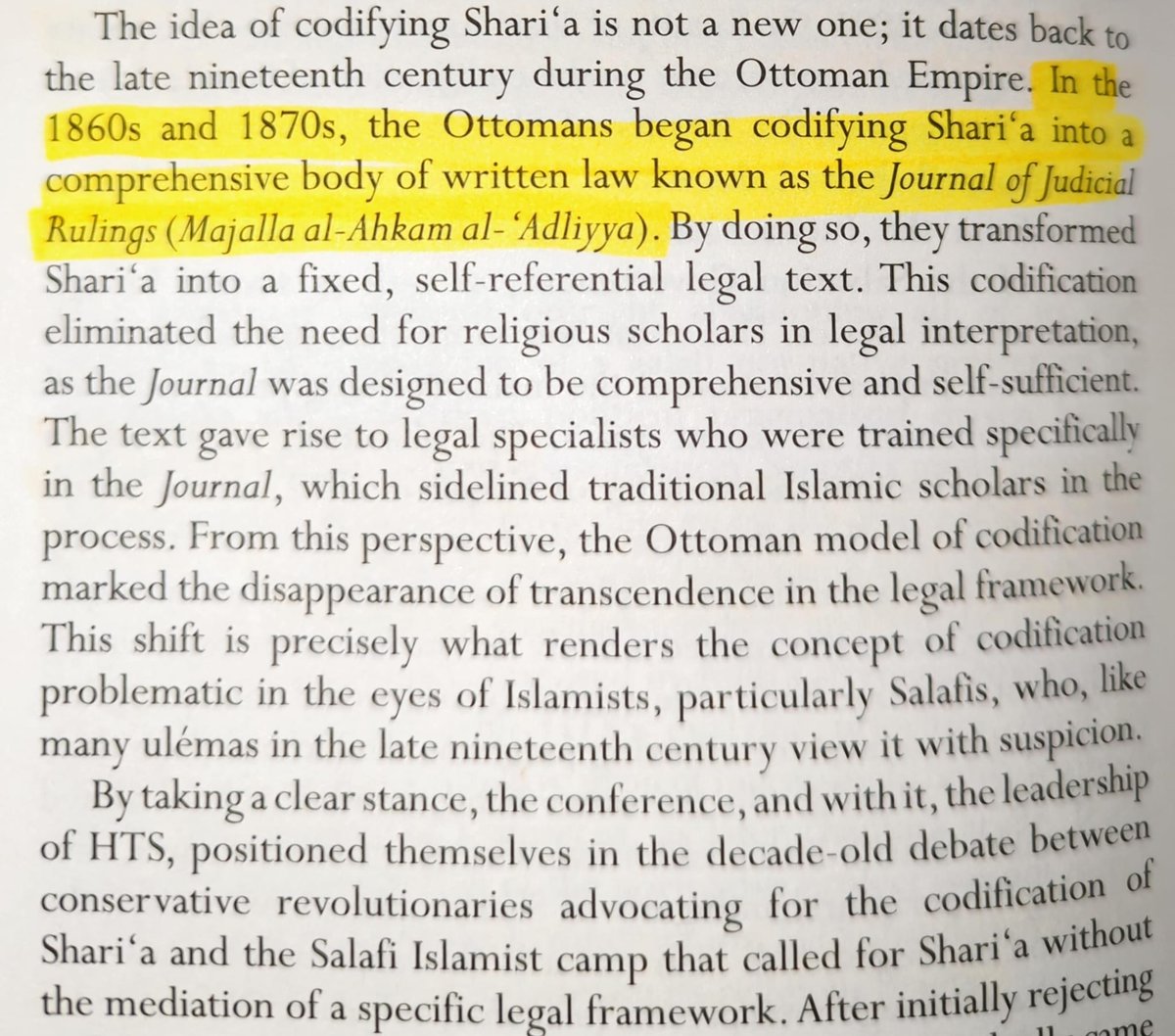
From "Transformed by the people" by @jeromedrev & @patrickhaenni
1/3 "In the 1860s & 1870s,the Ottomans began codifying Sharia into a comprehensive body of written law known as the journal of judicial rulings. The leadership of HTS positioned themselves in order to emulate this & in the decade-old debate betwn conservative revolutionaries..."
Editor's Pick:
@qunfuz2 reviews five books by @rallaf, @Loubnamrie, @Anand_Gopal_, Nour Ghazal Aswad, Patrick Haenni & @jeromedrev that are correcting the record on Syria's long uprising and its aftermath. https://t.co/QVd4iVD6L8


![LevantAffair2's tweet photo. 1/2 "Retrospectively these words Abu Qasra [Syrian Defense Minister] when read in 2025, are remarkable, as they eerily resemble the course of events following 4 years."👇🏽 https://t.co/AGow5jnwrC](https://pbs.twimg.com/media/HG7LwAwWkAAiqDd.jpg)