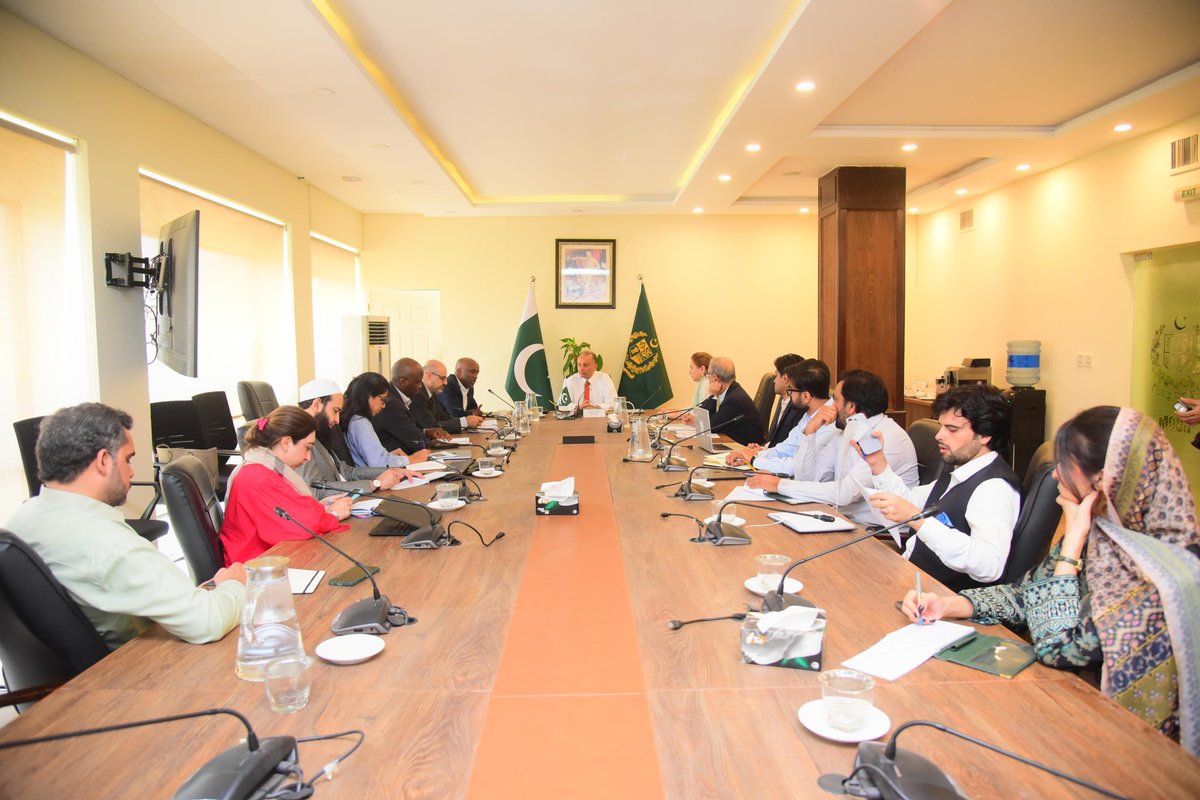
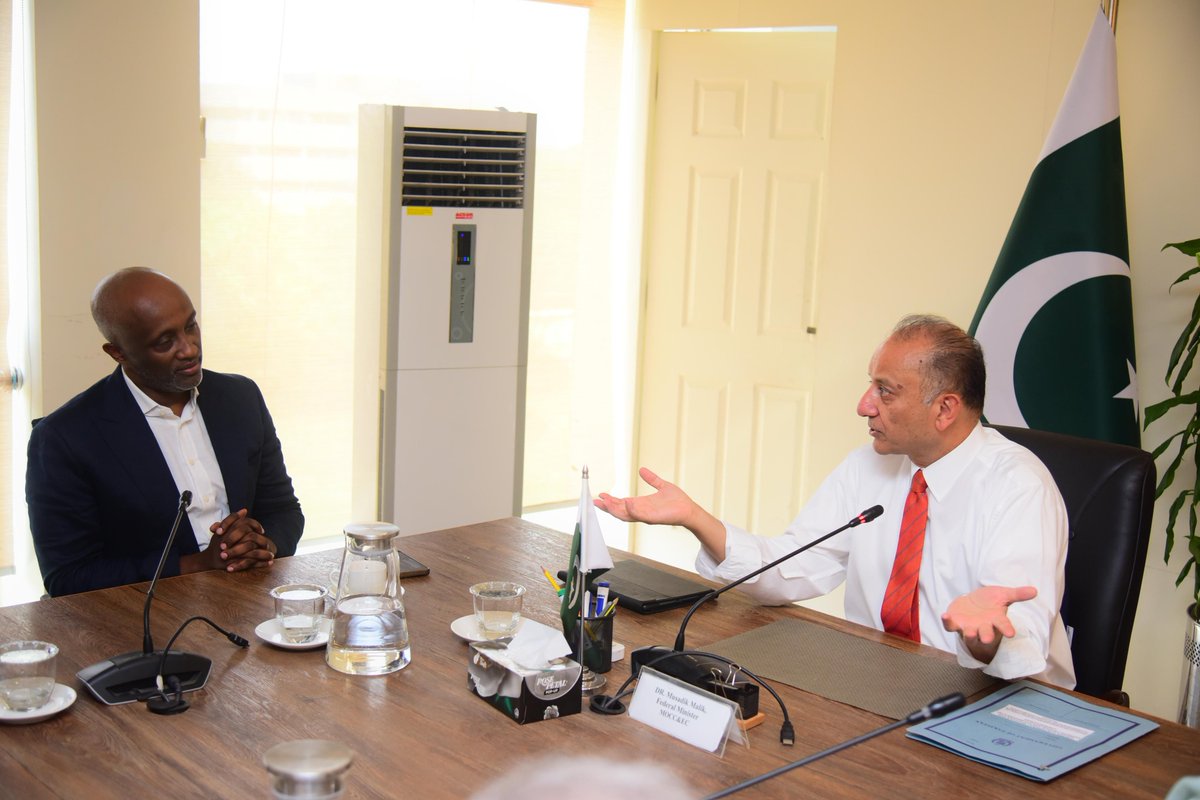
Federal Minister Dr. Musadik Malik met with UN Assistant Secretary-General for Humanitarian Affairs @Momalindi and UNDP representatives in Islamabad.
The meeting focused on advancing cooperation on climate resilience, disaster preparedness, and sustainable development.
Farmers’ Day 2026 Highlights Climate-Smart Agriculture as Key to Rwanda’s Food Security
As Rwanda marks Farmers’ Day 2026 in Kayonza District, the celebration shines a spotlight on the critical role farmers play in feeding the nation, strengthening the economy, protecting natural resources, and building a climate-resilient future.
Held under the theme “Accelerating the RA–PURE Nexus for Climate Resilience,” this year’s event emphasizes the importance of integrating Regenerative Agriculture (RA) with the Productive Use of Renewable Energy (PURE) to address the growing challenges of climate change, declining soil fertility, and rising agricultural production costs.
The message highlights that farmers are responding to these challenges by restoring soil health through regenerative agricultural practices while adopting renewable energy technologies such as solar-powered irrigation, solar dryers, cold storage, and biodigesters. These approaches are helping increase agricultural productivity while protecting the environment for future generations.
Beyond celebrating farmers, the occasion also serves as a platform to recognize their dedication, promote innovation, encourage knowledge sharing, strengthen partnerships, and inspire wider adoption of climate-smart agriculture across communities.
The Power for Food Partnership (P4FP) is supporting this transformation by advancing Regenerative Agriculture and the Productive Use of Renewable Energy to improve productivity, strengthen climate resilience, reduce production costs, and build sustainable food systems across Rwanda.
The initiative is led by SNV Rwanda in collaboration with MINAGRI and MININFRA, and implemented together with RCCDN Rwanda, Kilimo Trust, Peace Plan Development Network, EPD Rwanda, and L4D Rwanda, all working towards an agricultural system that restores soils, embraces clean energy, and secures a brighter future for generations to come. @KayonzaDistrict@SNVRwanda, (@RwandaAgri) (@RwandaInfra)
@RccdnRwanda | @kilimoEAC | @peace_pdn | @epd_rwanda | @L4dRwanda
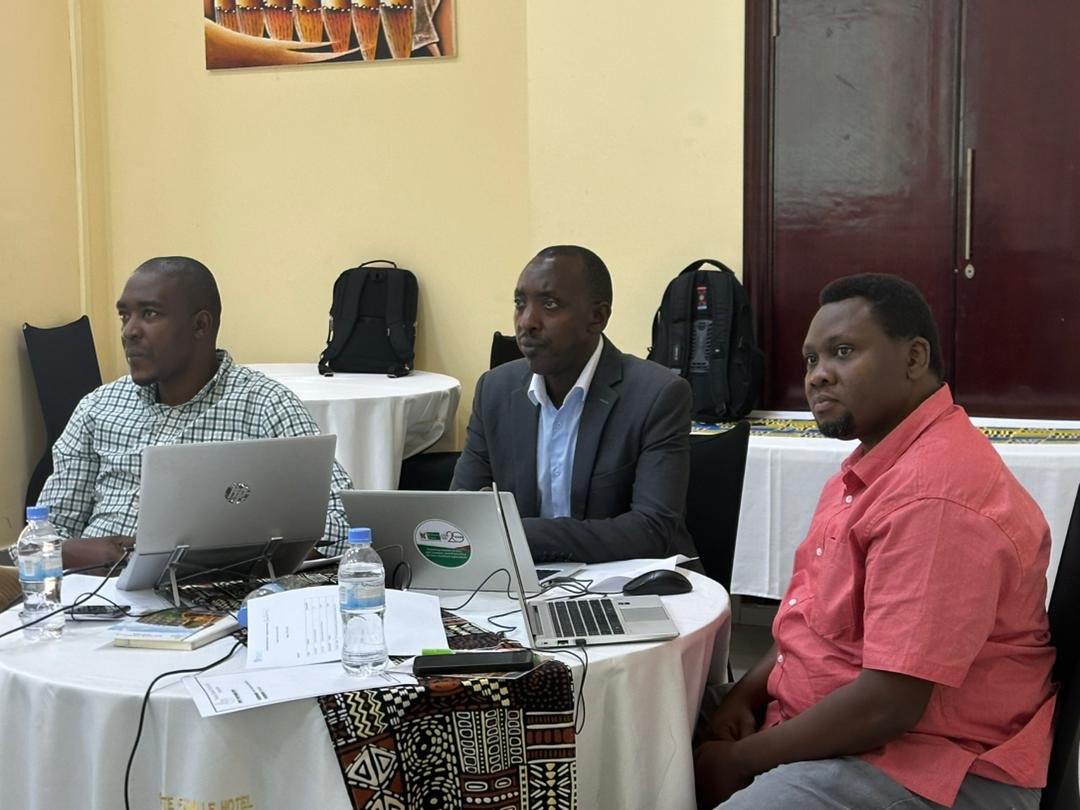
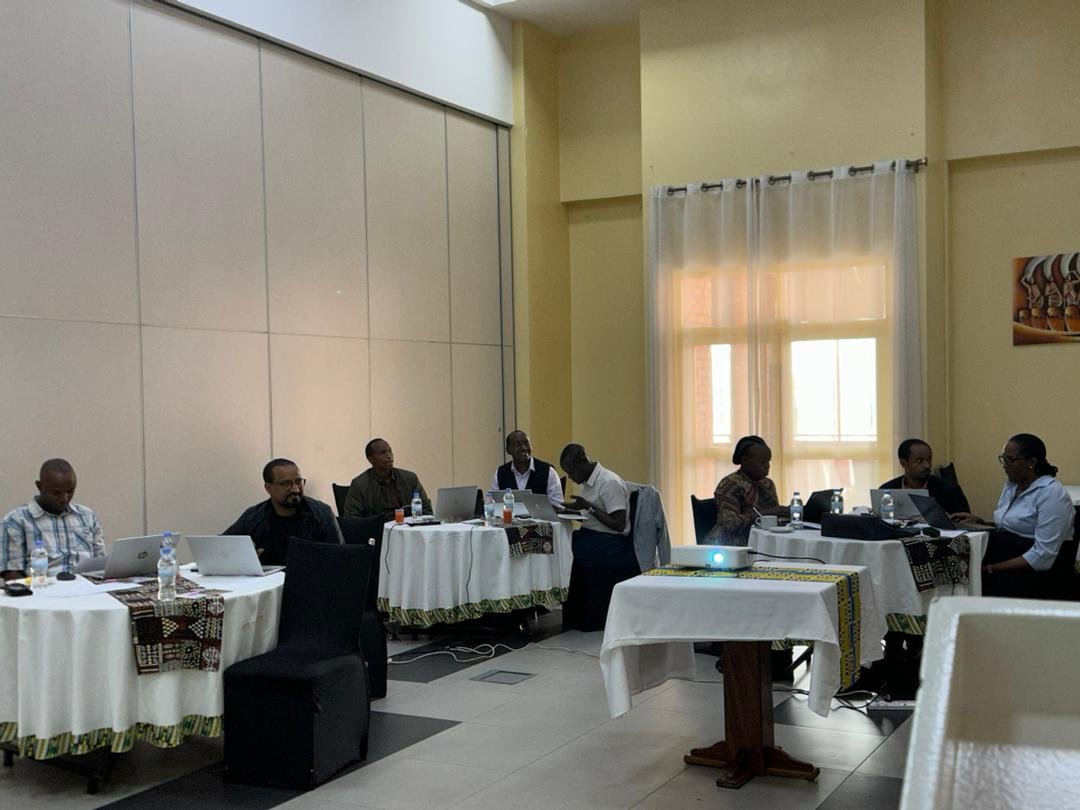
Today, under the #P4FP, we held a Sense-Making Workshop to review needs assessment findings, identify barriers, and co-create pathways for advancing regenerative agriculture powered by renewable energy. Together, we're building resilient communities& strengthening #FoodSecurity.
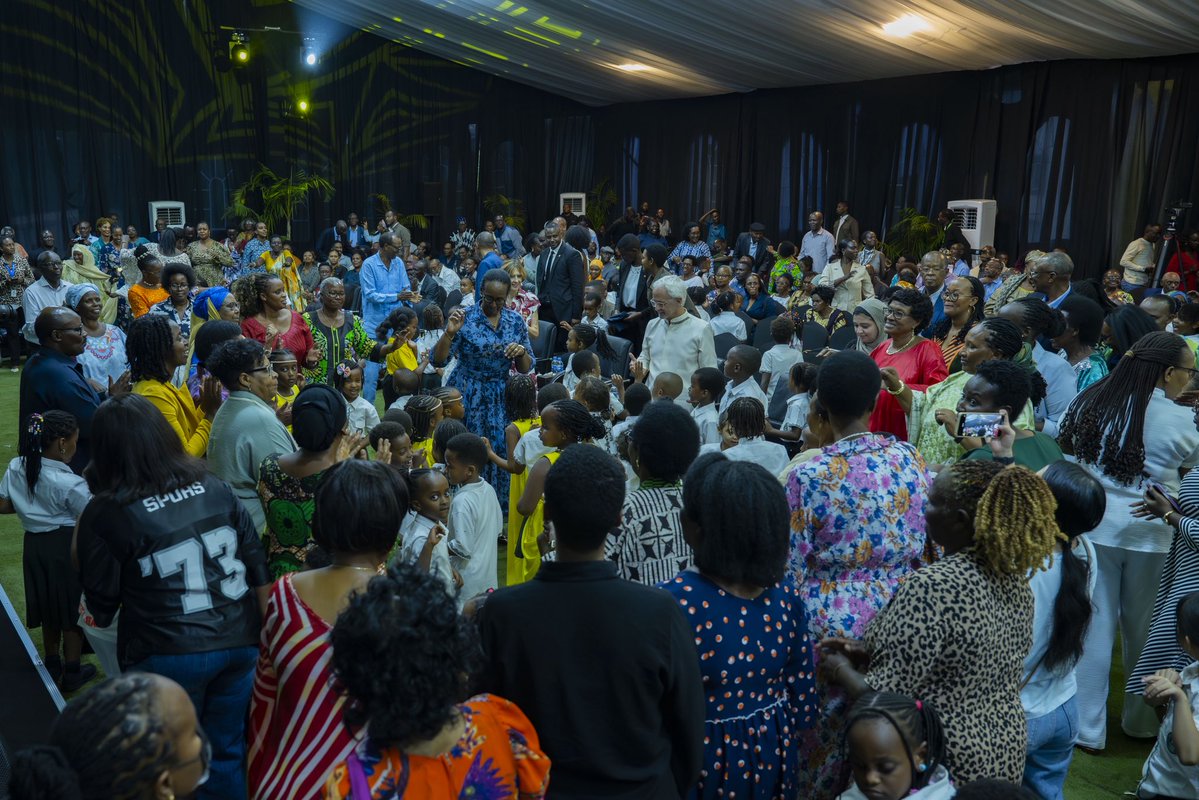
On Wednesday 20th May, our Nursery 3 learners celebrated a very special Grandparents Day with music, poems and dance.
It was also an occasion for them to show their grandparents what they’ve been learning this year.
Thank you to all the grandparents who joined us, you made their day 🤗
The feeling I get when I see the solar panels actually working makes me smile like this!
You wonder why?
It’s because while the sun is free, these panels represent a smart, long-term investment in a farm's independence. Once you move past the initial setup cost, you are no longer at the mercy of rising fuel prices or an unreliable grid.
Here is why it is a game-changer for farming:
✅ Fixed Energy Costs: Instead of paying for diesel or electricity every month, you pre-pay for years of energy through the equipment. This makes your long-term operating expenses much more predictable.
✅ Reliable Irrigation: Solar-powered pumps provide consistent water delivery, which is the best insurance policy against drought and unpredictable rainy seasons.
✅ Post-Harvest Protection: Using solar for cold storage or drying reduces spoilage, ensuring that the hard work put into growing the crop actually turns into profit at the market.
✅ Livestock Safety: It provides the constant power needed for ventilation and incubators, which is critical for animal welfare and reducing mortality rates in poultry.
Investing in solar is about shifting from buying fuel to owning your power. It’s a step toward a more professional, resilient, and sustainable agribusiness.
#RA_PURE
Cassava Farming Emerging as a Lifeline Against Drought in Kayonza
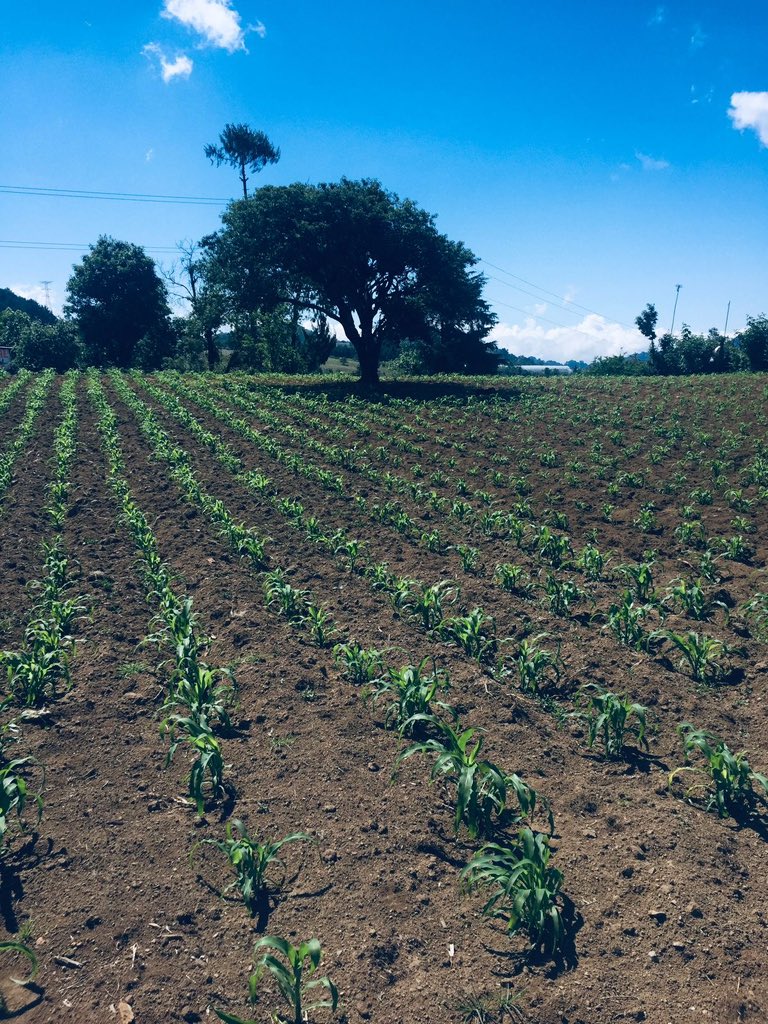
For many farmers in Ndego Sector, cassava is no longer treated as a backup crop grown only during difficult seasons. It is becoming a serious commercial crop capable of generating stable income, feeding households, and connecting farmers to formal markets.
That transformation is increasingly visible among farmers supported through the Kayonza Irrigation and Integrated Watershed Management Project Phase II (#KIIWP2).
One of them is ‘Maridadi Jean de Dieu’, a cassava farmer and Farmer Field School facilitator cultivating nearly three hectares of cassava in the area. Beyond producing for his own farm, he is also involved in multiplying improved cassava planting materials for other farmers.
“I received improved cassava cuttings through RAB, and now I help other farmers access quality planting materials,” he explains.
According to Jean de Dieu, support from KIIWP2 has gone far beyond seed distribution. Farmers received fertilizers, technical follow-up, and practical training in modern cassava farming practices aimed at increasing productivity and improving resilience.
The results are already changing expectations on the ground.
“On one hectare, I expect to harvest at least 15 tonnes,” he says.
What makes the crop even more attractive for farmers is the growing market opportunity attached to it. Jean de Dieu says he already secured a supply agreement with Kinazi Cassava Factory, giving him confidence that his harvest will have a reliable buyer.
“In one year, I can earn no less than five million francs from cassava farming,” he adds.
Farmers in the area explain that cassava has become increasingly important because it performs better under prolonged sunshine compared to many other crops commonly grown in the region.
Improved varieties such as Gikungu and Buryohe are particularly gaining popularity among producers due to their resilience and productivity.
“These varieties changed farmers’ lives here,” Jean de Dieu says.
“With the training we received through KIIWP2, I can now harvest up to 40 kilograms from a single cassava plant.”
Project leadership says such progress is linked to broader investments being made to strengthen agriculture in drought-prone parts of Kayonza.
According to Faida Olivier, Monitoring and Evaluation Specialist for KIIWP2, the project has focused on soil protection, irrigation development, access to improved seeds, and farmer capacity building since its launch.
Thousands of hectares have already been protected against soil erosion, while irrigation expansion remains one of the next priorities in vulnerable sectors such as Ndego.
KIIWP2 officials also highlight the role of Farmer Field Schools in helping farmers adopt practical and market-oriented farming methods.
For Sibomana Jean Claude, Agricultural Extension Specialist under KIIWP2, identifying crops capable of performing under harsh climatic conditions was essential before scaling interventions.
After testing multiple crop varieties together with RAB, cassava emerged as one of the most adaptable and productive crops for the region.
Since then, millions of cassava cuttings have been distributed to farmers, alongside extensive training in improved agronomic practices.
Project leaders say communities that previously struggled with recurring food shortages are now increasingly producing enough not only for household consumption, but also for markets.
Still, farmers continue to point to prolonged drought as a major concern. In response, KIIWP2 says irrigation development planned for Ndego Sector is expected to further strengthen agricultural resilience and stabilize production in the coming years.
What is happening across these communities reflects a broader shift: cassava farming is gradually evolving from a subsistence activity into an economic opportunity supported by knowledge, improved seeds, market access, and long-term investment in rural resilience.
#KIIWP2 #FARM_P3
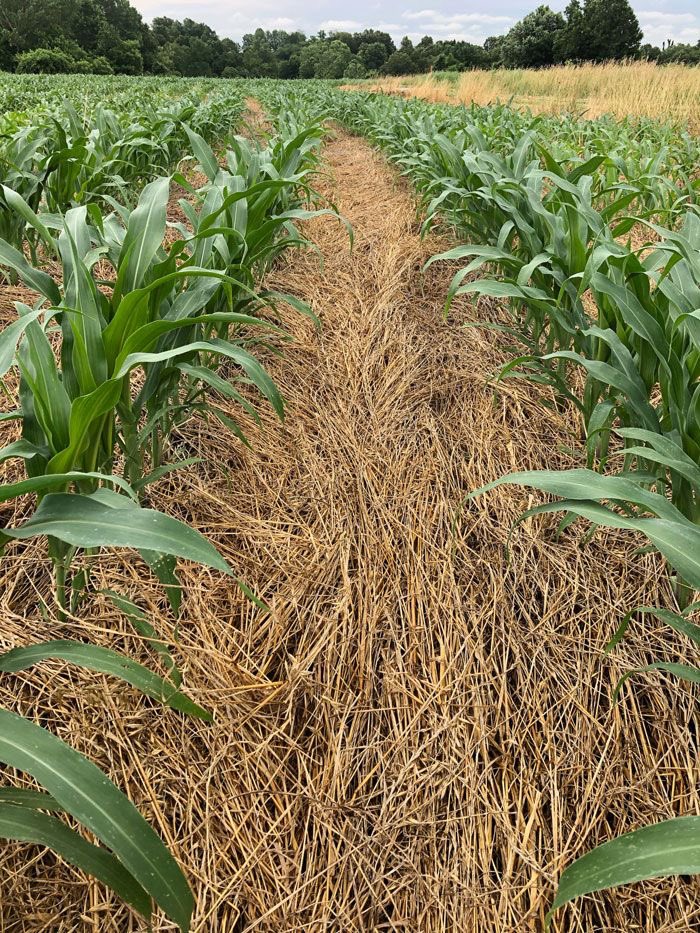
The Earth Doesn't Need a Reset Button.
Nature doesn't replant itself every spring, so why do we?
One of the most powerful tools in Regenerative Agriculture is Perennial Cropping. By growing crops that live for years, we allow the soil to develop its own natural defense system—Soil Armor.
What happens when we stop tilling and start planting perennials?
✅Erosion Stops: Deep, permanent roots lock the soil in place. micro Life Returns: The soil microbiome thrives when it isn't being turned over every few months.
✅Carbon Stays Put: Every year these crops grow, they pull more carbon out of the sky and store it deep in the earth.
From berries to nut trees, farmers are transforming fields into ecosystems. It’s time to farm in harmony with the rhythm of the Earth.
#RegenerativeMovement #SoilHealth #RA_PURE
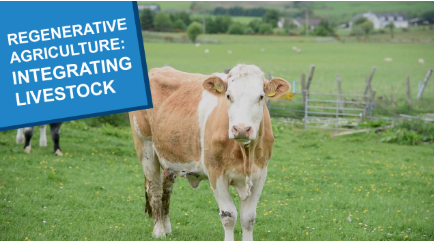
Integrated Livestock Farming: The Heart of Regeneration
Regenerative agriculture isn't just about plants, it’s about the integration of livestock to create a complete, closed-loop ecosystem. When we raise cattle, sheep, pigs, or chickens in harmony with the land, we move from farming to restoring.
Why Livestock?
Grazing animals are nature’s biological engineers. They help compost soil by dispersing seeds and breaking capped soil, which facilitates essential gaseous exchange.
Key Benefits:
✅Soil Vitality: Animal manure adds organic matter and boosts microbial diversity.
✅Natural Fertilizer: Enhanced nutrient cycling reduces the need for chemicals.
✅Erosion Control: Strategic trampling helps distribute plant material to protect the earth.
✅Water Resilience: Increased soil aggregation leads to better water infiltration.
✅Food Security: Provides a reliable source of protein and income for our communities.
The Secret: Managed Grazing 🔄
The magic happens through rotation. By moving livestock through different pastures, we prevent overgrazing and give plants time to recover. This creates a holistic, sustainable, and highly productive system that heals the land while feeding the people.
Regenerative agriculture is the healer. Livestock are the pulse.
#RegenerativeAgriculture #P4FP #RA_PURE #SustainableAg
Across Africa, the connection between agriculture & energy holds untapped potential to transform food systems & livelihoods.
Through partnerships like #P4FP, a movement that links regenerative agriculture with renewable energy are leading the change.
Join the movement #RA_PURE👇
PLU Director of Mobilization Hon. @MichealMawanda1 received a courtesy visit from dynamic Makerere students, led by Mr. Mark Nzanga — the Guild President aspirant for 2026/2027.
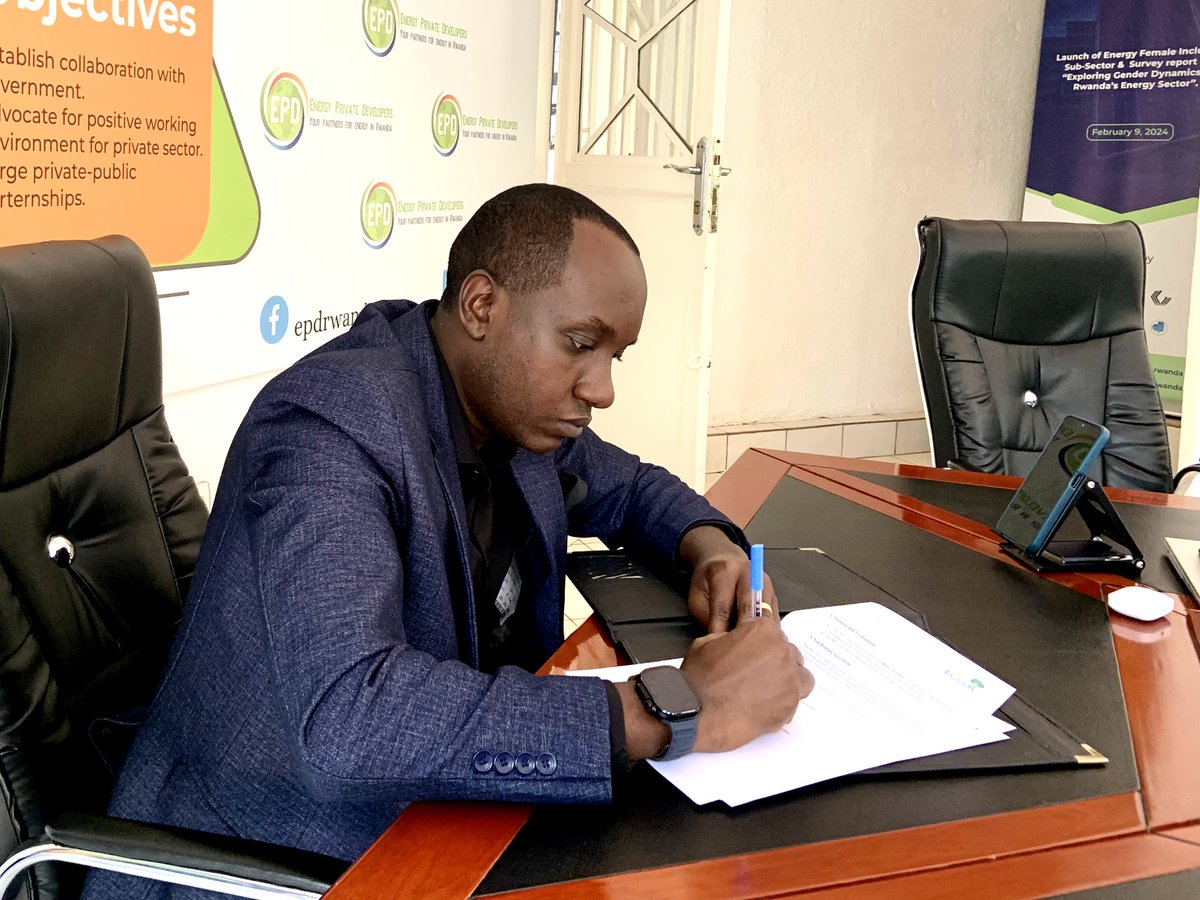
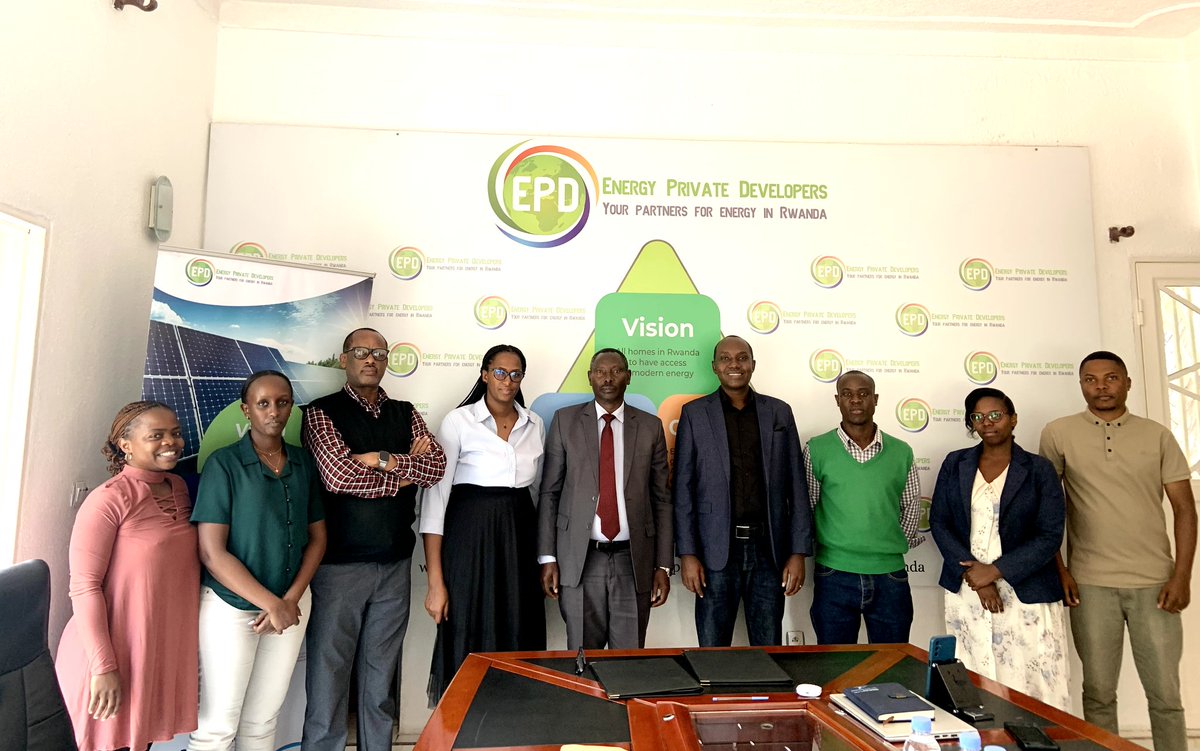
🌍 EPD Partners with @RccdnRwanda to Advance Climate Resilience and Sustainable Energy!
🚨 Excited to announce a new MoU with @RccdnRwanda to boost climate resilience & sustainable energy in Rwanda! 🌍⚡
Together, we’ll drive joint research, policy, awareness, and projects.
The 5th Edition of RE4SG Conference & Exhibition 2025 is now live! Join leaders and innovators shaping Africa’s clean energy future.
🔗 Watch here: https://t.co/KLsoMOaeBg
#EnergyWeek_RE4SG
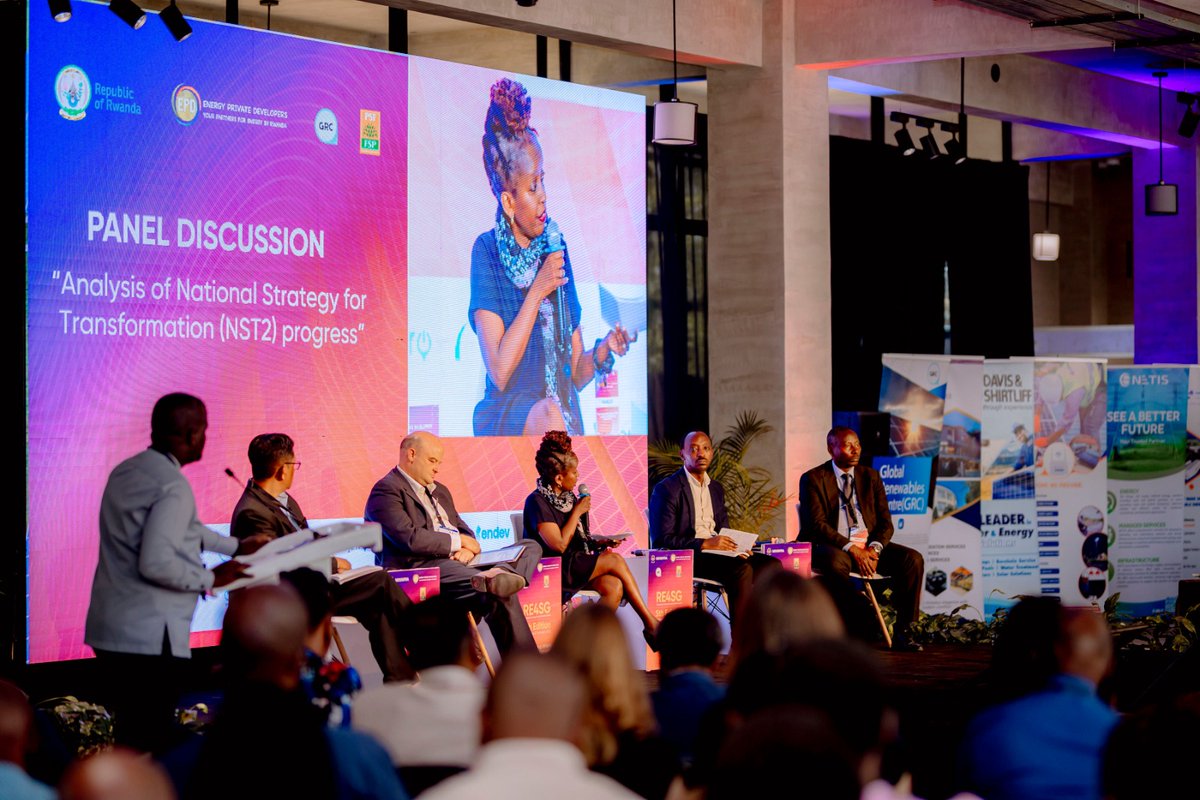
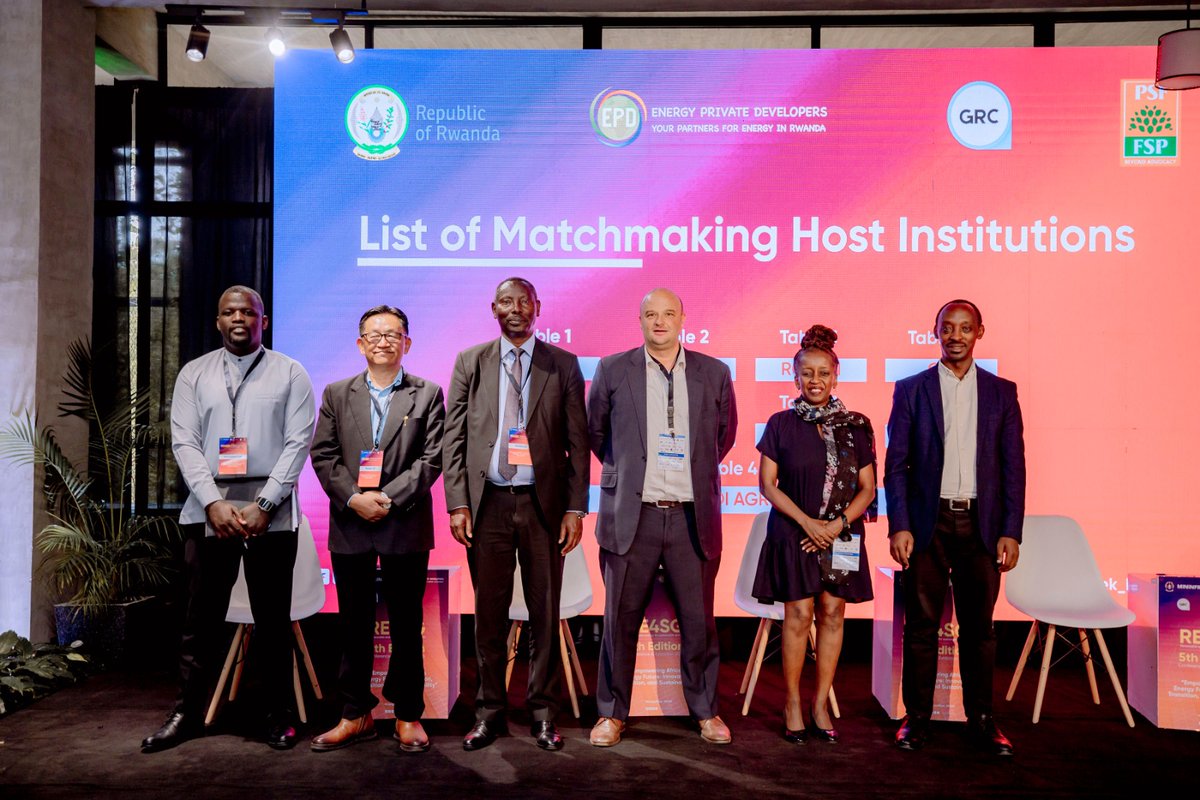
RCCDN contributed to the 5th edition of Renewable Energy for Sustainable Growth (RE4SG) Conference and Exhibition organized by @epd_rwanda. The 5-day long cause is aiming at Empowering Africa’s Energy Future with Innovation, Transition, and Sustainability. #EnergyWeek#RE4SG
We had a great time at #RE4SG2025 last week! From Sept 8–12, we showcased our solar innovations as exhibitors. Our CEO Francine Munyaneza joined industry leaders on a plenary panel to discuss Rwanda’s NST2 ESSP progress.
#EnergyForDevelopment#Rwanda#MunyaxEco
Today, during @AfricaEnergyExpo2025, we celebrated a major milestone: the official launch of the Power for Food Partnership (P4FP). This initiative aims to expand access to clean, affordable, and productive energy for farmers and SMEs across Rwanda. 1/2
She highlighted the strong capacity of private companies to develop effective business proposals and encouraged the sector to confidently engage with government institutions to unlock more collaborative opportunities.
The Power for Food Partnership is working to eliminate siloed approaches—not only across sectors, but also among partners. Today, P4FP implementing partners in Rwanda have gathered to discuss this quarter’s workplans and....⬇️
#RegenerativeAgriculture#P4FP#RenewableEnergy
4/
Jessica Kabasindi (RCCDN) emphasized advocacy:
“REJ and influencers are key to increasing visibility and influencing behavior change among farmers, SMEs, and policymakers.”