@masterofthenuts Thanks for reading! You will also see that in the article it states "IleR [the amino acid the headline refers to] reduces frailty and increases lifespan, with stronger effects on male lifespan". The section you have quoted refers to reduced overall amino acid intake.
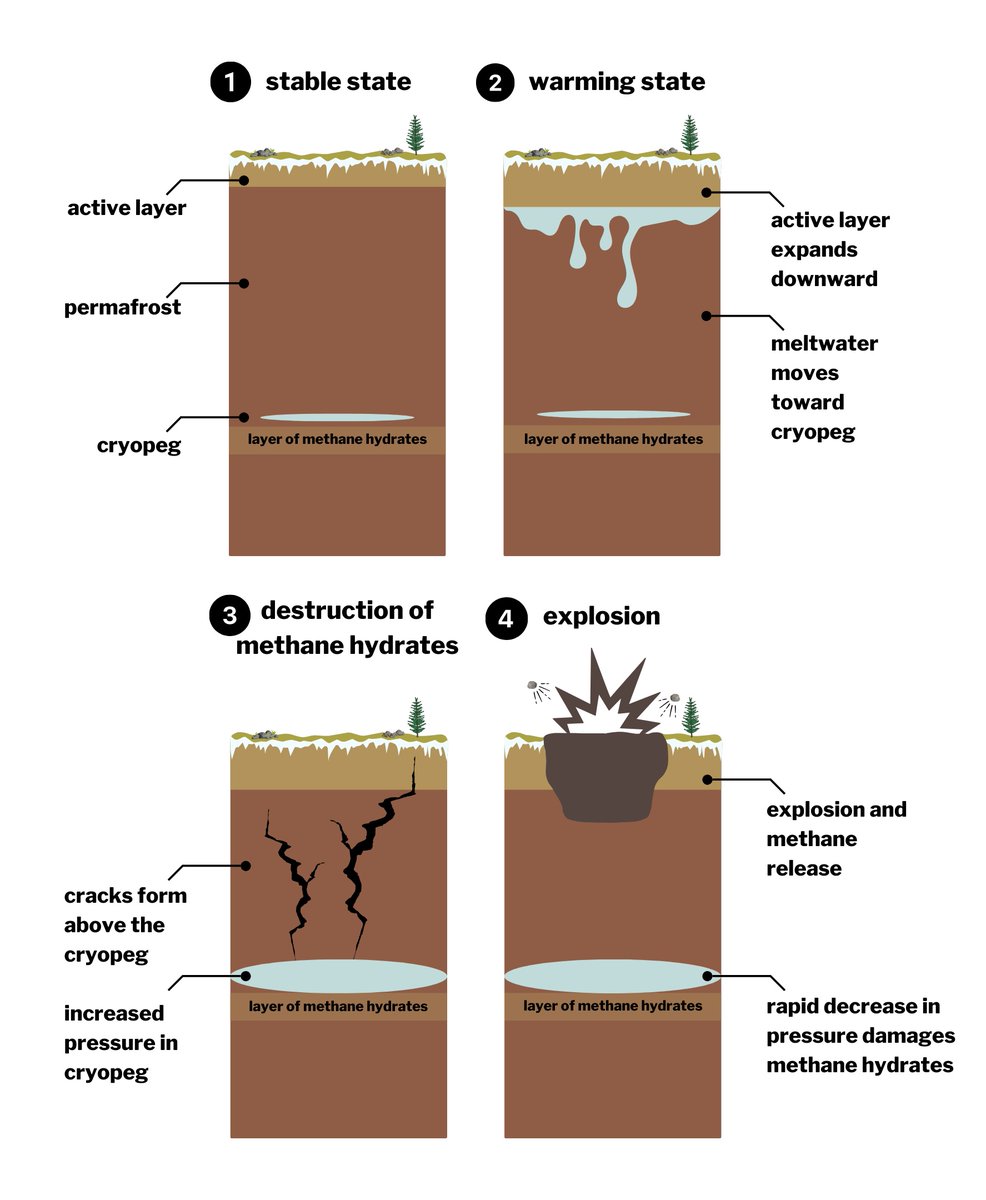
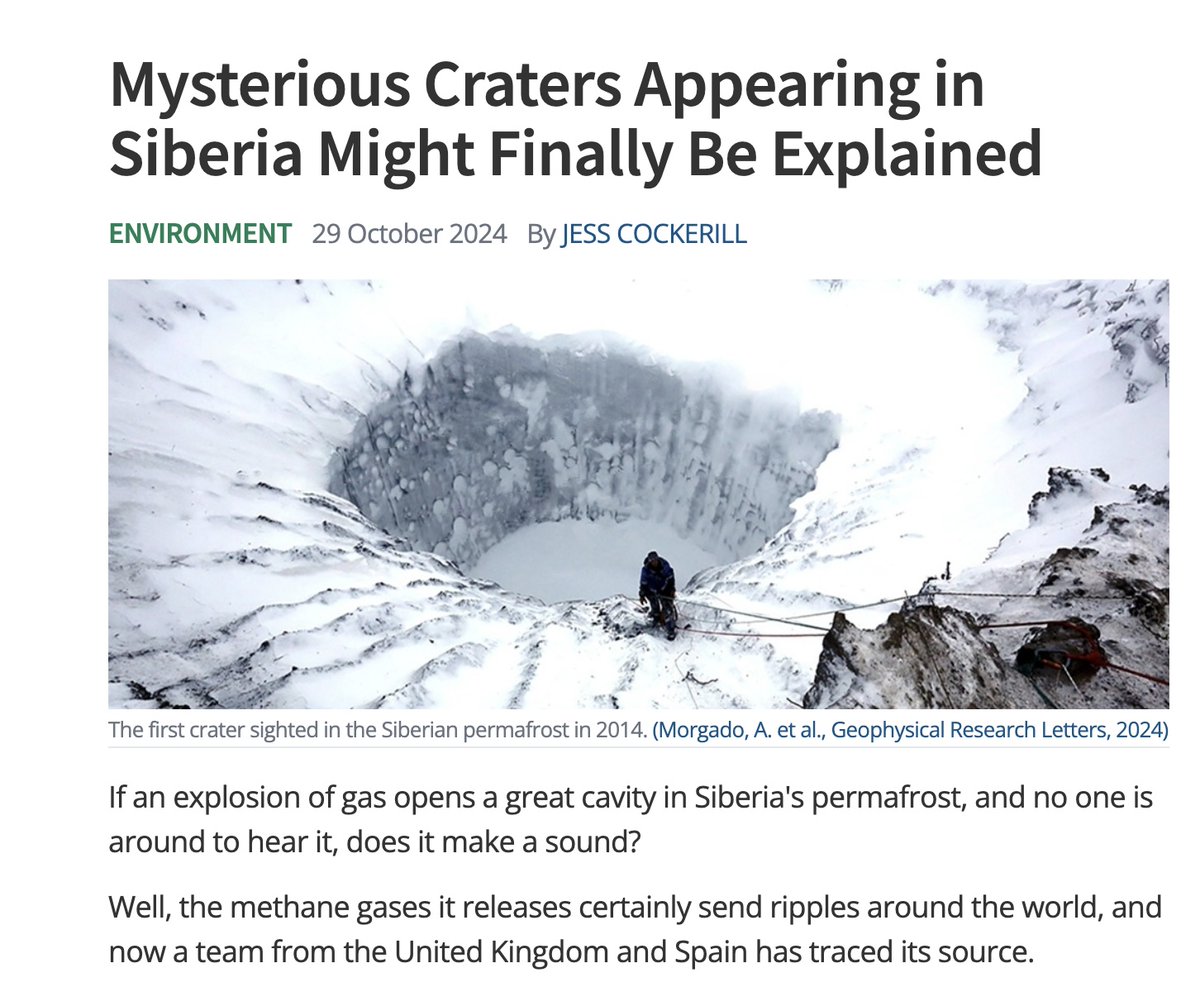
Fine @jess_cockerill story on a fascinating hypothesis about the bizarre Siberian blast-style permafrost holes I wrote on long ago. Links appended shortly. 1/
Today we bring you a series showcasing how journalists, politicians and citizens use FOI requests to bring you important stories and hold the government accountable despite delays, redactions and rejections ahead of a Senate inquiry into the broken system
https://t.co/5GRhU5Lt03
I do appreciate when authors get more creative with their wording - science reports can get pretty formulaic, mix it up, fair enough. But in my undergrad they gave us (or at least me) the impression those explicit hypothesis sentences were sort of non-negotiable.
Huge news!! I'm reading a research paper that *actually* ~literally~ says "we hypothesise"!!! And then in the discussion it *actually* ~literally~ says "this hypothesis was supported"!!! I was beginning to think maybe scientists don't *do* hypotheses any more 💁🏼
Scientists in China have impregnated female macaques with engineered monkey embryos which is pretty wild. I wrote about it for @ScienceAlert mainly because i couldnt understand why??? they tried to do this? (spoiler, I didn't really find a good reason)
https://t.co/yR2T8gmQuH
An ethereal blue glimmer just below the waterline has lured scientists like wisps from folklore to three new glowing species of marine bristle worm - let me introduce you 💙 https://t.co/670vqG0SMp
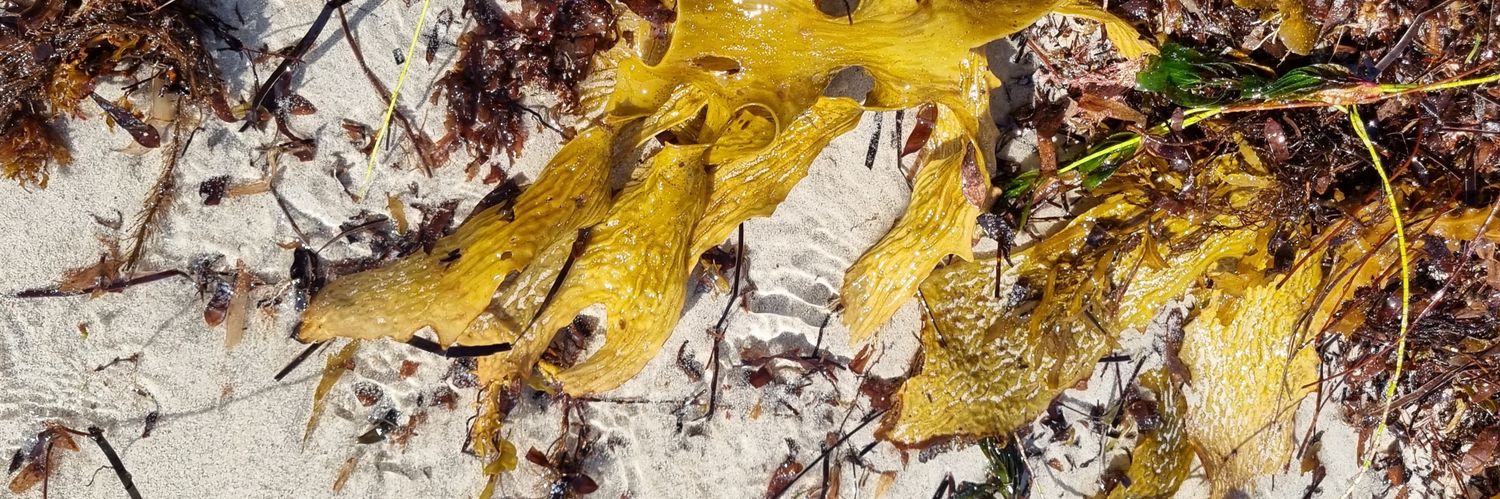
Home! With a djidi djidi, pied cormorants, a silver gull, and (offscreen) pied / sooty oystercatchers and ravens. Last time I returned there was no sand here, just bare limestone and anenomes and bluebottles. Now they're all buried I guess.