Congratulations to Dr. Helen Nabwera on being appointed as the new Head of Clinical Research Department at the Programme following the completion of a highly competitive recruitment process.
Read more on Helen's profile 👉:https://t.co/N3Yv8eM57t
@UniofOxford@IDeAL_KEMRI_WT
💡 Did you know Sera means Policy in Swahili?
Policy development is often slow & complex @SciforAfrica Grand Challenges Africa #AI grantee Kevin Korir @VisorTech built https://t.co/H3HEHDcbIP to make it faster, more inclusive & evidence-driven.
#AI#Policy#Innovation#Africa
Four @CRID_MKU researchers jointly with others published a review unraveling the 'spillover effects' of interventions against malaria endemicity. This study is a game changer in optimizing deployment of interventions. Read more https://t.co/JVEkGnggzx #Interventionalmalaria
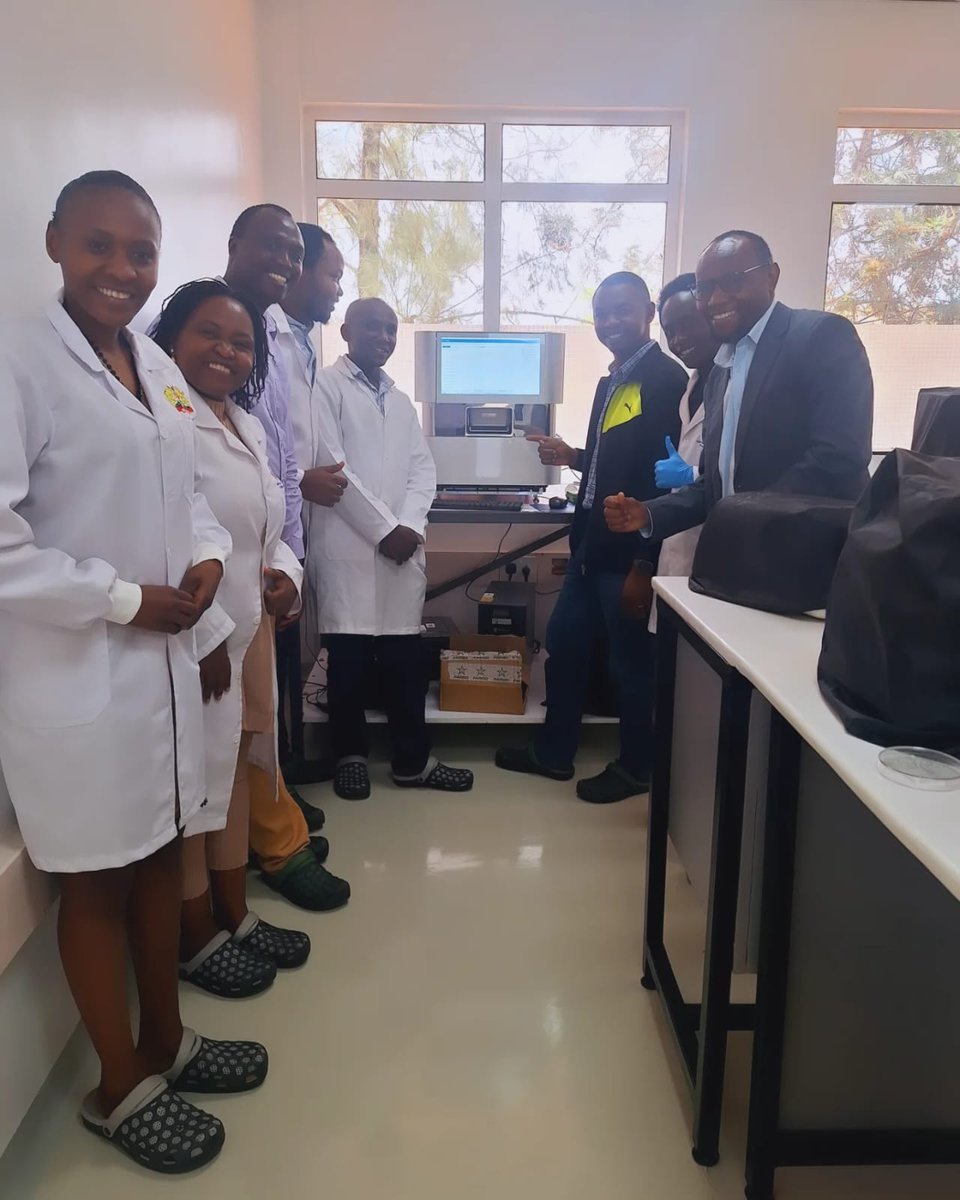
@CRID_MKU has installed a groundbreaking DNA sequencer illumina nextseq 1000 by @NextSeq in it's state of the art Centre for Malaria Elimination research lab (gitakalab). This transformative milestone will propel genomics research in infectious diseases and cancer.
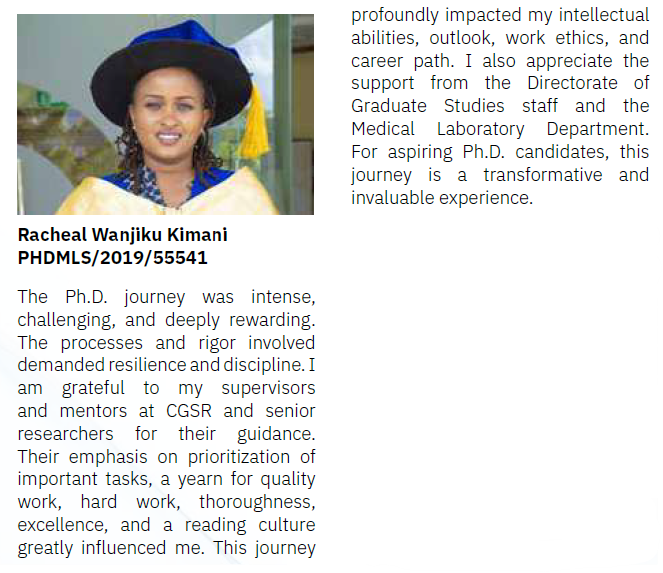
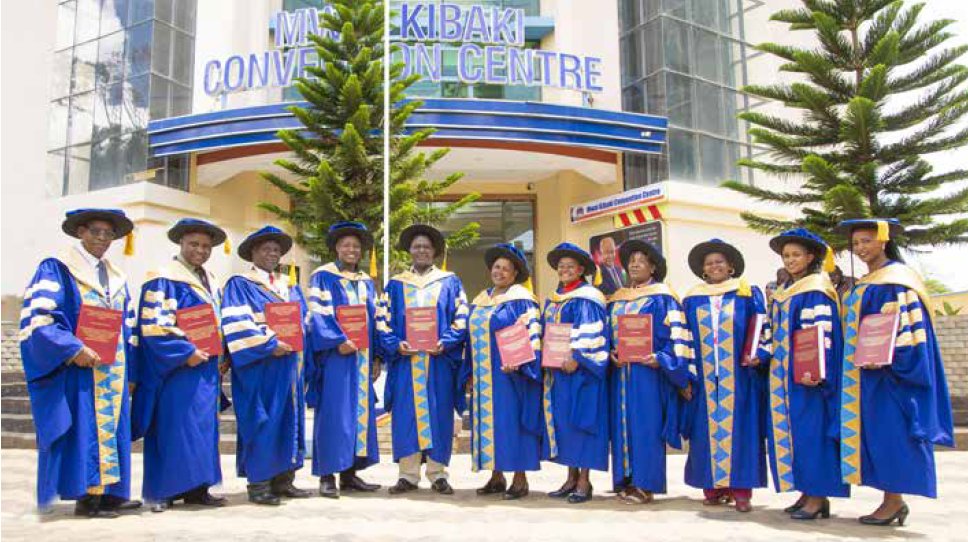
Congratulations Dr. Rachael Kimani PhD. of @CRID_MKU
on your graduation at @MountKenyaUni. Her thesis was on characterizing carbapenems resistance in bacteria producing gram negative bacilli. She was supervised and supported by @jesseGitaka and @benkanoi#MKU26thGraduation
@NationAfrica@LeonLidigu@LarryMadowo
Consider doing a comparative piece on the working schedules (shift durations/mandatory breaks/remuneration etc) of doctors around the world. For some its modern day slavery.
Human factors vs. staff wellbeing & patient safety/outcomes needs amplification.
Busy and productive morning at CERI. Whole Human Genome Sequencing in the Novaseq 6000 and TB whole genomes direct from sputum in the Nextseq2000. Working to unlock the genomic power in Africa.
A new study in PLOS ONE highlights the detection of multidrug-resistant organisms at Thika Level V Hospital, Kenya.
Notable resistance among Enterobacterales, with 65.9% exhibiting ESBL phenotypes.
https://t.co/Vt2ZcafHjd
A new study in Scientific Reports uncovers crucial findings on the malaria parasite Plasmodium falciparum in Kenya and Uganda.
Why It Matters: These insights can help target interventions and improve treatment strategies.
https://t.co/ndCuxUYQ5B
#mountkenyauni
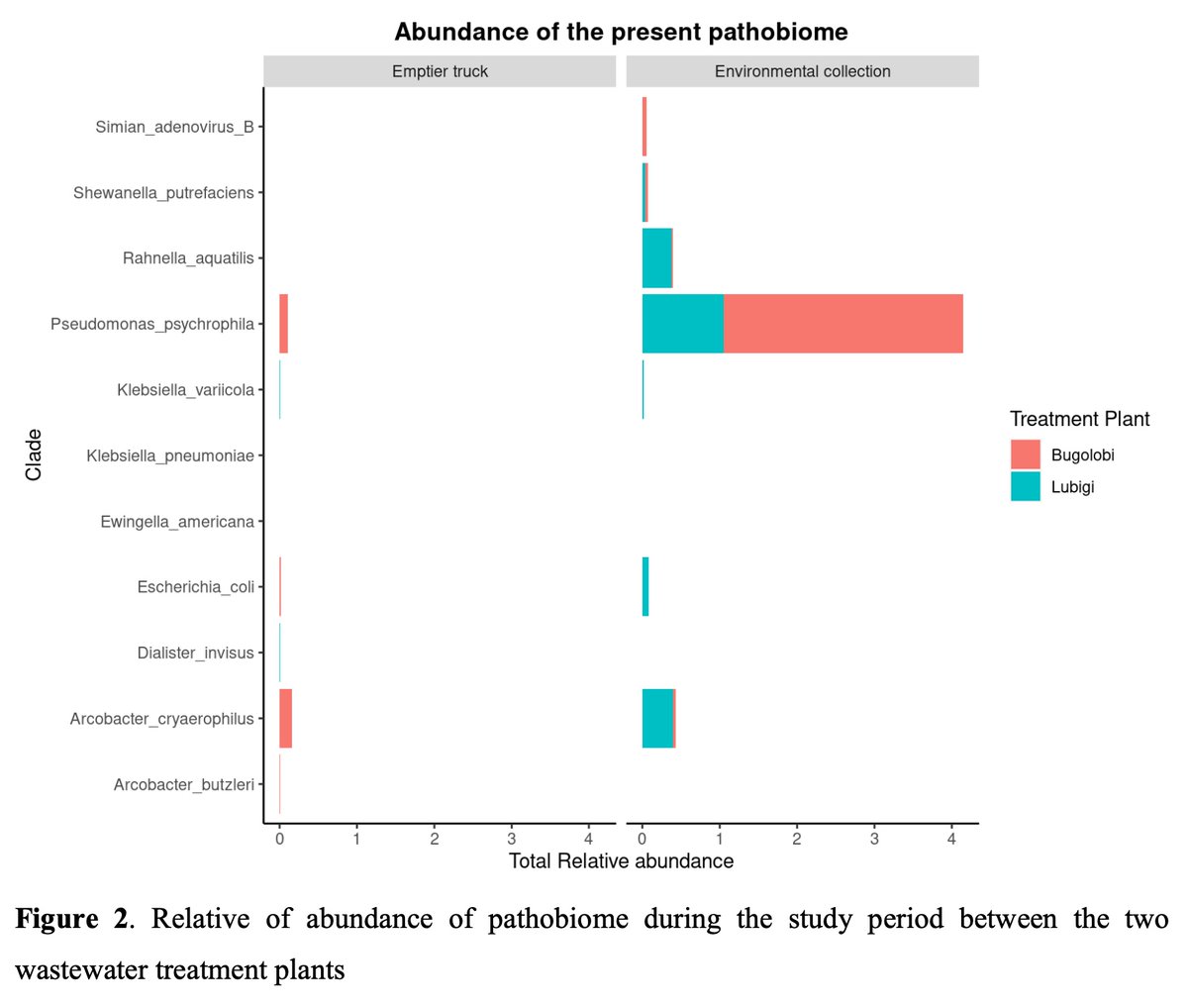
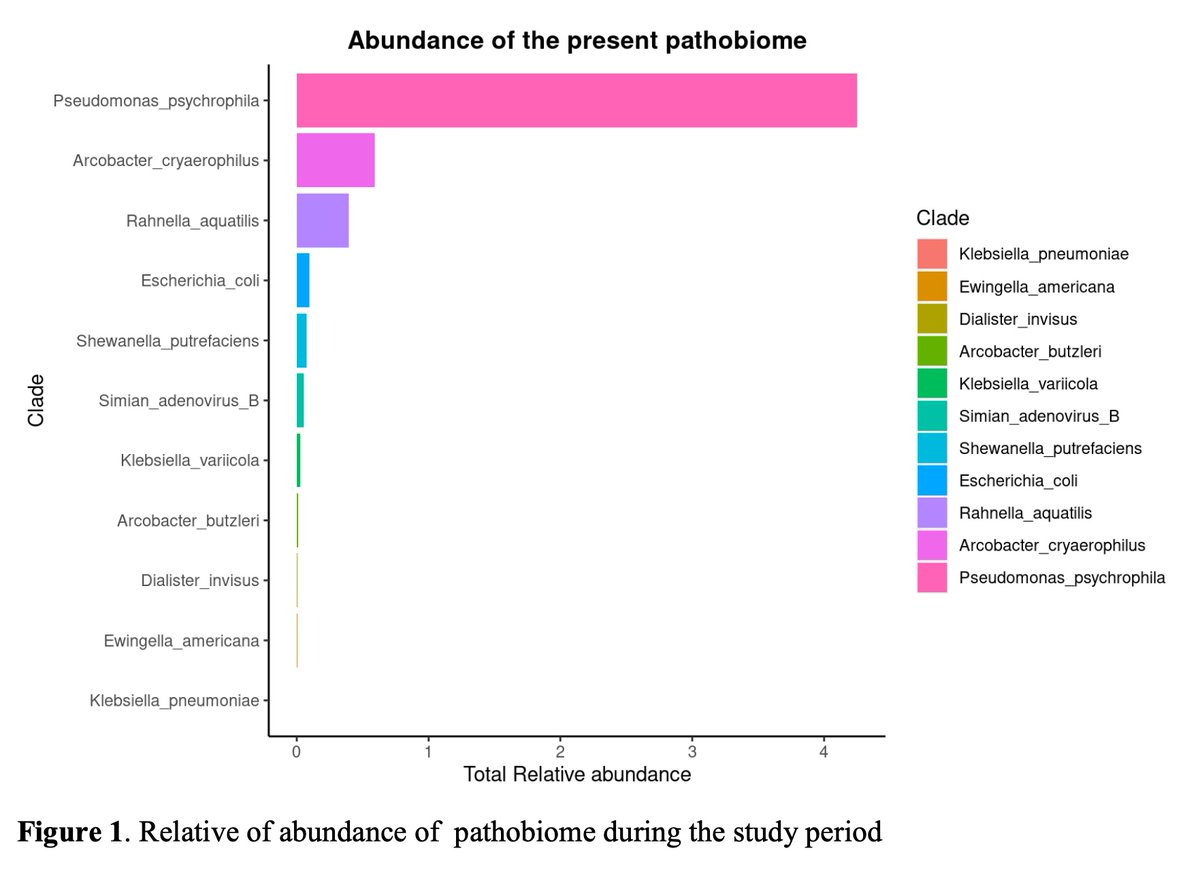
We present our paper on metagenomics insights into the microbial resistome & virulome composition of Kampala’s wastewater during wet & dry seasons (https://t.co/tDiHCf7mGp). Pseudomonas psychrophila, a fish pathogen, was the most prevalent, while Klebsiella pneumoniae was the least prevalent. We identified 23 AMR genes & 29 virulence factors, with a predominant association with bacterial motility. All virulence factors were found within Pseudomonas aeruginosa. The utilization of shotgun metagenomics in sewage analysis is crucial for ongoing monitoring of microbial diversity & antimicrobial resistance.
@CRID_MKU held a 2 - days workshop on Parasitology . The workshop featured renowned scientist speakers from MKU, Ehime University, Japan, Tottori University, Japan, Kobe University, Japan, Kenya Medical Research Institute, Kenya Institute of Primate Research, and JKUAT.