What a day for Samiya the Samurai🔥
Competing for Team Nebraska at the FREECO National Duals, Samiya battled through a tough field and finished the day with an impressive 4-2 record in Greco-Roman wrestling. Proud of her toughness, effort!
#BuiltDifferent#AttitudeAttentionEffort
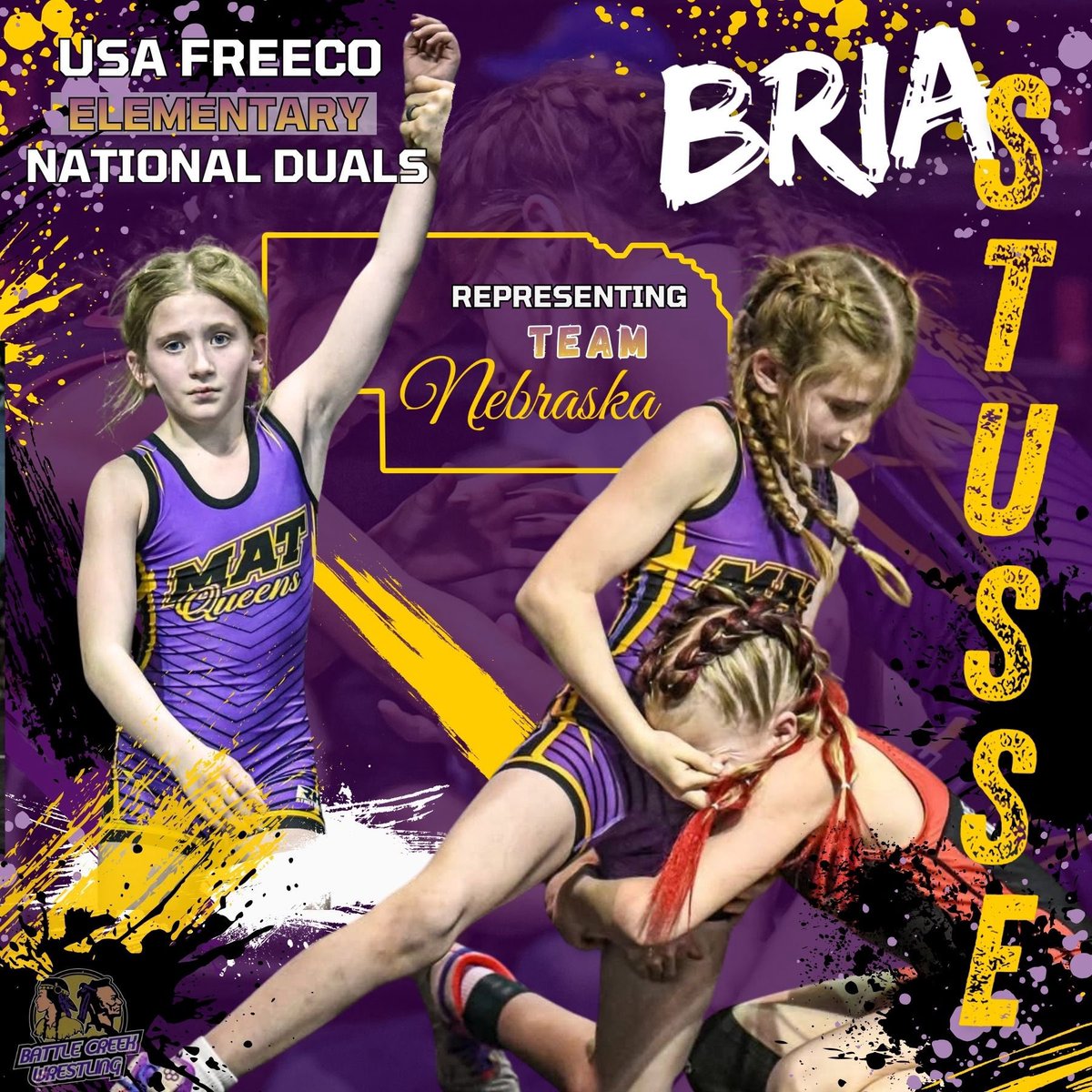
5-1 in Greco today! 🤼♀️💪
Bria put together a strong day at the FREECO National Duals representing Team Nebraska, finishing with a 5-1 record in Greco-Roman. Win or lose, opportunities like this build champions. Proud of the effort, attitude, and heart Bria showed💜
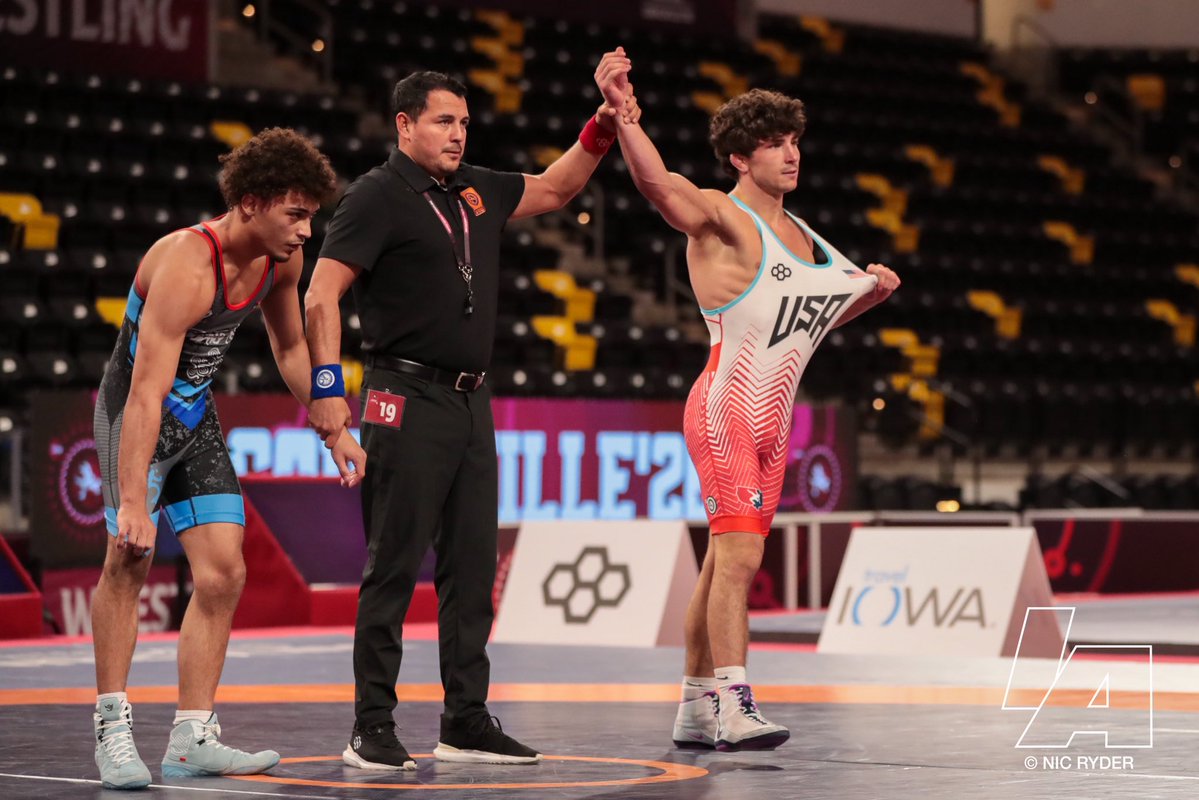
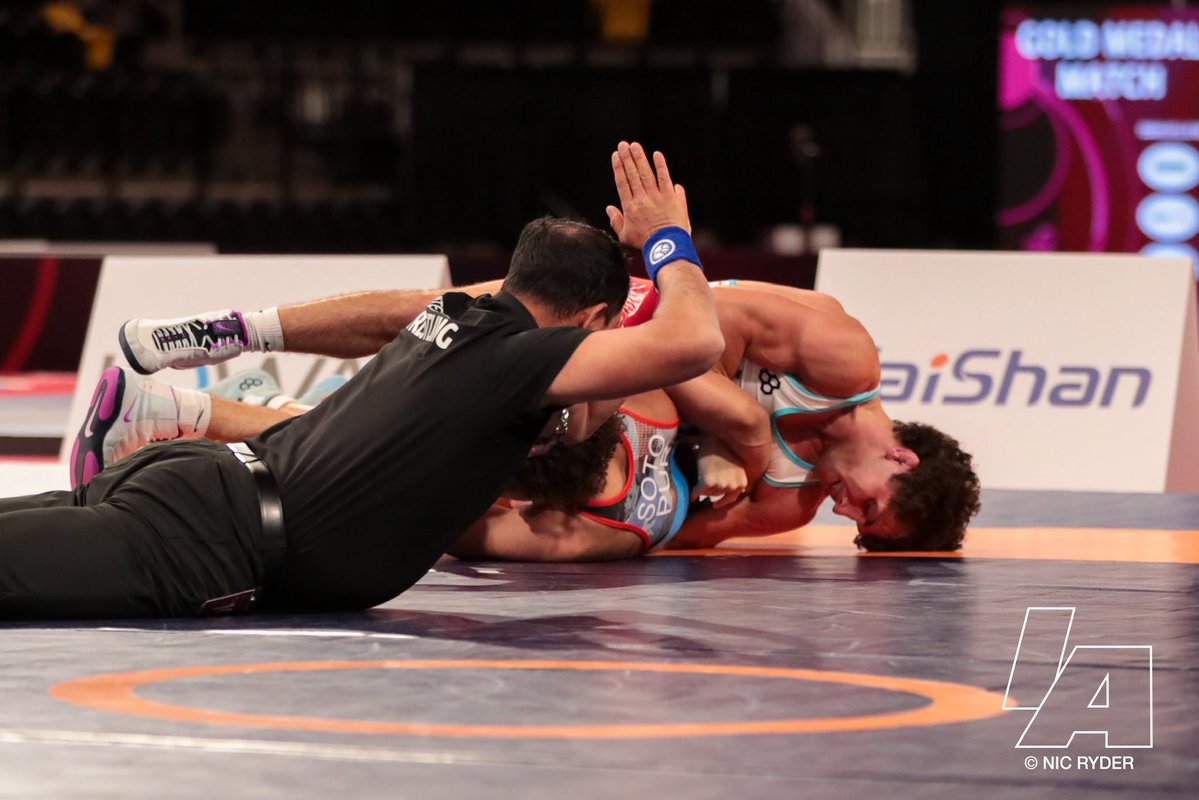
Usa wrestling is in such a good space!Since college wrestling is tied to folkstyle we have “appeared” to be behind the rest of world (Russia, Iran), but we’re finally producing 18/19 year old medal threats at the sr level in freestyle wrestling. It’s truly awesome to watch.
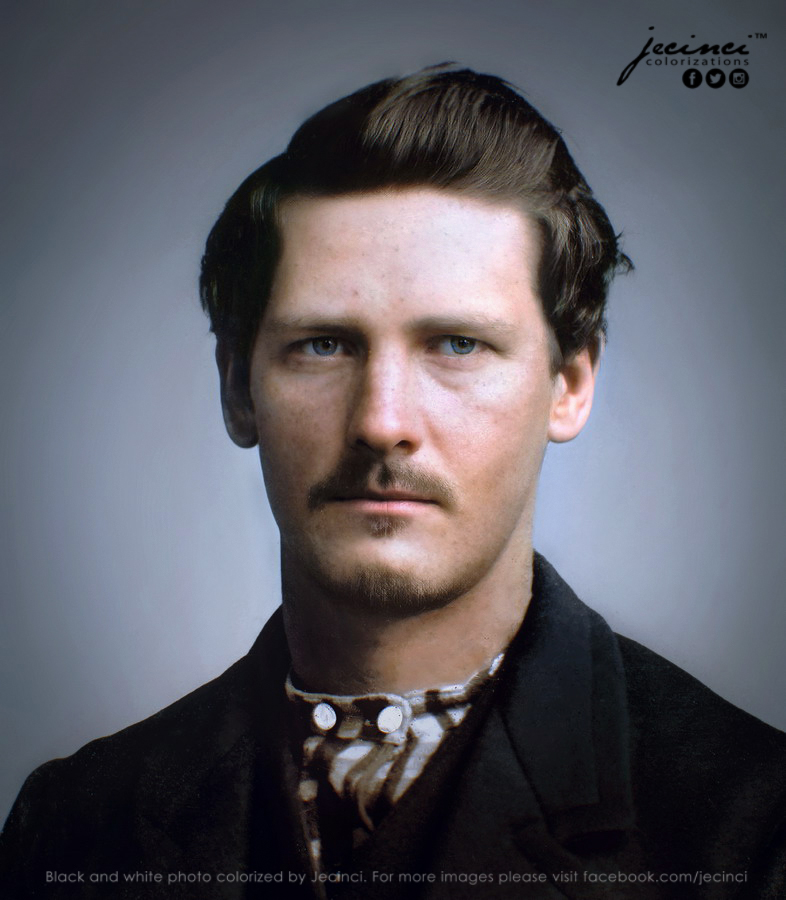
Wyatt Earp died in 1929.
Let that sink in.
The man who shot his way through the O.K. Corral lived long enough to see talking pictures, the Model T, Prohibition, jazz, and Babe Ruth hit 60 home runs in a single season.
He consulted on early Hollywood Westerns. He drank coffee with Charlie Chaplin on studio lots. A young John Wayne, then a prop boy named Marion Morrison, met him on a film set and later admitted he built his entire screen persona around the way Wyatt carried himself. Quiet. Slow. Absolutely certain.
The legend almost never happened.
Wyatt was born in 1848 in a small Illinois town to a farmer with a temper and eight children. When the Civil War broke out, thirteen year old Wyatt tried to run away and enlist three separate times. His father caught him each time and dragged him home by the collar. By sixteen he was hauling freight across the prairie. By twenty he had buried his first wife, Urilla, who died of typhoid while pregnant with their first child. He went off the rails after that. Got arrested in Arkansas for stealing a horse, broke out of the jail by climbing through the roof, and disappeared into the West.
He hunted buffalo on the plains alongside a young Bat Masterson, who would later become his lifelong friend and, decades later, a sportswriter for a New York newspaper. He worked as a stagecoach guard, a faro dealer, a bouncer, a saloon owner, and at various points, a pimp. The legend tends to leave that last one out. His common law wife in Wichita was a known prostitute, and Wyatt himself was once fined for running a brothel. The myth wants a saint. The man was something messier and more interesting.
He drifted into Dodge City, then the rowdiest cattle town in America, and pinned on a deputy's badge. He almost never fired his gun. His preferred weapon was the long barrel of a Colt revolver, which he used to crack drunken cowboys across the skull. They called it "buffaloing." It was free, it was fast, and the man stayed alive while everyone around him kept dying.
It was in Dodge that he met Doc Holliday, a tubercular dentist from Georgia who had killed at least one man and was slowly drowning in his own lungs. The story goes that Doc once saved Wyatt's life in a saloon by drawing a pistol on a crowd of cowboys closing in behind him. From that moment on, the two were bound together. The lawman and the killer. The teetotaler and the alcoholic. The most unlikely friendship in the American West.
In 1879 Wyatt's older brother Virgil sent word from a new silver town in Arizona Territory called Tombstone. The whole Earp clan went, hoping to get rich. They never did.
What they got instead was a feud.
A loose gang of cattle rustlers and stagecoach robbers known as the Cowboys ran the back country around Tombstone. The Earps, now wearing federal and city badges, kept tangling with them. Words turned to threats. Threats turned to ambushes. On October 26, 1881, in a narrow vacant lot beside a livery stable, the two sides finally met.
The famous gunfight at the O.K. Corral lasted thirty seconds. Around thirty shots fired. Three Cowboys dead. Virgil shot. Morgan shot. Doc Holliday grazed. Wyatt walked away without a scratch.
It wasn't even at the O.K. Corral. It happened next door. The papers got it wrong and history kept the mistake.
Two months later, an assassin in the dark shot Virgil through the arm and shoulder, leaving him crippled for life. Three months after that, while Morgan was playing pool in a saloon, a gunman fired through a glass door and put a bullet through his spine. Wyatt was standing a few feet away. He held his brother as he bled out on the floor.
Morgan's last words, according to Wyatt, were a request that no one ever wrote down on paper.
Then Wyatt did something the law could not.
He pinned on a federal marshal's badge, gathered a small posse including Doc Holliday, who was coughing blood into a handkerchief the entire ride, and hunted every man he believed responsible for his brothers. No trials. No arrests. He killed them where he found them. A train yard. A wood camp. A creek bed at sunset where he reportedly emptied both barrels of a shotgun into a man named Curly Bill at point blank range.
History calls it the Earp Vendetta Ride.
He was never charged. He was never caught. Arizona issued warrants for his arrest. Wyatt simply rode out of the territory and kept moving for the next forty seven years.
He went to Colorado. To Idaho. To San Francisco, where he met Josephine Marcus, a Jewish stage actress who had once been engaged to the very sheriff Wyatt had been feuding with in Tombstone. She left that life behind and stayed with Wyatt until the day he died.
They never had children. They never owned a real home. They lived in hotels, tents, mining camps, and rented rooms.
In 1896 Wyatt was hired to referee a heavyweight prizefight in San Francisco between Bob Fitzsimmons and Tom Sharkey. He walked into the ring with a loaded pistol still in his coat pocket. The police made him remove it on the spot in front of ten thousand people. He then awarded the fight to Sharkey on a controversial foul call that the entire sporting world believed was fixed. Wyatt insisted, until the day he died, that the call was honest. Most historians still doubt him.
He chased gold in the Yukon during the Klondike rush, running a saloon in Nome, Alaska, where temperatures hit forty below and miners paid for whiskey in raw gold dust. He came back south. Prospected in the Mojave Desert with Josephine in a tent for years. Found a little copper. Lost most of it.
By the 1910s he was old, broke, and living in a small bungalow in Los Angeles. He spent his days at the new film studios watching cowboys ride across painted backdrops. He befriended Tom Mix, the biggest Western star of the era. He befriended William S. Hart, the second biggest. He told them stories. He corrected their gun handling. He hated almost every Western he saw because none of them got it right.
He tried to commission an honest biography of his life. Three different writers gave up. The first one Wyatt fired for being too soft. The second died. The third, Stuart Lake, wouldn't finish until after Wyatt was dead, and the resulting book, published in 1931, invented half the legend we know today, including a special long barreled revolver called the Buntline Special that almost certainly never existed.
Wyatt Earp died in his sleep in Los Angeles on January 13, 1929, at the age of eighty. He had no money. He had no land. He had Josephine, a few photographs, and a reputation he had spent a lifetime trying and failing to control.
When he was buried in a small Jewish cemetery just south of San Francisco, in Josephine's faith rather than his own, the pallbearers included Tom Mix and William S. Hart. Tom Mix wept openly at the grave. A studio orchestra played softly. The frontier was already a movie by then.
The last real gunslinger had just become a character in it.
Josephine lived another fifteen years. She spent most of them trying to clean up his story for the public and burning the parts she did not want history to see. She is buried beside him.
His grave was robbed in 1957. The headstone was stolen. Twice.
They keep replacing it.
People keep coming.