Ing. Agrónomo Especialista en Parasitología Agrícola. Coordinador del Programa Binacional (México-USA) de Erradicación del gusano rosado y picudo del algodonero
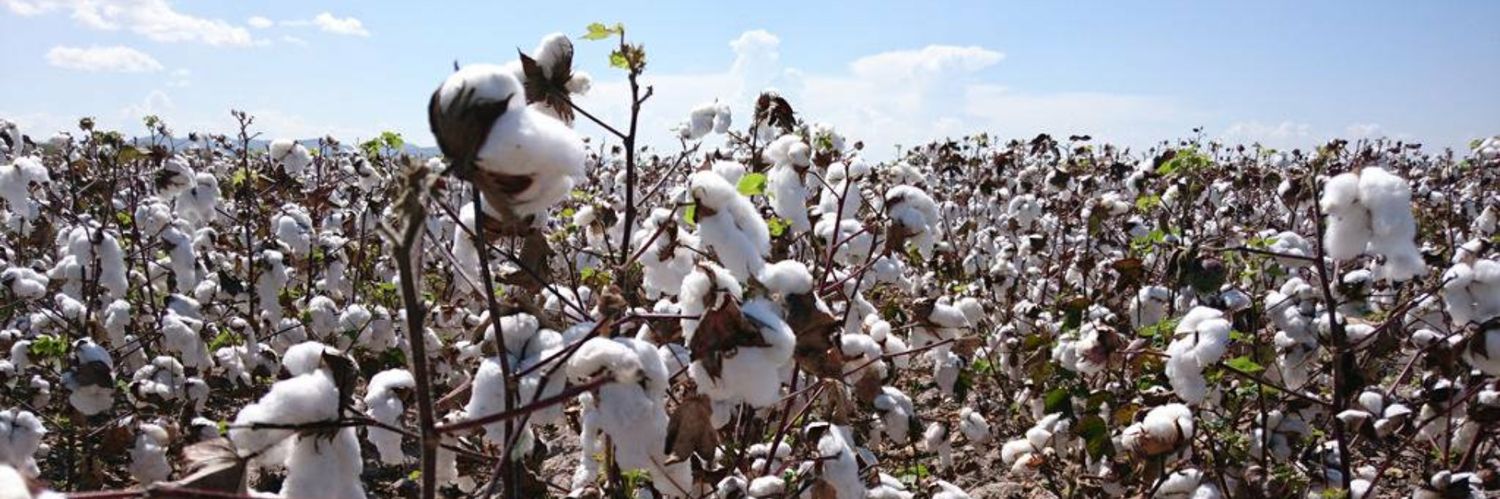
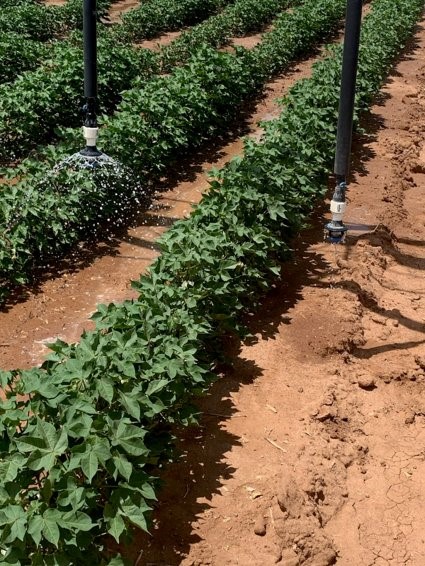
Cultivo de algodón bajo esquema de agricultura regenerativa en el desierto de Chihuahua, México.
Fotografías cortesía del Ing. Juan Sanchez Camarillo.
@ICAC_cotton@USDA#cotton#algodón
El @SENASICA destinó este año un presupuesto de 32.2 millones de pesos para emprender acciones fitosanitarias contra plagas del cafeto en los estados de #Chiapas, #Guerrero, #Hidalgo, Nayarit, #Oaxaca, #Puebla, San Luis Potosí y Veracruz.
En Chaco, presentamos Arandu INTA BGRR IMIcott, una nueva variedad de #algodón que desarrollamos junto a @GensusArg y que combina productividad, calidad de fibra, estabilidad y sanidad.
Rotating crops is a key practice in many farming operations that benefit yield and soil health. In this video, Mr. Strange discusses his crop plans for 2026 and the factors that influence those decisions.
Check out the full video here! https://t.co/zBqAKZAbmY
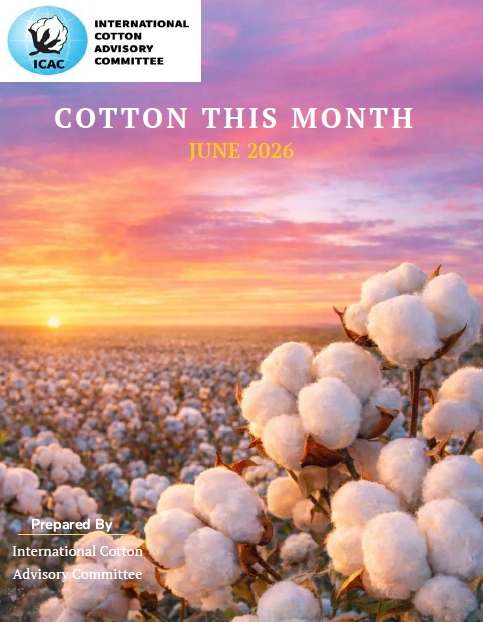
The calendar has turned from May to June — so it's time to check in on the cotton market!
The June 2026 issue of #CottonThisMonth projects a modest contraction in the global cotton sector during the 2026/27 season.
Extraordinario desarrollo del cultivo del #algodón en el Norte de Tamaulipas. 3,450 hectáreas son atendidas en el marco del Programa Binacional México - USA para la Erradicación del Picudo del algodonero
@ICAC_cotton@USDA#cotton#ProgramaBinacional
🌾👀 ¿Detectaste algo inusual en tus cultivos? Podría ser #LangostaVoladora 🦗
El monitoreo, control y coordinación con organismos como la @FAO y el @OIRSAoficial son clave.
🚨 Si sospechas su presencia, repórtala a la autoridad de #SanidadVegetal más cercana.
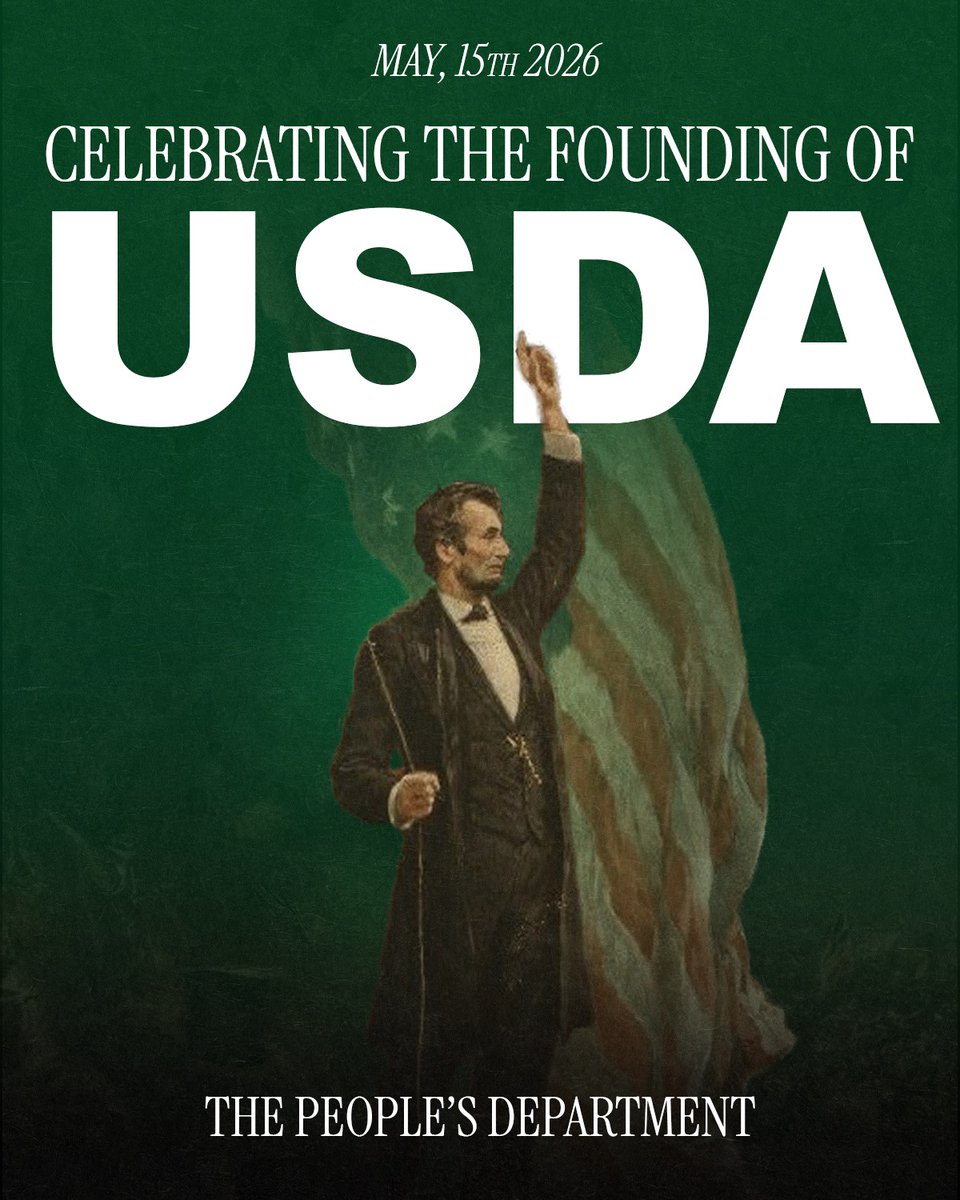
We are celebrating the @USDA’s birthday today! 🇺🇸🌾
On May 15, 1862, in the middle of the Civil War, President Abraham Lincoln established the Department of Agriculture — calling it “The People’s Department” because it served the farmers, ranchers, and rural families who made up the heart of America.
For 164 years, USDA has stood alongside the hardworking Americans who feed, fuel, and steward this great nation — from the fisheries and working waterfronts of the East Coast, to the forests, rangelands, and timber communities of the American West; from the cornfields of the Midwest to the cattle country and open plains of the South.
American agriculture is woven into every corner of our country and every chapter of our history. It powers our economy, strengthens our national security, preserves our rural communities, and sustains the American way of life.
Today we honor the generations of farmers, ranchers, producers, foresters, and public servants who helped build the most abundant food and textile system in the world.
Happy Birthday, USDA — and God bless the amazing people who keep America fed, clothed, and free. 🇺🇸🚜🌲🐄
📌 El algodón sostenible impulsa prácticas que cuidan el ambiente, fortalecen la agricultura familiar y reducen la huella de carbono. Conoce la publicación sobre prácticas sostenibles para el manejo del algodón en el Ecuador de @FAOBrasilCoop. ▶️https://t.co/HiKZuTXGnS
The ICAC has launched a new initiative to turn sustainable cotton into real income for farmers.
Through carbon markets, cotton producers could earn up to $200 per hectare in additional revenue, creating a direct financial incentive for climate-smart, regenerative agriculture.
In #ScientificDiscoveries, ARS researchers in Maricopa, AZ, are studying whether combining irrigation scheduling models and soil water sensors could improve water efficiency for growing cotton. Learn more at: https://t.co/PduNLUHJv6
🍌 La Sigatoka puede poner en riesgo la productividad del cultivo de plátano si no se detecta y maneja a tiempo. Esta enfermedad foliar, causada por hongos del género Mycosphaerella spp., afecta la salud de la plantación al reducir el área fotosintética de las hojas, debilitando la planta y disminuyendo el peso de los racimos.
No todas las Sigatokas tienen el mismo impacto: mientras la Sigatoka amarilla suele ser endémica y menos limitante, la Sigatoka negra representa una amenaza mucho más severa y exige acciones estrictas de prevención y manejo.
La clave está en un manejo integrado que combine deshoje fitosanitario, buena nutrición, riego adecuado, control de arvenses, densidades de siembra apropiadas y, cuando sea necesario, control químico responsable.
✅ Identificar a tiempo, prevenir y manejar de forma integral puede marcar la diferencia entre un cultivo sano y pérdidas en la producción.
#Plátano #Sigatoka #SanidadVegetal #ManejoIntegrado #ProducciónAgrícola #AgriculturaSostenible
#CT_F Cotton is quietly trading near its highest level in 18 months. This is directly related to the military conflict and shipping lane fiasco. #Cotton
The #USDA says there will be an increase in cotton plantings this spring, higher than some were expecting.
Jody Campiche with @NCottonCouncil tells @brownfield a boost in #cotton prices likely helped.
https://t.co/jp1YHqLFc1
California cotton grower Gary Martin says increasing the Pima cotton loan rate to $1 per pound provides needed stability for Western producers and helps ensure a consistent U.S. supply of premium Pima cotton.
El tema de plagas y enfermedades del #algodón también se abordó en la Reunión Plenaria No. 83 del @ICAC_cotton que se celebra en Bremen, Alemania.
La incorporación de nuevas tecnologías en el MIP es fundamental para complementar la experiencia de técnicos y productores.
Dealing with Pests at the 83rd Plenary Meeting
Jassids, bollworms and mites, oh my!
The second day of the ICAC’s Plenary Meeting in Bremen, Germany, featured one of the staples of the annual event: the Technical Seminar.