How might history's lessons speak to today? @DrChrisFuller, Dr Charlotte Riley and Dr Chris Prior from the @Unisouthampton History department have brought 'applied history consultancy' to bear on the contemporary challenge of transitioning to green energy. https://t.co/D0B5qHwfZe
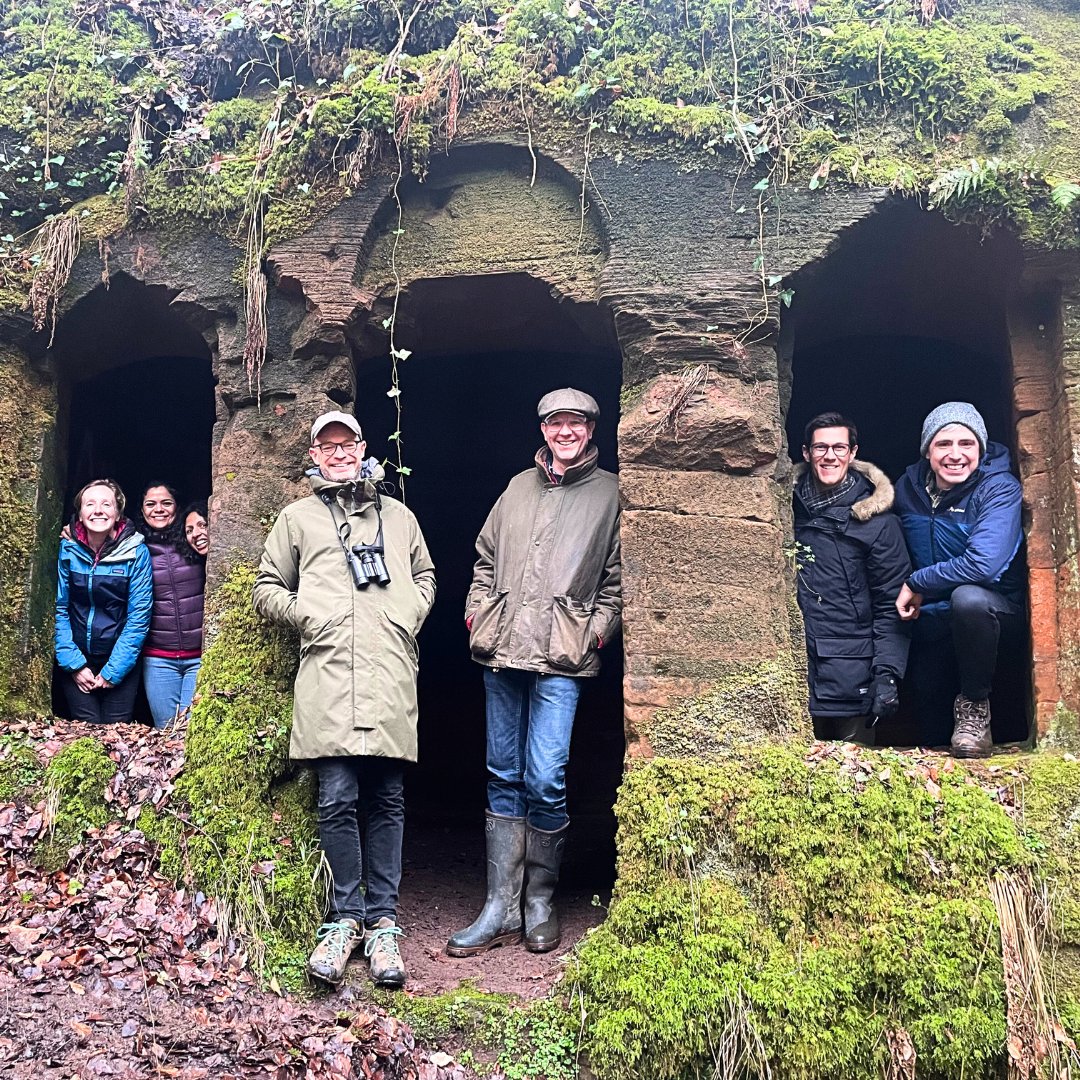
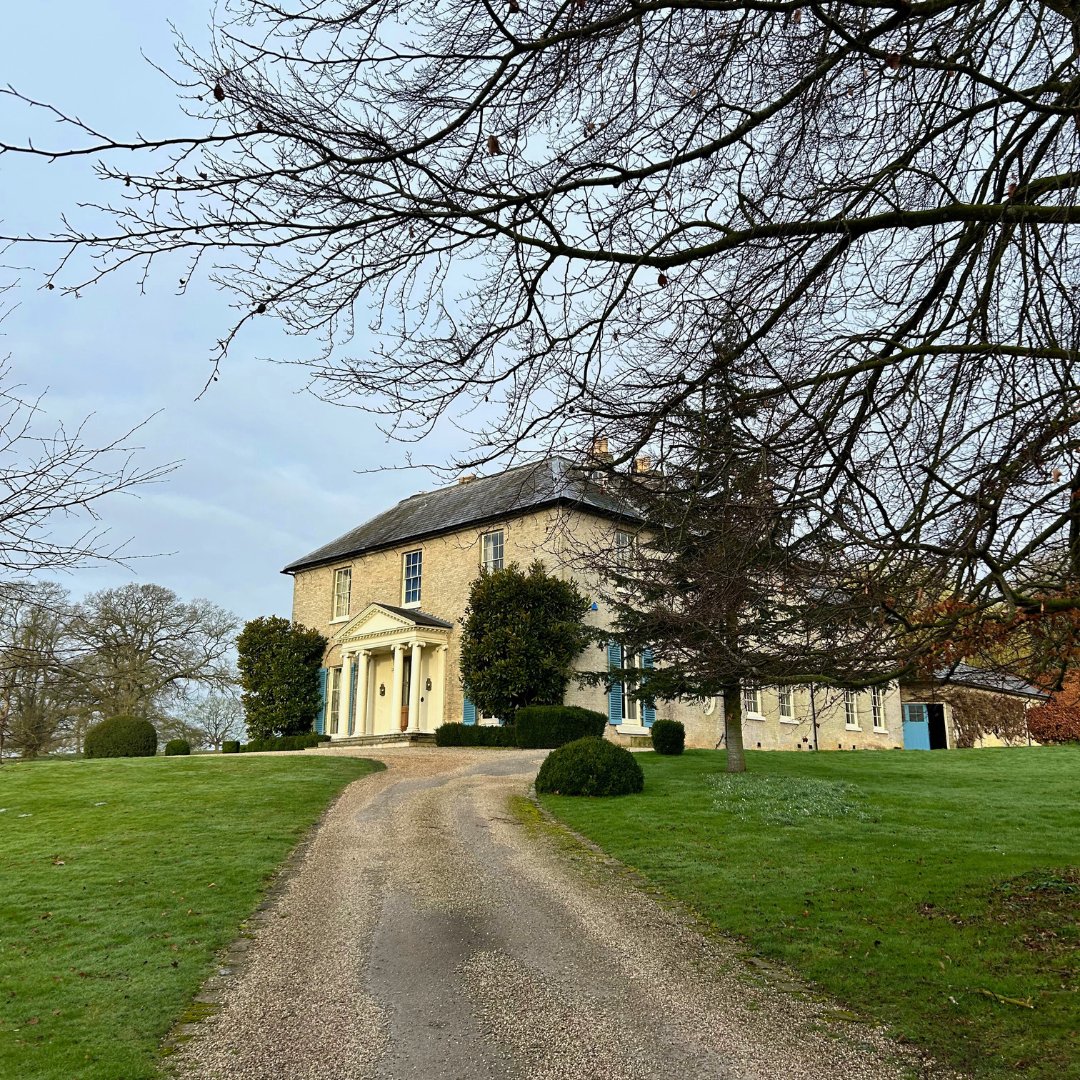
So excited to be lucky enough to be part of a @HistoryAtSoton team who have been awarded a stay at the wonderful Georgian property Belmont in Lyme Regis. Thank you so much @LandmarkEngage1
IMPORTANT PLS SHARE. It's rumoured the English £9,250 tuition fee cap may be raised this pm for the 1st time in 8yrs, as University's finances are strained. As student finance misunderstandings abound, I've bashed out a few notes to help...
1. Higher tuition fees WON'T change what most pay each year. For most, they're paid for you by the student loans company and you repay afterwards only if you earn over the threshold. The amount you repay each year (9% over the threshold) solely depends on what you earn not on what you borrow.
2. Increasing tuition fees will only see those who clear the loan in full over the 40yrs pay more. That is generally mid-high to higher earning university leavers only, so the cost of increasing them will generally be born by the more affluent. Most lower and middle earning university leavers will simply pay 9% extra tax above the threshold for 40yrs (and higher tuition fees won't change that)
3. The rise is tuition fees is likely to be trivial compared to the changes the last govt made for 2023 starters. 2023 starters had their repayment thresholds dropped to £25,000 (from £27,295/yr) and had the time they had to keep repaying for (unless cleared) extended to 40years from 30years.
So these higher annual repayments for longer, increased by over 50% the amount many graduates will eventually have to pay back for going to university. Yet they were almost stealth changes because people can't intuitively feel the seismic impact.
Changing tuition fees is a more obvious rise, but in reality has far less of an impact on the amount most will repay (though combined with the 2023 changes it does certainly up the cost).
4. The biggest practical problem for students isnt tution fees (even if raised) its the fact maintenace loans aren't big enough. English maintenance loans have not kept pace with inflation. I'd urge the govt to couple the tuition fee loans with bigger living loans - if not it is a real risk to social mobility, with those from the poorest backgrounds likely to be worse affected.
I could write more, but will stop here, hopefully this gives an idea the issues are less straightforward than many feel.
Are you interested in studying the Holocaust? Join us on 28 October (4pm GMT / 12pm EDT) for a webinar with members of the Parkes Institute and @HistoryAtSoton to learn about our MA Holocaust: History, Experience, Heritage.
Register here 👉https://t.co/7ALHU7N3Wj
Some essential viewing tomorrow evening (Thurs. 17th) at 9pm, BBC2: Soton History's own @PistolRachel will appear as an expert on the first episode of the latest series of 'A House Through Time' @ParkesInstitute https://t.co/vRw503Bi4U
We were honoured to welcome back Dr Edgar Feuchtwanger, a Jewish refugee and former history professor, as he visited our ‘University of Southampton: A Place of Refuge’ exhibition curated by the @ParkesInstitute.
Read more 👉https://t.co/s8J6I0FJjS
We need your help! Benefact’s Movement for Good has opened nominations for Arts and Culture organisations to receive a £5000 grant and we need you to nominate us!
Follow the link below to fill in the form and support us!
https://t.co/2byiV4TCQl
A lovely event at Chawton House last night and a really impressive exhibition on Mary Robinson. As Emma the curator said, it’s about time a film was made about this fascinating historical figure!
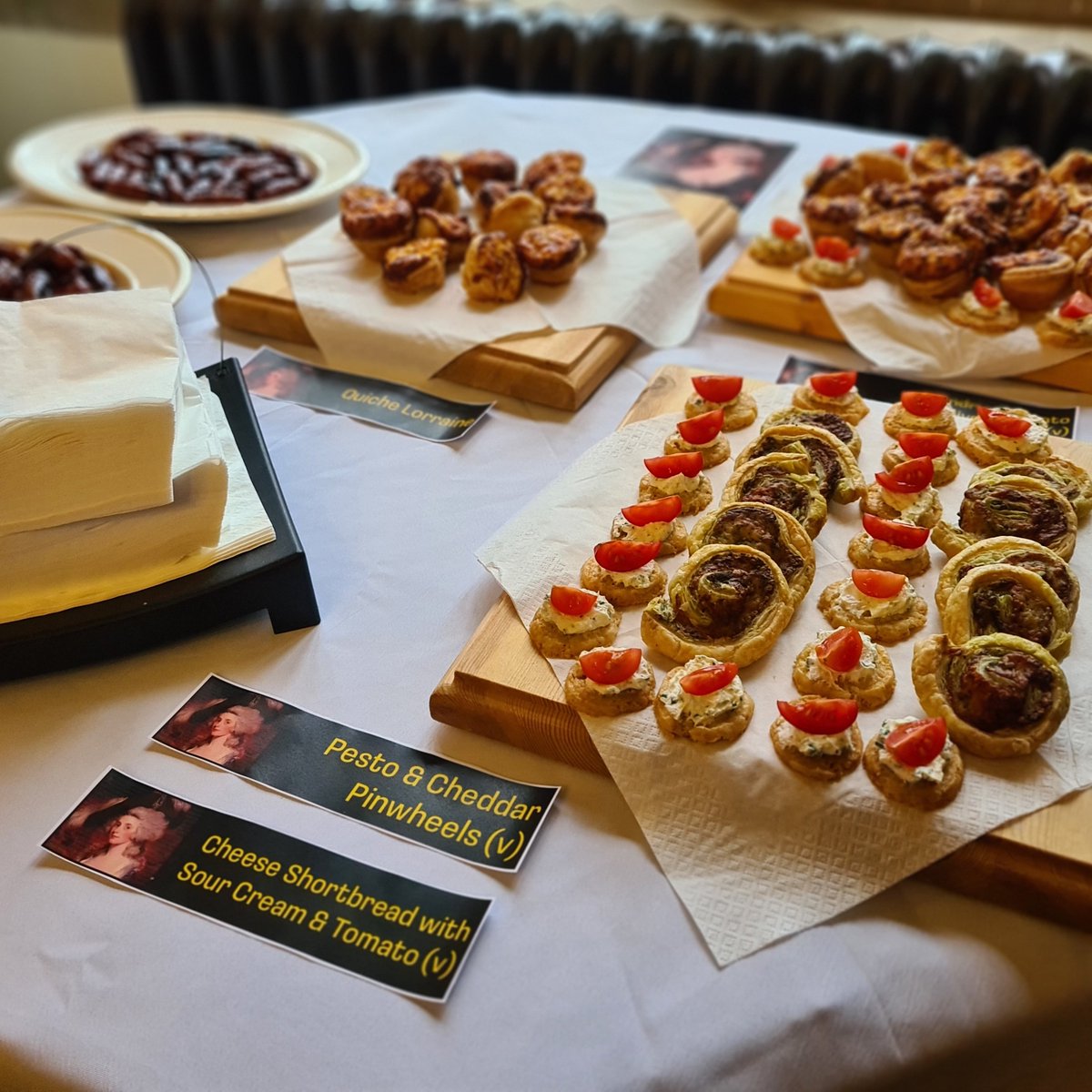
We celebrated the opening of Mary Robinson: Actress, Mistress, Writer, Radical last night with a launch event - lovely company, fine food, specially-created merchandise, and the main attraction: Mary Robinson in all her guises.
47,297 students took the #History A-Level in England, Wales and Northern Ireland in 2024.
We wish all those now going to study History at university all the best: you're making an excellent choice that brings with it understanding, insight and skills #twitterstorians
.@BBCNews So, so sick of #BBCNews vox popping ppl who claim "we're full", with no factual corrective. We take fewer refugees than comparable countries; there are almost 0 legal routes to asylum. Poor housing & public srvcs are due to 14 yrs of political choice, not "foreigners".
Prof Stephen Reicher, "I would appeal to you to not call these people protestors. They're not protestors"
"To call them protestors is profoundly misleading. It is to discredit a long tradition of perfectly legitimate and peaceful and important protest that has made our society better in many ways"
"What's going on is specific to these crowds.. Crowd psychology is there when people are cleaning up the streets as well as attacking the streets.. The difference is one group has an ideology of hate and violence, another has a vision of community and solidarity"
"Most people are pro immigration.. The irony is that over recent years attitudes towards immigration has become more positive.. People see immigrants as a boom rather than as a menace to the country.. Britain is one of the more liberal countries"
"If we didn't have migrants then our care service would fall apart, our NHS would fall apart.. It's important not to highlight the negative exceptions, but to show that most people are pro migrants"
Outside a hotel in Redcliffe, Bristol - the hotel is being protected by hundreds of Bristolians shouting ‘We are many, you are few. We are Bristol, who are you?’ to a group of around 100 protesters who had marched on the hotel
Fantastic to see 2 @HistoryAtSoton alumni Luke and Alfred make History Extra’s ‘30 under 30’ list. We knew they would be stars 🌟 https://t.co/0pw9htWac6