Science outreach specialist in the Lowe Lab at Stanford! Communicating science in a way that is engaging, accessible and inclusive! Scientific Illustrator 🧬🎨
I am so excited to announce my new position in the @lab_lowe at Stanford! I will be an outreach specialist in the lab and act as a “translator” between researchers and the public. Ready to make science more accessible! #evodevo#stanford#hopkinsmarinestation
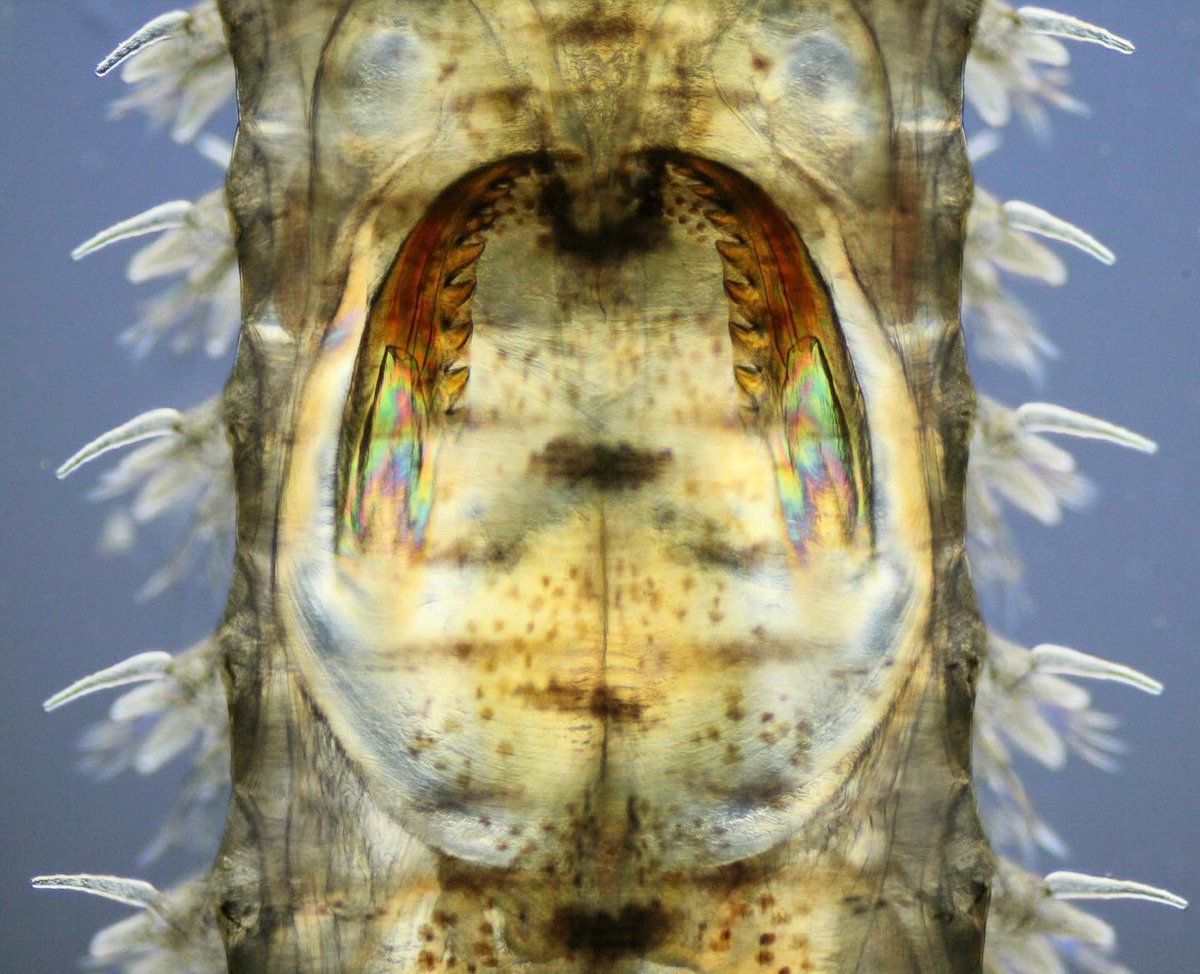
The @lunduniversity press office made a great video about our recent paper on the amazing eyes of alciopid polychaetes!
https://t.co/mYxYeiCrK4
@Biology_LU @LundVision
🚨Stop Scrolling!
Let's pause & reflect a minute about what this shocking picture of @GretaThunberg 's arrest tells us about the current state of #climate politics.
A short 🧵on some key lessons we can take from this image
I got the chance to work with this amazing Deaf STEM organization and wrote the script for this video :) go watch and enjoy some accessible science!! 💘⭐️ THANK YOU @atomichands
universe: hey can you guys just lay eggs in a normal, featureless blob like everyone else
marine gastropods: absolutely not
@SchmidtOcean#SEPacificSeamounts
Wanted to share this cool video of my ✨pet snail✨ eating! The mouthpart you see coming out of the mouth and spinning is called a radula. The radula has sharp teeth and is used to scrape or tear up food and bring it into the mouth! #mollusks#radula
One of my favourite species seen in Greece in the summer was these trapdoor spiders - a relative of tarantulas. If lifted, the spiders assume you’re a predator so come rushing out, grab the door and yank it back down - they then hold it in place so it’s impossible to lift again!
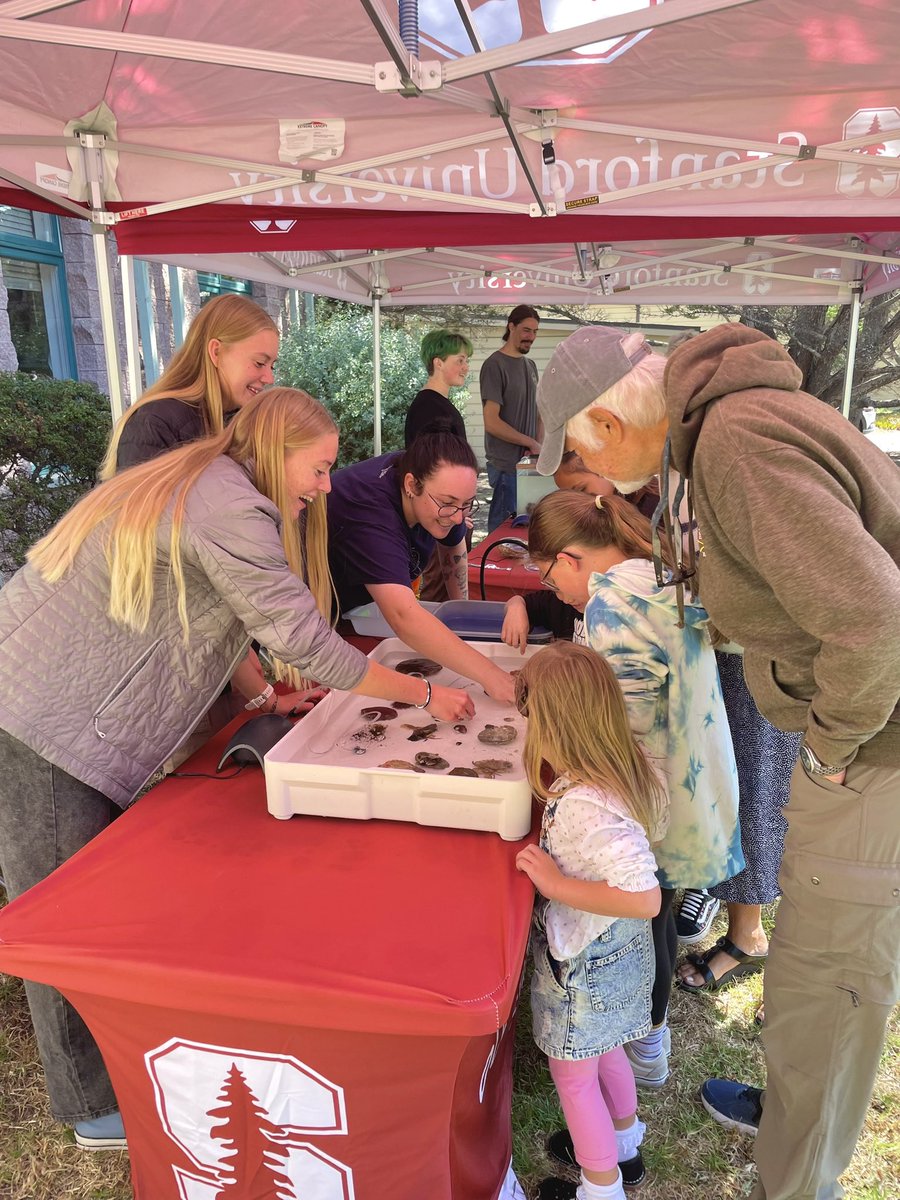
I have created the first public outreach post at Hopkins Marine Station, called The Ocean Education Station. I have 5 MSci & Bio interns from CSUMB helping me educate the public on the biological research done here at HMS! Please come visit!!! #scicomm
Painted with the galaxy! 🌌🎨
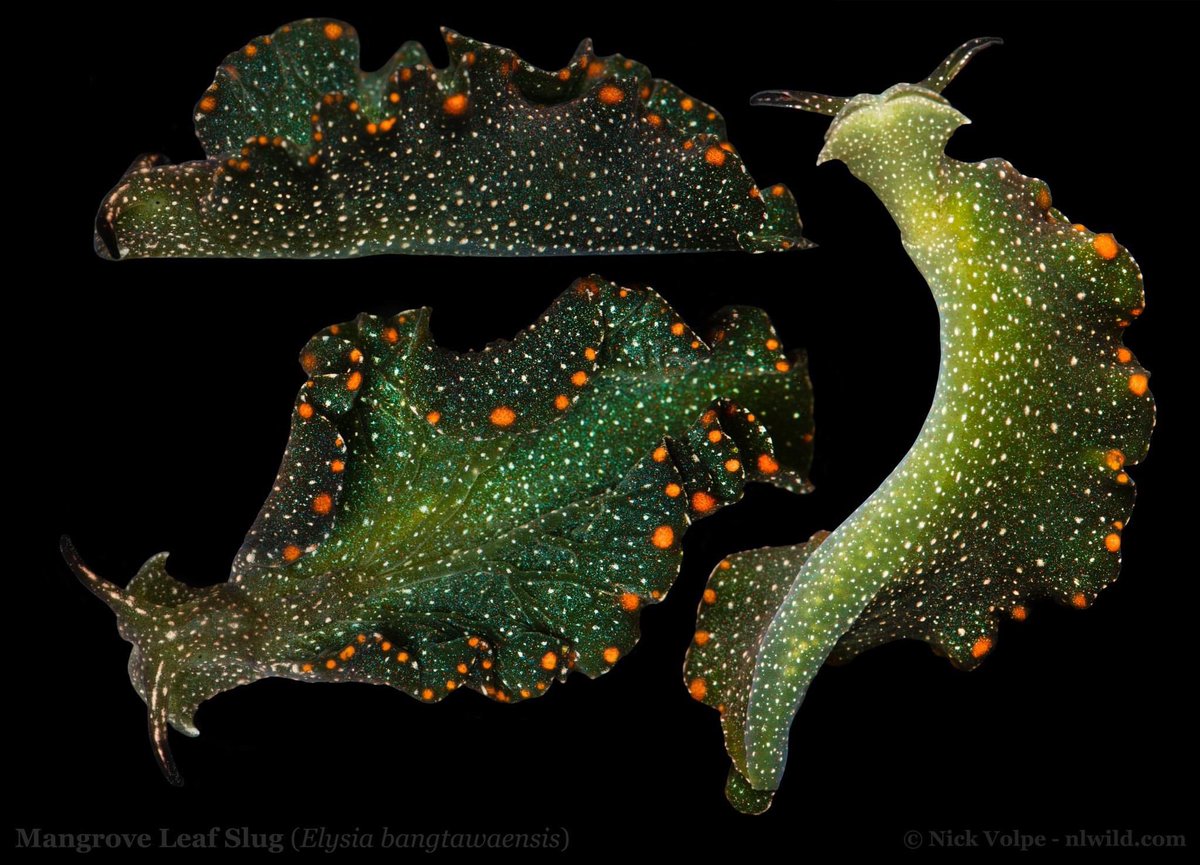
PLEASE meet one of the most INTERESTING animals in the entire world - it can even photosynthesize! 🌎⬇️
The Mangrove Sea Slug is a beautiful and bizarre mollusc that lives in the mangroves of south-east Asia and Australia. It is extremely ephemeral and will pop up in a mangrove swamp in their hundreds for a short time, then none will be seen again for decades! 🤯
If that wasn't already strange enough, they feed on algae and are able to retain the chloroplasts and derive energy from them via photosynthesis!!!! 🌱☀️
Last of all, they look exactly like fallen mangrove leaves, so when they are together in their hundreds they essentially can go unnoticed!
We had this phenomenon one night when we went to a spot we had been to dozens of times before in Darwin and it was covered with these amazing slugs?
Confused, we emailed mollusc expert Dr. Richard Willan and he said they had only been discovered in Darwin in 2016, even though they had been surveying mangroves for decades! 🌳
Nature is INCREDIBLE!!!!! 🤯
In your wildest dreams would you ever imagine an animal like this? When discovered in the plankton in the 19thC it was thought to be an adult animal and called Actinotrocha. Later, it was realised to be a horseshoe worm larva and is now also called a phoronid larva. @zeiss_micro
It's that time of year!!
Time to help @SkypeScientist by telling every teacher, librarian, troop leader, etc you know...
Skype a Scientist's Fall 2023 enrollment is OPEN!
Sign up here https://t.co/u2u4ws7syB
We rely on word of mouth to grow, so this action is critical for us!
Súper fun day with Hazel Levine and her Childrens School of Science kids @MBLScience. Many thanks to the summer REU and @UChicago Metcalf students @Chern0612 (seaweed+coral) Ivy (coral+snails) and Zeran (seaweed)! Here Caleb talks about co-cultivation of seaweed and coral. 🤩