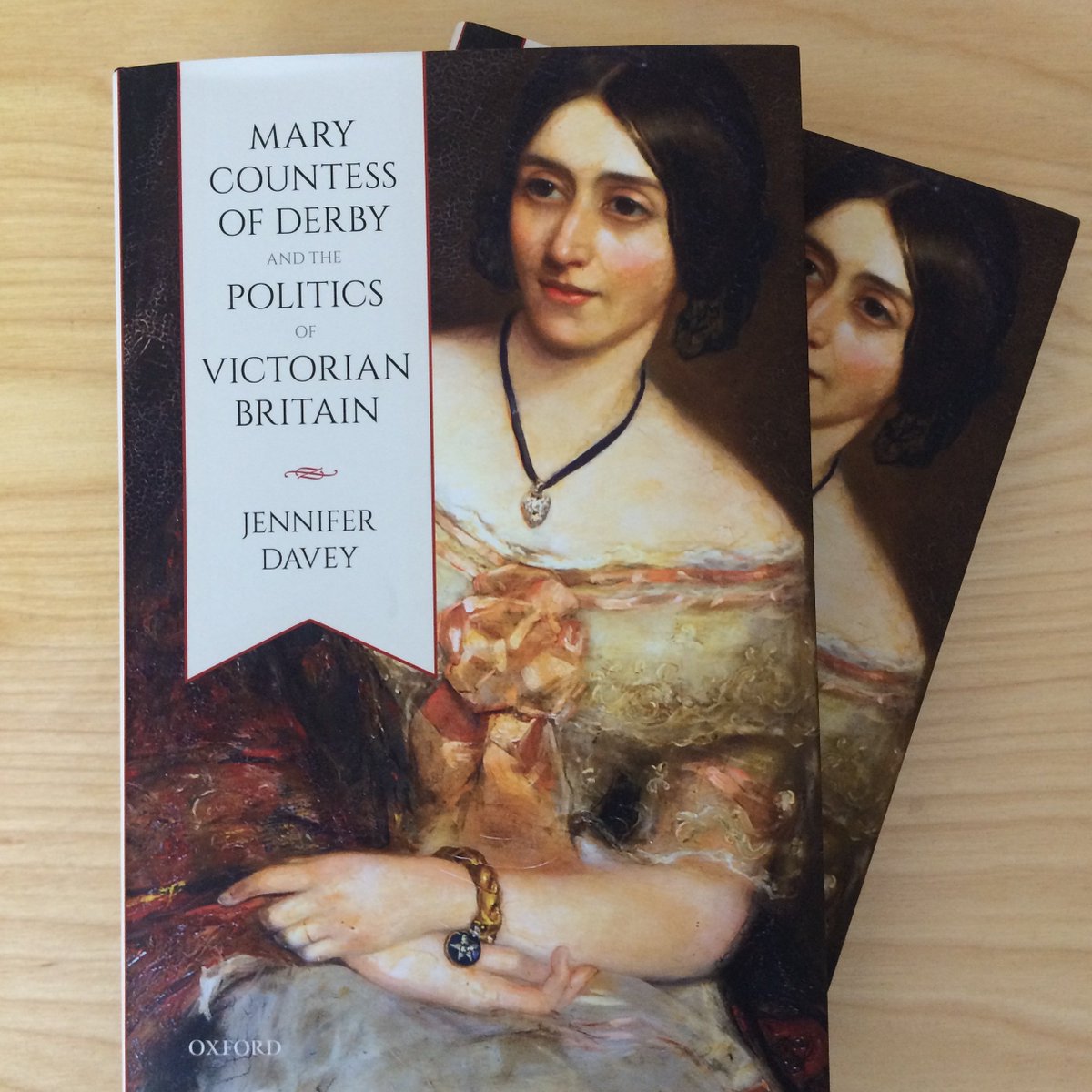
I first came across Mary, Countess of Derby, in a footnote when I was an undergraduate student. It has taken a while to piece together her life, but today the postman delivered this:
@greateranglia I was due to get the 22:00 Liv St-Colchester last night but stayed over due to the disruption on the advice of one your staff - can I use that ticket to get home today?
I'm terrified & excited that our #oralhistory podcast, Tales From the Green Benches, is out Monday. Hosted by me & the wonderful @bl_magnacarta, written with the amazing @priscilamp, with archive highlights and lots of wittering! Get it wherever you get your podcasts, etc, etc...
We're so excited to announce #HistParl's new podcast, Tales from the Green Benches: an Oral History of Parliament!
Episodes drop every Monday, starting next week- you can listen to the trailer and subscribe early here or where ever you get your podcasts!
https://t.co/c97leE2qOW
Our new blog from @KathrynRix looks at John Kearsley, a well-known Commons character during his time as MP for Wigan. What do the speeches of the man nicknamed 'the Walking Beer Barrel' tell us about parliamentary life in the 1830s? Find out more here: https://t.co/1bOi94dY5A
In the latest #HistParl blog, Dr Simon Payling explores how a disputed election in Shropshire in 1485, just two months after Henry VII's accession to the English throne, revealed important local divisions in early Tudor England. 👇 https://t.co/hcmLQ2vjFG
There will be celebrations in the @TheVictCommons to mark this great achievement from our senior research fellow Dr Martin Spychal! For a taster of his work, see https://t.co/PlNbYaRHi5
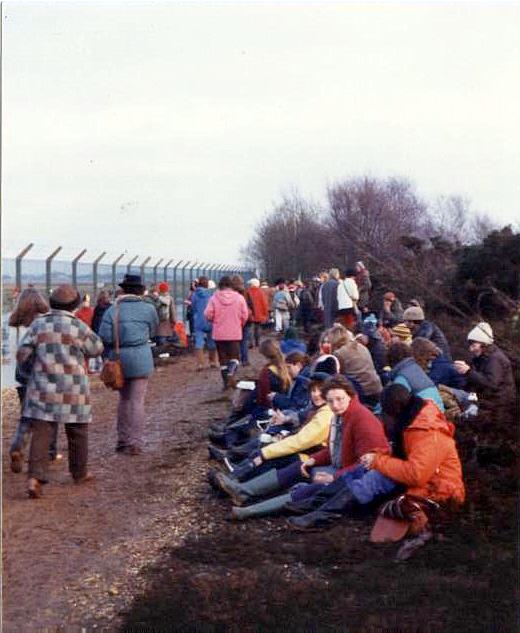
#OTD 1981 the first women arrived at Greenham Common to protest against nuclear missiles being stored at a nearby RAF base. The protest developed into a women-only Peace Camp, that would protest outside the military base for another 19 years.🧵 (1/8)
Today MPs will elect the Speaker of the House of Commons for the new parliament.
To mark this Westminster tradition, here are a few blogs from our #HistParl archive on notable Speakers of the House and the process of electing them 👇 🧵
When the new Parliament assembles tomorrow, more than half of MPs will not have sat in the Commons before. This exceeds the 38% of MPs who were new to parliamentary life in 1832. In this blog we looked at the impact of the 1832 Reform Act on the Commons: https://t.co/0mOoZxQ3lR
While the Commons Library sets to work on our detailed results and analysis of the 2024 general election, you can get up to speed with what happened on polling day with our brand-new overview of successful candidates: https://t.co/qYvoVTIDCX
After a long #GeneralElection2024 result night, some former MPs will wake up this morning knowing they won’t be returning to Westminster.
@EmmaPeplow has delved into our #oralhistory project archive with former MPs to find out what it feels like to lose your seat - a 🧵
(1/7)
What #voting rights did Britons have in the century before 1918?
🔓 @KathrynRix’s article from 2018 is free to read for the next 7 days
https://t.co/iNAQvRxtq0
There were 57 ‘Moderate Whigs’ or ‘Moderate Reformers’ and 141 ‘Conservatives’, many of whom were more willing than Radicals & Reformers to vote for Whig policy. There were also at least 36 Irish ‘Repealers’ and 33 MPs who chose no party label at all at the 1832 election.
This is based on work in progress from our research fellow Dr Martin Spychal, using Dod's Parliamentary Companion and press reports. In the immediate aftermath of the 1832 election, the 'Whig majority' was actually a tacit coalition of 32 Radicals, 123 Reformers and 236 Whigs.
The polls have now closed. One of the past elections highlighted in analysis of possible outcomes is 1832, when the Whig majority was well over 200 seats. However, party affiliations in the early 19thC were complex, so here's a quick thread on the make-up of the 1832 Parliament.
These days it has become a custom for people to share photos of their dogs at polling stations while elections are in progress. In the 18th century animals of all kinds featured at elections in a variety of guises: not all of them very positive...🧵(1/6) #GeorgianElectionsProject
Once polling stations close this evening, prospective MPs will begin the nervous wait for the results of the #GeneralElection24.
But what will be going through their heads?
Dr Emma Peplow looks back at former MPs' memories of the count in our latest blog:
https://t.co/2VBsmig0S2
In 1754, one of the most notorious elections of the 18th c. took place in Oxfordshire. The election became the inspiration for William Hogarth’s satirical The Humours of an Election series, 4 paintings highlighting a corrupt electoral process. 🧵 (1/7) #GeorgianElectionsProject
Since its creation in 1950, the Cities of London and Westminster constituency has always elected a Conservative. But during the 18th c., Westminster was a hotly contested area. Follow this 🧵 to find out more about the borough’s famous elections: (1/10) #GeorgianElectionsProject