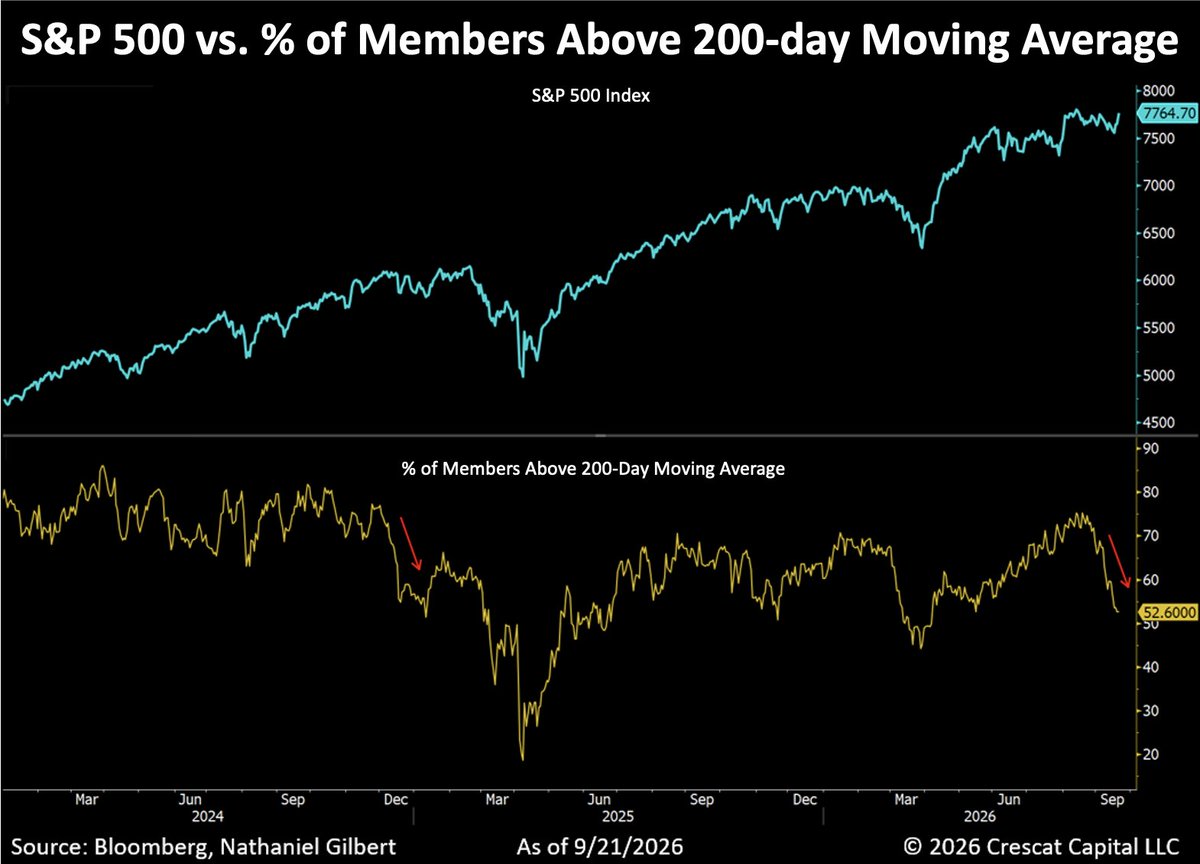
And lastly, the fourth market top indicator I’d like to highlight is the deterioration of S&P 500 members trading above 200-day moving average.
The percent of members in the S&P 500 trading above their 200-day averages has plunged over the past month, as we show in the chart below, even as the index itself has remained relatively flat, near all-time highs. This divergence points towards a breakdown in market breadth despite apparent top-line stability. Again, performance is becoming increasingly concentrated among a small group of megacaps.
As one can see in the chart, a similar setup emerged in the lead-up to Liberation Day (April 2nd, 2025), where technicals began to weaken before the broad market selloff. Selling pressure and risk reduction were already building beneath the surface ahead of the tariff announcement. The tariff announcement was the spark that lit the fire.
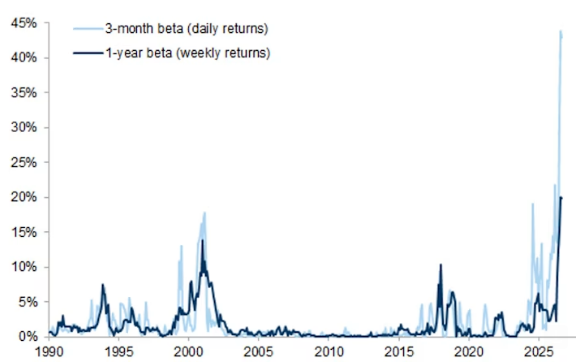
S&P 500 now has the highest number of stocks with a negative beta in history 🚨 This means that individual stocks are doing the opposite of what the index is doing at the highest ever seen 👀
Volvo-Chef Samuelsson fordert mehr Leistung und längere Arbeitszeiten. Europa müsse sich zusammenreißen, sagt der 75-Jährige – sonst drohe der Autobranche ein Schicksal wie einst Detroit. https://t.co/Cyukp4KBN6
Buffett's hit rate: 3-4%. Of 300-400 Berkshire deals, 12 made the whole thing.
Mohnish Pabrai, Founder of Pabrai Funds, explains:
"Most of the acquisitions Warren did did not work well for Berkshire. Let that sink in."
"Warren said 12 ideas over 58 years led to the creation of Berkshire."
"He's made 300 to 400 investments in six decades. It's a 3 or 4% hit rate."
"Go back 90 years in the US market — about 4% of businesses delivered all the returns."
"The other 96% barely matched bonds or inflation."
"What happened in the bigger market and inside Berkshire have been very similar in percentages."
"It's humbling to know that most of the time when we act, the odds are stacked against us."
3/3
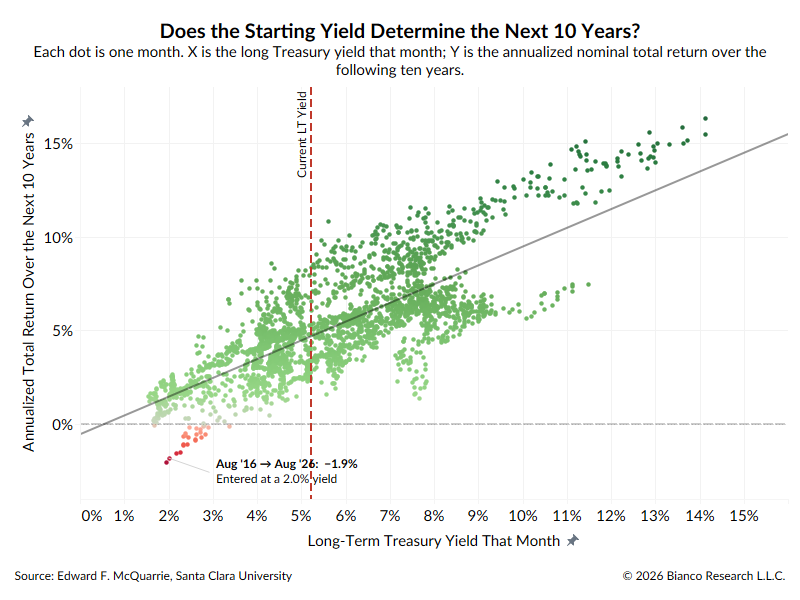
There's a strong relationship between yield and FUTURE returns. The higher the yield, the better the return that follows. R-squared is 0.61 back to 1800 and 0.85 since 1914.
Ten years ago, you were buying a 2% yield. Today it's 5.2%.
History says that's worth roughly 5% a year over the next decade. Not more -2%.
2/3
Why so bad? You buy a bond for its yield. Ten years ago, the long Treasury paid 2%. That was the ceiling, and then rates rose (price losses), taking even that away.
Some perspective: in 223 years, a negative 10-year return has happened in 25 months. 24 of them are right now. The only other was Dec 1959, at -0.08%.
This wasn't a normal bad decade. It was QE and zero rates.
Yields lead returns by almost exactly 10 years, and now "we have a yield to observe again."
h/t @grantspub and @evan_lorenz
1/3
Here's the chart back to 1793, courtesy of Ed McQuarrie at Santa Clara. (BofA's starts in 1936.)
The past 10 years through this summer have been the worst since 1803.
Read that carefully.
Bonds WERE the worst investment in American history. It says nothing about what they do next.
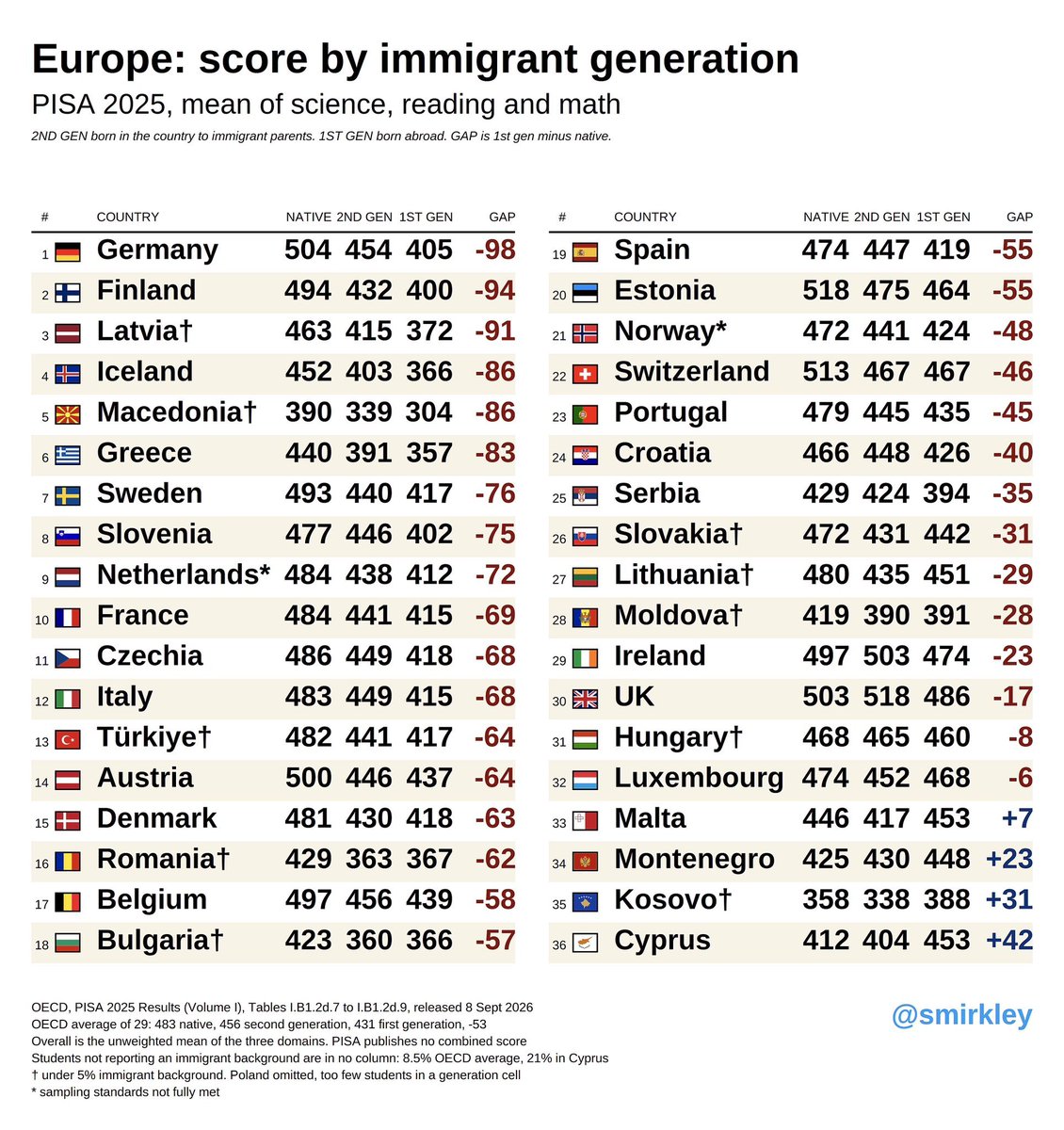
Immigrant students score below natives in 37 of 52 countries.
Finland has a gap of -79 points, Germany -74.
The Gulf: UAE +87, Qatar +77.
US is absent as PISA recorded immigrant status for only 55% of students.
Deutsche ohne Migra - Hintergrund absolute Top -Scorer im Pisa - Europavergleich.
Auch deutlich besser als die egaltären nordischen Ländern.
Das frühe aussortieren ist brutal, hat aber Vorteile.
Global bond markets are on fire. Every day yields rise in one place or another. Biggest mover today is Japan, where 10y10y forward (red) is up 10 bps. That spills over to everywhere else and pushes yields up globally. We're witnessing a global sell-off...
https://t.co/GRXneqxjUD
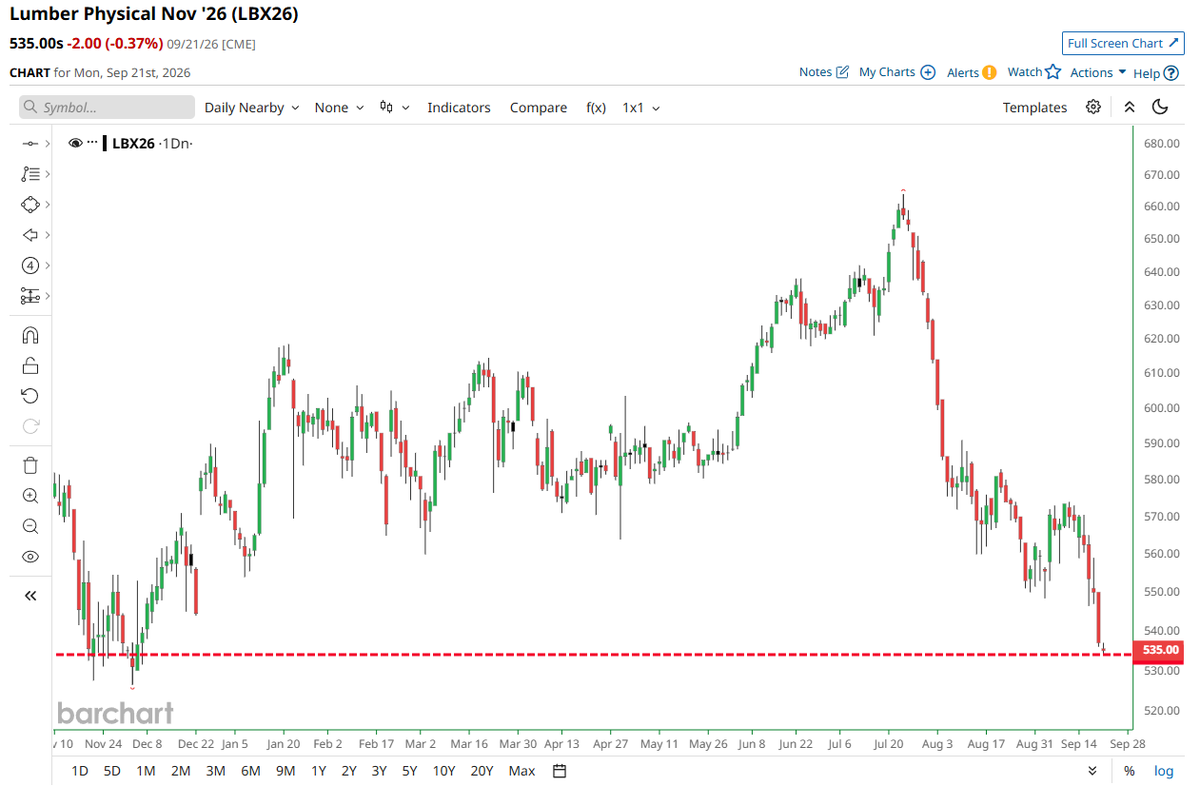
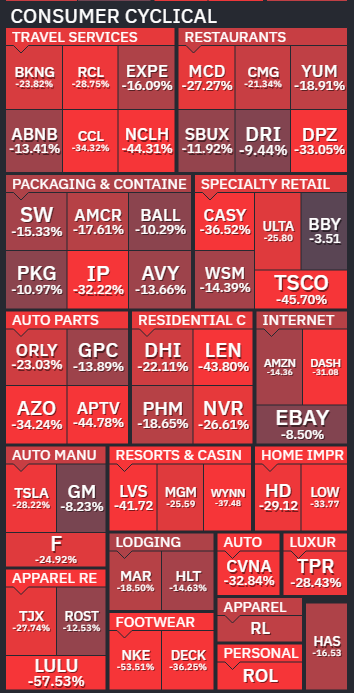
This $WY looks like another dirt cheap timber REIT. Been doing a deep dive on the entire sector. Getting slammed from higher yields and home building slowing down. But these are incredible inflation assets and irreplaceable. It’s something I would hold as a cash alternative. Because you can’t trust cash at this point in the credit cycle. Own cheap timber.