@AngieMatiz6 Existen herramientas en las cuales más de 80 líneas es smell code (sonar), y no van a salir mil funciones en todo caso vas a crear utilidades o diferentes archivos.
Patrones de Arquitectura que debes conocer ↓
1. Arquitectura Orientada a Eventos
Los componentes del sistema se comunican entre sí mediante eventos. Los productores de eventos generan datos y los envían a un intermediario, quien luego los distribuye a los consumidores de eventos interesados.
Ventajas: Escalable y desacoplado
Desventajas: Difícil de depurar y puede haber latencia
Se usa: Para eventos en tiempo real o aplicaciones grandes que deben sincronizarse frecuentemente
2. Arquitectura por Capas
Organiza el sistema en capas jerárquicas, cada una con una responsabilidad específica como presentación, lógica de negocio y acceso a datos.
Ventajas: Fácil de mantener y reutilizar
Desventajas: Puede afectar el rendimiento y ser rígido
Se usa: En aplicaciones empresariales con reglas de negocio complejas
3. Monolito
Todo el sistema está integrado en una sola aplicación grande donde todos los componentes están interconectados.
Ventajas: Fácil de desarrollar inicialmente y buen rendimiento
Desventajas: Difícil de escalar y mantener a largo plazo
Se usa: En aplicaciones más simples que no requieren escalabilidad avanzada
4. Microservicios
El sistema se divide en pequeños servicios independientes que se comunican a través de API.
Ventajas: Altamente escalable y flexible
Desventajas: Más complejo de gestionar y puede aumentar la latencia
Se usa: En aplicaciones grandes y complejas que requieren despliegue independiente
5. MVC (Modelo-Vista-Controlador)
Patrón que divide la aplicación en Modelo (datos y lógica), Vista (interfaz de usuario) y Controlador (manejo de la entrada del usuario).
Ventajas: Facilita la gestión y la reutilización
Desventajas: Añade complejidad y puede generar sobrecarga
Se usa: En frontend (web y móvil) para separar la lógica de negocio de la interfaz de usuario
6. Arquitectura Maestro-Esclavo
Un servidor maestro maneja las operaciones de escritura, mientras que los servidores esclavos manejan las operaciones de lectura.
Ventajas: Mejora el rendimiento y la disponibilidad
Desventajas: Problemas de consistencia y mayor complejidad
Se usa: Para bases de datos a gran escala que requieren balanceo de carga
Hey folks,
For the ones interested in the Node.js codebase mentorship, I've just shared a tiny change you can perform in the Node.js codebase in the Slack channel.
Join us: https://t.co/AnWaB0vNmO (#nodejs-mentoring)
The event loop is core to Node.js performance, but things can go wrong.
In this article, we took a look at the event loop, its importance and utilization, best practices & the math behind synchronous response processing.
https://t.co/KsSorr1125
𝗟𝗲𝗮𝗿𝗻 𝗳𝘂𝗻𝗱𝗮𝗺𝗲𝗻𝘁𝗮𝗹𝘀 𝗻𝗼𝘁 𝗳𝗿𝗮𝗺𝗲𝘄𝗼𝗿𝗸𝘀
We, as developers, like to learn new stuff and try it ASAP. That stuff is mostly some new frameworks and tools (such as React, Angular, Spring, Web Forms, ...). Yet, those frameworks usually have 𝗮 𝘀𝗵𝗼𝗿𝘁 𝗹𝗶𝗳𝗲, 𝟮 𝘁𝗼 𝟱 𝘆𝗲𝗮𝗿𝘀 𝗮𝘁 𝘁𝗵𝗲𝗶𝗿 𝗯𝗲𝘀𝘁. Instead of learning frameworks, which are needed to some extent, we should focus more on learning fundamentals.
𝗟𝗲𝗮𝗿𝗻𝗶𝗻𝗴 𝘁𝗵𝗲 𝗳𝘂𝗻𝗱𝗮𝗺𝗲𝗻𝘁𝗮𝗹𝘀 𝗼𝗳 𝘀𝗼𝗳𝘁𝘄𝗮𝗿𝗲 𝗱𝗲𝘃𝗲𝗹𝗼𝗽𝗺𝗲𝗻𝘁 allows a developer to understand the underlying principles and concepts common across different frameworks and programming languages. This understanding allows for more flexibility and adaptability when working with new technologies or when faced with problems that may not be easily solved by a specific framework.
Additionally, a strong understanding of the fundamentals can lead to 𝗺𝗼𝗿𝗲 𝗲𝗳𝗳𝗶𝗰𝗶𝗲𝗻𝘁 𝗮𝗻𝗱 𝗲𝗳𝗳𝗲𝗰𝘁𝗶𝘃𝗲 𝘂𝘀𝗲 𝗼𝗳 𝗳𝗿𝗮𝗺𝗲𝘄𝗼𝗿𝗸𝘀, as the developer can better understand how to customize and extend them to meet specific needs.
Take an example of a web application that allows users to upload and share images, e.g., Ruby on Rails, and its functionalities for image processing. If the number of users increases, we could struggle with performance issues if we know only the framework well. Yet, if we understand the fundamentals of web development, we could try to identify bottlenecks and try different solutions, such as using CDN-s, optimizing image sizes, using different storage solutions, etc.
So, which fundamentals to learn:
🔹 𝗔𝗹𝗴𝗼𝗿𝗶𝘁𝗵𝗺𝘀
🔹 𝗗𝗮𝘁𝗮 𝘀𝗼𝘂𝗿𝗰𝗲𝘀
🔹 𝗖𝗹𝗲𝗮𝗻 𝗰𝗼𝗱𝗲
🔹 𝗗𝗲𝘀𝗶𝗴𝗻 𝗽𝗮𝘁𝘁𝗲𝗿𝗻𝘀
🔹 𝗗𝗶𝘀𝘁𝗿𝗶𝗯𝘂𝘁𝗲𝗱 𝗖𝗼𝗺𝗽𝘂𝘁𝗶𝗻𝗴 𝗣𝗮𝘁𝘁𝗲𝗿𝗻𝘀
🔹 𝗧𝗲𝘀𝘁𝗶𝗻𝗴
🔹 𝗦𝘆𝘀𝘁𝗲𝗺 𝗗𝗲𝘀𝗶𝗴𝗻
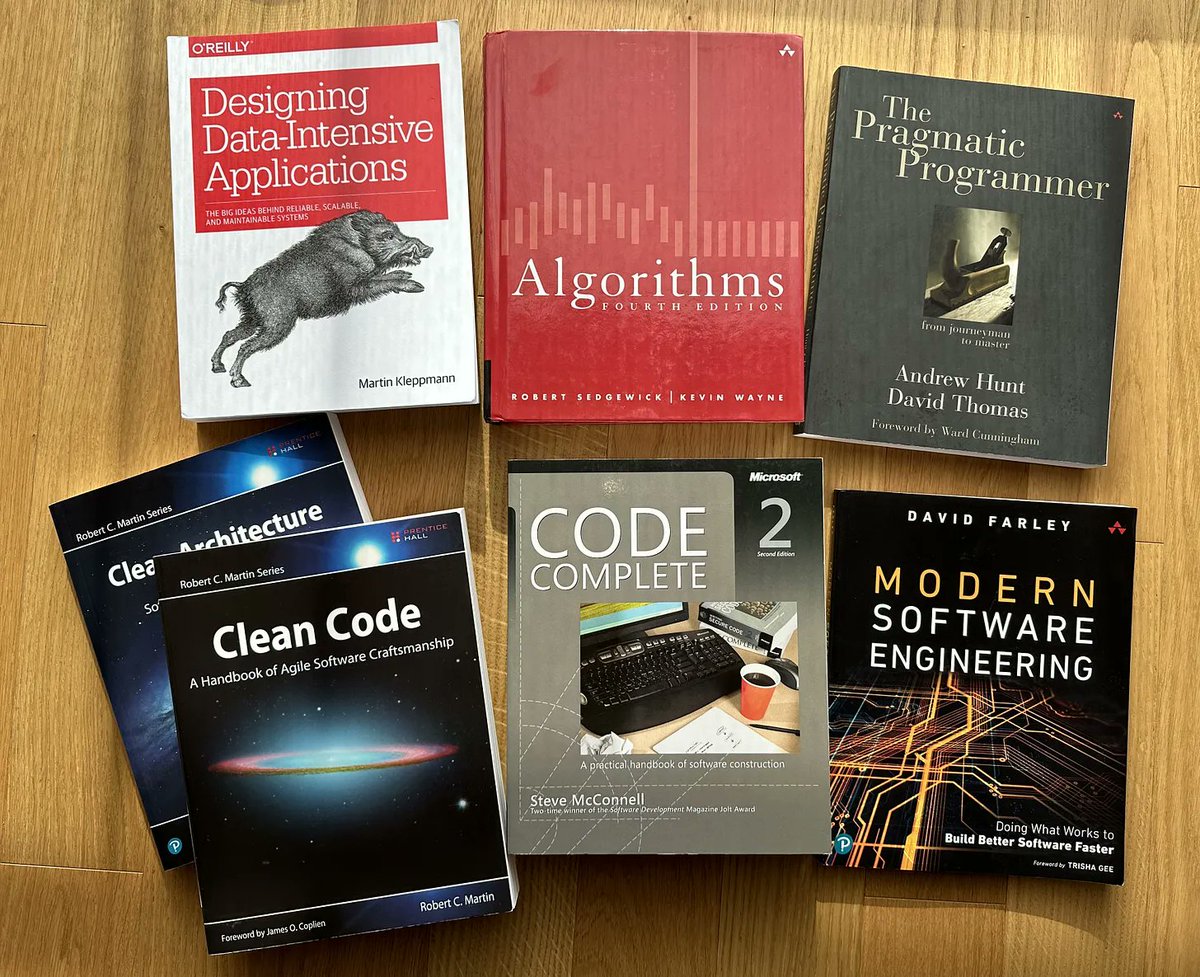
Try to learn those fundamentals, buy and read these books:
🔸 𝗖𝗹𝗲𝗮𝗻 𝗖𝗼𝗱𝗲
🔸 𝗧𝗵𝗲 𝗣𝗿𝗮𝗴𝗺𝗮𝘁𝗶𝗰 𝗣𝗿𝗼𝗴𝗿𝗮𝗺𝗺𝗲𝗿
🔸 𝗖𝗼𝗱𝗲 𝗖𝗼𝗺𝗽𝗹𝗲𝘁𝗲
🔸 𝗗𝗲𝘀𝗶𝗴𝗻 𝗣𝗮𝘁𝘁𝗲𝗿𝗻𝘀: 𝗘𝗹𝗲𝗺𝗲𝗻𝘁𝘀 𝗼𝗳 𝗥𝗲𝘂𝘀𝗮𝗯𝗹𝗲 𝗢𝗯𝗷𝗲𝗰𝘁-𝗢𝗿𝗶𝗲𝗻𝘁𝗲𝗱 𝗦𝗼𝗳𝘁𝘄𝗮𝗿𝗲
🔸 𝗜𝗻𝘁𝗿𝗼𝗱𝘂𝗰𝘁𝗶𝗼𝗻 𝘁𝗼 𝗔𝗹𝗴𝗼𝗿𝗶𝘁𝗵𝗺𝘀
#softwareengineering
Grandes empresas lanzaron vacantes para abogados en Colombia con sueldos de $3′000.000 a $5′000.000. Estas son las ofertas y requisitos.
https://t.co/SZRqM60rFx
Google ha publicado 10 cursos de introducción a la Inteligencia Artificial Generativa.
✓ Desde sus fundamentos
✓ Gratis
✓ Con vídeos, documentos y ejercicios
Aquí tienes el listado completo...
¿Quién no quiere utilidades de JavaScript que ocupan una sola línea?
En 1LOC tienes hasta 300 códigos que te ayudan en tus desarrollos.
🔗 https://t.co/xCSewR4H6u
Who needs to skill up on their Node.js security skills?
I have a freebie giveaway for ya 😉🎁
Giving away my book:
"Essential Node.js Security for Express"
1 Follow @liran_tal
2 Retweet, like or comment
3 I'll DM you a free download link for the book