How do corrective taxes work when firms can reformulate products to avoid them?
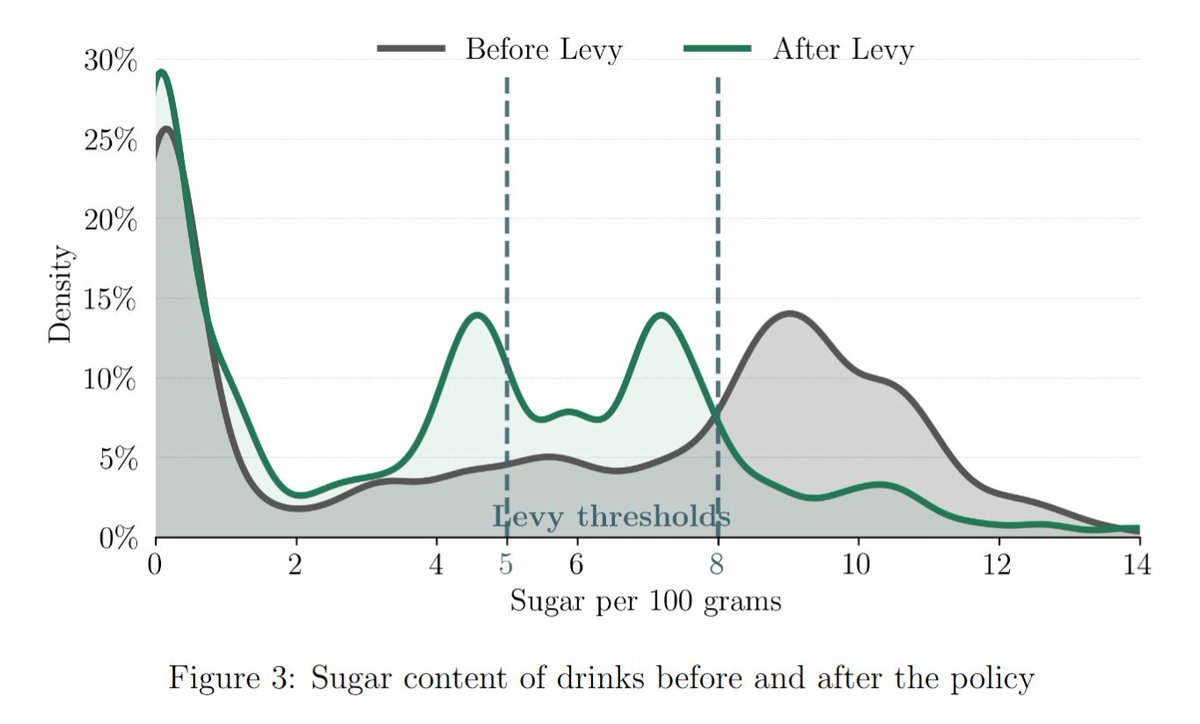
My #JMP studies the UK’s Soft Drinks Industry Levy: a tax with a multi-tier structure in which more sugary products face higher tax rates. #econtwitter
📄 Paper Link: https://t.co/XqXmcxNTAl
A global estimation method learns the parameter-to-moment mapping, and treats prices as parameters and market clearing as moment conditions, reducing run time from days to minutes, from Victor Duarte and @JuliaAFonseca https://t.co/kc5yJ3rETN
Fidelity has announced that it is making the SpaceX IPO available to any customer with a retail brokerage account with $2,000 or more in the account (down from up to $500k before).
"SpaceX has decided to reserve a much higher percentage of the offering (up to 30%), which means there should be more shares available to retail clients, which is why we have decided to reduce IPO eligibility for this offering."
LEGO has just unveiled its largest set to date sitting at a massive 12,060 pieces
The Lego Architecture Sagrada Familia will cost $799/£649.99 and is set to release this November
Más evidencia que la reducción del impuesto corporativo impulsa la inversión y aumenta el empleo.
Lo que no tiene sentido, es la integración tributaria.
Forthcoming in the AER: "Corporate Tax Cuts, Firm Growth, and Workers’ Earnings" by Patrick J. Kennedy, Christine L. Dobridge, Paul Landefeld, and Jacob Mortenson. https://t.co/IQPO8zgNp7
Germany has failed to win a non-permanent seat on the UN Security Council.
Foreign Minister Johann Wadephul (CDU) secured 104 votes in the General Assembly, falling 23 short of the required two-thirds majority. It is the first time Germany has missed out on a rotating seat.
Call for papers: Workshop on Economic Opportunities by Race and Ethnicity @TheIFS
Deadline: July 31st - submissions from ECRs encouraged!
Keynotes: Desmond Ang, Zachary Bleemer.
https://t.co/m54u6NFEQ9
Please RT to help spread the word!
@PlattLucinda
Estoy investigando cómo se forman los docentes de primaria en Argentina y Chile en Historia.
Vengo laburando con una muestra representativa y estoy impresionado con las diferencias. Me podía imaginar algunos contrastes, pero no tantos como las que termine encontrando:
I believe we now have evidence of FIFA's World Cup ticketing shell game: FIFA is colluding with third-party resale platforms for its own supply management.
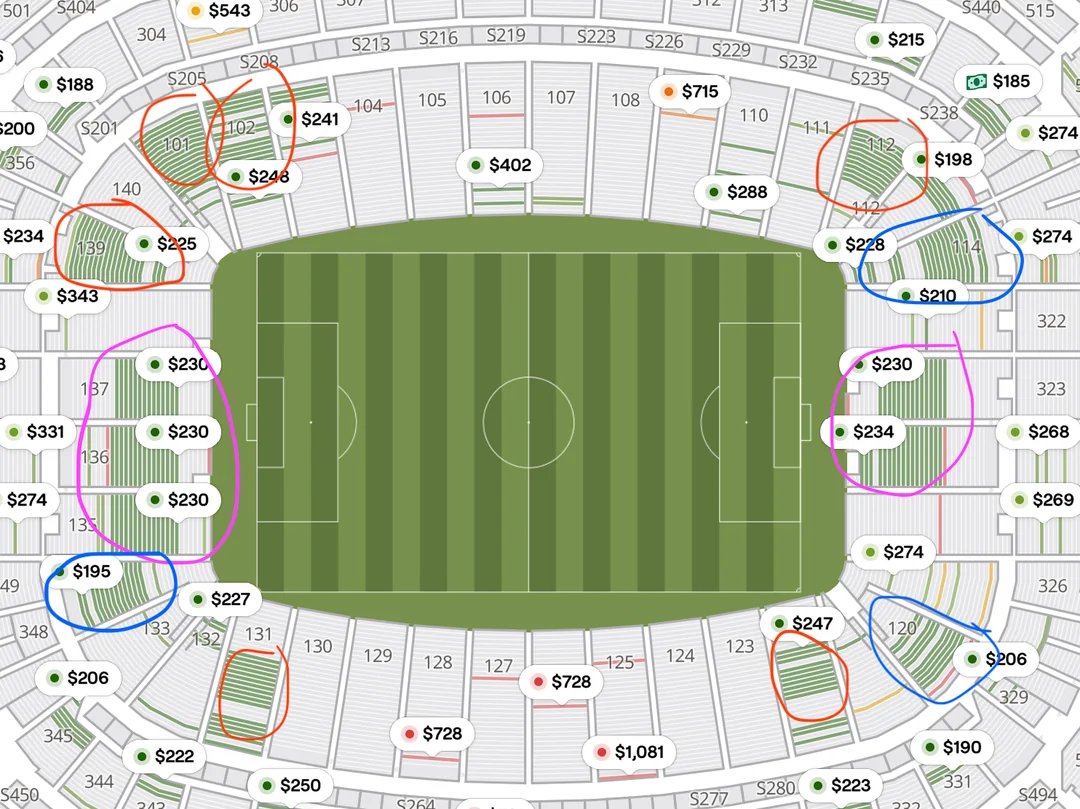
Look at this SeatGeek map (secondary market!) for Saudi Arabia vs Cape Verde. The circled areas are not random single resale tickets, but large, contiguous blocks of seats: entire rows and swaths in sections 101/102, 112/113, 119/120, 134–137, 139, ...
The blue circles appeared weeks ago, then the purple blocks suddenly showed up a day or two ago, and the red blocks seem to have appeared recently too.
That's not what ordinary fan or even commercial scalper resale looks like who resell pairs, fours, and scattered seats. Instead, this looks like inventory being dumped in bulk onto secondary markets, at prices below FIFA's official site.
Why doesn't FIFA just lower prices on its own site Probably because official price cuts could trigger refund demands, chargebacks, or consumer-protection headaches from fans who already bought at much higher prices.
Instead FIFA keeps official prices high, avoids openly admitting the market-clearing price is lower, and moves unsold inventory through third-party resale platforms instead.