First shot of the @cta Holiday Train this year. With the State and Lake station being rebuilt we have a rare clear shot of the Chicago Theatre sign. #chicago
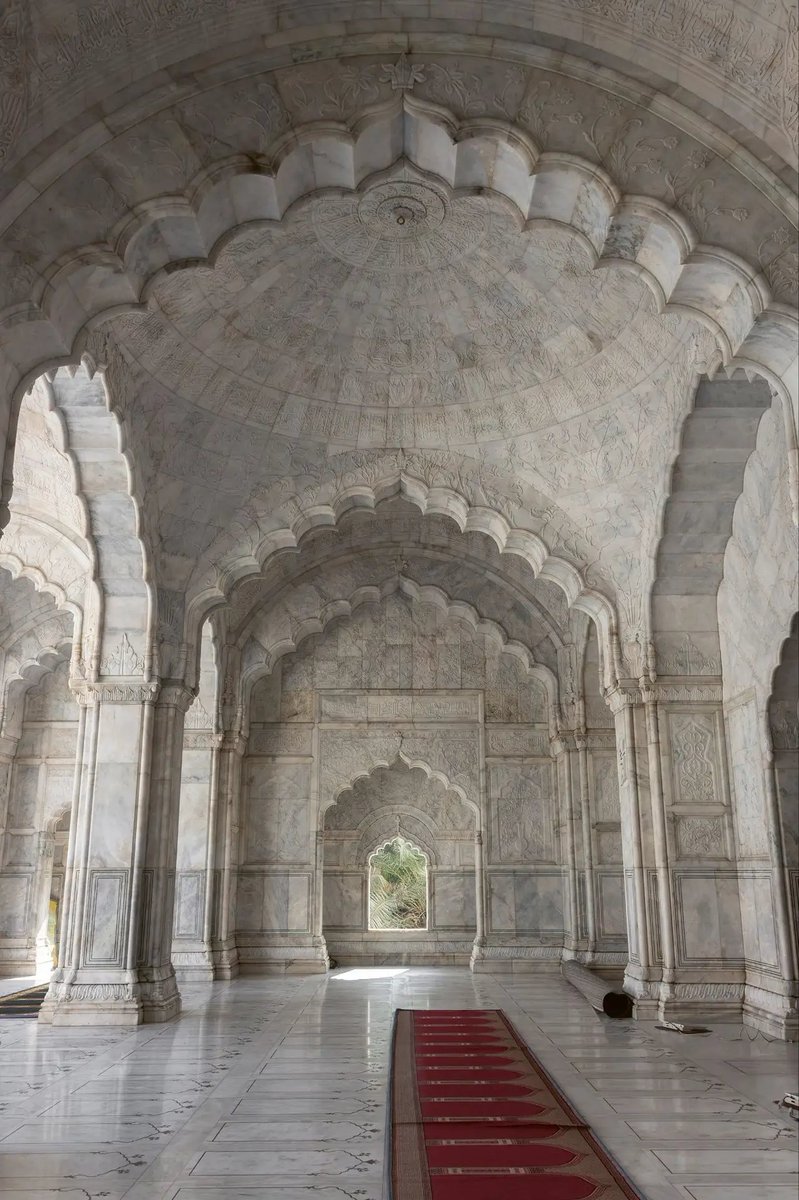
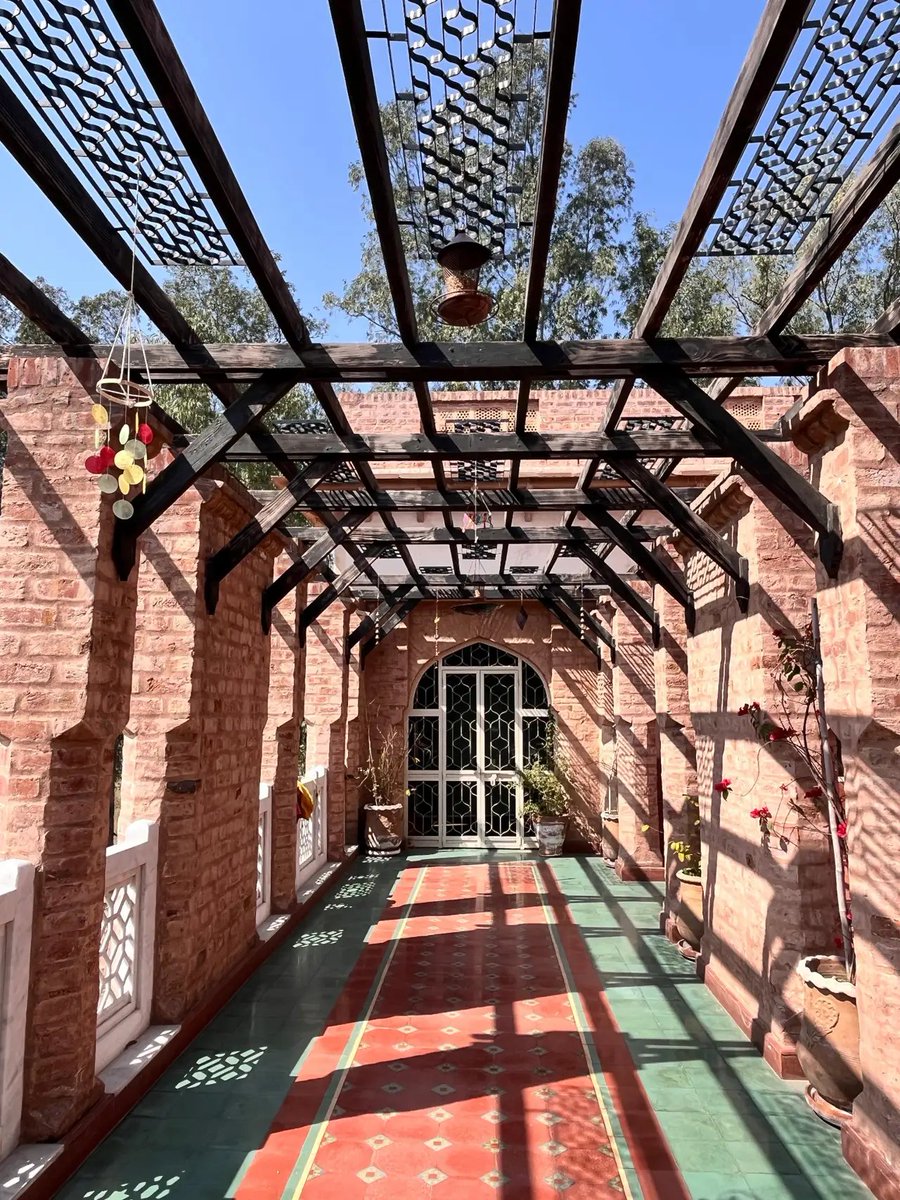
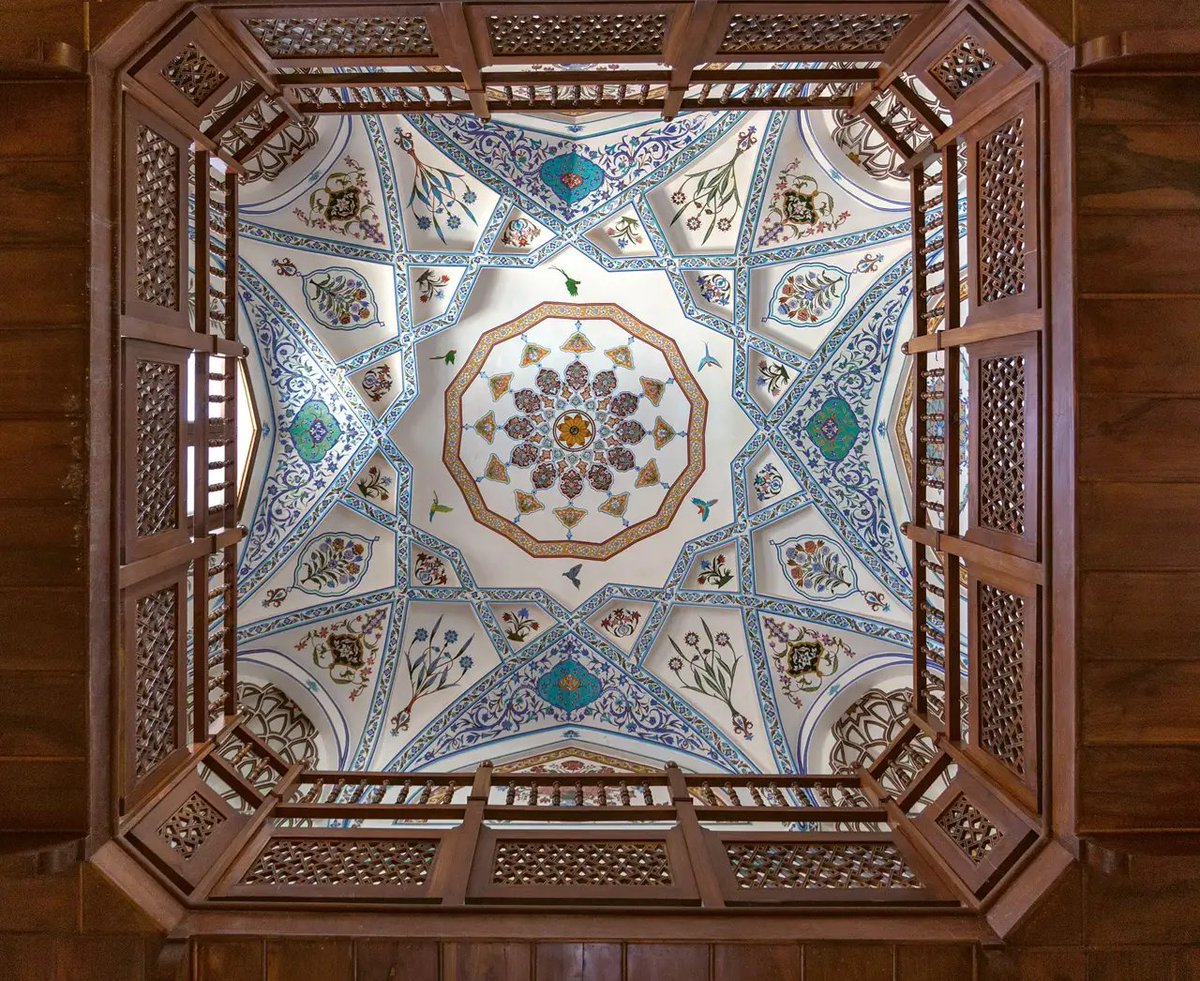
Buildings by the contemporary Pakistani architect Kamil Khan Mumtaz. When my colleague Ben first sent me some grainy pictures of Mumutaz’s work five years ago, I wondered if he might be the best architect in the world. But I couldn’t find any other images of his work.
https://t.co/8RkAdoyDWn
Then last year, I met Mumtaz’s assistant Sohaib Ahmed at a conference. I implored Sohaib to send us more pictures, and with Mutmaz’s support, he prepared a portfolio. Very few of these images have ever been seen before outside Pakistan.
Mumtaz was educated at the Architectural Association in London in the 1960s. After returning to Pakistan, he initially worked as a modernist, though one with a special interest in local context. But he was haunted by a ‘growing, nagging fear that I wasn’t communicating with my audience’. In 1980, he adopted a radically different approach, working to revive Pakistan’s own architectural traditions. He has continued ever since, and in Pakistan his work has been received with warmth and admiration.
Traditional architecture often suffers from shortages of skilled craftspeople. This is also a problem in Pakistan, but less so, because later industrialisation meant that the last premodern traditions were still persisting when Mumtaz started work. ‘Immediately, [I came] into contact with very small remnants of these families, hereditary craftsmen’, Mumtaz remembered in an interview with the historian Chris Moffat.
Mumtaz’s practice has both drawn on these traditions and supported their development, so that it now features a standard of craftsmanship that virtually no Western work today can match.
We are proud that Mumtaz has allowed Works in Progress to showcase his work.
Note how the NYT covers Russia sieging and starving Ukraine vs how the NYT covers the US/Israel sieging and starving Iran: one is a deliberate policy choice by a sinister moral actor designed to solicit outage; the other an abstraction with no author or moral dimension whatsoever
Nearly, 30 years ago, the New York Times published a front page report citing unnamed "engineers" claiming that Libya's water infrastructure was a "conduit" for military activity. There was no evidence cited. After Libya's govt was toppled 14 years later, it turns out the water infrastructure was.... water infrastructure. H/T: @gert_lang_ https://t.co/r5YOL65Ghr
Silenced tricontinental history: Cuba sent 500–750 tank troops to Syria during the October 1973 war. Initially stationed in Damascus, they saw direct combat against Israeli forces in the occupied Golan using Soviet tanks from Nov 1973 until the 31 May '74 disengagement agreement.