Agricultural economist and professor at the University of Saskatchewan. Interested in consumer food decisions, agri-food supply chains and food policy.
They are larger in Canada. Most states in the US have adopted 'Universal License Recognition' (if you have a license in one place then you're automatically good to go). We don't have that here, though ON's 'as of right's exemption (new in 2023) is a baby step in that direction.
And for regs generally, the federal government is far more powerful there and influences rules through their commerce clause in a way Canada does have. So a bit more uniformity in rules.
But not perfect. There are interstate frictions too. They're just bigger in Canada.
🚨Due tomorrow: We invite you to participate in the 2025 #CAES/SCAÉ Annual Meeting at the 59th CEA Annual Meeting in Montreal from May 29th to May 31st, 2025. Abstract deadline: Feb. 14th, 2025.
Please share widely! For detail, see:
https://t.co/Tz2E4vdxqS
Congratulations to Lampros Maros who successfully defended his PhD thesis on January 27, 2025!
“Three Essays on Economics of Canadian Wheat Genetic Improvement”
Supervised by Dr. Richard Gray.
Call for Submissions: We invite you to participate in the 2025 #CAES/SCAÉ Annual Meeting, to be held in conjunction with the 59th CEA Annual Meeting in Montreal from May 29th - May 31st, 2025. Abstract deadline: Feb. 14th, 2025. For detail, see:
https://t.co/c9IjmhZtRz
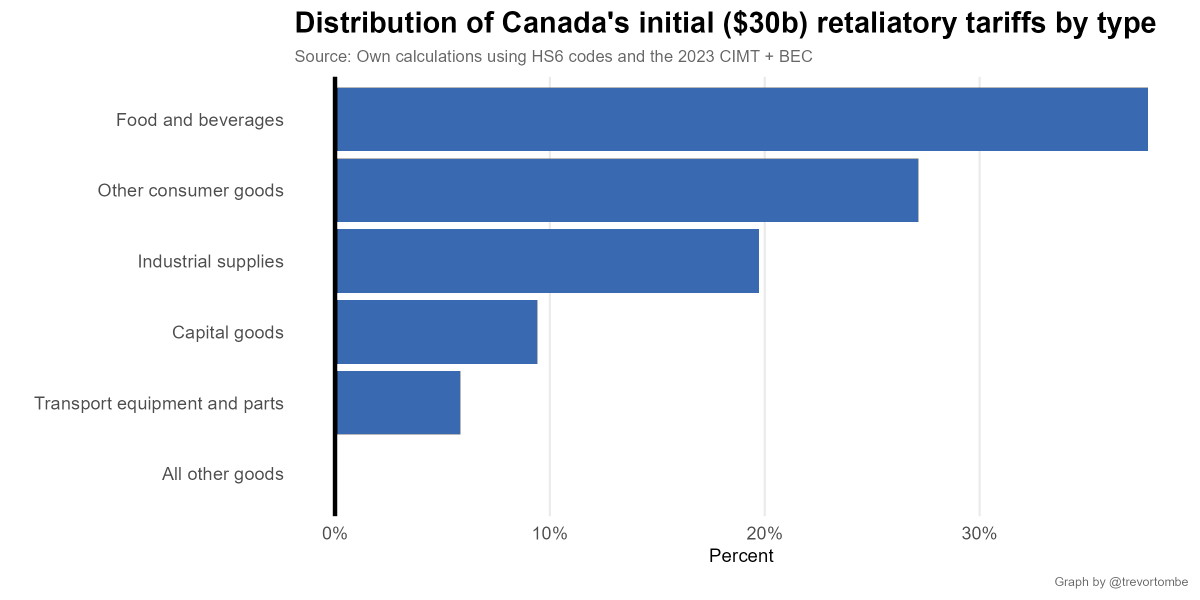
Based on the now-published list of Canada's retaliatory tariffs (https://t.co/1ExQ4arBwP), I estimate that the bulk (~2/3) are on final consumer items. Food and beverages is roughly 1/3 of total. #cdnecon
Which exporting states are most impacted by Canada's initial tariff retaliation of 25% on exports totaling $30 billion? Here is my initial estimate. #cdnecon
Hi Canadian neighbors,🇨🇦
We also have Canadian products here in Nuuk - Greenland.🇬🇱
From today, we will begin to buy some your
products.
#standwithcanada 🇨🇦 stay strong!
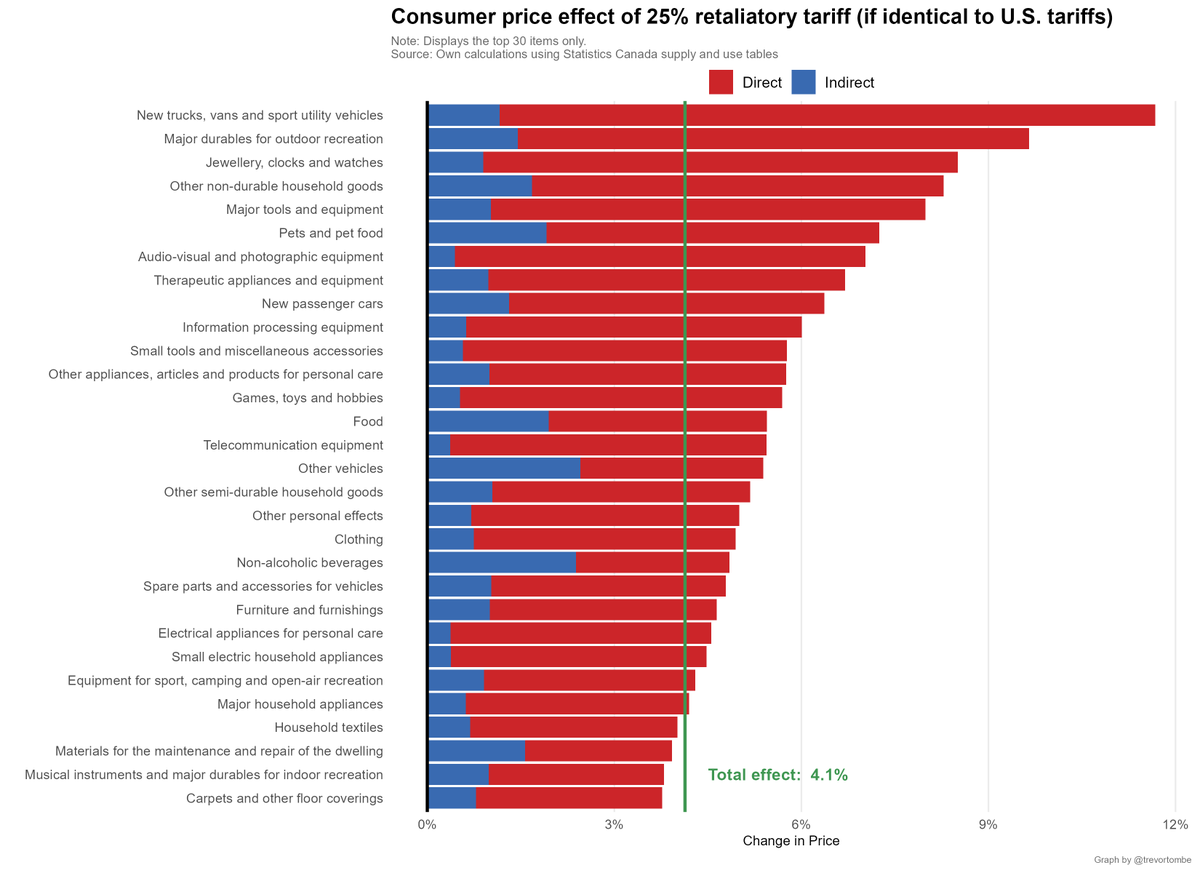
While retaliation is not yet known, if Canada matches the tariffs levied by the U.S. (similar rates and items), then aggregate consumer prices in Canada would rise by roughly 4.1%. Here's what the most affected consumer items would be. Will update when details known. #cdnecon
Quick calcs: U.S. tariff is on 80% of #cdnecon exports (not on services), trade-weighted average rate of 15% (25% goods; 10% energy).
If U.S. demand falls in proportion to the tariff (to illustrate), then that's a $160 billion hit ($100b direct + $60b upstream), ~3% of total.
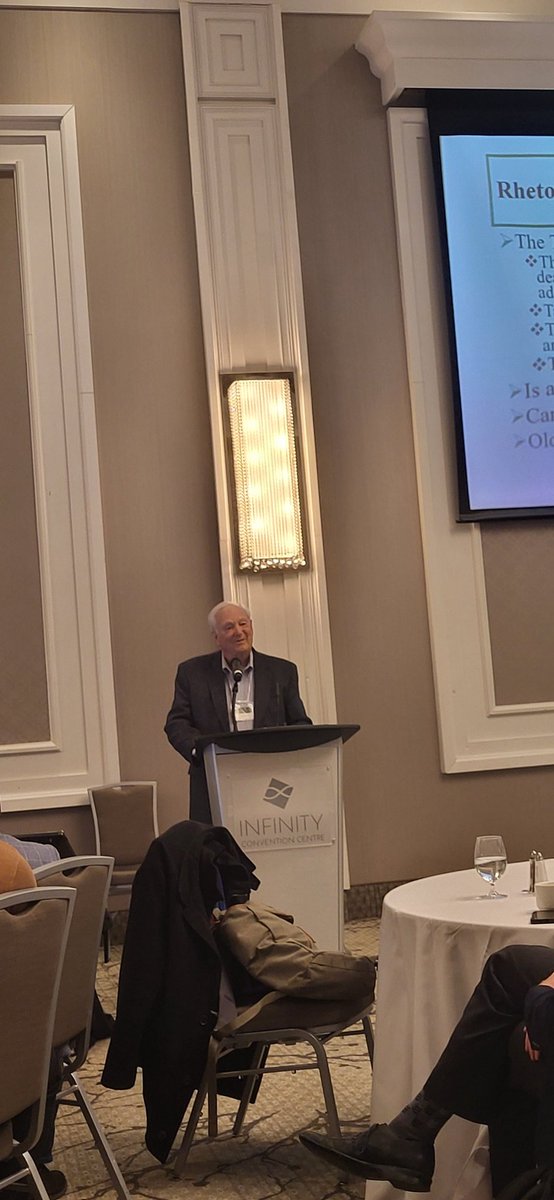
Session on food price inflation and supply chains at the 15th Canadian Agri-food Policy Conference. #2025CAPC#CAES Chair: Steve Duff. Speakers: Jose Nuno-Ledesma, Jill Hobbs, Scott Biden, Mike von Massow
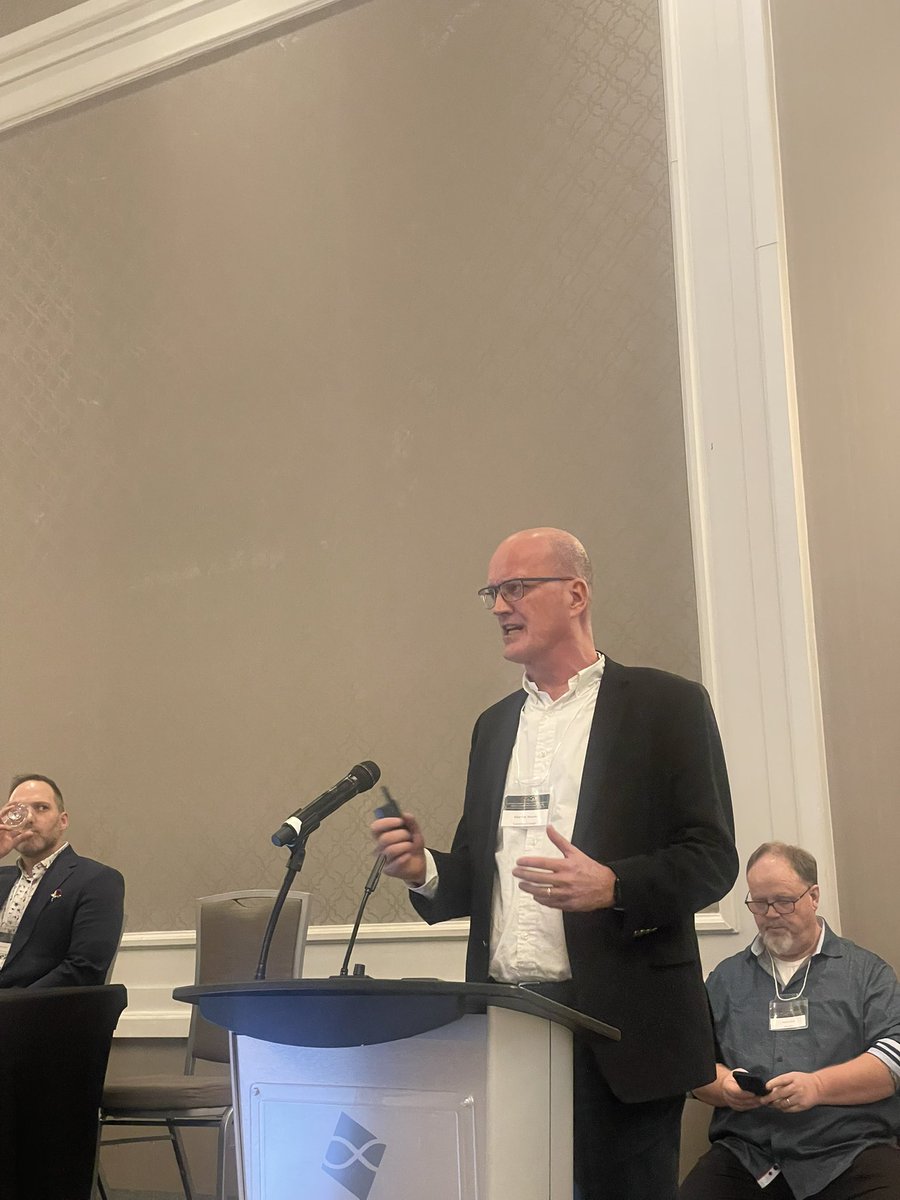
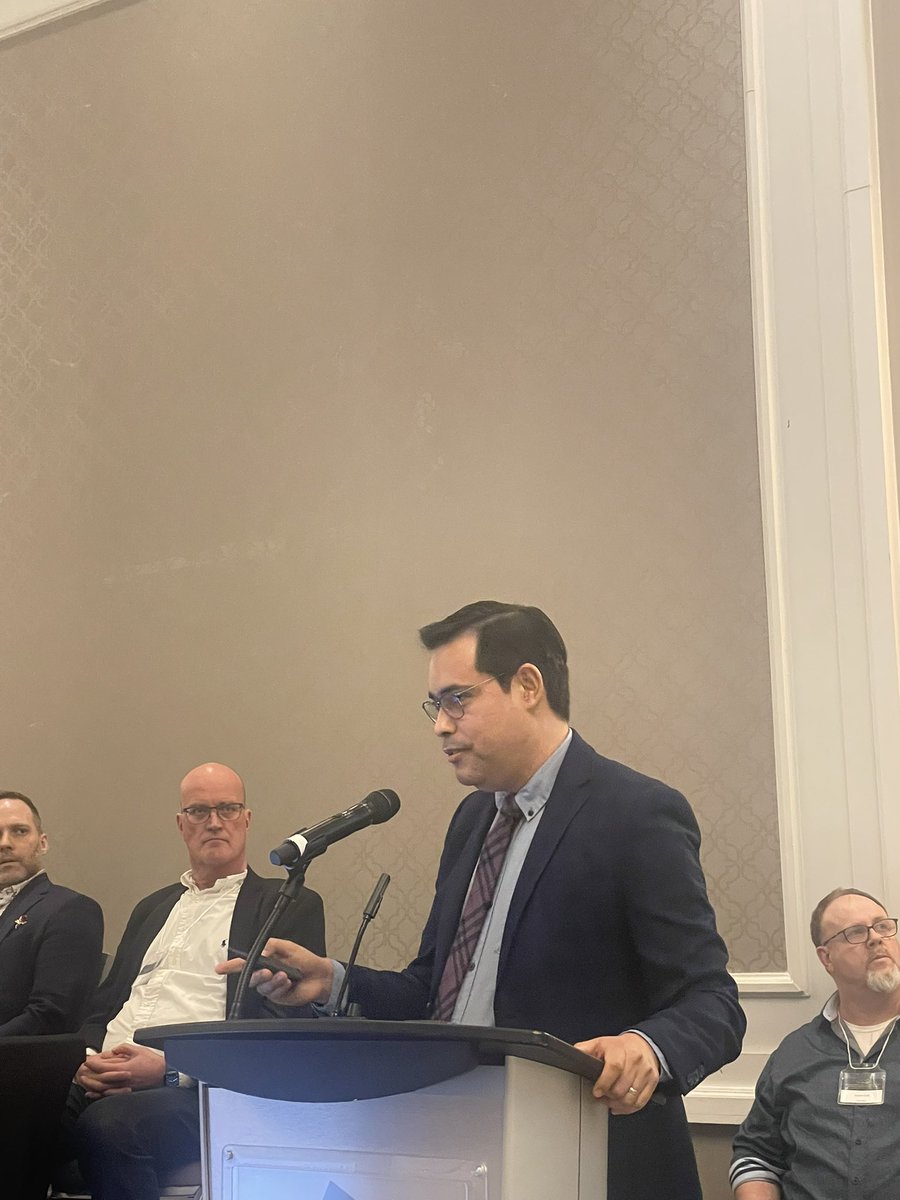
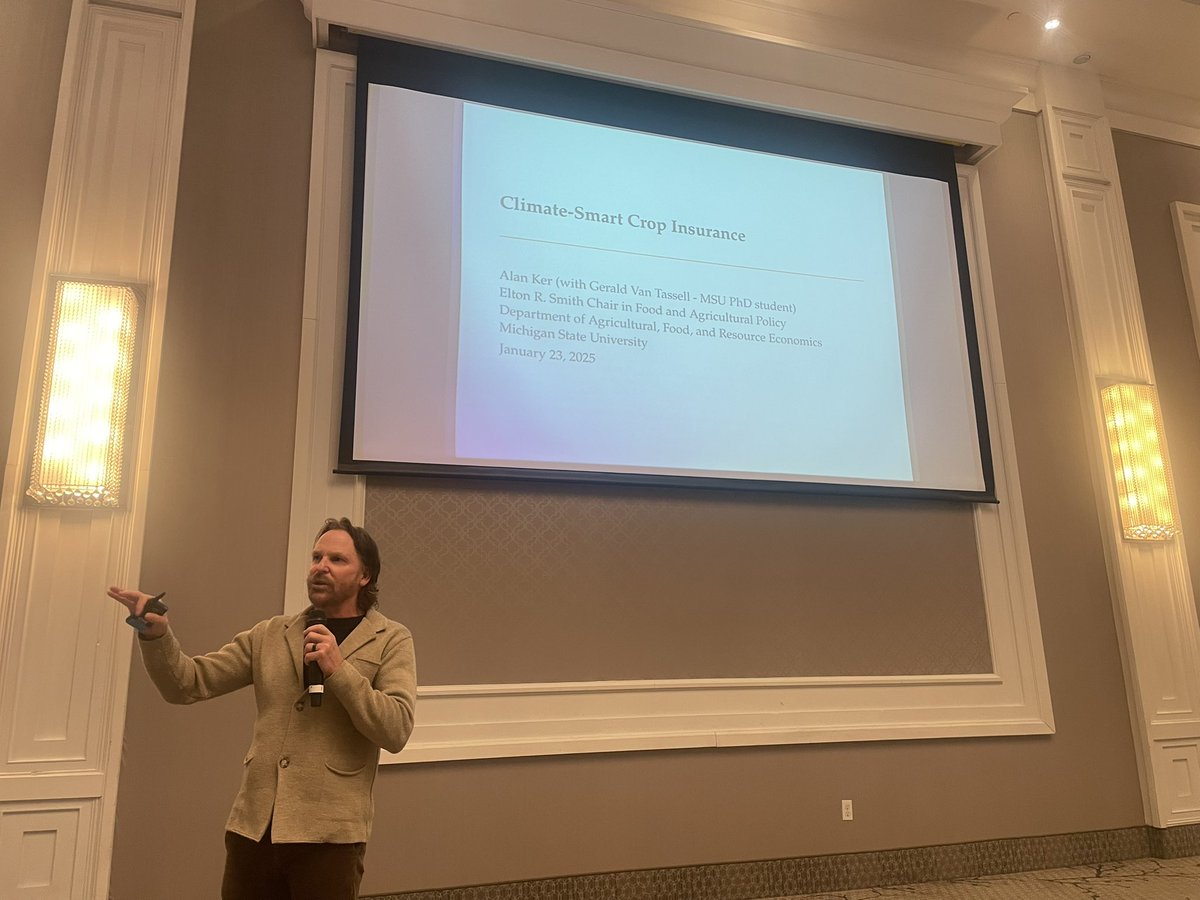
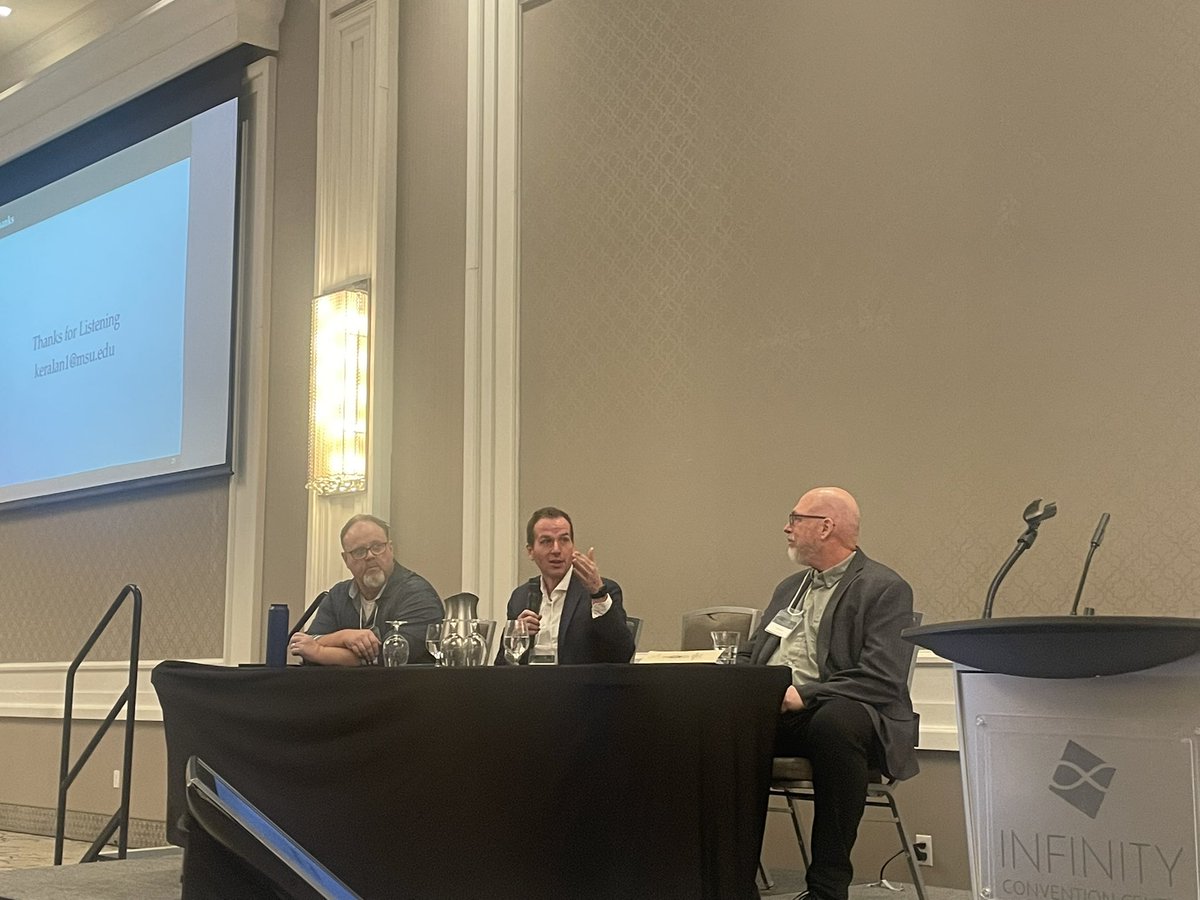
Risk management session at the CAES Agrifood Policy Conference #2025CAPC#CAES. Speakers: Alan Ker, Peter Slade @PeteSlade , Steve Duff. Chair: Derek Brewin @DerekBrewin
Trade session at the 15th Canadian Agrifood Policy Conference #2025CAPC#CAES Speakers: William Kerr, Clark Lundberg, Matt Smith. Chair: Samuel Bonti-Ankomah
Bill Kerr advises what Canada can do in response to Trump's 25% tariffs at @CAES_AgEcon#CAPC2025 policy conference 1 resource well our negotiators 2 build & use political connections 3 Use but consider carefully retaliation and 4 Make sure our BRM programs are fit for purpose
Thrilled this recent paper is conditionally accepted. Always a good email to receive! 😁🤓🎉
If you're interested in CTaxes and food prices, check it out 👇
🌺 Opening tonight! 🌺 Poppy Fields at the @toweroflondon is a sound and light show featuring artwork reflecting on the First World War and Second World War that will transform the architecture of the iconic Tower buildings 🏰
🗓️08-16 November 2024
🎟️ https://t.co/Cl6rjTeYlK
2024 #CJAE Special Issue In Honor of the Late Dr. James Rude: This special issue is dedicated to the memory of Dr. James Rude who passed away in 2022. His impact on research in Canadian agriculture is enduring, and these papers are inspired by his work.
https://t.co/74TdW7KGAc