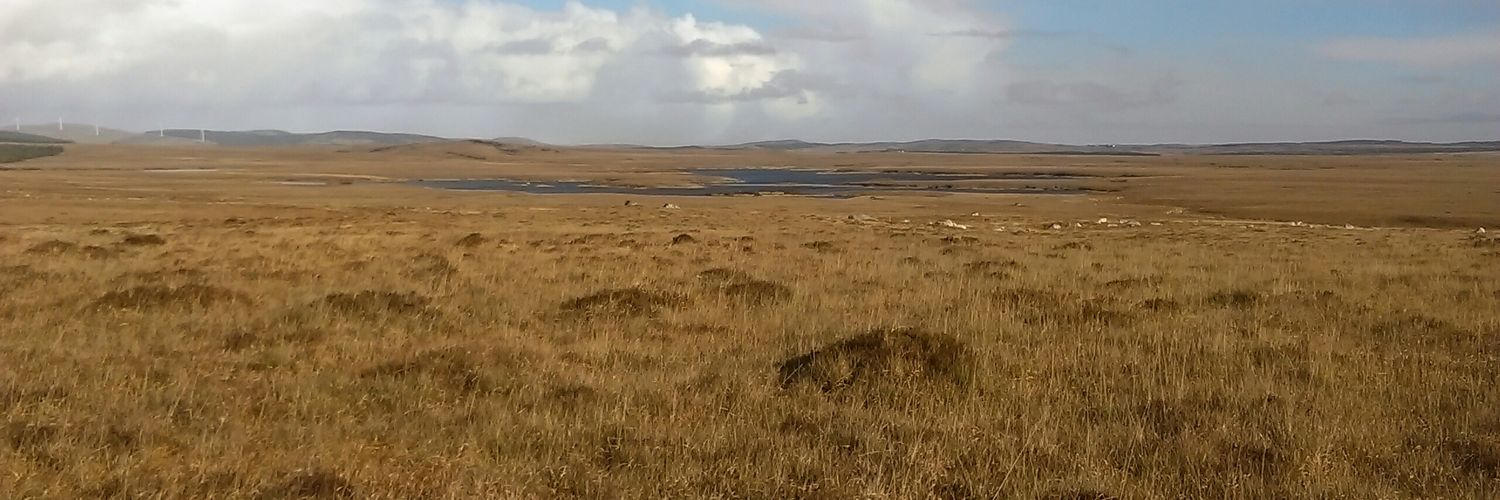
@grainnemhaoil@dan_kraker@DrLimnology@kmarohn@MPRnews 1/6 In the ultra-oligotrophic Connemara lakes blooms of short duration regularly occur during periods of calm weather throughout the year and are independent of light and temperature. Blooms are not caused by polluting watercourses but by calm weather conditions.
@grainnemhaoil@dan_kraker@DrLimnology@kmarohn@MPRnews 1/5 No excessive nutrients = no blooms is not correct. Cyanobacteria are a normal component of the plankton composition of a lake and form blooms only in periods of calm weather
@grainnemhaoil@dan_kraker@DrLimnology@kmarohn@MPRnews 1/3In prolonged periods of calm weather this turbulence no longer exists and the Cyanobacteria float to the surface forming a surface accumulation This is known as a Bloom. Planktonic algae do not have this facility and so cannot form blooms.
@grainnemhaoil@dan_kraker@DrLimnology@kmarohn@MPRnews 1/2Planktonic Cyanobacteria (formerly known as blue-green algae) contain air sacs that help them, along with wind induced turbulence in the surface water layers, to adjust their positions in the water column.
@grainnemhaoil@dan_kraker@DrLimnology@kmarohn@MPRnews 1/1Excessive (above natural levels) of nutrient (N & P) inputs, including that from artificial sources, cause increased algal and Cyanobacterial growth in conditions of increased light and temperature.
@grainnemhaoil
Hi Pirate
Had noted "The Hidden Lakes of Connemara" and was wondering about its content. Would you recommend it for an ageing lakes enthusiast. I still get the flutters anytime I venture west of Oughterard or Spiddal. How are things with you? Best wishes Jim