Wrote a short post about Napa's (the datawarehouse not the wine county) ability to do progressive partitioning at query time.
Check it out: https://t.co/wnFsdM1FMA
Wrote about Pivot Tracing and my thoughts on dynamic instrumentation and the happens-before causal operator for querying traces https://t.co/IpDwjSICMS
Premature reuse and unification of types/entities has to be one of the most common mistakes I've seen in API design over the years. (e.g using a single "User" everywhere that looks like a user: team members, administrators, attendees, etc).
I’ve worked with many people who have great ideas, terribly communicated.
They ask—how are you so good at communication? (I am.)
My secret: it’s the v. little things.
Here’s a list of 9 comms tactics I use often (aka cheat codes to get my point across & influence others) 👇
This week I'm doing an internal talk at Amazon about an approach to system design that I use a lot, and think would use useful to a lot of people: simulation. This thread is a summary of the talk 1/
As I reflect on which engineers I’ve worked with that I hold in highest esteem, I’m struck by the fact that raw coding ability isn’t a factor at all in what makes them good. For some of the ones I respect the most, I don’t think I’ve even seen any of the code they’ve written.
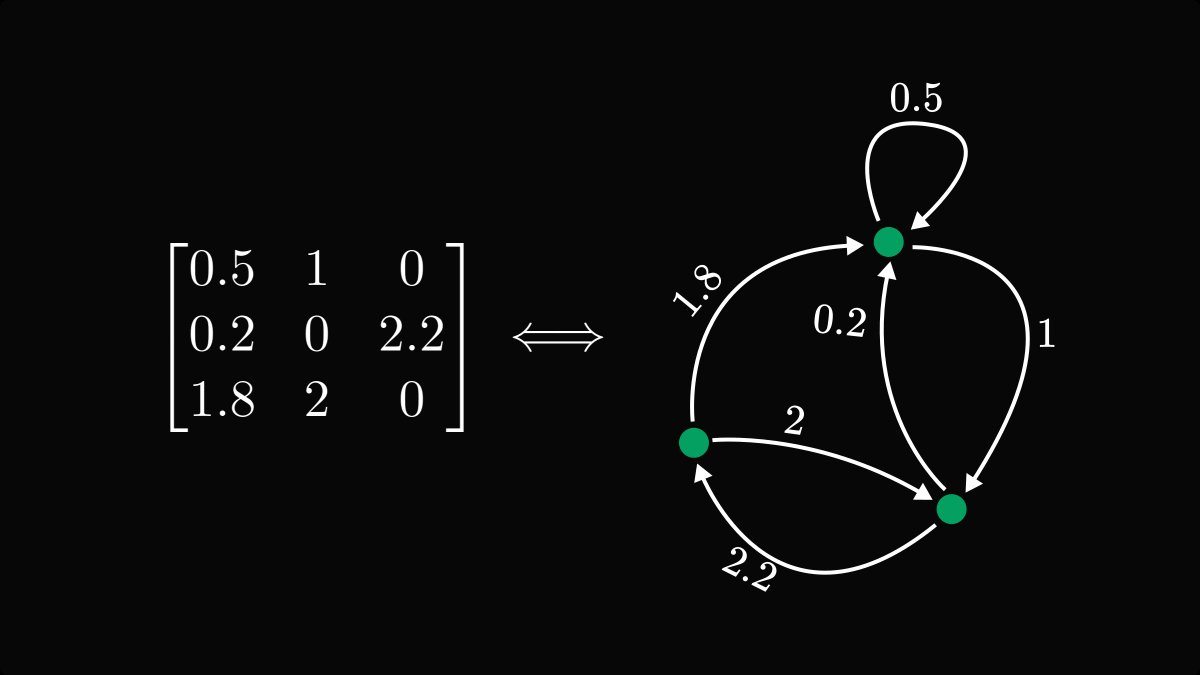
The single most undervalued fact of linear algebra: matrices are graphs, and graphs are matrices.
Encoding matrices as graphs is a cheat code, making complex behavior simple to study.
Let me show you how!
Wished we had an equivalent of "home inspection" but for computer systems. An experienced engineer from another team gives you a review and suggests areas to improve. You do whatever you want to do with that feedback.
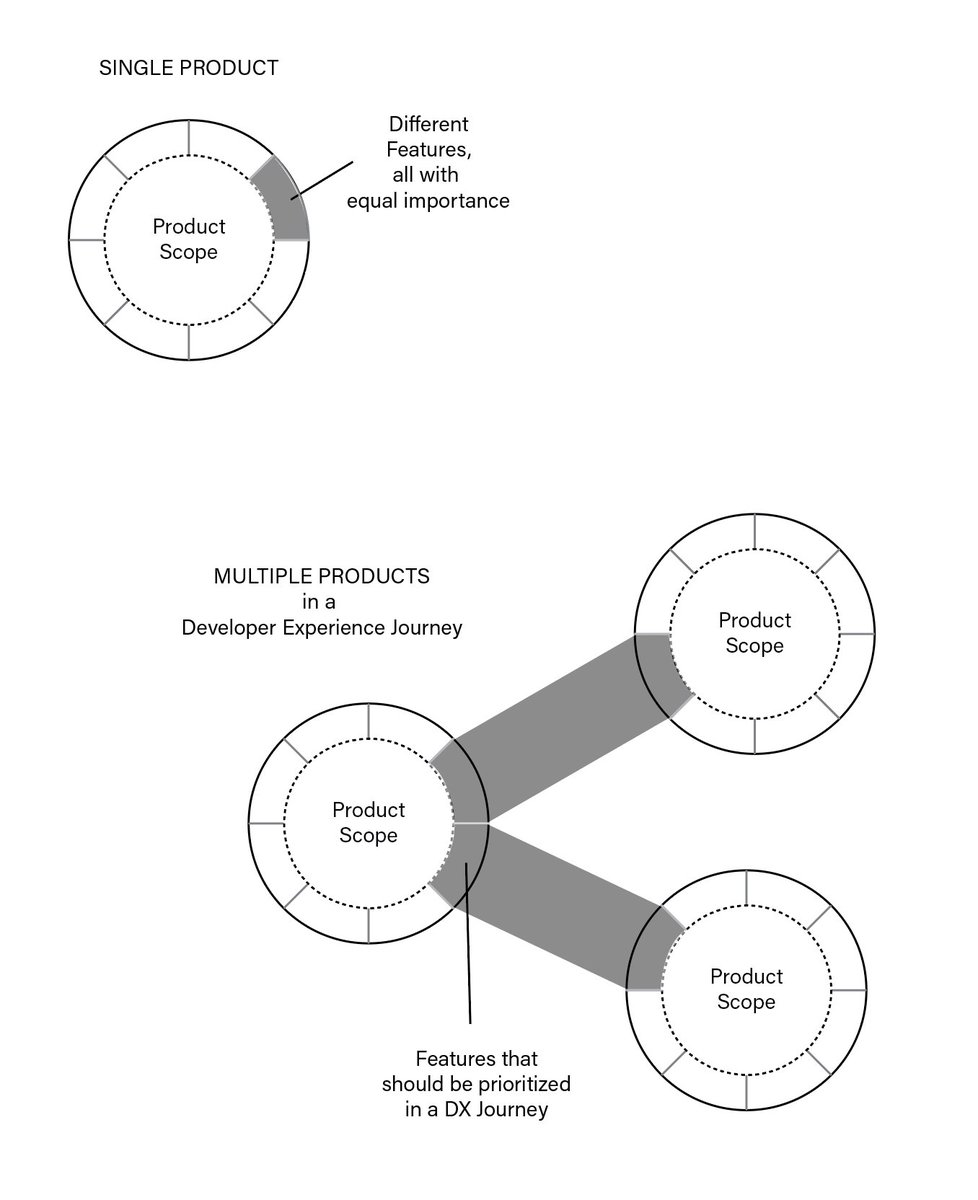
When we think about Developer Experience, we have think beyond a single product.
In a Developer's journey, we begin to prioritize the features that are touch points along the larger system.
Communication should maximize surprise.
Source: Critical Systems Thinking and the Management of Complexity by Michael C. Jackson
(I think of this as applying information theory to human communication, like emails/memos).