Japan’s parliament enactes a historic revision to the 19th-century Imperial House Law by insisting only paternal-lineage men can become emperor, sparking fear that it could doom the already shrinking imperial family. https://t.co/Ro7vl8KulX
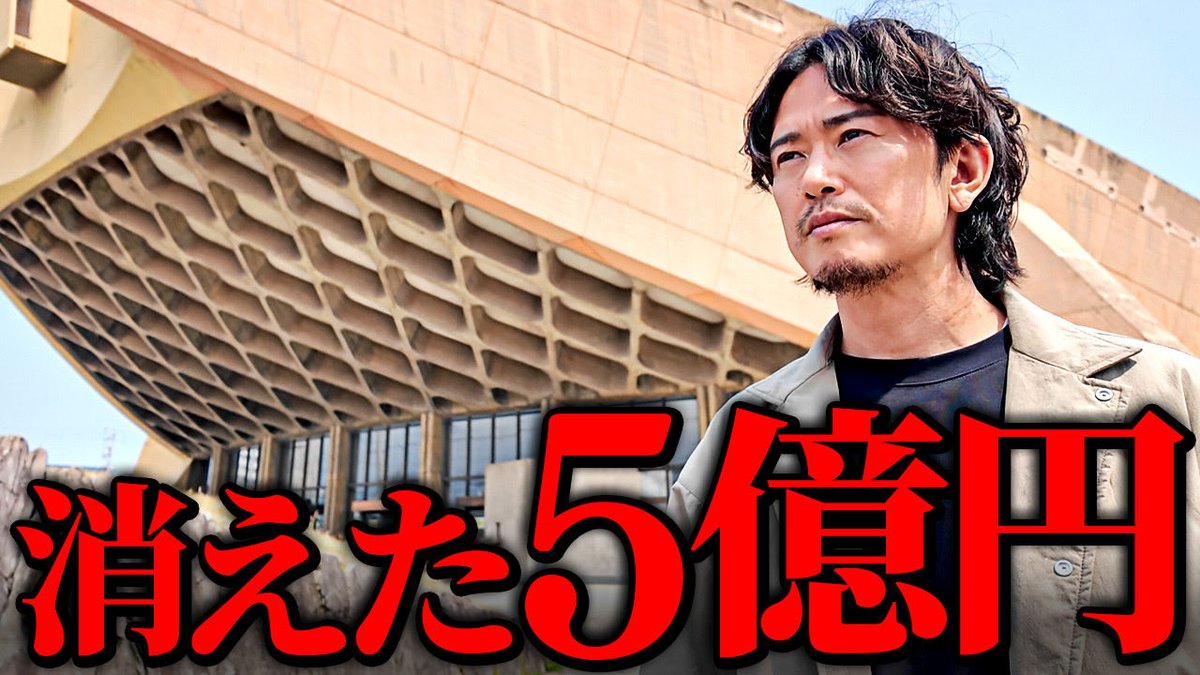
A popular Japanese entrepreneur is uncovering the dark side of Japanese municipal government. He highlights a controversial demolition project involving a historic building designed by world-renowned architect Kenzo Tange, where documents suggest a ¥350 million project was bid up to ¥850 million, raising serious concerns about inflated costs and possible bid-rigging. This comes right after a major cartel scandal involving 20 local construction firms, with reports that some of the same companies may still be involved. Additional irregularities are emerging, including projection mapping projects costing hundreds of millions more than in other regions, and 19 previously undisclosed asbestos sites that may have been intentionally hidden. By speaking out, he may be putting his own safety at risk, as there have been reports of others who raised similar issues facing threats or even life-threatening confrontations. Despite widespread awareness among politicians, journalists, and even authorities, many are too afraid to speak out, and the project itself has now stalled. Even in a country as clean and advanced as Japan, these deeply rooted structural issues still persist beneath the surface.
A Japanese legal expert breaks down the SANAE TOKEN issue clearly:
The problem is not that it’s crypto. The problem is fraud. Using PM Takaichi’s name and likeness (even AI-generated) without permission, implying her endorsement, and soliciting purchases under false pretenses—that’s textbook unauthorized solicitation and potentially criminal fraud, regardless of asset class.
Key points:
•Unauthorized promotion/solicitation of crypto is illegal in Japan—that’s the core violation
•“We talked to her support group” is no defense if Takaichi herself denied involvement
•No insider trading rules apply yet (pre-Financial Instruments Act coverage), so large holdings aren’t illegal—but irrelevant to the fraud question
•Civil settlement possible via compensation, but if FSA classifies it as fraud, jurisdiction shifts to Tokyo Metropolitan Police—criminal charges follow
•Structurally identical to unlisted stock scams Japan has seen before
This isn’t Japan being anti-crypto. Japan has made significant regulatory progress opening its markets to digital assets. This time, it was Japanese founders themselves who broke clear, well-established rules. The framework exists to protect investors—this is what happens when you cut corners.
NoBorder’s “Japan is Back” team has issued a formal apology on SANAE TOKEN, admitting poor communication with PM Takaichi’s office and acknowledging the confusion caused to her, related parties, and token holders.
They say the project was intended as a civic/DAO initiative, not for issuer profit, and claim they earned no fees or sale proceeds, with Raydium LP locked and the fee NFT burned.
Going forward they will:
•Compensate token holders
•Change the SANAE TOKEN name and fundamentally redesign the project
•Set up an expert review committee and prevention measures, and fully cooperate with any regulator inquiries.
A snapshot of all wallets was taken on March 4, 2026, 12:00 JST to determine who is eligible for compensation and to limit speculative confusion.
$SANAE (Solana memecoin): First major publicized meme token in Japan—launched Feb 25, 2026 by NoBorder DAO (CEO Yuji Mizoguchi). Pitched as PM Sanae Takaichi’s “Japan is Back” initiative, rewarding holders for national pride.
•Pumped 30x on perceived endorsement.
•Takaichi denied Mar 1: “No knowledge or approval.”
•Price crashed 50%+.
•FSA investigating: Unregistered, unauthorized use of PM’s name—potential Payment Services Act breach.
Backers under microscope—Mizoguchi/NoBorder DAO face reputational/reg hit.
Japan’s crypto momentum (post-2023 reforms, SBI-led adoption) at risk: This tests FSA tolerance for memes amid MtGox scars. Positive shift (retail inflows, stablecoin pilots) could stall if seen as “gambling” redux—or accelerate compliance standards.
LATEST: 🏦 Abu Dhabi's ADGM has approved Ondo Finance's tokenized stocks and ETFs for trading on Binance's regulated platform, the first such approval under the ADGM's regulatory framework.
LATEST: 🏦 Abu Dhabi's ADGM has approved Ondo Finance's tokenized stocks and ETFs for trading on Binance's regulated platform, the first such approval under the ADGM's regulatory framework.
SBI Holdings CEO Yoshitaka Kitao: Financial services (lending, asset mgmt) headed for “complete AI agent transformation”—starting internal, expanding to customers. Japan’s fintech powerhouse bets big on full automation.
Implication for B2B Japan: AI agents disrupt legacy vendors—SBI-scale players will plug in seamless APIs, slashing costs/time for corp banking/treasury. Traditional banks scramble; startups race to integrate.
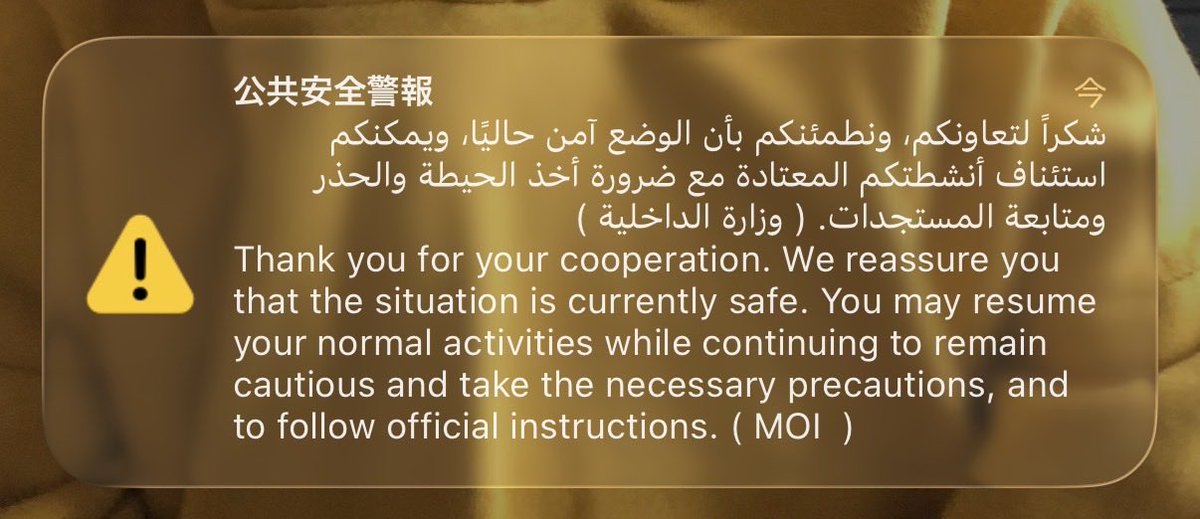
Dubai’s crisis management is world-class: A Japanese founder in the UAE—zero English or Arabic—navigates the latest turmoil feeling utterly safe, business as usual. No panic, no disruptions. That’s elite governance.
This isn’t luck; it’s systems: Prepped infrastructure, multilingual alerts (apps, SMS), swift evacuations, and 24/7 support lines that bridge language gaps. Foreigners aren’t just tolerated—they’re prioritized.
Power of execution: When chaos hits, trust in authorities lets talent focus on building, not surviving.
For crypto founders: UAE’s resilience = unfair advantage. Amid global volatility (markets, regs, geopolitics), hubs like Dubai keep ops humming—VARA licenses intact, talent flows uninterrupted.
Macro: Elite crisis mgmt attracts capital like gravity. Dubai’s pulling devs, VCs, family offices from shaky spots. Crypto’s future clusters here.
Japan’s Finance Minister Satsuki Katayama just laid out a pragmatic view of money’s shift in parliament—beyond cash and bank balances to “net-only” digital forms.
She draws a sharp line: Digital currencies broadly cover e-money and apps, while crypto is the blockchain-powered subset enabling true P2P transfers without banks.
Highlight: Stablecoins are the practical winners—USD-pegged for stability (no Bitcoin volatility), ideal for remittances and trade. US is ditching CBDC in favor of private stablecoins; Japan watching closely.
Her takeaway? Stable blockchain money overtakes speculation, with UX as seamless as the internet’s rise—no tech hurdles, just adoption.
For crypto leaders: Japan signals regulated stablecoins as core infrastructure. Expect policy tailwinds for compliant platforms, partnerships with locals (think remittances via UAEs like UPCX), and real-world scaling. Time to pivot from hype to Tokyo-compliant builds.