We hope you’re hoppy to meet the small five-toed jerboa! This desert-dweller obtains most of its water from the food it eats—including insects, seeds, & parts of plants. The smallest member of its genus, it grows ~5.9 in (15 cm) long & can cover ~9.8 ft (3 m) in a single bound!
Bonnie and Clyde are back together again.
Clyde was in the big hospital for 12 days and she missed him terribly. We weren’t sure he would even make it.
Lots more battles ahead but for now we’ll take it and build from here ❤️
If a criminal organization told Donald Trump or any of his kids that they had a plan to cyberattack the world’s banking systems and steal funds but they would cut them in for a percentage of the loot each and every one of would only have one question: ‘how can I help?’ Bet on it.
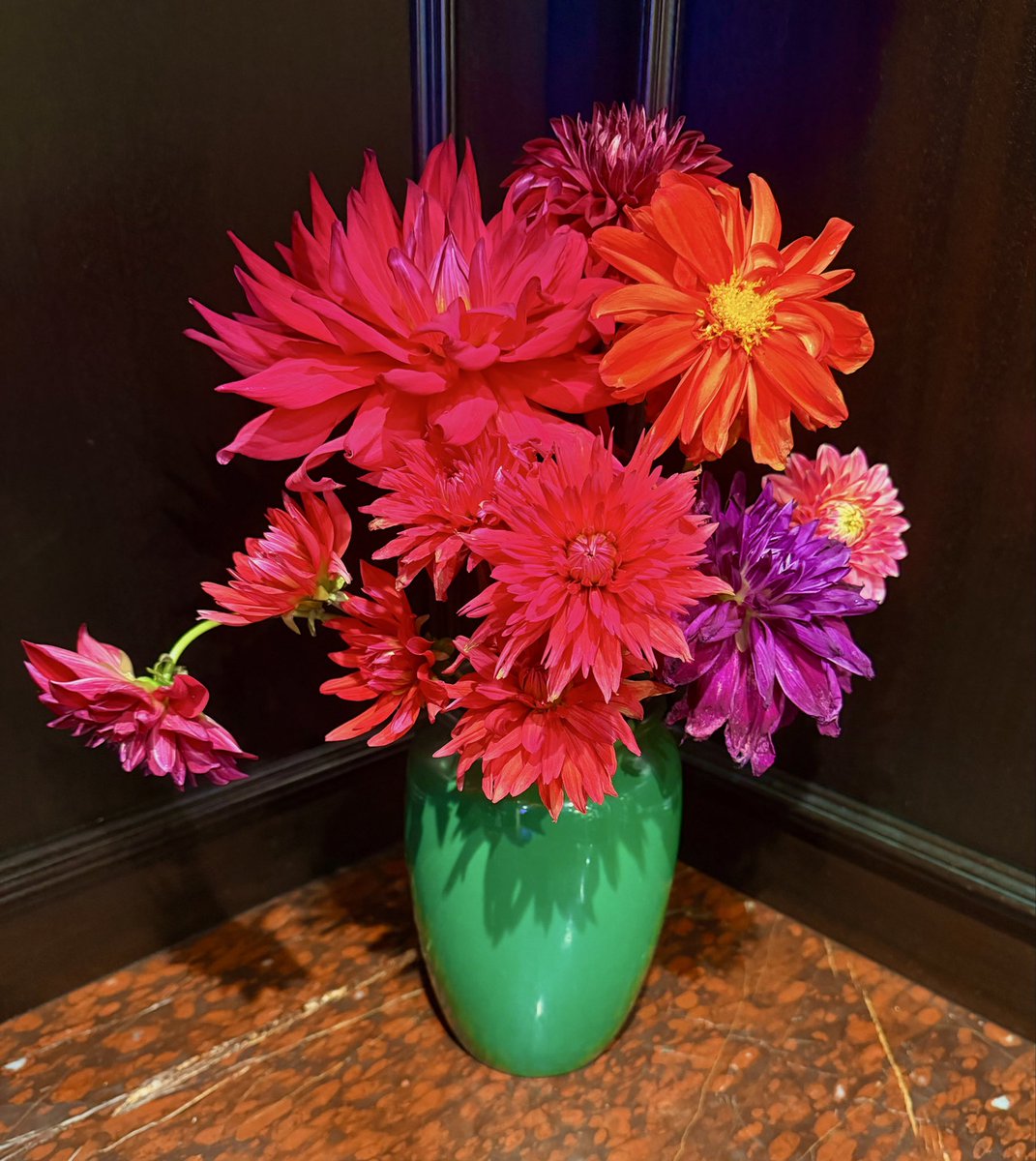
Okay, late blooms of American Beauty, Babylon Red, Boom Boom Red, Cano Mystery and the small red semi-cactus are my memory victims.
I don’t want to be allied with Russia and China for Trump-profit.
I was handed Mario 3 years ago. He had been beaten black and blue by a man on drugs. Kind locals saved him and even tried to make him a little splint with what little they had.
It was a long rehab but look at Super Mario now in England. How cute is his new winter jacket ❤️
Meet the granulated sea star. Growing ~10 in (25 cm) in size, it's also known as the “doughboy starfish” for its portly look. This species inhabits reefs in shallow Indo-Pacific waters. On its menu are coral and other small invertebrates—it sometimes even scavenges dead animals.
Meet the giant wētā. Members of the genus Deinacrida, these critters are among the largest insects on Earth! In fact, individuals can reach weights of 1.2 oz (35 g)—making them heavier than some mice!