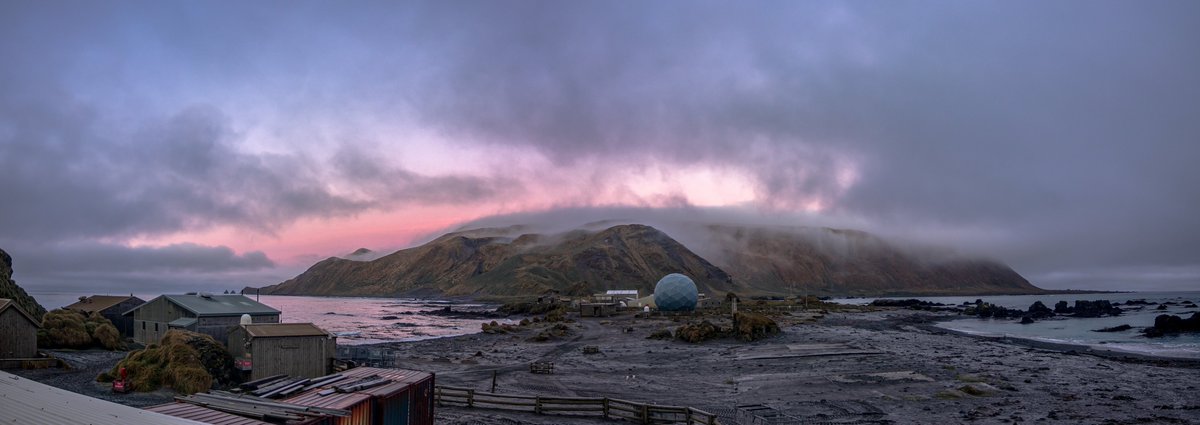
Amid all the talk of the use of Charing Cross station for an exercise, I'd argue that these MOD images, showing the vital importance of rail to deliver logistics support via a tube engineering train to the HQ are if anything more interesting - rail plays a vital role in war.
I love how heavily @SpaceX leaned into photography in their S-1. The first 15 pages are all pictures, many of which have no explanation at all.
It just makes you... feel.
Is 2 Amys the perfect restaurant? Such a great menu of neapolitan pizza and rotating seasonal Italian-ish small plates with an interesting, well-priced wine list. After 25 years, the dining room is full with youthful energy on a Tues night. And service is included in the prices.
Before I really knew how to use my camera for video we drove out into the desert to get a shot of a B-1 departing Nellis. Seeing the heat from the exhaust distort the Vegas skyline was so sick!
You can hear someone next to me go “oh my god!”
Let's discuss…
Scaffloat, a small company in Cornwall that has struck upon a brilliant idea, modular pontoons and workboats made from scaffolding.
THREAD
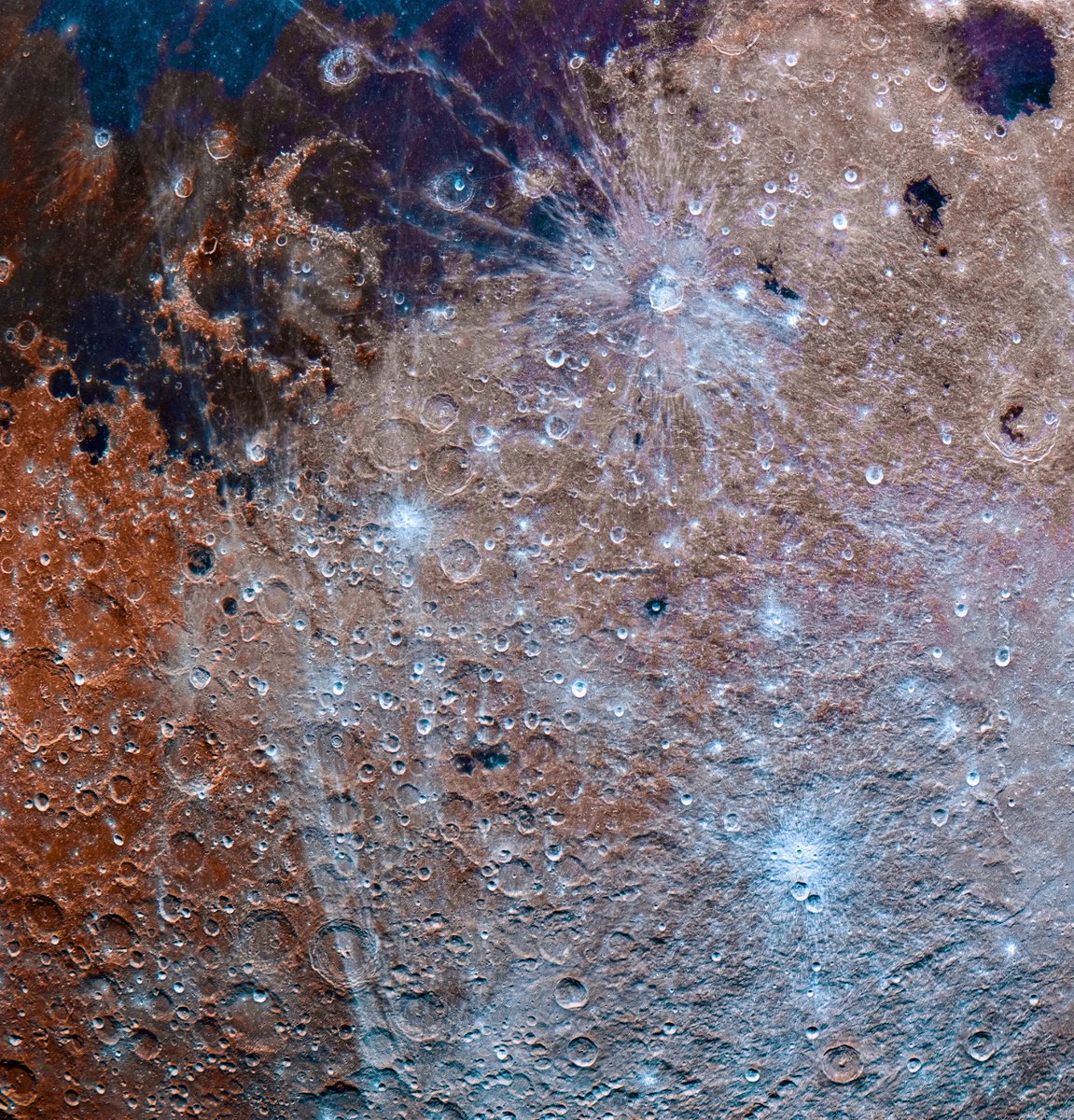
The stunning color of the far side of the moon, photographed by human hands for the first time since 1972. Advancements in digital photography over the last 54 years gives us a much better look at the moon's battered history.
Photos captured by @astro_reid, processed by me.
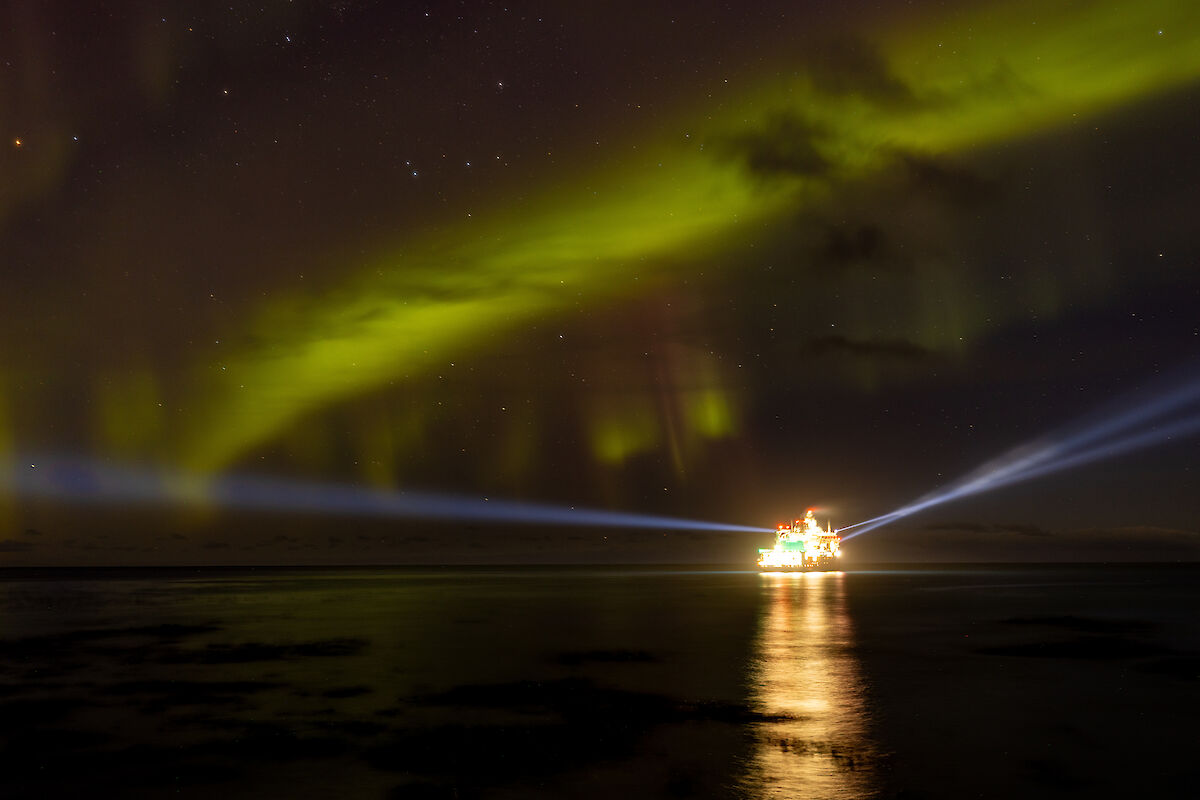
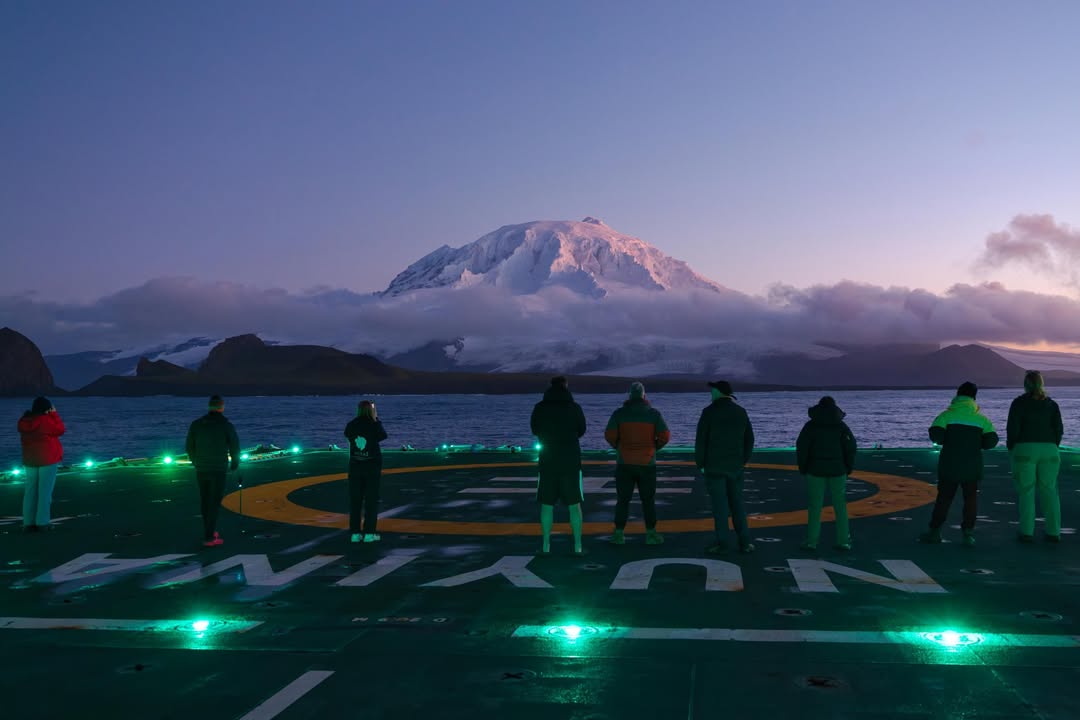
forget the virus, WHO THE HELL is taking antarctic cruises from argentina, sailing the remote south Atlantic, going home to SF for a day, then flying to the remote Pacific and ending up on one of the most remote islands on Earth
that's a damn Lord of the Rings level journey
There is currently a ~Jupiter-sized mass of plasma floating 100k miles over the sun. I captured this photo just a couple minutes ago using a modified telescope from my backyard.
Subsea Blowout Preventers (BOPs)
This is the technology that allows us to drill oil and gas wells under the sea, that red circle in the left image is an offshore worker for scale.
The image on the right shows a subsea BOP sitting on top of a subsea wellhead.
I guess most people have no idea that these systems even exist, so let’s have a look at what they are and how they work.
The purpose of a Blowout Preventer is to prevent blowouts. So what is a blowout?
Wells are so deep that the pressure at the bottom of the well can be 10,000-20,000 psi, this is 1,000x more pressure than atmosphere.
What that means is that wells always want to explosively vent their entire reservoir contents into the sky, and oil reservoirs typically contain a few hundred million tonnes of carcinogenic crude oil.
If a subsea oil well has a blowout, then you can accidentally poison an ocean. This famously happened to BP in 2010, when the Deepwater Horizon BOP failed.
When you drill a well, your “primary barrier” is your drilling mud. This is a heavy liquid that you pour into your well and the hydrostatic pressure of this dense mud is heavy enough to keep the contents of the reservoir at the bottom of the well.
A well is a deep hole filled with a mud that has a density of 1.0 - 2.4 kg / litre, the denser the mixture of mud, the greater the pressure at the bottom of the well.
The job of a drilling engineer is to keep the mud weight such that the contents of the reservoir stay put, without all the mud flowing into the reservoir.
If the density of the fluid in the well drops, eg it gets replace with oil or water instead of mud, then the pressure is such that the well will start to “unload”, which means it will flow to the surface.
A BOP is used as an emergency backup system, so that when the drilling mud has a problem you can slam shut the BOP valves and stop the well unloading.
Once a well starts to unload there is no force in nature to stop it. You get 1 shot at preventing the blowout.
Usually you will have drill pipe insider the well too, running from the rig all the down the riser and all the way into the well. This complicates closing the BOP somewhat, so BOPs are designed to shear drill pipe insider two when they close.
Drill pipe is 6in diameter toughened steel. Cutting it with a valve that also has to seal 10,000psi to avoid poisoning an ocean is no mean feat.
Doing this remotely under 2 miles of seawater is even more challenging.
But these systems exist, every offshore drilling rig has a BOP, it’s 450 tonnes of steel forgings, high pressure pipework, controls, and the most incredible sealing technology known to mankind.
Around 30% of the world’s oil supply is produced offshore using technology like this. This is the upstream industry that produces 1/3rd of all fuel, plastic, fertiliser, you name it, this is how we do it.
We’ve been doing this for 50 years.