Jisté je jedno: Pokud si jistí členové vlády a jejich placená klika mysleli, že tímhle pubertálním trucováním pokoří hlavu státu, je to přesně obráceně. Pouze ukazují svoji malost a ponižují sami sebe, píše @mschmarcz.
https://t.co/3PO3sXi8jr
@willcz Pokud to má být spíše neviditelné, aby to podpořilo přírodní barvu dřeva a nebylo to za "bílým závojem", tak vyzkoušené od Osma mám Top Olej 3028 bezbarvý hedvábný polomat a 3058 bezbarvý matný. Je to vhodné pro styk s potravinami.
@RaulGonzalesBl9@PlantaeGenista@GavinnyOriginal Já teda ne... a přesně myslím že o to jde - mezinárodní utkání by měla být na veřejných kanálech a také dostupná všem - přes pozemní vysílání
Tohle je přesně způsob, jak používat Machine Learning (tzv. AI) nástroje, odstraní ruční mnohdy až otrockou práci a uvolní lidem ruce ke skutečné tvořivosti. Skvělý příklad!
Hollywood has a dirty secret.
That perfectly clean green screen shot in your favorite Marvel movie? A human being sat in a dark room for 6 hours fixing it frame by frame. The AI keyer got the body. A person painted every strand of hair. By hand. At 2 AM. For 400 frames.
The software costs $5,000 a year. And it still cannot key hair.
Nuke: $4,988/year. Cannot key hair in motion blur.
After Effects: $264/year. Cannot key transparent glass.
Boris FX: $1,865. Cannot key fine edges without haloing.
The industry's solution for 30 years has been the same: pay for expensive software, then pay a human to fix what the software couldn't.
The YouTubers behind Corridor Crew looked at this and asked a different question.
What if the AI didn't try to remove the green? What if it figured out what color was actually there before the green contaminated it?
They trained a neural network on synthetic 3D data. Not scraped footage. Not stolen clips. Perfectly rendered scenes where every pixel's true color was already known. Hair strands. Motion blur. Transparent glass. All simulated with known ground truth.
Then they fed it real green screen footage.
It worked.
They called it CorridorKey. Then they open sourced it.
→ Feed it raw green screen footage
→ AI reconstructs the true foreground color for every pixel
→ Hair stays perfect. Every strand.
→ Motion blur stays intact. Every frame.
→ Transparent glass stays transparent.
→ 16-bit and 32-bit EXR output. Nuke-ready. Resolve-ready.
→ Handles 4K natively
→ Runs on consumer GPUs. 6 GB VRAM minimum.
→ Runs on Apple Silicon via MLX
→ Auto-detects green or blue screen
→ Removes tracking markers automatically
→ DaVinci Resolve plugin live
→ Standalone GUI for non-technical users
→ One-click installer. No Python setup.
Here's the wildest part:
Within 2.5 months:
13,000+ GitHub stars. 787 forks. Active Discord. Community built a cloud render farm so you can process footage without owning a GPU. DaVinci Resolve plugin shipped. Nuke and After Effects plugins in development.
VFX freelancers are already offering CorridorKey-powered services to production companies. One person. One GPU. Hollywood-quality keys. A business built on free software.
Nuke: $4,988/year. Still needs manual cleanup.
After Effects: $264/year. Still needs manual cleanup.
Rotoscope artist: $50 to $150/hour. For the cleanup.
CorridorKey: $0. No cleanup needed.
One honest flag: the license is CC BY-NC-SA 4.0. Free forever for personal projects, students, indie films, and learning. Commercial use requires permission from Corridor Digital. They did not pretend it was MIT.
A problem that plagued Hollywood for 30 years. Solved by YouTubers. Open sourced for free.
13,000+ stars. 787 forks. CC BY-NC-SA 4.0.
Your footage. Your keys. No rotoscoping.
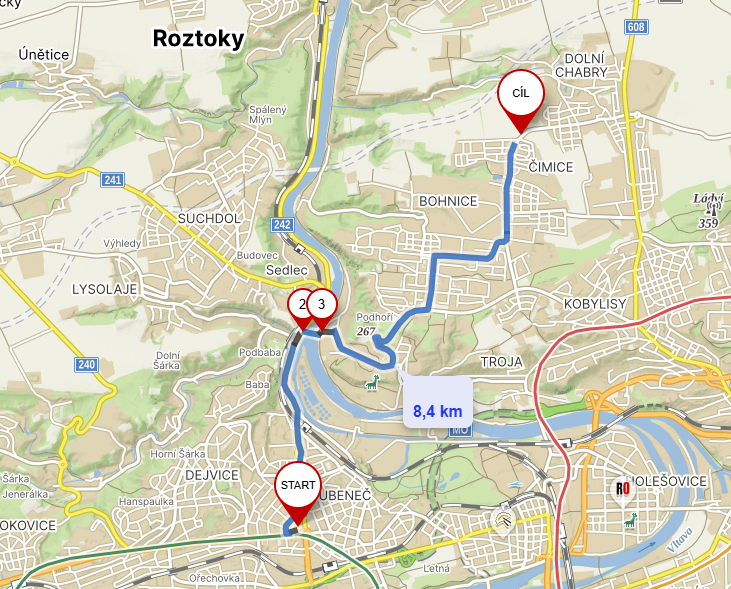
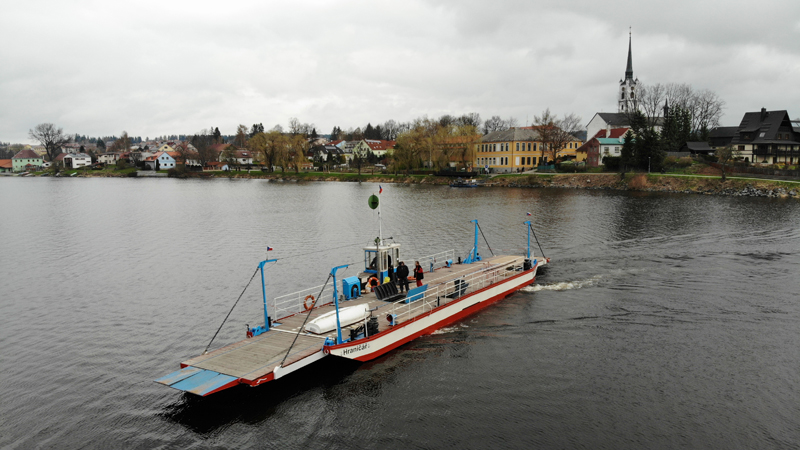
@PIDoficialni mě to přijde fajn, ale mám trochu lepší řešení - zvažovali jste nasadit malý trajekt, něco jako je na Lipně, místo toho přívozu v Podbabě? Tam by se menší autobus vešel... 1/2