Congratulations Ivaska Lab! What a great honor for us to contribute to this elegant piece of science! The cell microarray technologies still got it😃 Interested to develop your custom microarray platform? Contact us for more info! https://t.co/gGPIAvoPED @IvaskaLab@PNASNews
Target discovery using RNAi screening is still a valid approach. This time a novel DDR target FBXL12 for cancer therapy. Congratulations Sangfelt Lab! https://t.co/p7hEhgdyr3
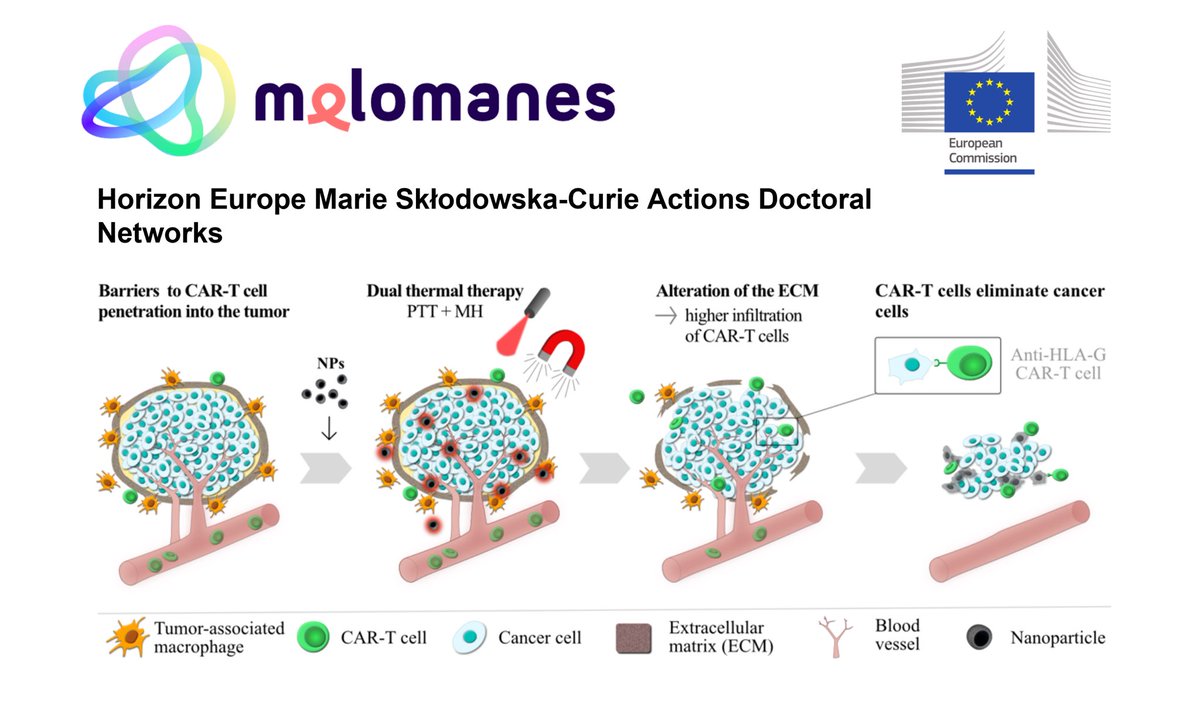
Last Call! Calling all early career researchers interested on nanomedicine and looking for a PhD position. Application period to @MelomanesMSCA training network is closing! #PhD https://t.co/2lcPMosQf7
@mikkoihuuskonen @ivanpuopolo Pitää muistaa että USA:n Puolustusministeriö rahoittaa myös Suomen johtavia tutkijoita. Valitettava seuraus kotimaan tieteen ja tutkimuksen rahoituksen tilasta. https://t.co/UNMN7yKD4P
@JaniMakelaFi Ei mahda mitään mutta tulee kuvasta aina mieleen tällainen vanha klassikko ja nyt myös sitaatti sopii: ”Täällä on niin köyhiä ettei ihmisellä ole kertakaikkiaan mitään ja siitäkin vielä viedään puolet veroa, tosi on!”
Interested in tailor made peptidyl diphenyl phosphonate warheads for analysis of proteolytic networks? Check out our latest collaborative study in Nature Chemical Biology: https://t.co/yQAKMu6oJo
I invented a method called Cell Spot Microarrays as a PhD student. Discoveries with it have been published in Science, Nature and today a proud moment, also in Cell! Happy holidays and New Year🥂 https://t.co/IDc2EnCG7K
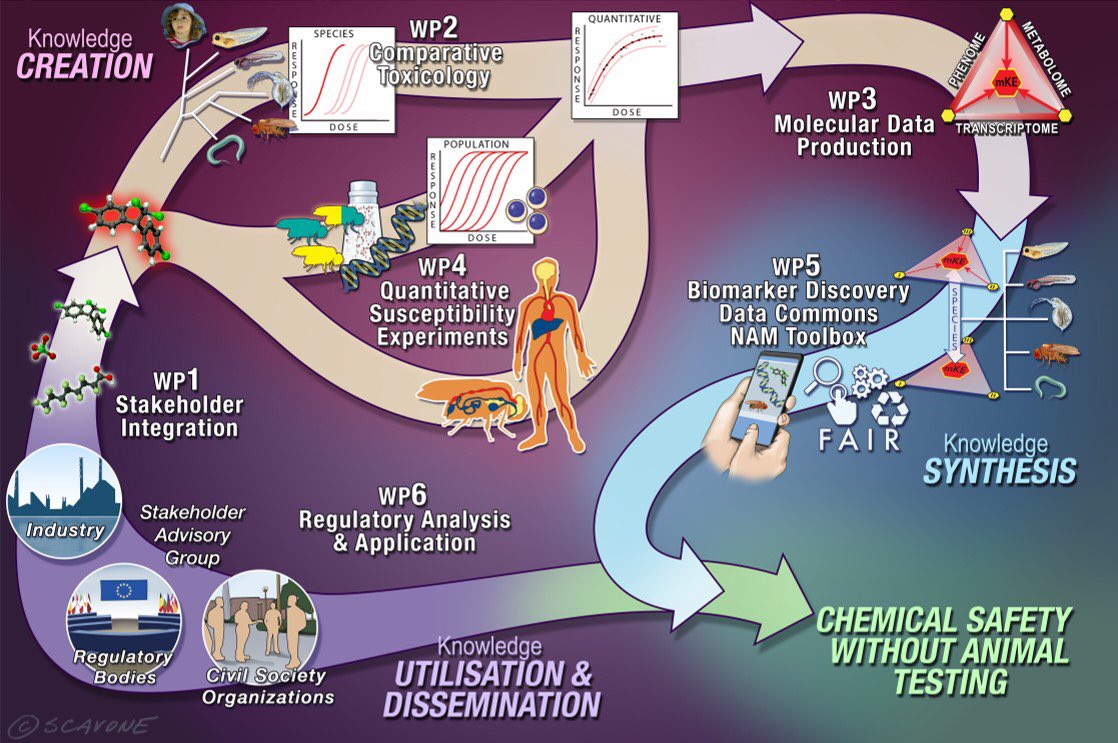
Amazing news!! European Commission awards 20M€ for the H2020 Research and Innovation project PrecisionTox to develop New Approach Methodologies for Chemical Safety to transform environmental health protection! Congratulations to the whole consortium! #PrecisionTox#misvikbiology
We've partnered with @CRUKresearch to deliver a series of free, online Entrepreneurial Training Seminars. This 3-part series, featuring @ttp_plc & @VennerShipley, aims to support the development of viable #startups that will address unmet medical needs: https://t.co/EQh7zhjWYV
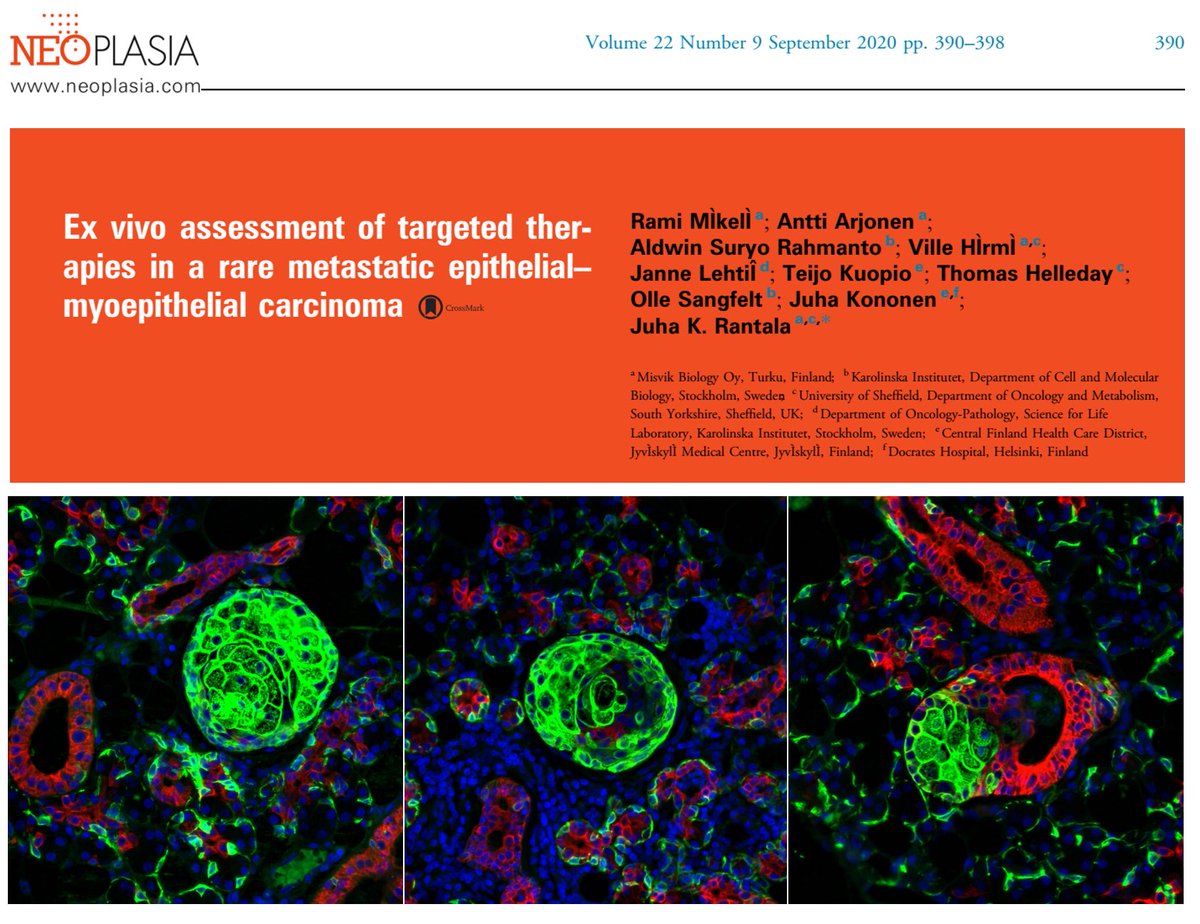
For rare cancers, n-of-1 style studies may be the only approach to demonstrate novel therapies. Study our latest case report of ex vivo modelling of drug efficacy in an extreme rare epithelial-myoepithelial salivary gland cancer: https://t.co/vygLA27BNM