gm Bitcoin & Ordinals collectors 🧡
Bitcoin trending up. Is the fear finally priced in?
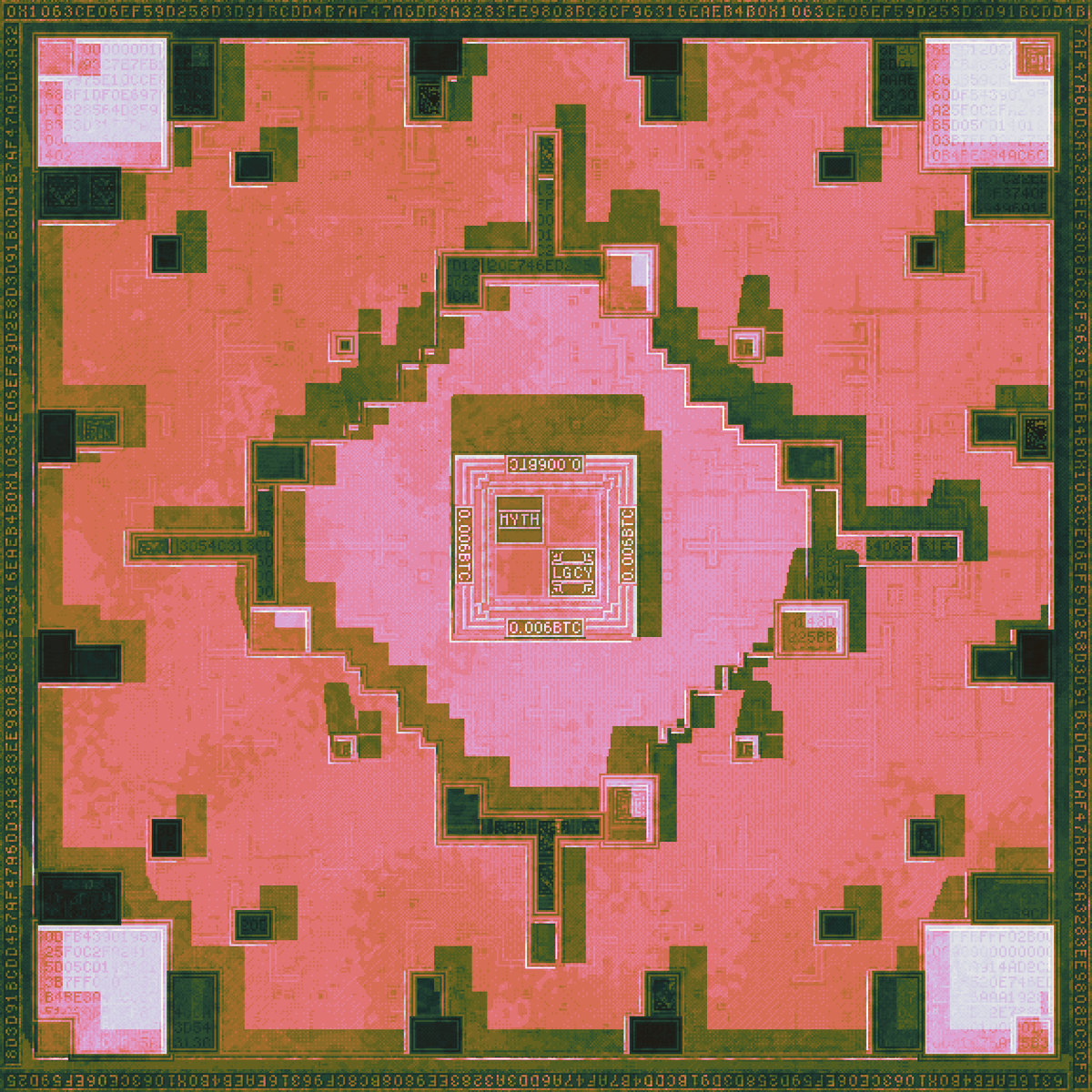
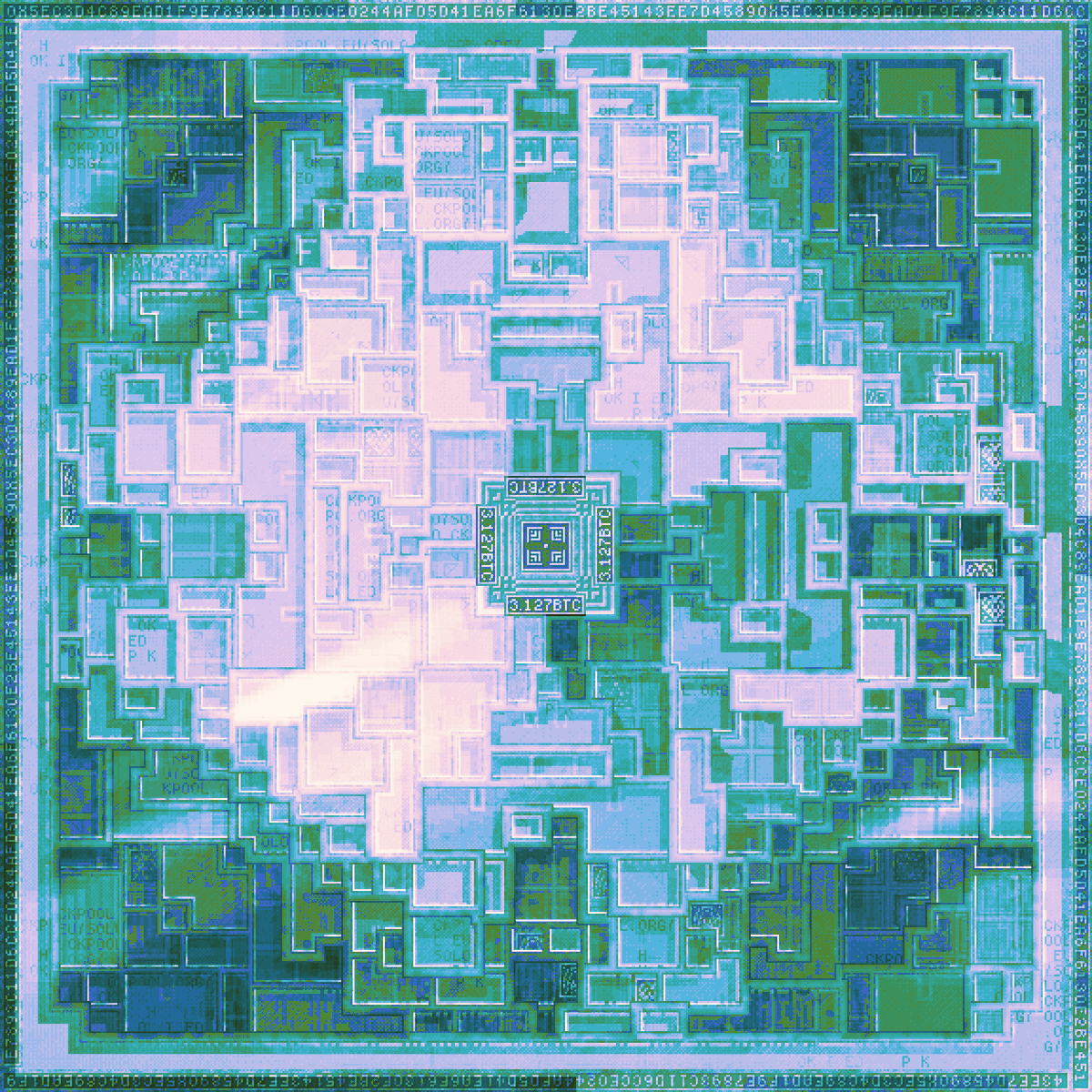
Ft. a Satoshi Relic generated from the first transaction tied to the SatoshiDice 1dice8 address, among the most active in Bitcoin history, with the most incoming and outgoing transactions
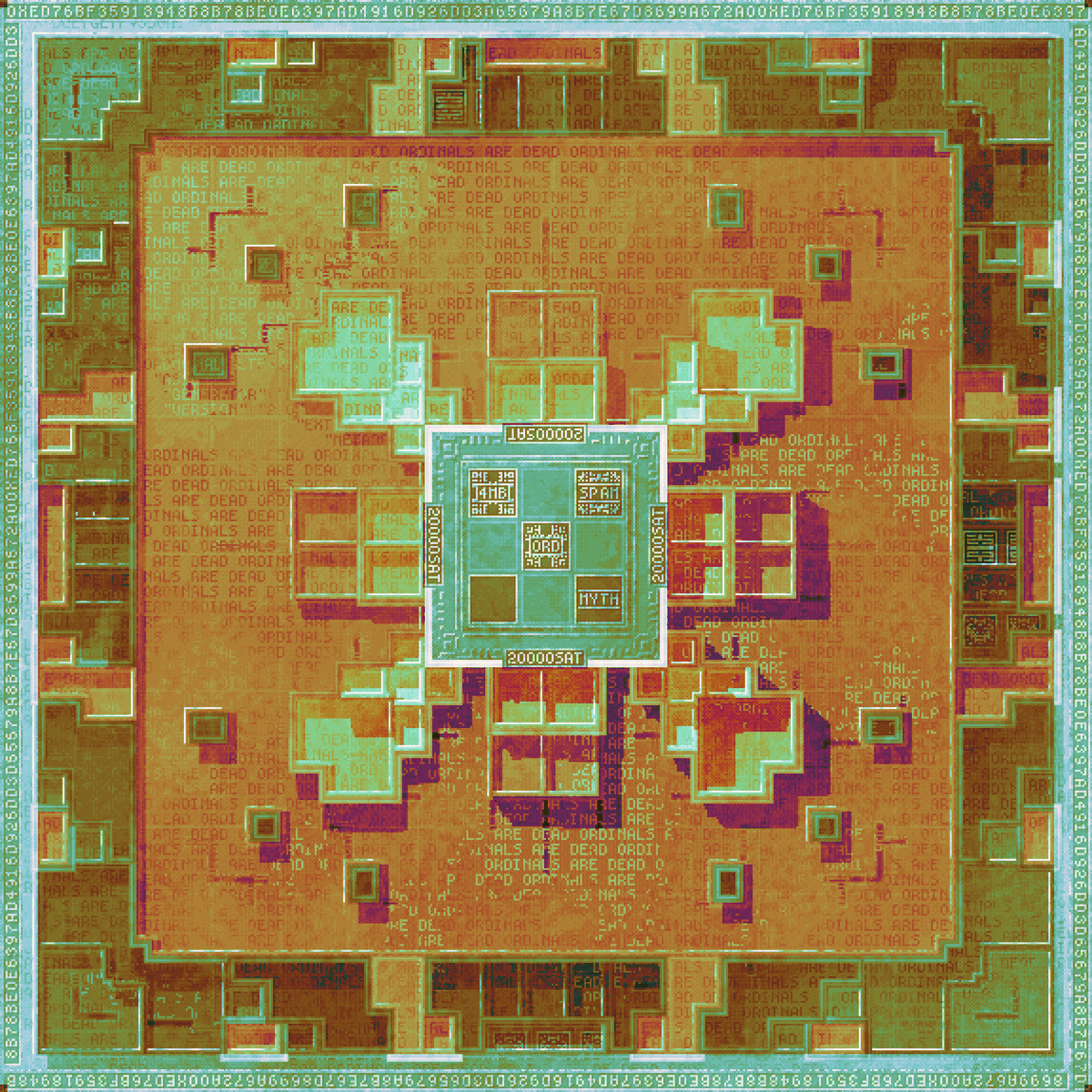
A Satoshi Relic generated directly from the coinbase transaction of block 945601.
Hex data into art. See below.
Pretty incredible to wake up to. Congrats, @Parasite_wtf. And gm btw.
What a W for this mining community! 🧡
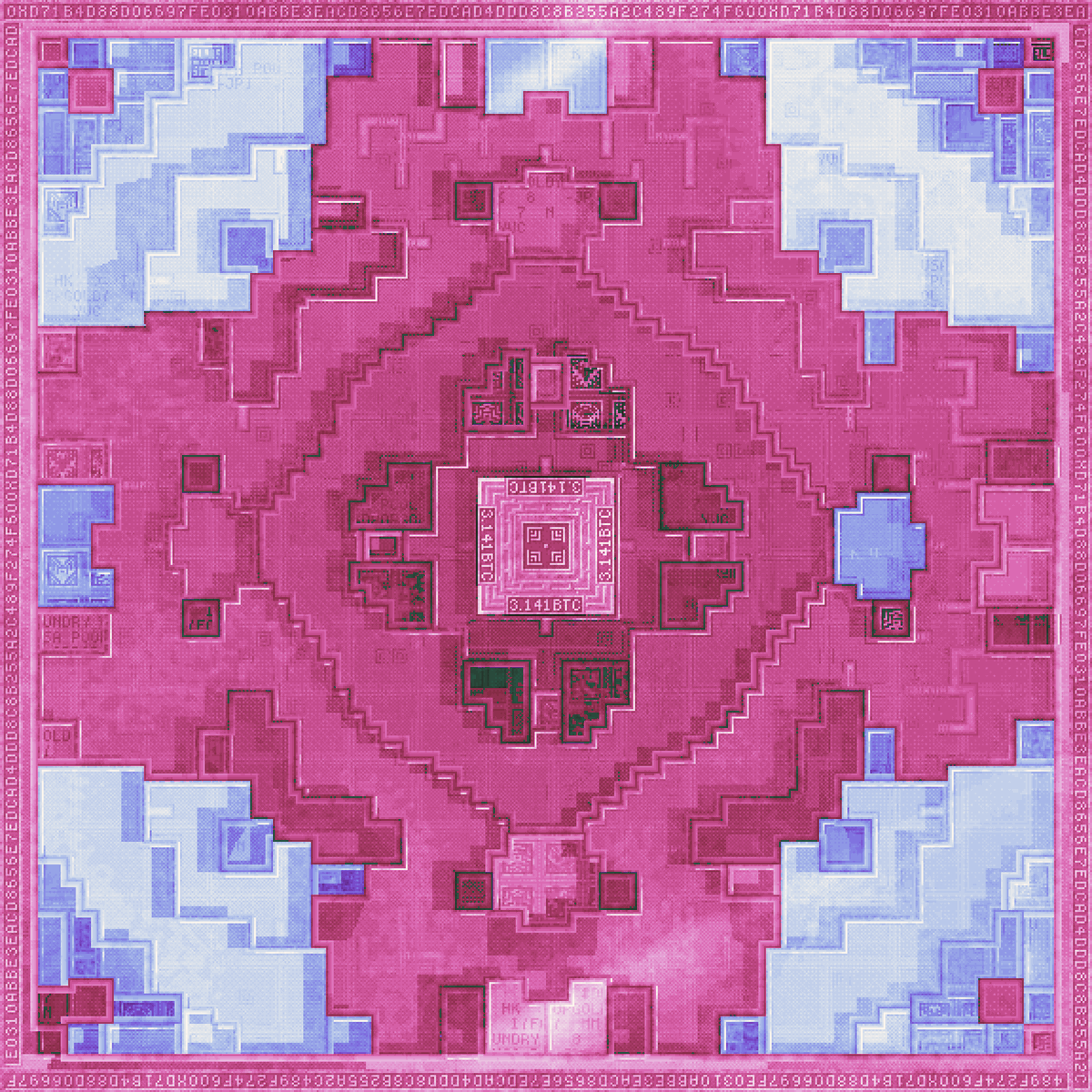
Art generated from the transaction that mined the second block by the @Parasite_wtf pool:
https://t.co/BNvY8r5szT
Here's a Satoshi Relic generated from the transaction that inscribed this 4 Megger 🧡
Raw hex from the moment of inscription turned into a digital artifact that helps tell the story.
It does still feel like we’re early.
@BudSnob You can link inscriptions with Satoshi Relics
When minting, select a gallery inscription related to the transaction a Relic was generated from
Here's an example:
The Relic was generated from the tx for the sale of a nodemonkey and the nodemonkey sold was linked to the Relic.
gm Bitcoin & Ordinals collectors 🧡
Always nice to see some green
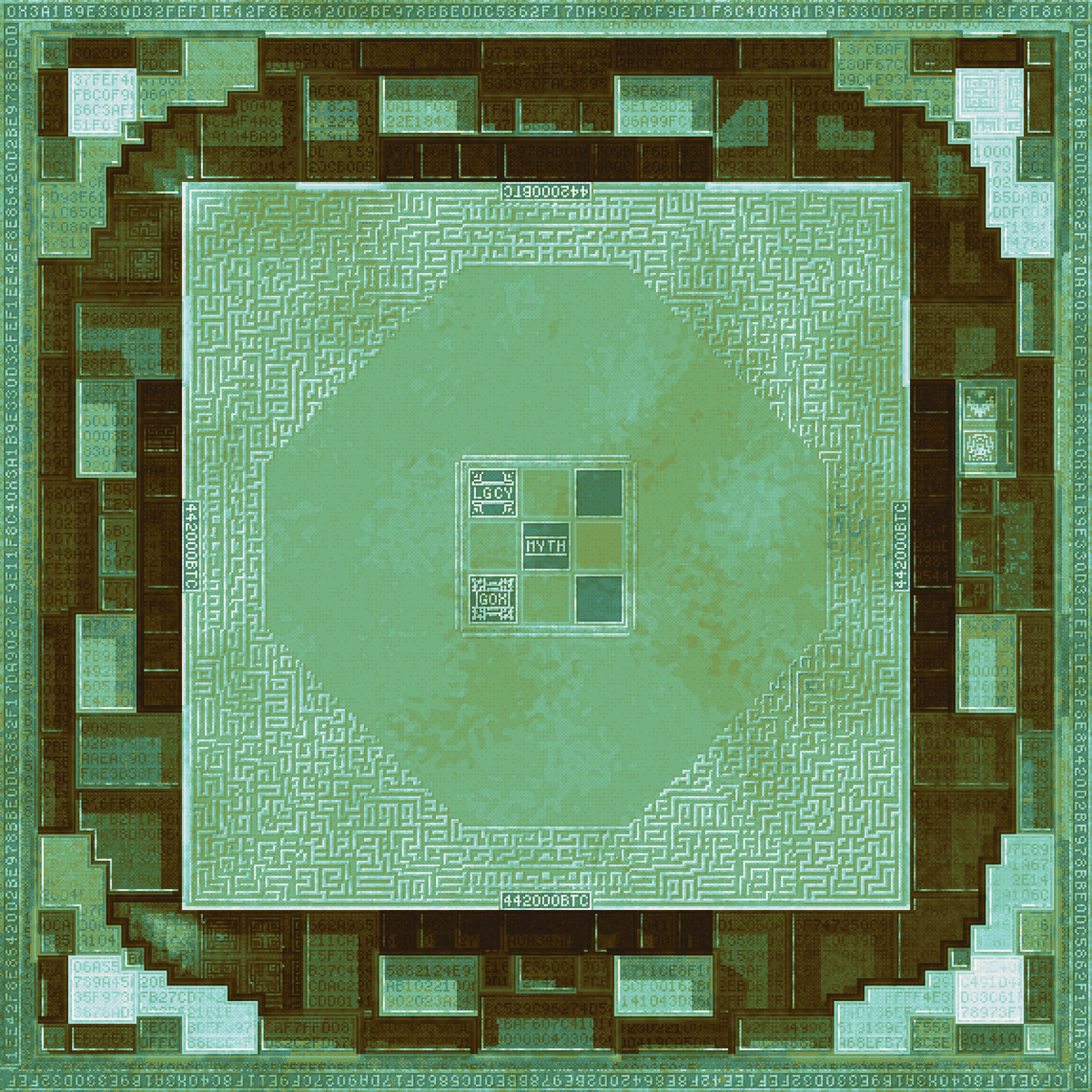
Ft. a Satoshi Relic generated from Mt. Gox’s famous proof-of-assets transaction signed by Mark Karpeles
if only there was a globally accessible, immutable ledger we could use to preserve the internet...
hard not to see the case for the timechain as an archive
True art does seek archival permanence
Not just to last, but to preserve fidelity to its origin and intent across time
This deeply resonates with how we think about Bitcoin and with what we are building through Satoshi Relics
A permanent place for history itself
gm Bitcoin & Ordinals collectors ☕️
Something always takes shape in the quiet
Ft. a Satoshi Relic generated from a solo-mined coinbase tx via @NiceHashMining
A weekend ramble:
Monetary trust -> asset rotation -> cultural assets
When confidence declines in currency purchasing power, and in bonds and equities, capital starts looking elsewhere.
It looks for scarcity, tangibility, cultural permanence, and non-correlated assets.
That includes:
gold / silver
art
collectibles
and internet-native assets such as NFTs and digital artifacts
We saw this after COVID-19.
As money was printed and confidence in fiat weakened, capital moved into alternative markets.
Trading cards became stores of value
Watches ran
Art surged
NFTs turned culture into markets
This was not random.
As traditional markets grew more volatile, people looked for assets that felt scarce, culturally meaningful, and outside the usual system.
Collectibles are not substitutes for equities or bonds, but they can offer something few financial assets can: scarcity people believe in.
That matters more than many realize.
Younger investors are already redefining what a collectible is, and older investors are playing catch-up.
We continue to see headlines like: “Why Wall Street Is Investing in Trading Cards.”
Value is no longer limited to cash flow.
It also comes from culture, provenance, identity, history, acclaim, and emotional significance.
That is why capital continues to flow across categories:
fine art
antiques
sports memorabilia
luxury goods
coins
rare alcohol
stamps
comics
sneakers
cars
pop culture items
and NFTs
NFTs are still the underdog in this story.
They are the youngest market, but they share the same foundations as older collectible classes:
culture
provenance
history
scarcity
Yes, these assets can be volatile and illiquid.
They boom in hype cycles and often retrace hard.
We are seeing it with NFTs and Ordinals.
We are seeing it with watches and handbags.
We saw it across post-COVID collectible markets.
That does not disprove the category.
It looks more like early market formation.
And when it comes to NFTs, the next phases may be even more important than the first.
Because now there is growing recognition that onchain systems are not a niche.
They are becoming part of the foundation for future finance, ownership, and digital permanence.
That includes RWAs.
That includes digital artifacts.
That includes onchain culture.
This is not about frivolous indulgence.
It reflects distrust in fiat narratives, a demand for permanence, and a generational redefinition of value.
For us, this is where Satoshi Relics fit.
Satoshi Relics take real Bitcoin transactions and turn them into 1/1 onchain artifacts.
Not artificial, arbitrary rarity.
Not detached imagery or offchain URLs.
Real history, made collectible, fully onchain.
Collectibles generated from records on the world’s most historic ledger.
If monetary trust continues to weaken, capital will keep rotating toward scarce cultural assets.
NFTs
Ordinals
Onchain digital artifacts
They are in the early days of joining fine art and antiquities as internet-native stores of cultural value.
Slowly but surely, the economics of cultural scarcity may be more predictable than some realize.
The current TCG boom only reinforces the point.
In uncertain times, scarcity is more than a store of value. It becomes a strategy for resilience.
Another solo-mining W this April?!
Pretty amazing. Congrats to the miner!
This Relic was generated from the coinbase transaction of block 944306, an artifact created directly from the record of that miner’s success.