HBM @MarterbauerM widmet einen großen Teil seiner #Budgetrede der Abhängigkeit Österreichs von importierter fossiler Energie und den Auswegen dazu:
"Wer die Heimat liebt, ist für den Ausbau der Erneuerbaren. Wer die Heimat liebt, ist für den konsequenten Ausbau der Windkraft."
Neuer Beitrag, alte Muster. Nadine Godehardt und Maximilian Mayer fordern einen „Neustart" der EU-China-Politik und mehr „positive Symbolik" – und folgen dabei der klassischen #Regelungsillusion (Lübbe-Wolff). Ein kurzer 🧵/1
Germany going back to Russian gas would be repeating the exact mistake that created its current crisis.
Before 2022, Russia supplied around 55% of Germany’s gas and 40–45% of EU gas imports.
Germany used to run current account surpluses above 6–7% of GDP throughout the 2010s.
After the Russian energy shock, that model cracked: the surplus fell to around 4% of GDP in 2022 and, although it partially recovered, it remained far below its 2010s levels — around 4.5% of GDP in 2025.
Europe’s growth has slowed sharply since 2022 precisely because the continent entered the energy shock with extreme strategic dependence on Russian gas.
Germany needs cheap energy — but not energy controlled by Moscow.
Europe will not become a serious power until every member state accepts one reality:
Integration creates trade-offs.
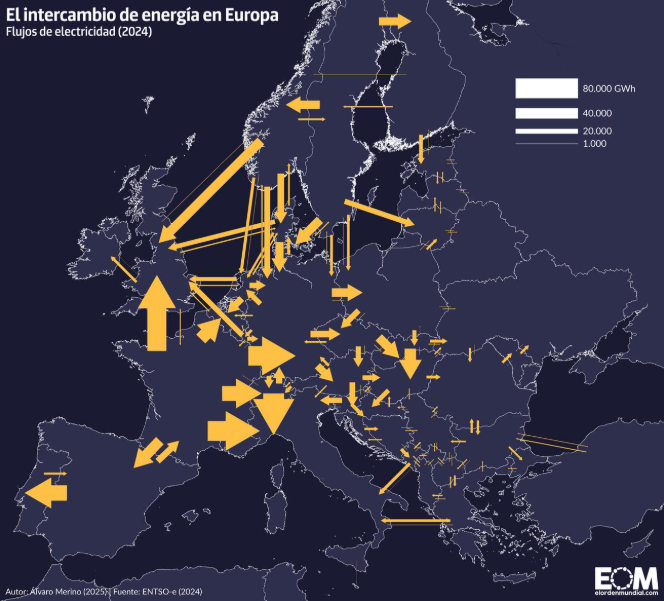
Connecting Iberia properly to the rest of Europe would strengthen Europe’s energy security — but it could also weaken France’s advantage
The EU-Mercosur deal would cover 700M+ people and boost EU exports in cars, machinery, chemicals, wine and services — but it also pressures farmers in countries like Poland and Ireland.
Capital Markets Union could mobilise part of Europe’s €10T in household bank deposits into companies, infrastructure and industry — but it would also pressure weaker national financial systems.
Joint defence procurement could reduce waste in a Europe spending almost €400B on defence in 2025 — but it means less national control over contracts.
Most common policies benefit the majority. Some benefit export-led economies. Others benefit agricultural economies, energy gateways, financial centres or industrial regions.
That is normal. It happens in the United States. It happens in China. Large unions always distribute gains unevenly across regions.
But the Union is what creates the scale.
Europe cannot demand the benefits of continental power while refusing the costs of integration.
Putin persuaded Trump to compel Ukraine to accept a 3-day ceasefire for Russia's victory day.
Trump claimed 1000 POW from each side would be exchanged.
Zelensky accepted.
Russia responded with 1,400 drones and ballistic missiles against civilians in 30 hours afterwards.
No POW exchange so far.
No protest from the US or Trump.
Once again Trump shows that he supports Putin.
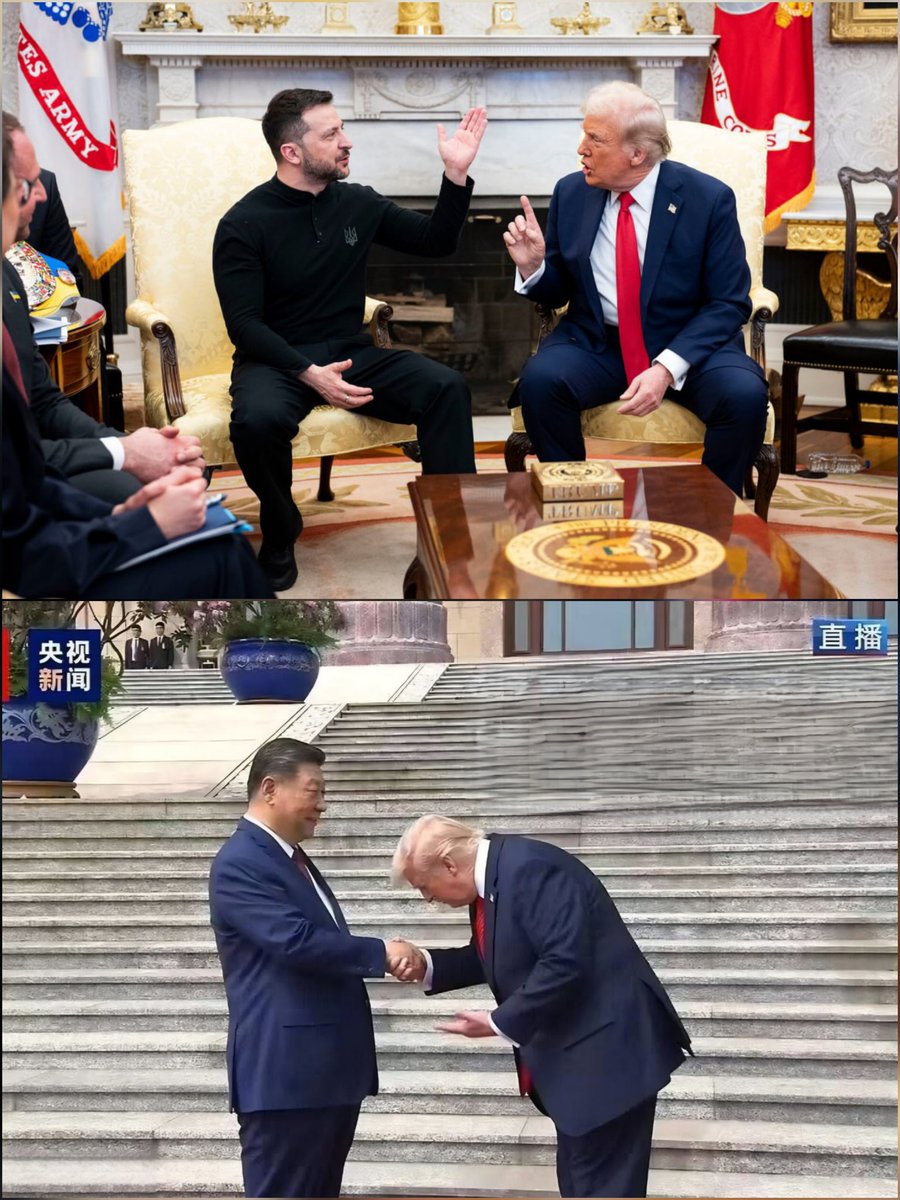
It is amazing how little the press is willing to dissect US decline under Trump. The US got no help with Iran, was scolded on Taiwan, says it got a small Boeing deal (China has not confirmed) and Trump appeased on Chinese students, microchips, etc. Xi even insulted US power.
And yet it is being reported as a modest successful event. It was a strategic failure by the US and marks a notable moment in US decline.
One off the biggest mistakes of the Biden Administration…a failure to recognize that helping Ukraine defeat Russia was achievable and in America‘s strategic interest.
Die untenstehende Grafik illustriert die ökonomischen Konsequenzen einer Energiepolitik, die in Deutschland massiv durch regionale Widerstände und politische Weichenstellungen geprägt wurde.
Während #Spanien im Frühjahr 2026 mit einem Durchschnittspreis von
44 €/MWh von einer konsequenten Marktstrategie und dem massiven Ausbau erneuerbarer Energien profitiert, verharrt #Deutschland bei über 90 €/MWh.
Dieser Preisunterschied, der die deutschen Kosten auf mehr als das Doppelte des spanischen Niveaus hebt, ist eng mit der Ära von Politikern wie Seehofer und Söder verknüpft. Durch Maßnahmen wie die 10H-Regelung in Bayern und die künstliche Verzögerung des Netzausbaus wurde die Entstehung einer effizienten Infrastruktur über Jahre blockiert.
In der aktuellen Regierung #Merz setzt sich dieser Fokus auf den Erhalt alter Strukturen fort: Während Bundesinnenminister #Dobrindt seine politischen Schwerpunkte auf Sicherheit und Migration legt, fehlt im Wirtschaftsressort unter Ministerin #Reiche der Wille zu einer radikalen Preisentlastung, wie sie Spanien durch die Entkoppelung vom Gasmarkt erreicht hat.
Deutschland zahlt somit im Jahr 2026 die Zeche für einen regionalen Protektionismus, der den industriellen Standortvorteil gegenüber agileren Nationen wie Spanien verspielt hat.
#Energiewende #Erneuerbaren #Energien
Everyone who cares about climate should understand this. Texas, with no pro-climate policies, has blown passed California in clean energy. In large part because Texas has less red tape and makes it easier to build.
Wenn alles, was die „Politik der Mitte“ anzubieten hat, auf unterschiedliche Formen von „Zumutungen“ hinausläuft, sind Wahlerfolge für die extreme Rechte vorprogrammiert. Niemand sollte sich im Anschluss fragen, wie es nur dazu kommen konnte.
Das sind übrigens die Ladepreise beim Surftown in München vom Wochenende als es viel Überschuss gab. Jetzt stellen wir uns das bei allen Ladesäulen in Deutschland vor. Da können wir noch Massen an PV verbauen, wenn wir so Anreize schaffen.
Der Markt würde regeln… 👇
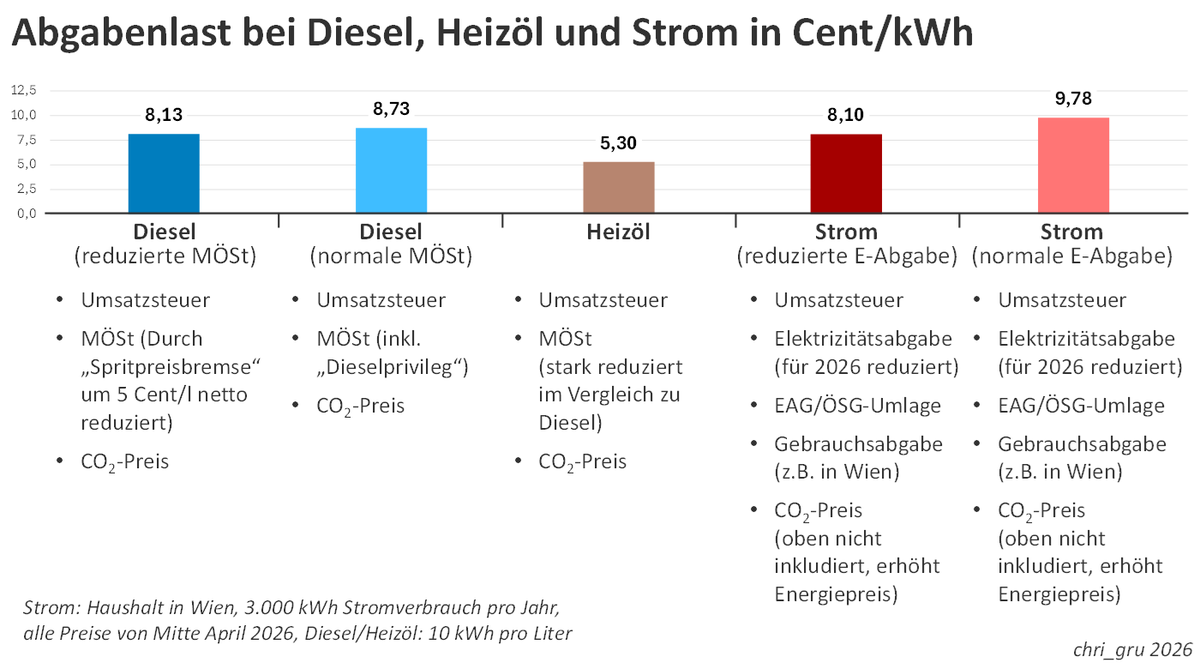
MÖSt, USt, CO2-Preis. Immer wieder hören wir, dass die Abgabenlast bei #Diesel so hoch ist. Nur: bezogen auf den Energieinhalt ist sie bei #Strom in vielen Fällen sogar noch höher.
Hier aktuelle Zahlen und berücksichtigte Positionen (Strom: Haushalt, Wien, 3.000 kWh p.a.) 👇
Oha
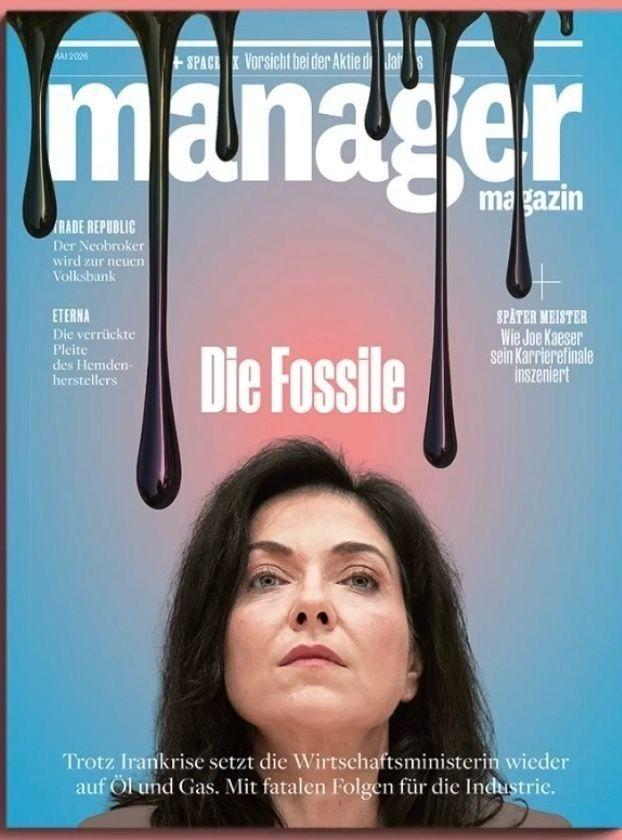
"mit fatalen Folgen für die Industrie" ist natürlich gnadenlos auf den weak point ihrer Argumentation, weil sie ja immer betont, dass sie die Erneuerbaren zum Wohl & Frommen der Industrie bremsen müsse
44% of evening peak met by batteries. In California, world’s 4th largest economy. Not some tiny pilot project or a niche experiment, a global industrial powerhouse
If you’re still sitting in boardrooms or parliament banging on about baseload and the intermittency of renewables, you’re not just wrong, you’re a dinosaur
California's 44% isn't an anomaly. It's a preview of the 2027-2030 reality for every major grid overbuilding renewables
The "technical barriers" the fossil fuel lobby loves to cry about are gone. We are shifting solar and wind into the night at a massive, industrial scale. We don't need expensive, inflexible coal or gas to keep the lights on; we need more storage and we need it now - everywhere
https://t.co/geHZpe7hNA