🔥🔥🔥EUROPACE: Application Repetition and Electrode-Tissue-Contact Results in Deeper Lesions Using a Pulsed-Field Ablation Circular Variable Loop Catheter @EuropaceEiC@BorianiGiuseppe@LuigiDiBiaseMD@AndyZhangMD@dogi84md@marcoschiavone5@tondo_claudioMD@DJ_Lakkireddy@aalahmadmd@jmarazzatoMD
🔬 New Research Alert! A breakthrough study demonstrates that both application repetition and increased electrode-tissue contact significantly enhance lesion depth during Pulsed Field Ablation (PFA), a cutting-edge treatment for cardiac arrhythmias. 🫀 #Cardiology #PFA
📊 Key Findings:
•In the porcine model, lesion depth increased from 3.5 ± 0.7 mm with a single ablation to 4.4 ± 1.3 mm when two ablations were applied. This significant improvement underscores the importance of repeating the energy applications. 📏
•Contact force was another critical factor. When high contact force was applied, the lesion depth reached 6.5 ± 0.7 mm with six stacked ablations, demonstrating a clear correlation between force and lesion effectiveness. 💪 #HeartHealth
🌱 Vegetal Model Insights:
•The study also utilized a vegetal potato model to further explore the impact of contact force. Lesion depth varied dramatically with the amount of contact force applied, ranging from 0.6 ± 0.5 mm without contact to 7.3 ± 0.9 mm with maximum force and six stacked ablations. This suggests that higher contact forces lead to deeper and more effective lesions, even in a controlled bench-top setting. 🌍 #MedicalResearch
🔍 Contiguity of Lesions:
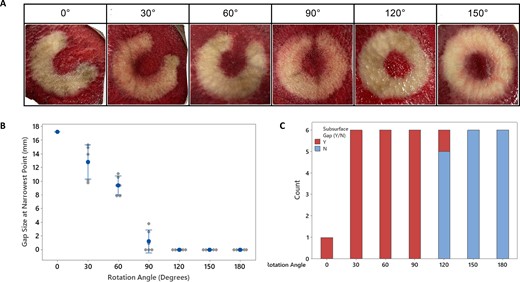
•Achieving contiguous lesions between electrode spaces was another crucial outcome. The study found 100% lesion contiguity on the potato model when 30g of contact force was applied, highlighting the importance of proper catheter contact for complete lesion formation. In the porcine ventricular model, lesion contiguity ranged from 68% to 93% with similar improvements noted with increased contact force. 🚀 #InnovationInMedicine
💡 Clinical Implications:
•These findings suggest that the effectiveness of PFA is closely tied to the biophysical parameters of the procedure, particularly application repetition and contact force. This challenges the traditional focus on mere electrical signal attenuation as the primary endpoint for successful ablation. Clinicians may need to consider these factors more carefully when performing PFA to optimize outcomes for patients. 🧠 #CardioCare
🔧 Technological Insights:
•The study also examined the use of the Tissue Proximity Indication (TPI) feature in the VLCC catheter, which helped ensure adequate tissue contact during ablation. The results showed that positive TPI correlated strongly with lesion contiguity, making it a valuable tool for clinicians during PFA procedures. ⚙️ #MedicalTech
📈 Future Directions:
•As PFA technology continues to evolve, this study provides a foundation for future research. Understanding the precise relationship between contact force, application repetition, and lesion depth will be crucial in developing more effective ablation strategies. Moreover, further studies in human models will be necessary to validate these findings and refine PFA protocols. 🔬 #FutureOfMedicine
🔗 For a deep dive into the full methodology, data, and results, check out the study here: https://t.co/N97ww107hN
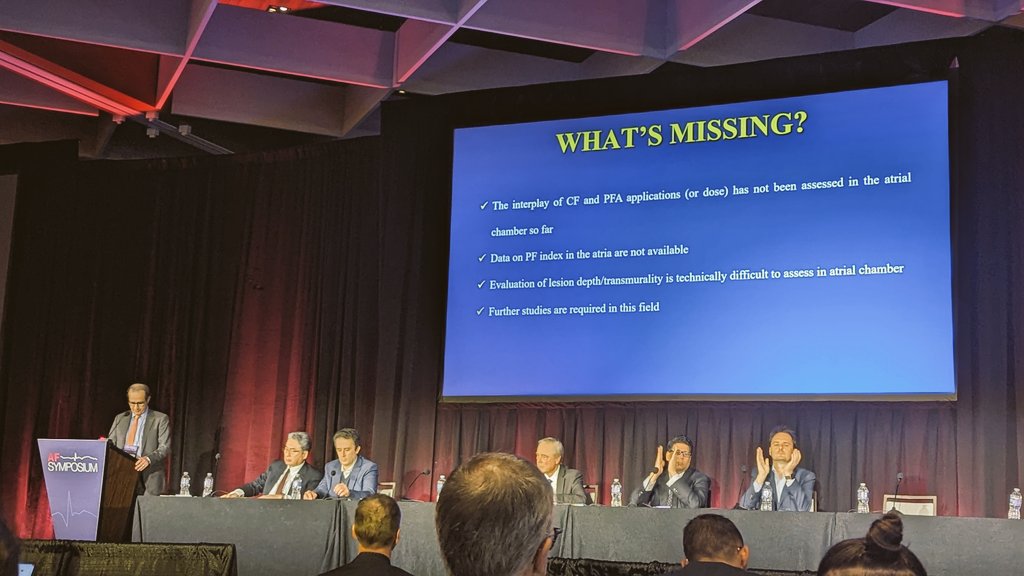
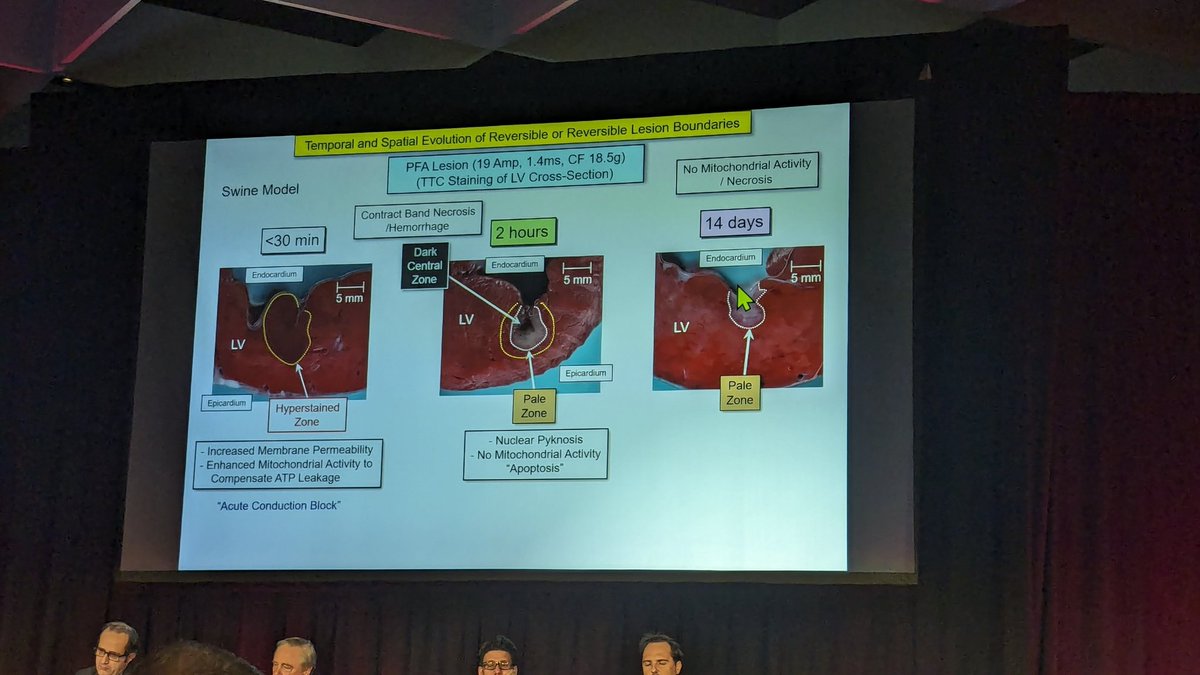
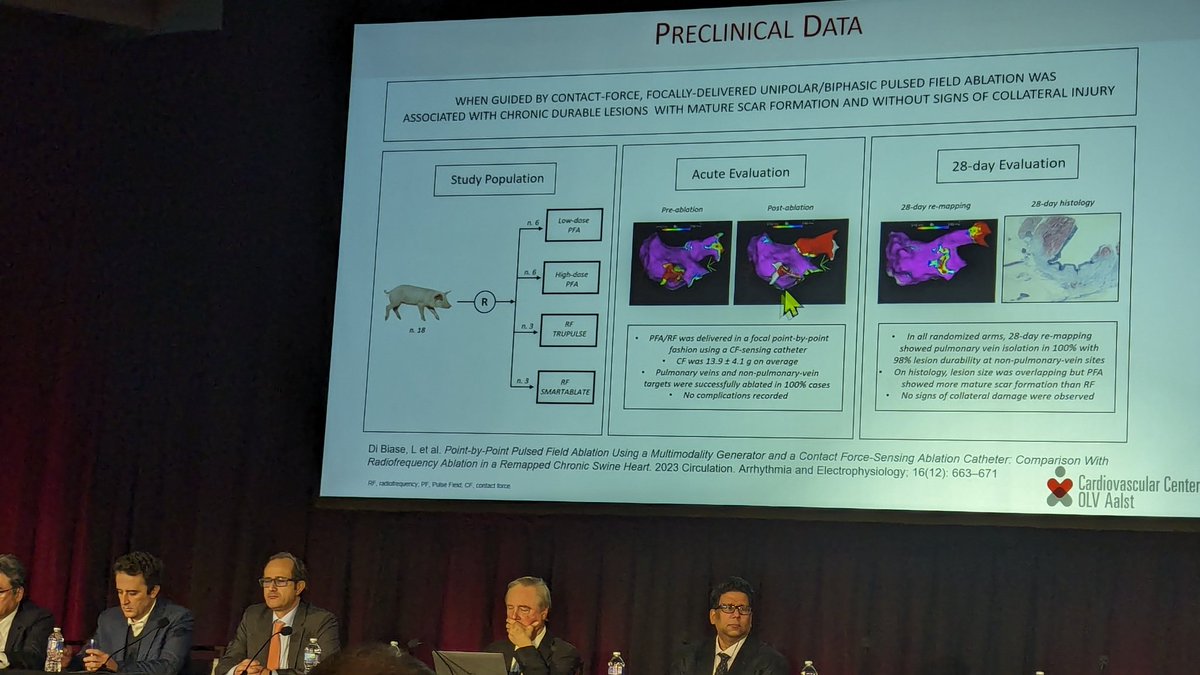
Lesion assessment in catheter ablation for atrial fibrillation - Is Contact Force necessary for PFA?
@AFSymposium 2024 Boston with Professor @LuigiDiBiaseMD HiroshiNakagawa davidhaines
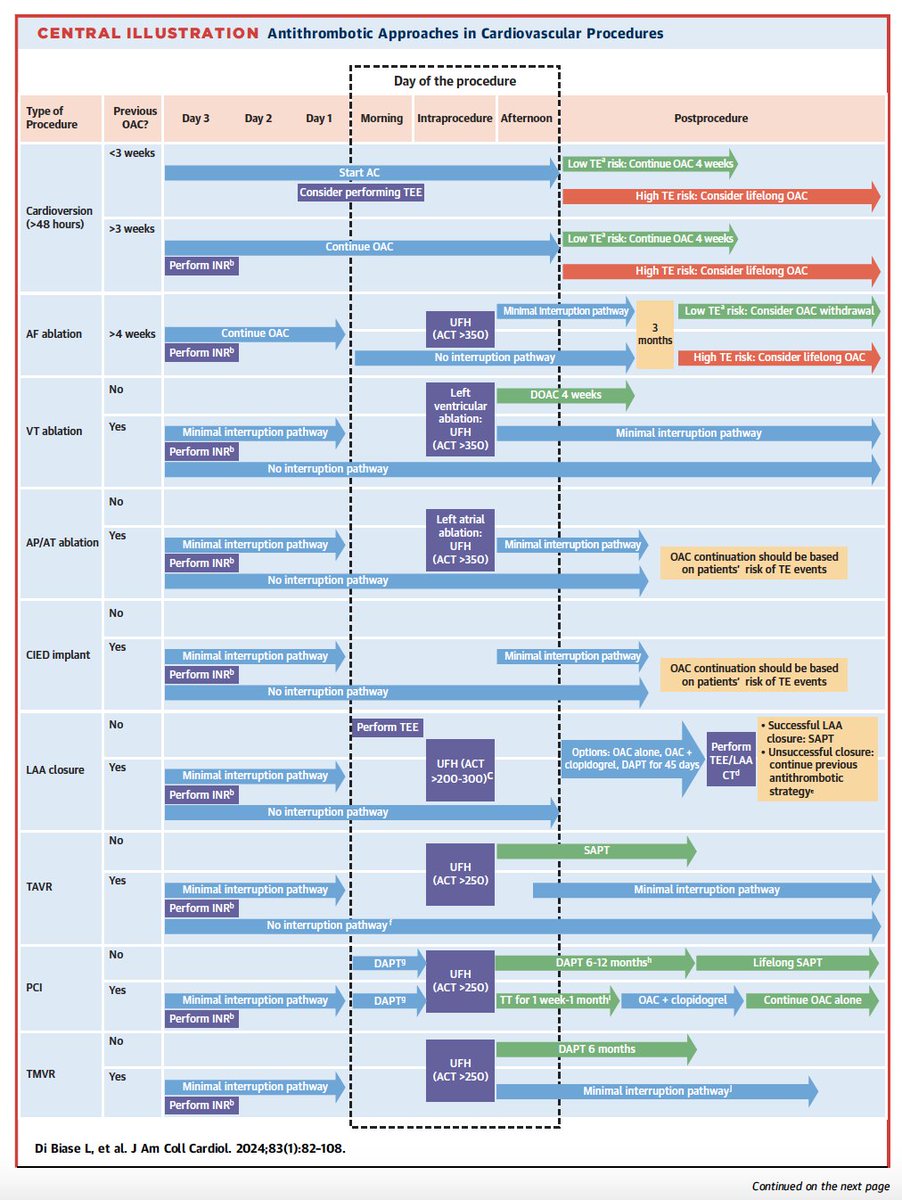
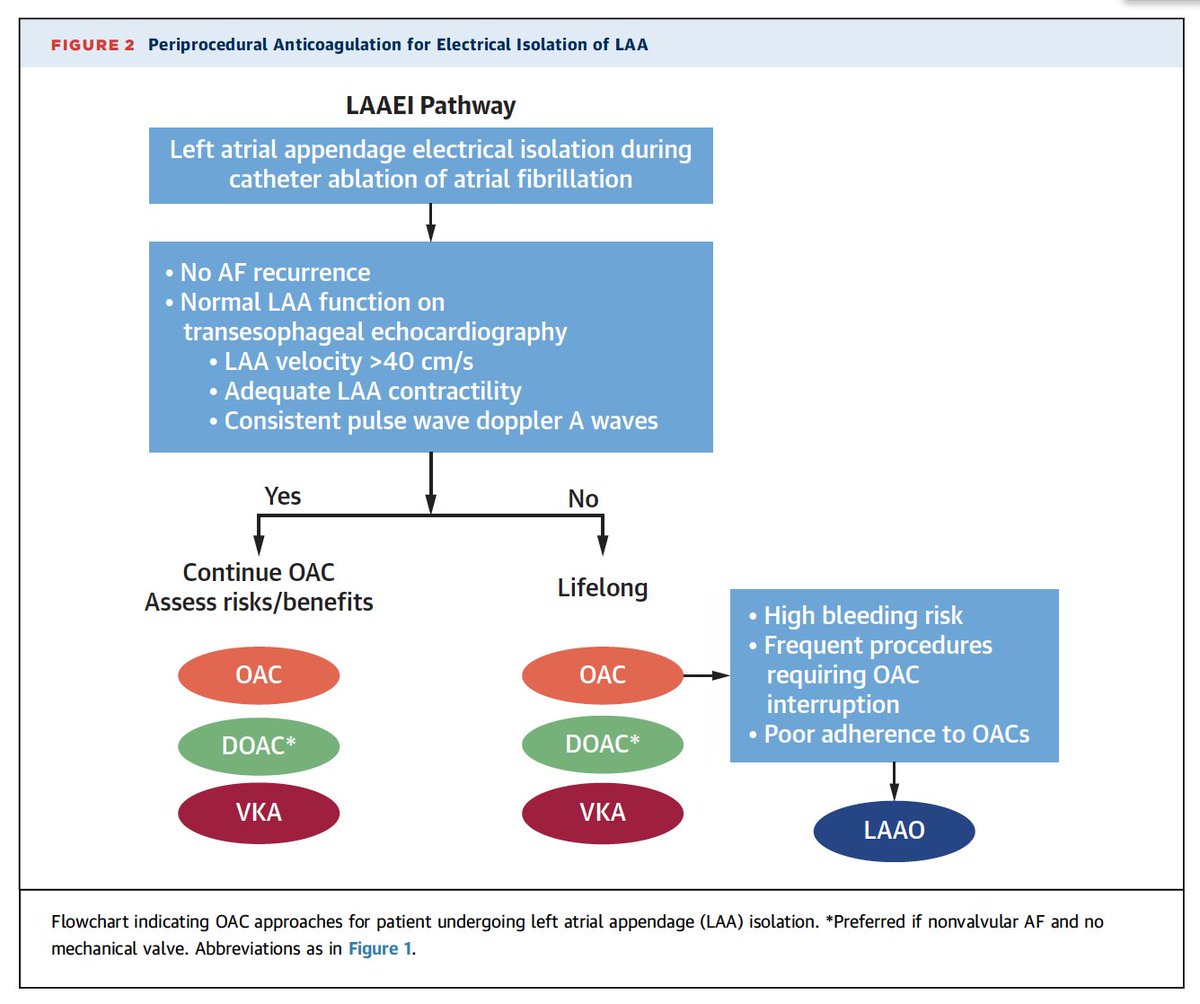
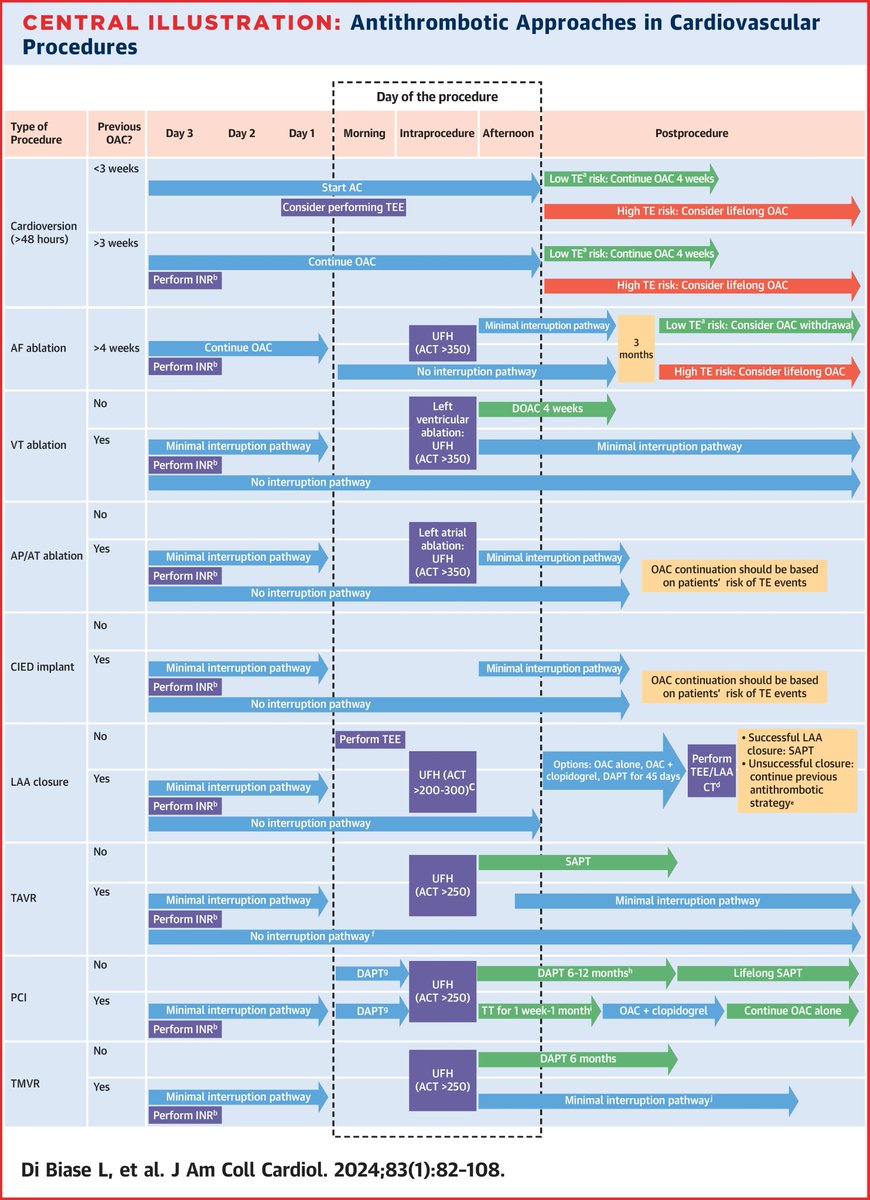
Decisions regarding antithrombotic therapy in pts undergoing interventional or #cvEP procedures have become a crucial part of best practices.
Expert group provides a practical guide for peri-procedural antithrombotic mgmt across #Cardiology. https://t.co/9bfdjQbVFk #JACC
Antithrombotic Therapy for Patients Undergoing Cardiac Electrophysiological and Interventional Procedures: JACC State-of-the-Art Review | Journal of the American College of Cardiology https://t.co/FNQUU3FYGD
A very interesting and insightful review by @LuigiDiBiaseMD
👇
Fresh off the press on @pace_journal our review on pseudo-pacemaker syndrome with the case report of the longest PR interval to date! Thank you Prof @LuigiDiBiaseMD for including me in this amazing project @MonteHeart
https://t.co/sSu1dzocyH
Fresh off the press on @pace_journal our review on pseudo-pacemaker syndrome with the case report of the longest PR interval to date! Thank you Prof @LuigiDiBiaseMD for including me in this amazing project @MonteHeart
https://t.co/sSu1dzocyH
Fresh off the press our editorial with Prof. Di Biase @LuigiDiBiaseMD in @EuropaceEiC
on long-term outcomes of hybrid ablation for persistent and long-standing Afib by Pannone et al from @UZBrussel
Congratulations to all authors! @deasnostos https://t.co/QExlHK6Lp8
Fresh off the press our editorial with Prof. Di Biase @LuigiDiBiaseMD in @EuropaceEiC
on long-term outcomes of hybrid ablation for persistent and long-standing Afib by Pannone et al from @UZBrussel
Congratulations to all authors! @deasnostos https://t.co/QExlHK6Lp8